


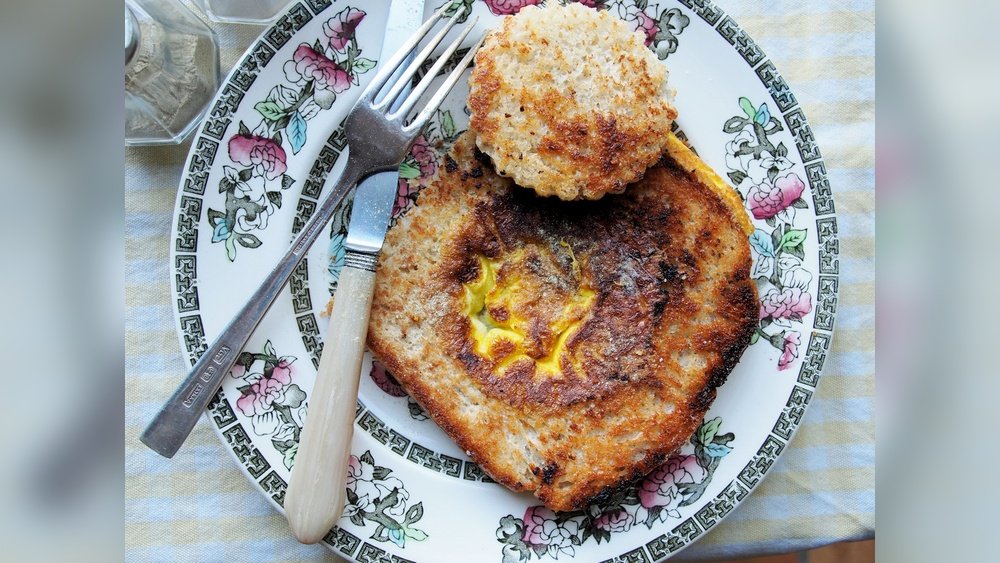
Have you ever wondered how simple meals kept people going during tough times? The WW2 Fried Egg Recipe is more than just a dish—it’s a taste of history that you can easily recreate in your own kitchen.
This recipe shows you how to turn basic ingredients into a hearty, satisfying meal, just like people did when resources were scarce. If you want to discover a unique way to connect with the past while enjoying a delicious, no-fuss breakfast, keep reading.
You’ll be surprised how this humble fried egg can tell a powerful story and bring a new flavor to your table.
Credit: www.lavenderandlovage.com
Origins Of The Ww2 Fried Egg
The fried egg during World War II was more than just a meal. It symbolized simplicity and resourcefulness. People faced food shortages and strict rationing. This dish became a common way to enjoy eggs despite the challenges. The WW2 fried egg holds a special place in history.
It reflects the spirit of making the best with what was available. Families adapted their cooking to fit limited supplies. The fried egg was quick, nutritious, and easy to prepare. This made it a staple in many wartime kitchens.
Eggs In Wartime Diets
Eggs were a valuable food source during the war. They provided protein and important nutrients. Many families raised chickens at home to secure eggs. Eggs were often one of the few fresh foods available. They helped keep energy levels up during hard times.
Despite shortages, eggs remained a key part of meals. People used them in many simple recipes. Fried eggs were popular because they needed little extra ingredients. This made them practical and filling.
Rationing And Ingredient Availability
Rationing controlled how much food people could buy. Meat, butter, and sugar were limited. Eggs were rationed but easier to find than some foods. Cooking had to be creative with what was on hand.
The fried egg recipe used minimal ingredients. Oil or a bit of drippings replaced butter. Salt and pepper added flavor without extra cost. This made the recipe accessible to most households. It showed how people managed with small resources.
Ingredients For Authentic Flavor
Creating an authentic World War II fried egg recipe depends on using the right ingredients. Each element plays a role in capturing the taste of that era. Simple, quality ingredients bring out the true flavor of this classic dish.
Focus on freshness and tradition to make your fried egg taste like it did during the 1940s. Every detail matters, from the eggs you choose to the fats and seasonings used in cooking.
Egg Selection And Quality
Choose fresh eggs with bright, firm yolks. Older eggs tend to spread and lose flavor. Free-range or farm eggs offer better taste and texture. Look for eggs with a rich, golden yolk for authenticity. Quality eggs make the dish feel genuine and satisfying.
Traditional Seasonings And Fats
Use simple salt and pepper for seasoning, just like in the 1940s. Avoid modern spices or blends. Cooking fat matters. Use lard, butter, or dripping for an authentic taste. These fats add a rich flavor and help achieve a perfect crispy edge. Traditional fats connect the recipe to its wartime roots.
Step-by-step Cooking Method
The step-by-step cooking method for the WW2 fried egg recipe is simple and clear. It follows the ways people cooked during the war. This method uses few ingredients and basic tools. It shows how to make a tasty fried egg with little effort.
Each step helps keep the egg perfect. The egg will have a golden edge and a soft yolk. The cooking style reflects the time of WW2, when food was limited but meals stayed important.
Preparing The Pan And Ingredients
Start by choosing a small, heavy pan. Cast iron or steel pans work best. Lightly heat the pan on medium heat. Add a small piece of butter or a little oil. Let the fat melt but not burn.
Next, crack one fresh egg into a small bowl. Check the egg for any shell pieces. This step helps keep the egg clean and safe. Prepare salt and pepper nearby for seasoning.
Cooking Techniques Of The Era
Pour the egg gently into the hot pan. Let it cook without moving it. The egg white will slowly turn firm and white. Keep the heat low to avoid burning.
Cover the pan with a lid if you want the yolk cooked lightly on top. This traps heat and cooks the egg evenly. Cook for about 2 to 3 minutes until whites are fully set.
Use a spatula to lift the egg carefully from the pan. Serve immediately for the best taste. Simple, yet satisfying—this is how the fried egg was made during WW2.
Tips To Enhance Authenticity
Making a World War II fried egg recipe is about more than ingredients. It’s about the experience. Small details create a strong sense of history. These tips help you cook like people did in the 1940s.
Following these ideas makes your dish feel real and true to the time. It also helps you understand daily life during the war.
Replicating Historical Cooking Conditions
Use a simple pan, not a modern non-stick one. Cast iron pans were common. Heat the pan slowly over low fire. Gas and electric stoves were less powerful. Avoid using too much oil. People had limited supplies. Cook eggs gently to avoid burning. This mimics old cooking methods.
Serving Suggestions From The 1940s
Serve fried eggs with basic sides. Toast made from plain bread was typical. Add simple salt and pepper for taste. Avoid fancy garnishes or sauces. A small portion of boiled vegetables or canned beans fits the era. Keep plates plain and practical. This style shows the food culture of wartime.
Variations Across Countries
The World War II fried egg recipe shows many changes across countries. Each nation added its own touch to this simple dish. These variations reflect local tastes, available ingredients, and cooking methods of the time.
Soldiers needed quick, easy meals. Eggs were common and nutritious. The way they cooked eggs differed from place to place. This makes the fried egg recipe a small window into wartime life.
British Army Fried Egg Style
The British Army fried egg was simple and practical. Soldiers cooked eggs in grease or dripping. Often, eggs were fried until the edges were crispy. The yolk usually stayed runny for extra energy. Sometimes, soldiers added salt and pepper. The British style focused on fast, filling meals.
American And European Differences
American troops favored a slightly different approach. Eggs were fried in butter or oil, with the yolk often cooked firmer. They sometimes served eggs with bacon or toast. European soldiers, especially on the continent, used local fats like lard. The eggs might be cooked softer or harder, depending on supply. These small differences showed how resources and habits shaped meals.
Nutritional Value During The War
During World War II, food was scarce, and nutrition was crucial for survival. Eggs became a vital source of nutrients. The simple fried egg recipe offered a quick, effective way to gain essential energy. Soldiers and civilians relied on eggs to maintain strength in tough times.
Understanding the nutritional value of eggs during the war helps us appreciate their importance. Each egg provided key nutrients that supported health and endurance. The fried egg was more than just a meal; it was a source of life in difficult conditions.
Energy Provided By Eggs
Eggs are rich in protein and fat, which provide lasting energy. A single fried egg can give about 90 calories. This energy helped soldiers stay active for long hours. The fat in eggs was crucial for warmth and strength. Protein helped repair muscles after hard work or battle.
Role In Soldier’s Diet
Eggs were easy to cook and digest, perfect for soldiers. They offered important vitamins like A, D, and B12. These vitamins kept soldiers healthy and alert. Eggs also contained minerals like iron and zinc. These helped improve immune function and healing. Fried eggs became a staple in military meals worldwide.
Modern Adaptations
The World War 2 Fried Egg Recipe holds a special place in history. It reflects the simplicity and resourcefulness of that time. Today, many people want to enjoy this classic dish with a modern twist. Modern adaptations bring new flavors and ingredients without losing the original charm.
These updates make the recipe more appealing to today’s tastes. They keep the spirit of the past alive while adding fresh ideas. The balance between old and new creates a unique and tasty experience.
Incorporating Contemporary Ingredients
Many cooks add fresh vegetables like spinach or tomatoes. These ingredients boost flavor and nutrition. Using olive oil instead of lard makes the dish lighter. Some try herbs like basil or parsley for extra taste. Cheese or avocado slices can add creaminess. These simple changes make the fried egg more exciting.
Balancing Authenticity With Taste
Keeping the original recipe’s simplicity is important. Using too many new ingredients can hide its history. The key is to add small touches that enhance flavor. Cook the egg gently to keep its soft texture. Use salt and pepper carefully for the right seasoning. This balance respects the original while pleasing modern palates.

Credit: www.youtube.com

Credit: www.lavenderandlovage.com
Frequently Asked Questions
What Is The Ww2 Fried Egg Recipe Origin?
The WW2 fried egg recipe originated during World War II. It reflects simple, affordable meals made with limited ingredients. This recipe symbolizes wartime resourcefulness and basic nutrition for soldiers and civilians.
How To Make A Ww2 Fried Egg Recipe?
To make a WW2 fried egg, heat a small amount of fat. Crack the egg into the pan, cook until whites set, and yolk reaches desired firmness. Season lightly with salt and pepper.
Why Is The Ww2 Fried Egg Recipe Popular Today?
The WW2 fried egg recipe is popular due to its simplicity and historical significance. It appeals to those interested in wartime cooking and easy, nutritious meals with minimal ingredients.
What Ingredients Are Needed For Ww2 Fried Egg?
You need eggs, a small amount of cooking fat (like lard or butter), salt, and pepper. This recipe uses basic pantry staples common during WWII rationing.
Conclusion
The WW2 fried egg recipe shows how simple food can hold history. It reminds us of hard times and the strength people had. Cooking this dish connects us with the past in a tasty way. Anyone can try it with easy steps and few ingredients.
This recipe is more than just food; it tells a story. Enjoy a meal that is quick, easy, and meaningful. Give it a try and feel the past on your plate.
