


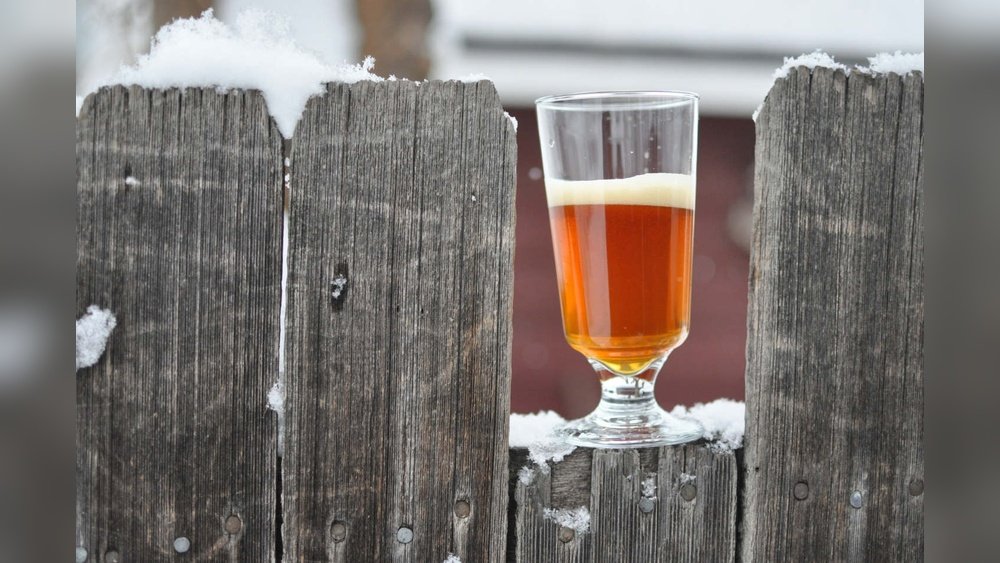
Are you ready to create a cozy, rich brew that warms you from the inside out? A Winter Ale is exactly what you need to brighten those cold, dark evenings.
Imagine sipping on a glass of smooth, flavorful beer with hints of spice and malt, made by your own hands. This recipe will guide you step-by-step to craft a perfect Winter Ale that’s full of heart and comfort. Keep reading, and you’ll discover how easy it is to bring warmth and cheer to your home with your very own winter-inspired brew.

Credit: boomchugalug.com
Choosing Ingredients
Choosing the right ingredients shapes your winter ale’s flavor and character. Each component adds something special. Malt, hops, and spices work together to create a rich, warming beer. Careful selection helps balance sweetness, bitterness, and aroma. This section guides you through picking malts, hops, and extras for a cozy winter brew.
Selecting Malts
Malts form the base of your winter ale. Use malts that bring sweetness and depth. Dark malts like chocolate or roasted barley add rich, toasty notes. Caramel malts give a smooth, sweet flavor and a warm color. Mix malts to get a balanced taste. Avoid too many dark malts to keep bitterness low.
Picking The Right Hops
Hops add bitterness and aroma to your ale. Choose hops with mild bitterness to match malts. Floral, earthy, or spicy hop varieties fit well in winter ales. Use hops sparingly to keep the beer smooth and drinkable. Late hop additions boost aroma without extra bitterness. This keeps your ale fresh and inviting.
Adding Spices And Extras
Spices bring festive warmth and unique flavors. Cinnamon, nutmeg, and cloves are classic choices. Add spices carefully to avoid overpowering the beer. Consider orange peel or ginger for bright, fresh notes. Some brewers add vanilla or honey for extra sweetness. Experiment with small amounts to find your perfect blend.
Brewing Process
The brewing process shapes the flavor and character of your winter ale. Each step matters. Careful attention leads to a rich, full-bodied beer perfect for cold days.
Mashing Techniques
Mashing breaks down starches in the grains into sugars. Use a temperature between 148°F and 158°F for best results. Lower temperatures create lighter body; higher give more fullness. Stir the mash gently to avoid clumps. Hold the temperature steady for 60 minutes. This helps enzymes work properly and extracts sugars.
Boil And Hop Additions
Boiling sterilizes the wort and extracts hop flavors. Start with a 60-minute boil. Add bittering hops early in the boil for a firm bitterness. Add aroma hops in the last 10 to 15 minutes for scent and flavor. Use spices like cinnamon or cloves near the end to boost winter notes. Avoid boiling spices too long to keep flavors fresh.
Fermentation Tips
Fermentation turns sugars into alcohol and carbon dioxide. Keep the temperature between 65°F and 70°F for ale yeast. Too hot or cold can cause off-flavors. Use a clean fermenter to avoid contamination. Let the beer ferment for 1 to 2 weeks until bubbling slows. Cold crash the beer to clear it before bottling.
Flavor Profiles
Winter ales offer a rich and inviting taste perfect for cold weather. The flavor profile is key to this style. It combines warmth, sweetness, and spice in a balanced way. Understanding these flavors helps create a satisfying brew. Each element plays a role in the overall experience.
Balancing Sweetness And Bitterness
Sweetness in winter ales comes from malts like caramel and toffee. These bring a cozy, rich taste. Bitterness from hops cuts through the sweetness. It adds a crisp edge that keeps the ale from feeling too heavy. The balance between sweet and bitter makes the beer smooth and enjoyable.
Enhancing Aromas
Aromas in winter ales often include spices such as cinnamon and clove. These scents create a festive and warm feeling. Using hops with citrus or pine notes adds freshness. The aroma invites you to taste and enjoy the beer deeply. It makes the drinking experience more complex and fun.
Creating A Smooth Finish
A smooth finish leaves the drinker wanting more. It comes from careful selection of malt and yeast. The yeast adds subtle fruity or spicy notes that linger. The malt helps to soften the bitterness at the end. Together, they create a clean and gentle finish perfect for winter sipping.
Packaging And Aging
Packaging and aging are key steps in making a great winter ale. These steps affect the flavor, aroma, and overall quality of your beer. Proper packaging keeps the ale fresh and safe from contamination. Aging allows the beer to develop deeper and richer flavors. Both require careful attention to detail and patience.
Choosing Bottles Or Kegs
Bottles are easy to handle and store. They work well for small batches. Glass bottles protect beer from light, which can spoil the flavor. Kegs are better for larger batches and quick serving. They keep the beer fresh for longer. Choose based on your storage space and how you plan to serve the ale.
Carbonation Methods
Natural carbonation happens by adding sugar before sealing. Yeast consumes sugar and produces carbon dioxide. This method gives a smooth and balanced fizz. Forced carbonation uses CO2 gas pumped into kegs. It is faster and more controlled. Both methods work well. Pick one that fits your equipment and taste preference.
Optimal Aging Time
Winter ales improve with time. Aging lets flavors blend and mellow. Store the ale in a cool, dark place. Ideal temperature is between 50 and 60 degrees Fahrenheit. Most winter ales benefit from 4 to 8 weeks of aging. Taste the ale periodically to find your preferred flavor. Patience pays off in rich, smooth beer.
Serving Suggestions
Serving your winter ale right makes a big difference. It brings out the best flavors and aromas. Proper serving enhances your drinking experience. Here are some tips to enjoy your winter ale fully.
Ideal Glassware
Choose a glass that holds aroma well. Tulip glasses or snifters work great. These shapes capture the spicy and malty notes. A pint glass is also fine for casual drinking. Clean glassware ensures no off-flavors affect the taste.
Food Pairings
Winter ales match well with hearty foods. Try roasted meats or stews for a warm feel. Cheese like sharp cheddar or gouda complements the beer. Spiced desserts such as gingerbread or apple pie also pair nicely. These foods highlight the ale’s rich, spicy flavors.
Serving Temperature
Serve winter ale slightly warmer than cold beer. Aim for 45-55°F (7-13°C). This temperature lets flavors open up. Avoid serving too cold; it dulls the taste. Use a thermometer to check the perfect chill.
Credit: boomchugalug.com
Troubleshooting Common Issues
Troubleshooting common issues in your winter ale recipe helps improve your brew. Every brewer faces challenges. Fixing problems early saves time and ingredients. Understanding common issues makes your ale taste better and cleaner. Below are key points to keep your brew on track.
Fixing Off-flavors
Off-flavors can ruin your winter ale. They often come from poor fermentation or bad ingredients. Check yeast health before brewing. Use fresh malt and hops. Keep fermentation temperature steady. Avoid letting your beer contact oxygen after fermentation. These steps reduce sour, metallic, or harsh tastes.
Preventing Contamination
Contamination causes sour or strange flavors. Clean all brewing tools thoroughly before use. Sanitize bottles, fermenters, and utensils with a good sanitizer. Avoid touching inside the fermenter. Keep the brew area free from dust and pests. Proper cleaning stops unwanted bacteria and wild yeast from spoiling your ale.
Adjusting Carbonation Levels
Carbonation affects the feel and taste of your winter ale. Too little carbonation makes the beer flat. Too much causes foaming or bottle bursts. Measure priming sugar carefully. Use the right amount for your bottle size and beer style. Store bottles at a proper temperature. This helps control the carbonation level for a smooth finish.
Credit: homebrewersassociation.org
Frequently Asked Questions
What Ingredients Are Essential For A Winter Ale Recipe?
Winter ales typically include malts like caramel and chocolate, spices such as cinnamon and cloves, and yeast strains that enhance rich flavors. These ingredients create a warm, full-bodied beer perfect for cold weather.
How Long Should I Ferment Winter Ale At Home?
Fermentation for winter ales usually takes two to three weeks at 65-70°F (18-21°C). Proper fermentation ensures balanced flavors and avoids off-tastes, resulting in a smooth and flavorful beer.
What Makes Winter Ale Different From Other Ales?
Winter ales often have richer malt profiles, higher alcohol content, and added spices. These features give them a warm, cozy character ideal for cold seasons, distinguishing them from lighter, hoppier summer ales.
Can I Use Regular Ale Yeast For Winter Ale Brewing?
Yes, regular ale yeast works well for winter ales. It ferments at moderate temperatures and supports the malt and spice flavors typical in winter ales without overpowering them.
Conclusion
Crafting your own winter ale brings joy and warmth to cold days. This recipe uses simple ingredients you can find easily. Follow each step to create a rich, tasty brew. Share your ale with friends and family for cozy moments.
Enjoy the process as much as the final drink. Winter ale makes any chilly evening feel special. Try it once, and you might brew again soon. Cheers to good times and great flavors!
