

Have you ever followed a recipe, only to wonder how much food it actually makes? Understanding the yield of a recipe is key to planning your meals, saving money, and avoiding waste.
Knowing the exact yield helps you serve the right portions, whether you’re cooking for yourself, your family, or a crowd. You’ll discover what recipe yield means, why it matters, and how you can use this simple concept to improve your cooking every time.
Keep reading to unlock the secret to perfect portions and better kitchen results.
Credit: www.youtube.com
Recipe Yield Basics
Understanding the yield of a recipe is important for any cook. It tells you how much food the recipe will make. This helps plan meals and avoid waste. The basics of recipe yield are simple but very useful.
Defining Recipe Yield
Recipe yield means the total amount of food or servings a recipe produces. It can be shown in portions, cups, pieces, or weight. For example, a cake recipe might yield 12 slices. Knowing this helps you decide how much to cook.
Why Yield Matters
Yield helps you plan the right amount of food for your needs. It prevents cooking too much or too little. This saves money and time. For restaurants, yield is crucial for serving the correct portion size. It keeps customers happy and controls costs.

Credit: www.theculinarypro.com
Measuring Recipe Yield
Measuring recipe yield helps you understand how much food a recipe produces. It guides you in planning meals and serving the right portions. Accurate yield measurement also reduces waste and controls costs.
Portion Sizes And Servings
Portion size means the amount of food served to one person. Servings are the total number of portions a recipe makes. Knowing both helps you decide how many people you can feed. Portion sizes vary by recipe and meal type. Clear portion sizes prevent overeating or food shortages.
Weight Vs. Volume
Weight measures how heavy ingredients or food are. Volume measures the space ingredients take up. Weight is more accurate for dry and dense ingredients. Volume works well for liquids and loose items. Using the right measurement improves recipe consistency and results.
Tools For Accurate Measurement
Kitchen scales give precise weight for ingredients and final dishes. Measuring cups and spoons help with liquid and dry volume. Use a timer and thermometer to control cooking time and temperature. These tools ensure your recipe yield matches your expectations.
Factors Affecting Yield
The yield of a recipe is the total amount of food it produces. This amount can change due to many reasons. Understanding these reasons helps you plan better and avoid waste. Several key factors affect the final yield of your dish.
Ingredient Variability
Ingredients can vary in size, weight, and moisture. Fresh vegetables may lose water during cooking. Meat can shrink as fat and water cook out. These changes affect the final weight and volume of the dish. Using consistent ingredients helps predict yield more accurately.
Cooking Techniques
Different cooking methods change food weight and size. Boiling can cause some nutrients and solids to leach out. Roasting often reduces moisture and shrinks food. Frying adds oil and can increase weight. The way you cook impacts how much food you end up with.
Loss During Preparation
Peeling, trimming, and cutting cause some loss of food. Removing skins, seeds, or bones reduces the final yield. Waste like vegetable peels or fat trimmings also lowers the amount of edible food. Careful preparation minimizes these losses and improves yield.
Calculating Yield For Any Recipe
Calculating the yield of a recipe helps you know how much food it will make. This is useful when planning meals or cooking for groups. Understanding the yield ensures you prepare the right amount. You avoid wasting food or running short.
Yield is the total number of servings or quantity a recipe produces. It may be in pieces, cups, or weight. Learning how to calculate yield lets you adjust recipes easily. This section explains simple steps to find the yield for any recipe.
Step-by-step Method
First, read the recipe carefully. Note the total amount of the final product. This could be in cups, grams, or number of items.
Second, identify the size of one serving. Sometimes the recipe states this. If not, decide how much one person will eat.
Third, divide the total amount by the serving size. This gives the number of servings the recipe yields.
For example, if the recipe makes 4 cups of soup and one serving is 1 cup, the yield is 4 servings.
Adjusting For Different Serving Needs
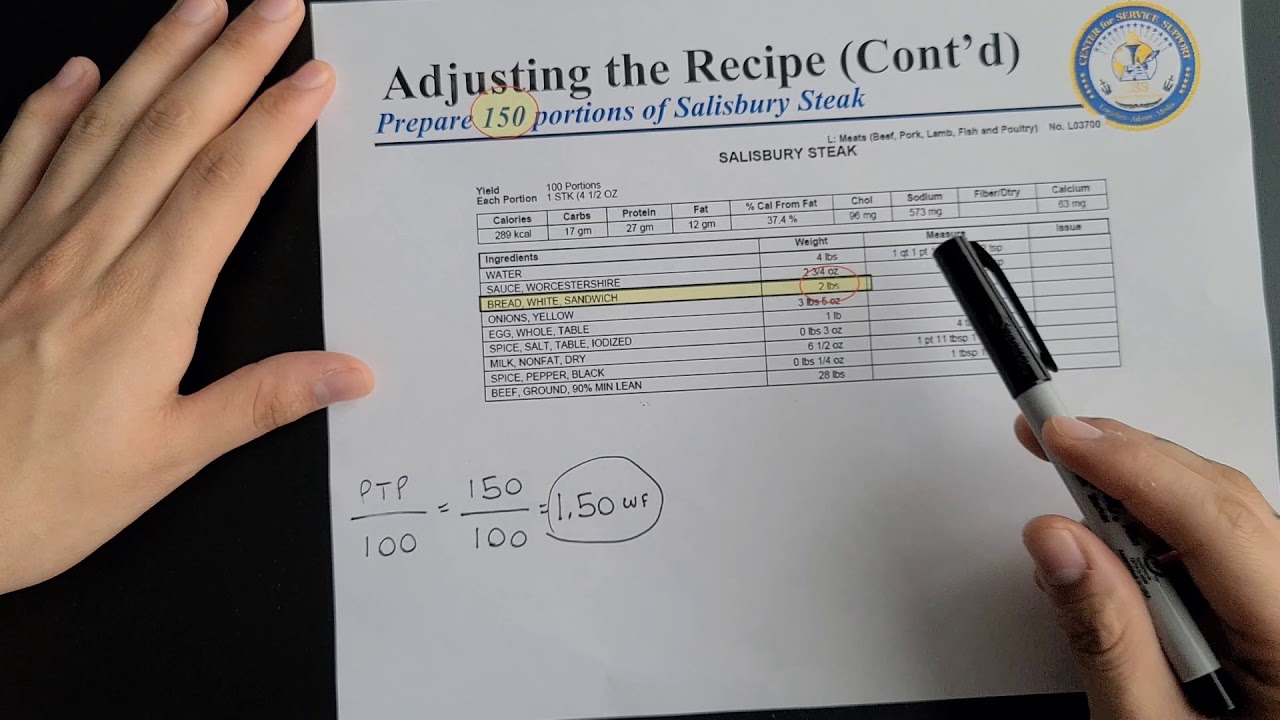
To change the yield, multiply or divide ingredients by the desired number of servings. This keeps the recipe balanced.
If you want fewer servings, reduce ingredient amounts. For more servings, increase them.
Keep notes on changes for future reference. This helps you cook the perfect amount every time.
Improving Portion Consistency
Improving portion consistency helps control food costs and customer satisfaction. Consistent portions make every dish look and taste the same. This also reduces waste and simplifies kitchen work. Two main ways to improve portion consistency are standardizing ingredients and using portion control tools.
Standardizing Ingredients
Standardizing ingredients means using the same type and amount each time. Recipes should list exact measurements for every ingredient. This avoids guessing and keeps results uniform. Kitchen staff must follow the recipe without changes. Using pre-measured or pre-packaged ingredients can help. Consistent ingredients lead to steady yield and quality.
Using Portion Control Tools
Portion control tools ensure each serving is the right size. Tools like measuring cups, scoops, and scales help measure food precisely. They reduce mistakes and speed up serving. Staff should learn how to use these tools properly. Using portion control tools keeps servings equal and customers happy. It also helps track inventory and costs easily.
Yield In Professional Kitchens
In professional kitchens, the yield of a recipe means the total amount of food produced. It shows how many servings or portions the recipe makes. Knowing the yield helps chefs plan meals and control costs carefully. Yield is important for smooth kitchen operations and customer satisfaction.
Menu Planning And Cost Control
Chefs use yield to design menus with the right portion sizes. This helps avoid food waste and keeps customers happy. Accurate yield data helps calculate food costs precisely. It ensures the kitchen stays within budget. Controlling costs means better profits and less leftover food.
Scaling Recipes Up And Down
Yield helps chefs adjust recipes for different group sizes. They can increase or decrease ingredients easily. This keeps the dish consistent in taste and appearance. Scaling saves time and reduces mistakes in busy kitchens. It makes serving large or small groups more efficient.
Common Yield Mistakes
Common mistakes often happen when calculating the yield of a recipe. These errors can lead to wrong portion sizes or unexpected leftovers. Understanding these mistakes helps you plan better and avoid waste. It also ensures your recipes turn out as expected every time.
Overestimating Portions
One frequent mistake is overestimating portions. People often assume each serving is larger than it really is. This leads to preparing too much food. Overestimating causes waste and extra costs. Knowing the correct portion size helps keep servings accurate and consistent.
Ignoring Cooking Loss
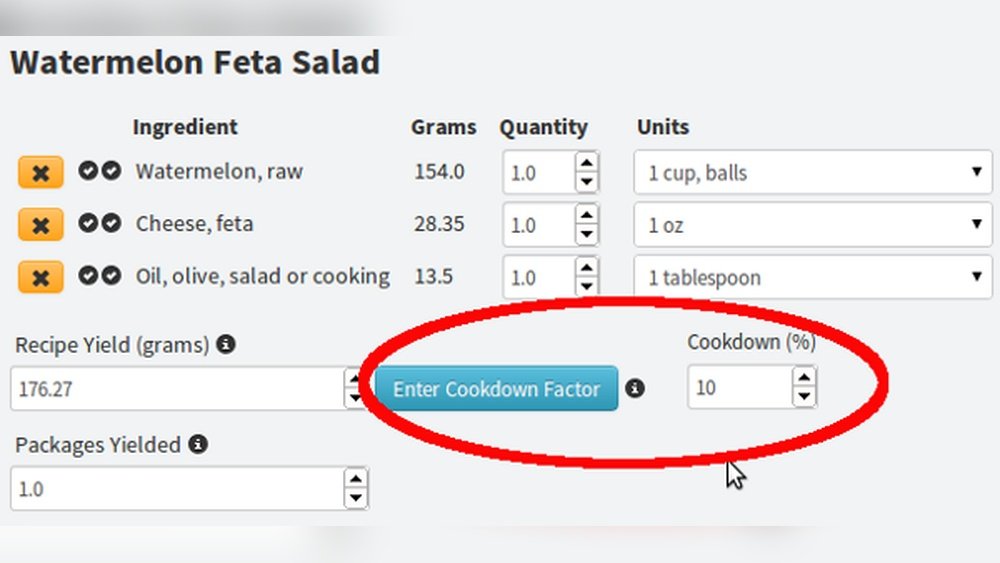
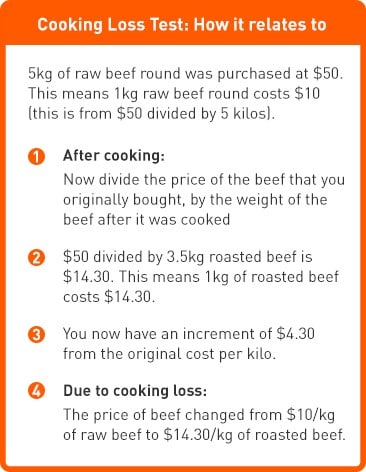
Ignoring cooking loss is another common error. Food loses weight during cooking due to water evaporation and fat melting. Not accounting for this loss results in smaller final yields. Chefs must consider cooking loss to predict the true amount of food after cooking. This step helps maintain portion control and budget accuracy.
Credit: www.unileverfoodsolutions.us
Frequently Asked Questions
What Does Yield Mean In A Recipe?
Yield refers to the total amount or number of servings a recipe produces. It helps in planning portions and ingredients.
How To Calculate Recipe Yield Accurately?
Measure the final product’s weight or volume after cooking. Divide by serving size to find the total servings.
Why Is Knowing Recipe Yield Important?
Knowing yield prevents food waste, helps with meal planning, and ensures consistent portion sizes for serving.
Can Recipe Yield Vary With Ingredient Changes?
Yes, altering ingredients or cooking methods can change the yield. Always adjust calculations when modifying recipes.
Conclusion
Understanding the yield of a recipe helps you plan meals better. It tells you how much food the recipe makes. This guides portion sizes and helps avoid waste. Knowing yield saves time and money. It makes cooking less stressful and more fun.
Always check yield before starting any recipe. It ensures you cook the right amount for your needs. Simple but very useful for every cook. Try it next time you prepare a dish. You will notice the difference it makes.
