

Have you ever followed a recipe exactly, only to wonder how many servings it actually makes? Understanding the yield in a recipe can change the way you cook and plan your meals.
Knowing the yield helps you avoid waste, save money, and make just the right amount of food every time. You’ll discover what recipe yield really means and how it can make your cooking more precise and enjoyable. Keep reading to unlock this simple secret that can improve your kitchen skills instantly.
Credit: www.youtube.com
Yield In Recipes
Understanding the yield in a recipe helps you know how much food you will get. This information guides you in planning meals and serving the right portions. Recipes list yield to tell cooks the expected amount of finished dish.
Definition Of Yield
Yield means the total amount of food a recipe makes. It can be in servings, pieces, cups, or weight. For example, a recipe might say it yields 4 servings or 12 cookies. This shows how many people it can feed or how many items it produces.
Why Yield Matters
Knowing the yield helps with meal planning and shopping. It prevents cooking too much or too little food. Yield helps control portion sizes and reduces waste. It also helps adjust recipes to serve more or fewer people.

Credit: www.theculinarypro.com
Measuring Recipe Yield
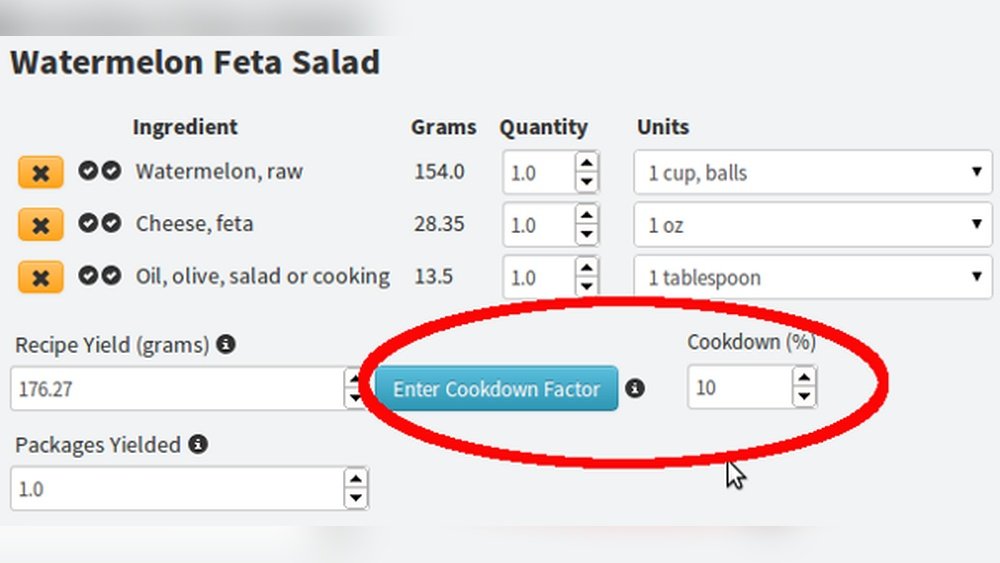
Measuring recipe yield helps you know how much food a recipe makes. It guides you to serve the right amount. Knowing the yield also helps with meal planning and shopping. It avoids food waste and saves money.
Portion Size Vs Total Yield
Portion size is the amount served to one person. Total yield is the complete amount the recipe produces. For example, a cake recipe might yield one cake. The portion size could be one slice from that cake. Both are important for understanding servings and planning.
Common Yield Measurements
Recipes use various measurements to show yield. These include cups, ounces, pieces, or servings. Sometimes yield is given in weight or volume. Clear yield measurements help you prepare the right quantity. This makes cooking easier and more accurate.
Factors Affecting Yield
Yield in a recipe means how much food you get after cooking. Many things change the yield. Knowing these helps you plan meals better. It also prevents waste and saves money.
Ingredient Variations
Different brands or types of ingredients can change the yield. Some ingredients hold more water or air. This affects the final amount of food. Using fresh vegetables or dried ones also changes yield. Measuring ingredients carefully helps keep yield consistent.
Cooking Techniques
How you cook affects the yield a lot. Boiling may cause water loss. Baking can reduce moisture and shrink food. Frying adds oil and increases weight. Steaming keeps most moisture inside. Cooking time matters too. Longer cooking means more water loss.
Equipment Impact
Tools and equipment used can change the yield. Different ovens have different heat levels. A small pan may cook food faster than a large one. Using sharp knives helps cut more precisely. Scales and measuring cups affect ingredient accuracy. Good equipment keeps yield closer to the recipe.
Adjusting Recipes For Desired Yield
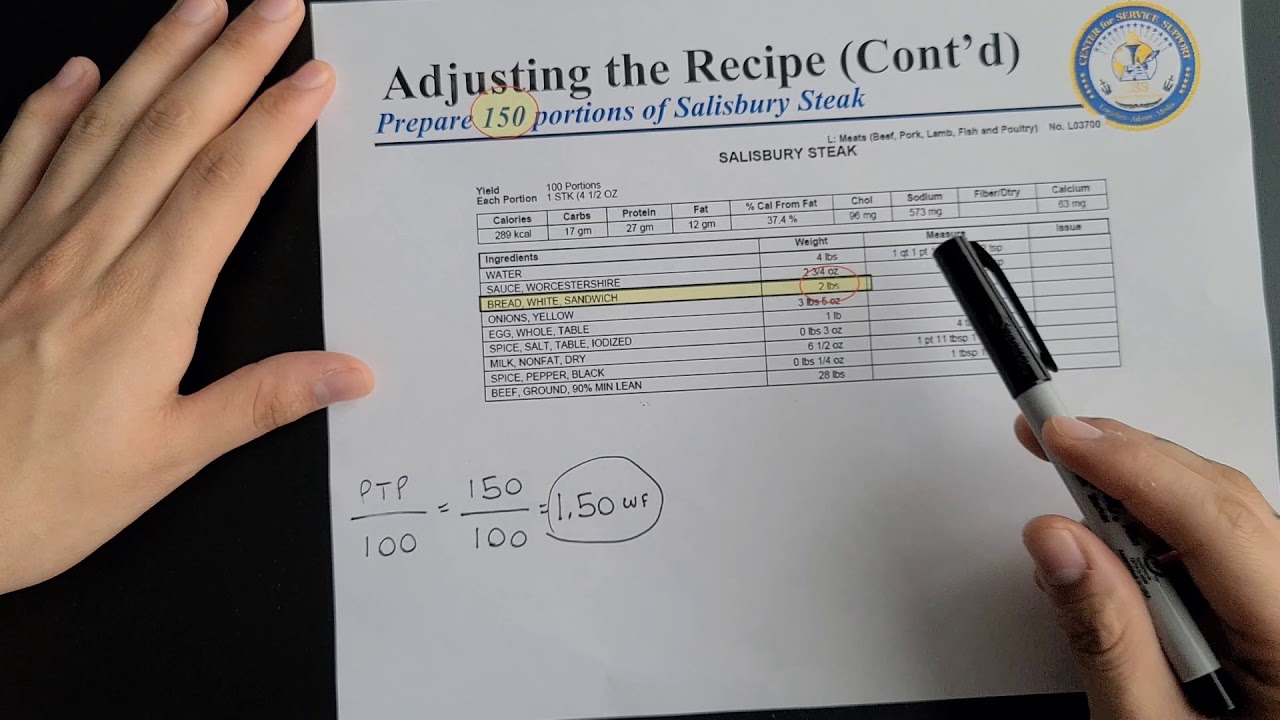
Adjusting recipes for the desired yield means changing the amount of food a recipe makes. This is useful when cooking for fewer or more people than the original recipe suggests. It helps avoid waste and ensures everyone gets enough to eat. Careful adjustments keep the dish tasty and well-balanced.
Scaling Ingredients
Scaling ingredients means increasing or decreasing their amounts in a recipe. Use simple math to multiply or divide each ingredient by the desired factor. Measure carefully to keep the recipe accurate. Small changes can affect the final result, so check the amounts twice.
Maintaining Flavor And Texture
Changing the yield can change the taste and texture of a dish. Some ingredients like spices and salt may need less or more adjustment. Keep the same balance to keep flavors strong and fresh. Watch cooking times too, as they may change with different amounts.
Yield And Cost Control
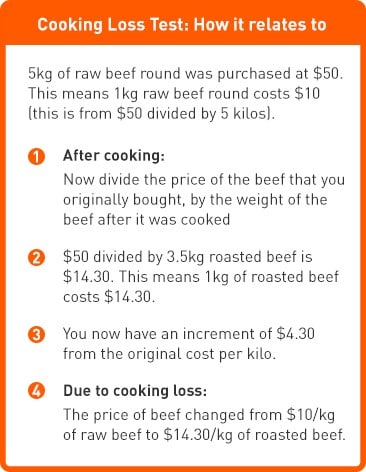
Understanding yield in a recipe helps control costs in the kitchen. Yield means the amount of food a recipe makes. Knowing this helps plan portions and reduce waste. Proper yield management saves money and resources.
Reducing Waste
Reducing waste starts with knowing the exact yield of each recipe. Cook only what you need to serve. Extra food often gets thrown away. Using precise measurements cuts down on leftovers. This practice lowers food waste and saves money.
Budgeting Portions
Budgeting portions means serving the right amount to each person. It ensures no over-serving or under-serving. Consistent portions help control ingredient costs. This approach keeps your kitchen budget steady. Portion control also improves customer satisfaction.
Practical Tips For Perfect Portions
Perfect portions help you serve the right amount of food every time. This keeps meals balanced and reduces waste. Following simple tips can make portioning easier and more accurate. These tips help you stick to the recipe’s yield and keep your cooking consistent.
Using Measuring Tools
Measuring tools like cups, spoons, and kitchen scales make portioning simple. They give precise amounts for ingredients and final servings. Use a kitchen scale to weigh food for accuracy. Measuring cups and spoons help with liquids and small portions. This way, servings match the recipe’s intended yield.
Consistent Serving Sizes
Serving the same size each time keeps guests happy and satisfied. Use scoops or portion spoons to divide food evenly. This helps avoid too much or too little on each plate. Consistent portions also make it easier to track calories and nutrition. Stick to the recipe’s suggested serving size for best results.
Credit: www.unileverfoodsolutions.us
Frequently Asked Questions
What Does Yield Mean In A Recipe?
Yield refers to the total amount of food a recipe produces. It shows servings or quantity, helping you plan portions accurately.
How Is Recipe Yield Calculated?
Recipe yield is calculated by measuring the final cooked product’s weight or volume. It ensures consistent serving sizes for meal planning.
Why Is Knowing Recipe Yield Important?
Knowing yield helps control portion size, manage ingredients, and reduce food waste. It aids in budgeting and meal preparation efficiency.
Can Recipe Yield Affect Nutritional Information?
Yes, yield impacts nutritional values per serving. Accurate yield ensures correct calorie and nutrient calculations for each portion.
Conclusion
Understanding yield helps you plan meals and avoid waste. It shows how much food a recipe makes. This knowledge saves money and time in the kitchen. Always check yield before you start cooking. It guides how many people you can serve.
Yield makes cooking clearer and less stressful. Keep this tip in mind for better cooking results. Simple but useful.
