

Have you ever wondered what “yield” means when you see it in a recipe? Understanding yield can change the way you cook and help you get exactly the right amount of food every time.
Whether you’re cooking for yourself, your family, or a big group, knowing how to read and use yield makes your kitchen experience smoother and less stressful. You’ll discover what yield really means and how it can help you plan your meals better.
Keep reading to unlock this simple secret that can make a big difference in your cooking!
Yield In Recipes
Understanding the yield in a recipe helps you know how much food the recipe will make. It shows the number of servings or the total amount of food produced. This is useful for planning meals and shopping for ingredients. Knowing the yield avoids cooking too much or too little.
Meaning Of Yield
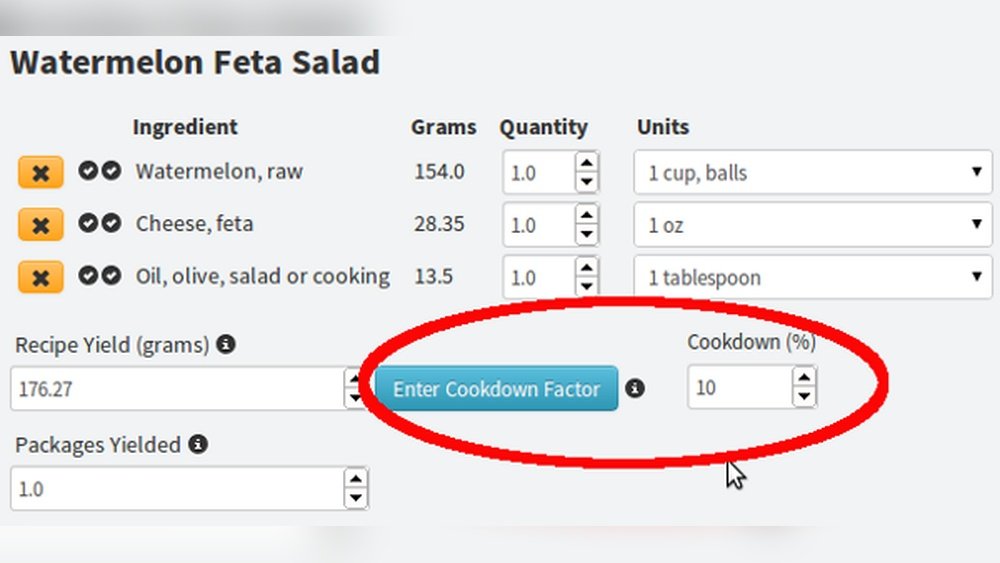
Yield means the total quantity of food made by a recipe. It tells you how many servings you will get. Sometimes, it shows the weight or volume of the finished dish. The yield helps cooks prepare the right amount of food.
Types Of Yield
Recipes can have different types of yield. Some show the number of servings, like 4 or 6 servings. Others show the volume, such as 2 cups or 1 liter. Some recipes list the weight, for example, 500 grams. Each type guides you in measuring and serving food.
Common Yield Terms
Many recipes use common terms to describe yield. “Servings” means how many people the recipe feeds. “Portions” means individual pieces or amounts of food. “Cups” and “tablespoons” are common volume terms. “Grams” and “ounces” are weight terms often used. These terms help you understand the recipe’s output easily.

Credit: www.theculinarypro.com
Why Yield Matters
Yield in a recipe tells you how much food the recipe makes. It matters a lot in cooking and baking. Knowing the yield helps you plan meals better. It also helps control portions and manage costs. This makes cooking easier and less wasteful.
Portion Control
Yield helps you serve the right amount of food. It keeps portions even for everyone. This avoids food waste and overeating. When you know the yield, you can adjust the recipe size. This is useful for small or large groups.
Cost Efficiency
Yield helps you buy the right amount of ingredients. It stops you from buying too much or too little. This saves money and reduces food waste. Knowing yield helps plan meals within your budget. It keeps kitchen costs under control.
Meal Planning
Yield helps you decide how many meals to prepare. It makes it easier to plan weekly menus. You can cook enough food for your family or guests. This avoids last-minute cooking stress. Yield also helps with storing leftovers properly.
How To Calculate Yield
Calculating yield is important to know how much food a recipe makes. It helps plan meals and avoid waste. Yield tells the total servings or quantity produced. Understanding how to calculate yield makes cooking easier and more precise.
Measuring Ingredients
Start by measuring each ingredient carefully. Use cups, spoons, or a kitchen scale for accuracy. Accurate measurements ensure the recipe turns out as expected. Write down the amounts used for reference.
Adjusting Serving Sizes
Decide how many people the recipe should serve. Compare this number to the original recipe yield. Adjust ingredient amounts to match your desired servings. Multiply or divide ingredient quantities based on serving size.
Scaling Recipes
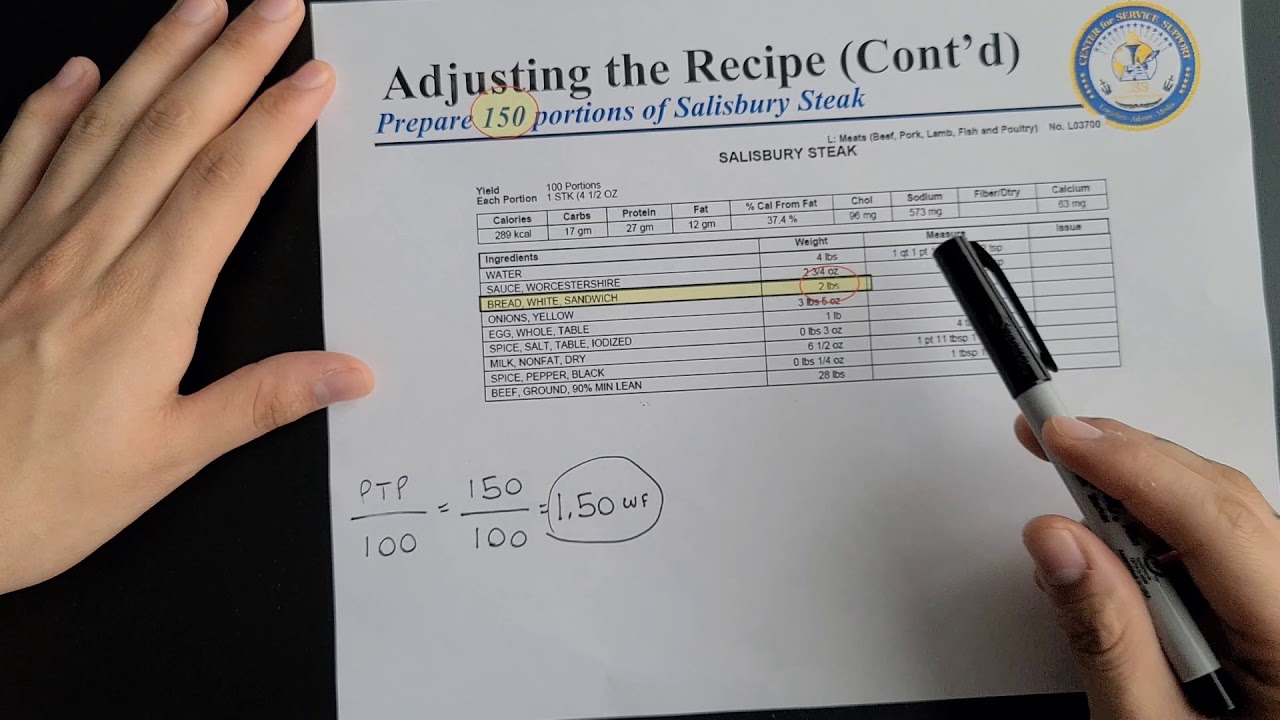
Scaling means increasing or decreasing recipe size. Multiply all ingredient amounts by the same factor. For example, double the recipe to serve twice as many. Check cooking times and equipment for large changes.
Factors Affecting Yield
Yield in a recipe means how much food the recipe makes. The yield can change because of different reasons. Understanding these reasons helps in cooking the right amount. It also helps to avoid waste and save money.
Ingredient Variability
Ingredients can differ in size, weight, and moisture. Fresh vegetables may have more water than frozen ones. Different brands of flour or sugar might have slight differences. These small changes affect the final amount of food. Using consistent ingredients helps keep the yield steady.
Cooking Methods
How you cook affects the yield a lot. Boiling can cause some food to lose water and shrink. Baking may reduce moisture but increase volume from rising. Frying adds oil, which changes weight and texture. Each method changes the final amount you get.
Equipment Impact
Different kitchen tools change cooking results. A large pot may cook food faster than a small one. Oven temperature may vary between models. Sharp knives make cleaner cuts, reducing waste. Using the right tools helps keep the yield close to the recipe’s estimate.
Tips For Accurate Yield
Knowing the yield of a recipe helps in planning meals and servings. Accurate yield means you know how much food the recipe makes. It saves time and avoids waste. Use these tips to get precise results every time.
Using Standard Measurements
Always use standard cups, spoons, and scales. Measuring cups for dry and liquid ingredients differ. Use the right tool for each. Follow the recipe’s measurement units closely. This keeps the yield consistent across attempts.
Weighing Ingredients
Weigh ingredients with a kitchen scale. This is more accurate than measuring by volume. Weighing reduces mistakes and variations in yield. It ensures each ingredient is exact. This step is important for baking and cooking.
Recording Changes
Write down any changes made to the recipe. Note ingredient amounts and cooking times. Record the final yield after cooking. This helps improve accuracy in future tries. Keep a recipe journal for easy tracking.
Credit: www.youtube.com
Common Yield Mistakes
Understanding yield in a recipe is key to cooking the right amount. Many cooks make common mistakes that lead to confusion or food waste. These errors affect meal planning and serving sizes. Learning about them helps you cook smarter and avoid surprises.
Ignoring Shrinkage
Shrinkage happens when food loses weight during cooking. Meat and vegetables often lose water and fat. Recipes may list raw weight, but cooked food weighs less. Ignoring shrinkage causes you to prepare less food than needed. Always consider this to get accurate servings.
Misreading Recipes
Recipes sometimes list yield in servings or weight. Misreading these details leads to wrong portions. Some recipes show yield before cooking, others after. Not noticing this difference causes confusion. Check if the yield is raw or cooked to plan correctly.
Overlooking Leftovers
Leftovers change how much food you serve. Some recipes do not count leftover amounts in yield. Overlooking leftovers means making too much or too little food. Think about how leftovers affect your meal size. Adjust recipes to match your needs better.
Yield And Recipe Sharing
Yield is a key part of sharing recipes. It tells how much food a recipe makes. Knowing the yield helps cooks plan meals and avoid waste. It also makes sharing recipes easier and clearer. Understanding yield means recipes work well for everyone.
Communicating Portions
Yield shows the number of servings a recipe makes. It can be in pieces, cups, or weight. Clear portion size helps cooks serve the right amount. Sharing this info stops confusion about how much food to prepare. It also helps with shopping for ingredients.
Adapting For Groups
Sometimes recipes need changing for bigger or smaller groups. Yield guides how to multiply or divide ingredients. This keeps the taste and texture the same. Knowing yield saves time and avoids guesswork. It helps cooks feed any number of people easily.
Cultural Differences
Yield can mean different things in different cultures. Some count servings by people, others by plates or bowls. Portion sizes may vary from country to country. Recipes with clear yield info respect these differences. This helps cooks cook correctly for diverse groups.

Credit: www.pen2publishing.com
Frequently Asked Questions
What Does Yield Mean In A Recipe?
Yield in a recipe indicates the total quantity or number of servings the recipe produces. It helps plan meal portions and ingredient amounts accurately. Understanding yield ensures you make enough food for your needs without waste or shortage.
How To Calculate Recipe Yield Correctly?
To calculate recipe yield, measure the final quantity of the prepared dish. This can be in servings, weight, volume, or pieces. Accurate measurement after cooking ensures the yield reflects real output, aiding in meal planning and ingredient adjustments.
Why Is Yield Important In Cooking?
Yield is important because it guides portion sizes and ingredient quantities. It helps avoid cooking too much or too little. Yield also assists in cost control, nutritional calculations, and maintaining consistency in recipe results.
Can Recipe Yield Affect Ingredient Adjustments?
Yes, recipe yield directly impacts ingredient adjustments. If you want to increase or decrease servings, you must scale ingredient amounts accordingly. Correct yield understanding helps maintain the recipe’s taste and texture when modifying quantities.
Conclusion
Yield in a recipe tells you how much food you will make. It helps plan meals and servings well. Knowing the yield saves you from cooking too much or too little. You can adjust ingredients based on the yield. This keeps your cooking simple and clear.
Always check the yield before starting a recipe. It makes cooking more organized and less stressful. Understanding yield improves your kitchen experience every time.
