

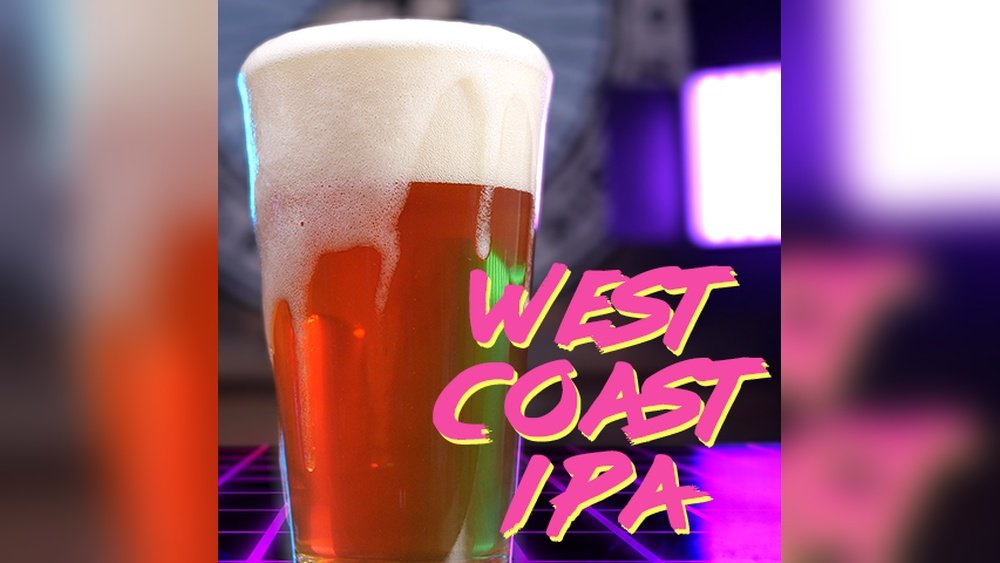
If you love bold, hoppy beers, a West Coast IPA might be your new favorite brew. Imagine pouring a glass filled with bright amber color, bursting with citrus and pine aromas that make your taste buds tingle.
Now, what if you could create that exact experience right in your own home? This West Coast IPA recipe is designed just for you—simple, clear, and packed with tips to help you brew a beer that stands out. Keep reading, and you’ll discover how to master this classic style, impress your friends, and enjoy every sip of your homemade craft beer.

Credit: yakimavalleyhops.com
Ingredients For West Coast Ipa
The ingredients form the heart of a West Coast IPA. Each component shapes its bold flavor and crisp finish. Choosing the right malt, hops, yeast, and water profile is key. These elements work together to create the beer’s classic bitterness and bright aroma.
Selecting Malt Base
The malt base sets the beer’s body and color. Use pale malts like 2-row barley for a clean, light taste. Small amounts of crystal malt add a touch of sweetness. Avoid heavy malts to keep the beer dry and crisp.
Choosing Hops Varieties
Hops give West Coast IPA its signature bitterness and aroma. Use American hops such as Cascade, Centennial, and Citra. These hops offer citrus, pine, and floral notes. Add hops at different stages for balanced bitterness and aroma.
Yeast Strain Options
Yeast affects fermentation and flavor. Use clean fermenting yeast strains like California ale yeast. It produces minimal fruity esters. This keeps the beer sharp and clear, emphasizing hop flavors.
Water Profile Essentials
Water minerals impact taste and mouthfeel. High sulfate levels enhance hop bitterness and dryness. Adjust your water with gypsum to achieve this. Balanced water helps highlight the malt and hop character perfectly.

Credit: homebrewersassociation.org
Equipment Needed
Making a West Coast IPA requires the right tools. Good equipment helps you brew better beer. It also makes the process easier and more fun. This section covers what you need for brewing, fermenting, and bottling your IPA.
Brewing Tools
Start with a large brew kettle. You need one that holds at least 5 gallons. A good thermometer helps keep the temperature right. A long-handled spoon is needed to stir the mash and wort. A strainer or mesh bag keeps grains separate from the liquid. Measuring cups and spoons ensure you add the correct amounts of ingredients. A digital scale helps measure hops and malt precisely.
Fermentation Setup
A fermentation bucket or carboy is essential. Make sure it has an airlock to let gases escape. This prevents contamination while keeping oxygen out. Use a sanitized thermometer to monitor fermentation temperature. A temperature-controlled space helps maintain steady conditions. A hydrometer measures the beer’s sugar level before and after fermentation. This tells you when fermentation is complete.
Bottling And Packaging Gear
You need clean bottles or kegs for your West Coast IPA. A bottle capper seals the bottles tightly. Use sanitized caps to avoid contamination. A bottling wand helps fill bottles without spills. Priming sugar adds carbonation during bottling. Label your bottles for easy identification. Proper packaging protects the beer and keeps it fresh.
Step-by-step Brewing Process
Brewing a West Coast IPA requires careful attention to each step. This process ensures the beer has a clean, crisp taste with bold hop flavors. Follow these steps closely to create a classic West Coast IPA.
Mashing Techniques
Start by heating your water to about 152°F (67°C). Add your crushed malt grains to the water. Stir well to mix the grains and water evenly. Maintain this temperature for 60 minutes. This step converts starches into sugars. After mashing, raise the temperature to 170°F (77°C) for mash out. This stops enzyme activity and makes lautering easier.
Boiling And Hop Additions
Boil the wort for 60 minutes. Add hops at different times during the boil. Begin with bittering hops at the start of the boil. Add flavor hops with 15 minutes left. Finally, add aroma hops in the last 5 minutes. These timed additions create a balanced bitterness and strong hop aroma.
Cooling And Aeration
Cool the boiled wort quickly to about 68°F (20°C). Use a wort chiller or ice bath to speed this up. Cooling fast prevents unwanted bacteria growth. After cooling, aerate the wort by stirring or shaking. Oxygen helps yeast start fermentation strongly.
Fermentation Tips
Transfer the wort to a clean fermenter. Pitch your yeast once the wort is cooled. Keep the fermenter at about 68°F (20°C) for 7 to 10 days. Avoid sudden temperature changes during fermentation. This keeps the flavors clean and crisp. After fermentation, cold crash the beer to clear it before bottling.
Achieving Bold Hop Flavors
Bold hop flavors define a West Coast IPA. These flavors give the beer its sharp, fresh, and lively character. Achieving this boldness needs careful choices in hops and brewing steps. The goal is to highlight the hops’ natural aromas and taste without overpowering the beer.
Hops provide bitterness, aroma, and flavor. Getting the right balance needs control of timing and method. This balance makes the beer crisp and refreshing. The next parts explain key ways to get strong hop flavors in your West Coast IPA.
Dry Hopping Methods
Dry hopping adds hops after boiling and cooling. It boosts hop aroma without adding much bitterness. Using whole leaf hops or pellets works well. Adding hops in stages can increase complexity. Keep the dry hop time short, about 3 to 5 days. Too long can cause grassy flavors. Cold dry hopping preserves fresh hop notes. Avoid oxygen contact to keep flavors clean and bright.
Hop Timing Strategies
Hop timing affects bitterness and flavor. Early hop additions give more bitterness but less aroma. Late additions keep aroma and taste but less bitterness. Use hop stands or whirlpool hopping after boil to extract more flavor. Add hops near the end of boil for bright citrus and pine notes. Experiment with hop schedules for your preferred profile. Timing controls the balance between sharpness and aroma.
Balancing Bitterness
Bitterness should support hop flavors, not hide them. Use bittering hops early in the boil to set the base. Avoid too much bitterness to keep drinkability. Measure bitterness with IBU to stay in West Coast IPA range. Balance bitterness with malt sweetness to avoid harshness. Taste test batches to find the right bitterness level. Proper balance makes the beer bold and smooth.
Troubleshooting Common Issues
Troubleshooting common issues in your West Coast IPA recipe helps improve your brew. Problems can arise at different stages, from fermentation to packaging. Knowing how to fix these issues can save time and improve taste. This section covers off-flavors, clarity, sediment, and carbonation problems.
Off-flavors Solutions
Off-flavors can spoil your IPA’s crisp and bitter profile. Check fermentation temperature. Too warm or too cold can cause unwanted tastes. Keep it steady between 65-70°F. Use fresh yeast and proper pitching rates. Avoid oxygen exposure after fermentation to prevent stale flavors. Clean and sanitize all equipment thoroughly. It reduces contamination risks that cause off-flavors.
Clarity And Sediment Control
West Coast IPAs should be clear and bright. Cloudiness or sediment often bothers brewers. Cold crash your beer before bottling. This helps yeast and proteins settle at the bottom. Use fining agents like gelatin or isinglass to improve clarity. Avoid shaking bottles after fermentation. Gentle handling reduces sediment disturbance. Proper filtration can also help if cloudiness persists.
Carbonation Problems
Carbonation affects the mouthfeel and aroma of your IPA. Low carbonation may result from under-priming or poor yeast health. Measure priming sugar carefully. Use fresh yeast or bottle condition at the right temperature. High carbonation can cause over-foaming. This happens with too much sugar or warm storage. Store bottles at 65-70°F for 2-3 weeks to carbonate well. Test one bottle before storing all.
Serving And Pairing Ideas
Serving your West Coast IPA with care enhances its bright flavors and crisp finish. The right presentation and pairing bring out the best taste in every sip. Simple steps can make your IPA drinking experience more enjoyable.
Glassware Choices
Choose a glass that shows off the beer’s color and aroma. A tulip glass or a classic pint glass works well. These glasses help keep the beer’s head and release its hoppy scent. Avoid wide or shallow glasses that lose aroma quickly.
Food Pairings
West Coast IPA pairs well with bold, spicy foods. Try it with grilled burgers, spicy tacos, or sharp cheeses. The beer’s bitterness cuts through rich, greasy dishes. It also matches well with seafood like shrimp or fish tacos. The hop flavors balance spicy and salty tastes perfectly.
Storage Tips For Freshness
Keep your West Coast IPA fresh by storing it in a cool, dark place. Avoid heat and sunlight which spoil the hops. Refrigerate once opened and drink within a few days. Freshness keeps the beer crisp and full of flavor.

Credit: homebrewacademy.com
Frequently Asked Questions
What Ingredients Are Essential For A West Coast Ipa Recipe?
A West Coast IPA requires pale malt, crystal malt, and a high amount of hops. Popular hops include Cascade, Centennial, and Simcoe. Yeast should be a clean, American ale strain. Water profile should be balanced with moderate sulfate for hop bitterness.
How Long Should I Ferment A West Coast Ipa?
Fermentation typically lasts 7 to 14 days. Primary fermentation occurs at 65-70°F for clean yeast activity. After fermentation, a short cold crash or dry hopping phase enhances aroma and flavor. Proper timing ensures clarity and balanced bitterness.
What Hop Additions Suit A West Coast Ipa Best?
Use aggressive late and dry hop additions for aroma and bitterness. Common choices are Cascade, Amarillo, and Citra. Early boil hops add bitterness; late boil and dry hops maximize aroma. Balancing hop timing is key to a classic West Coast IPA.
Can I Brew West Coast Ipa With Extract Or All-grain Methods?
Yes, both extract and all-grain methods work well. All-grain offers more control over malt profile and water chemistry. Extract brewing is simpler and faster but may lack some depth. Adjust hopping to maintain the distinct West Coast IPA bitterness.
Conclusion
Crafting a West Coast IPA brings great joy and flavor. This recipe uses simple steps anyone can follow. The balance of hops and malt creates a bold taste. Brewing at home lets you enjoy fresh, tasty beer. Experiment with ingredients to find your perfect blend.
Share your creation with friends and family. Brewing is fun, rewarding, and full of learning. Try this recipe and enjoy your own West Coast IPA.
