


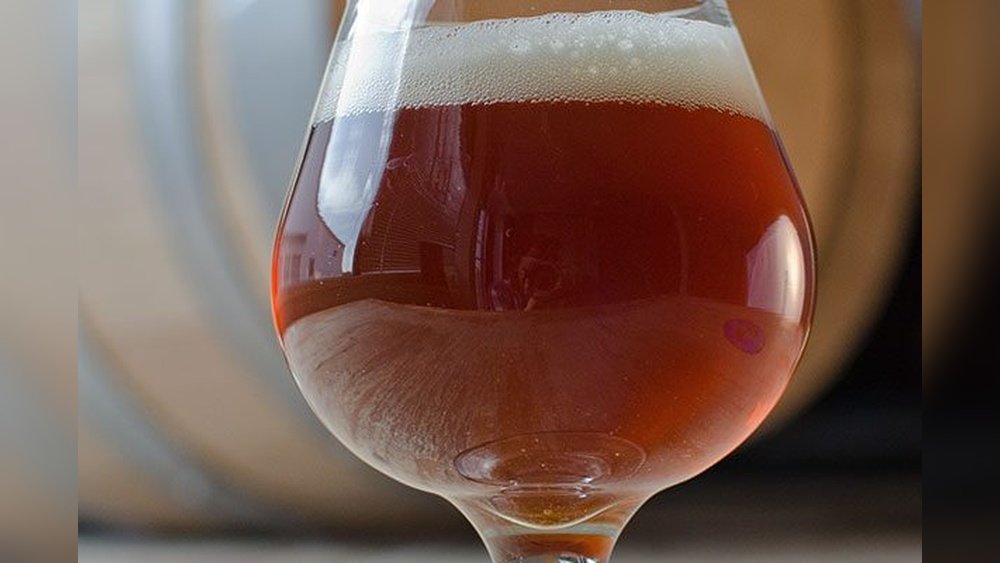
If you love rich, bold flavors in your beer, the Wee Heavy recipe is exactly what you need to try next. This Scottish-style ale is known for its deep malt character and smooth, warming finish.
Whether you’re a homebrewer looking to craft something special or just curious about what makes a Wee Heavy stand out, this guide will walk you through everything. By the end, you’ll have all the tips and tricks to brew a beer that’s both strong and satisfying.
Ready to impress your taste buds and your friends? Let’s dive in.
History Of Wee Heavy Ale
Wee Heavy Ale has a rich past that traces back centuries. This strong Scottish beer is known for its deep flavors and warming effect. Its history reveals a lot about Scotland’s brewing culture and traditions.
The story of Wee Heavy Ale shows how beer can reflect a region’s heritage. It highlights old techniques and the evolution of tastes over time. Understanding this history adds depth to every sip of Wee Heavy.
Origins In Scotland
Wee Heavy Ale began in Scotland, where harsh winters demanded stronger drinks. It was brewed to be thick, rich, and high in alcohol. The name “Wee Heavy” means small but strong in Scottish slang.
Scottish brewers crafted this ale to provide warmth and energy. It was a favorite among workers and farmers. The style quickly became a symbol of Scottish brewing pride.
Traditional Brewing Methods
Traditional brewing of Wee Heavy uses malted barley and water from local springs. Brewers used long mashing times to extract deep flavors. The beer was fermented slowly to develop complex tastes.
Oak casks often stored the ale, adding subtle smoky notes. The brewing process focused on quality, patience, and skill. These methods gave Wee Heavy its unique character.
Evolution Over Time
Wee Heavy Ale has changed with modern brewing technology. Brewers now use new equipment but keep the old recipes alive. The style remains strong, malty, and full-bodied.
Today, Wee Heavy enjoys popularity worldwide. Craft brewers experiment with hops and aging techniques. Still, the heart of Wee Heavy stays true to its Scottish roots.
Key Characteristics
The key characteristics of a Wee Heavy recipe reveal what makes this beer style special. Each element shapes the drinking experience. Understanding these traits helps brewers and drinkers appreciate its unique qualities.
Flavor Profile
Wee Heavy has a rich, malty flavor with sweet notes. Caramel, toffee, and dark fruit hints stand out. Bitterness is low, allowing malt flavors to shine. The taste is smooth and full-bodied, with a warming finish.
Alcohol Content
This beer typically has a higher alcohol content than regular ales. It usually ranges between 6.5% and 10% ABV. The alcohol adds warmth but stays balanced with the malt sweetness. It makes the beer feel strong but not harsh.
Appearance And Aroma
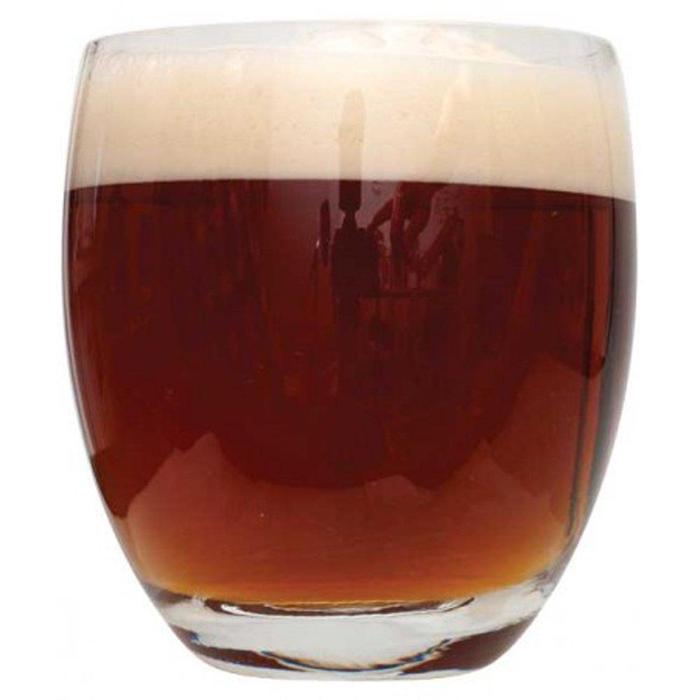
Wee Heavy pours a deep amber to dark brown color. Its thick, creamy head lasts well. The aroma is malty and sweet, with notes of caramel and dark fruit. Some versions carry subtle hints of smoke or spice.
Essential Ingredients
The foundation of a great Wee Heavy recipe lies in its essential ingredients. Each component shapes the flavor, color, and body of this strong Scottish ale. Choosing the right ingredients ensures a rich and balanced brew.
Malt Selection
Malt creates the sweet, malty backbone of Wee Heavy. Use pale malt as the base. Add caramel and roasted malts for color and depth. These malts bring flavors of toffee, caramel, and dark fruit. The malt should be rich but not overly bitter. Quality malt helps build the beer’s full body.
Yeast Strains
Yeast gives Wee Heavy its character and aroma. Use a Scottish ale yeast or English ale yeast. These strains produce fruity esters and mild spice notes. The yeast ferments slowly, helping create a smooth finish. Proper yeast choice balances sweetness and alcohol warmth.
Hops And Water
Hops add subtle bitterness and aroma to Wee Heavy. Choose mild, earthy, or floral hops like East Kent Goldings. Keep hop bitterness low to highlight malt flavors. Water should be soft or slightly alkaline. This water profile supports malt sweetness and helps yeast perform well.

Credit: homebrewacademy.com
Step-by-step Brewing Process
Brewing a Wee Heavy beer is a rewarding process. It requires patience and attention to detail. Follow these steps for a rich, smooth brew that captures the true spirit of this classic style.
Mashing And Lautering
Start by heating your water to the right temperature, about 150°F (65°C). Add your crushed malt to the water and stir well. This step, called mashing, converts starches into sugars.
Hold this temperature for 60 minutes to ensure full conversion. Then, slowly drain the liquid from the grains in a process called lautering. This liquid is your sweet wort, full of flavors.
Boiling And Hopping
Bring the wort to a rolling boil. Add your hops early for bitterness. This balances the malt’s sweetness.
Boil for about 60 to 90 minutes. Add some hops later for aroma and flavor. Keep the boil steady to concentrate the flavors.
After boiling, quickly cool the wort to yeast-friendly temperatures, around 70°F (21°C).
Fermentation Tips
Transfer the cooled wort into a clean fermenter. Add yeast and seal with an airlock. Keep the temperature steady, between 65-70°F (18-21°C).
Fermentation usually takes one to two weeks. Avoid moving the fermenter to prevent disturbing the yeast. After fermentation, condition your beer for a few weeks for better taste and clarity.
Tips For Enhancing Richness
Enhancing the richness of your Wee Heavy recipe can transform your brew into a deep, flavorful delight. Small changes in ingredients and process can build layers of taste and texture. These tips focus on key areas that influence the beer’s fullness and complexity.
Adjusting Malt Bill
Use a higher proportion of specialty malts like crystal or chocolate malt. They add sweetness and depth. Mixing different types of malt creates a complex malt profile. Avoid using too many light malts, which may thin the body. Experiment with small amounts to find the right balance.
Yeast Management
Select yeast strains known for producing rich, malty flavors. Maintain proper fermentation temperatures to avoid off-flavors. Healthy yeast ferments more completely, improving mouthfeel. Use a yeast starter to ensure strong fermentation. Avoid stressing yeast to keep flavors clean and full.
Aging And Conditioning
Age your Wee Heavy in a cool, dark place for several weeks. This allows flavors to meld and mellow. Longer conditioning softens harsh alcohol notes and enhances smoothness. Use glass or stainless steel containers to avoid unwanted flavors. Patience is key for a richer final beer.
Credit: www.northernbrewer.com
Common Challenges And Fixes
Brewing a Wee Heavy can be a rewarding experience. Still, some common challenges may arise during the process. Understanding these issues helps improve your final brew. Below are typical problems and easy fixes for better results.
Off-flavors Troubleshooting
Off-flavors often come from fermentation errors or ingredient issues. A sour or metallic taste may mean poor sanitation. Always clean and sanitize your equipment well. A grassy or vegetal flavor can result from using unripe hops. Check your hop quality before brewing. Sometimes, off-flavors develop from fermentation temperature too high. Keep the yeast within the recommended range. Use fresh yeast to avoid unwanted tastes.
Achieving Proper Carbonation
Carbonation affects the mouthfeel and taste of your Wee Heavy. Too little carbonation makes the beer flat. Too much causes excessive fizz or bottle bombs. Measure your priming sugar carefully. Use a priming calculator for accuracy. Bottle conditioning should happen at a stable temperature. Avoid extreme heat or cold during this time. Patience is key; carbonation can take weeks.
Maintaining Consistency
Consistency is vital for brewing the same great beer each time. Record every step of your process. Note down ingredients, temperatures, and timings. Use the same water source and malt batch. Control fermentation temperature carefully. Clean and maintain your brewing tools regularly. Small changes can cause big flavor differences.
Serving Suggestions
Serving your Wee Heavy beer right can enhance its rich and smooth flavors. The way you serve it affects the whole drinking experience. This section covers the best glassware, food pairings, and storage tips for Wee Heavy.
Ideal Glassware
Use a snifter or tulip glass for Wee Heavy. These glasses hold the beer’s aroma well. The wide bowl helps release rich scents. The narrow top keeps the flavors concentrated. Pour slowly to keep a nice head. This glass style highlights the beer’s strong malt character.
Food Pairings
Wee Heavy pairs well with hearty meals. Try it with roasted meats like beef or lamb. Rich stews and grilled sausages also work great. Strong cheeses like aged cheddar or blue cheese match the beer’s bold taste. Dark chocolate desserts can balance its sweetness. These foods complement the beer without overpowering it.
Storage Recommendations
Store Wee Heavy in a cool, dark place. Keep bottles upright to avoid oxidation. Avoid temperature changes to preserve flavor. A cellar or fridge works well. Drink within a year for best taste. Proper storage keeps the beer fresh and enjoyable.

Credit: www.clawhammersupply.com
Exploring Variations
The Wee Heavy recipe has many ways to change the taste and style. Exploring these variations makes the brewing fun. Each version has its own charm and flavor.
Small changes can bring new life to this classic beer style. Let’s look at some popular ways to vary the recipe.
Modern Twists
Modern twists add fresh ideas to the traditional Wee Heavy. Brewers add unexpected ingredients like spices or fruit. Some use new types of malt for richer flavors. Others change the yeast to give a different finish. These twists keep the beer exciting and unique.
Regional Differences
Different regions have their own Wee Heavy styles. Scotland’s versions focus on deep malt flavors and smooth sweetness. American brewers often make it stronger and hoppier. Each place uses local ingredients to create a distinct taste. These differences reflect local traditions and preferences.
Experimenting With Ingredients
Experimenting with ingredients can change the beer’s flavor and color. Using smoked malt adds a bold, smoky taste. Adding caramel malt gives a sweet, rich body. Some try honey or molasses for extra depth. Small ingredient changes can make a big difference.
Frequently Asked Questions
What Is A Wee Heavy Beer Style?
Wee Heavy is a strong Scottish ale with rich malt flavors. It has a sweet, caramel taste and a smooth finish. This beer style is known for its deep amber color and higher alcohol content, typically between 6. 5% and 10% ABV.
How Do You Brew A Wee Heavy Beer?
Brewing Wee Heavy involves using pale malt, caramel malts, and roasted barley. Mash temperature is usually higher to enhance sweetness. Fermentation uses Scottish yeast strains. The beer is aged longer to develop complex flavors and smoothness, resulting in a rich, malty brew.
What Ingredients Are Essential For Wee Heavy?
Key ingredients include pale malt, crystal malt, and roasted barley. Scottish ale yeast is crucial for authentic flavor. Water profile is soft to moderate hardness, emphasizing malt sweetness. Hops are used sparingly to balance sweetness without overpowering malt character.
How Long Should Wee Heavy Be Aged?
Wee Heavy benefits from aging 4 to 8 weeks. Aging mellows harsh alcohol notes and enhances malt complexity. Longer aging softens flavors and creates a smoother, richer beer. Proper storage at cool temperatures is essential during this period.
Conclusion
This Wee Heavy recipe offers rich, bold flavors you will enjoy. Brewing it at home is simple and rewarding. Taste the deep malt and subtle sweetness in every sip. Share your creation with friends for great moments together. Try this recipe and explore the world of strong Scottish ales.
A warm, smooth drink perfect for quiet evenings. Give it a go, and enjoy your brewing journey!
