


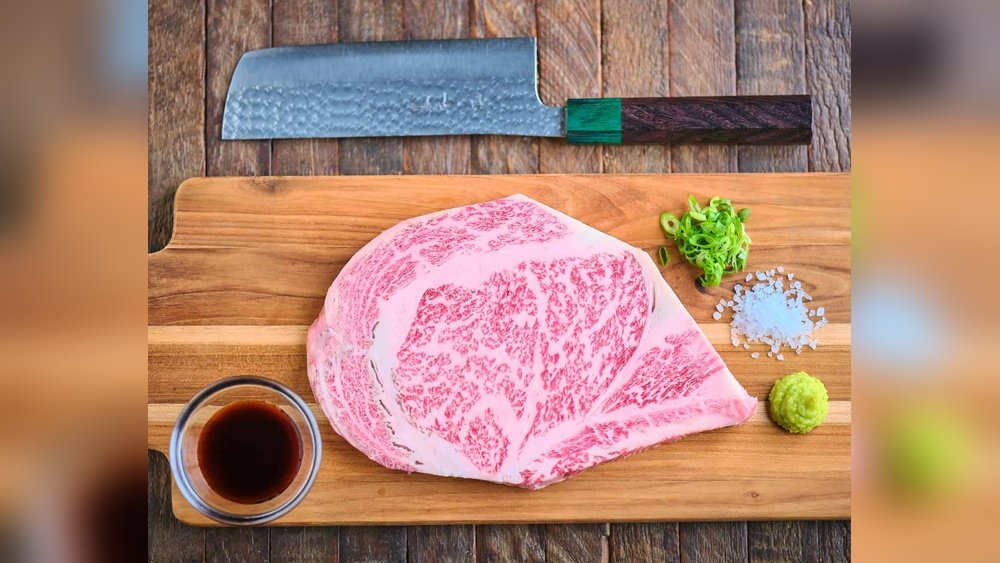
If you want to treat yourself to a steak like no other, a Wagyu Ribeye Steak is the answer. Its rich marbling and tender texture promise a flavor experience you won’t forget.
But cooking Wagyu right can be tricky, and that’s where this recipe comes in. You’ll learn simple steps to bring out the best in this premium cut, making your meal juicy, flavorful, and restaurant-quality. Ready to impress your taste buds and anyone you serve?
Keep reading to discover the secrets behind the perfect Wagyu Ribeye Steak.
Selecting Wagyu Ribeye
Selecting the right Wagyu ribeye is key to a delicious steak. This cut is prized for its tenderness and rich flavor. Choosing the best piece ensures a perfect cook and great taste. Understanding grades, freshness, and thickness helps you pick the ideal steak.
Each factor affects how the steak cooks and tastes. Let’s explore these details to guide your choice.
Grades And Marbling
Wagyu beef is famous for its marbling. Marbling means fat spread inside the meat. More marbling means a softer, juicier steak. Wagyu grades show the marbling level. Higher grades have more fat and better flavor. Look for A4 or A5 grades for top quality. These grades offer the best tenderness and taste.
Fresh Vs. Frozen Cuts
Fresh Wagyu ribeye gives the best texture and flavor. It cooks evenly and stays juicy. Frozen cuts can lose some moisture and taste. But freezing helps keep the meat safe for longer. If buying frozen, thaw it slowly in the fridge. Avoid refreezing to keep quality high. Fresh is best, but frozen is okay if handled well.
Choosing The Right Thickness
Thickness affects cooking time and final taste. Thicker steaks stay juicy inside after searing. A ribeye about 1 to 1.5 inches thick is ideal. Thin cuts cook fast but can dry out easily. Thick cuts allow a nice crust outside and tender center. Choose thickness based on your cooking style and taste preference.
Credit: www.nuggetmarket.com
Prepping The Steak
Preparing Wagyu ribeye steak properly makes a big difference. It helps the meat cook evenly and taste better. Taking time before cooking improves the texture and flavor. Follow these simple steps to get the best results.
Bringing To Room Temperature
Take the steak out of the fridge at least 30 minutes before cooking. Cold meat cooks unevenly and can stay tough inside. Letting it sit at room temperature helps the heat reach the center. This step ensures a juicy and tender steak.
Seasoning Techniques
Use simple seasonings like salt and pepper to enhance the natural flavor. Apply salt evenly on both sides and let it sit for a few minutes. This draws out moisture, creating a nice crust when cooked. Add pepper just before cooking to keep its aroma fresh.
Resting Before Cooking
After seasoning, let the steak rest for 10 to 15 minutes. This allows salt to penetrate the meat. Resting also helps the steak keep its juices during cooking. Avoid rushing this step for a better taste and texture.
Cooking Methods
Cooking Wagyu ribeye steak needs care and the right method. The goal is to keep the steak juicy and full of flavor. Each cooking method brings out a different texture and taste. Choose the method that fits your tools and taste.
Pan-seared Perfection
Start with a hot pan to get a nice crust. Use a heavy skillet like cast iron. Add a little oil with a high smoke point. Sear the steak for 2-3 minutes on each side. Lower the heat and cook until the steak reaches your preferred doneness. Let the steak rest before cutting to keep juices inside.
Grilling Tips
Preheat your grill to high heat. Clean and oil the grates to prevent sticking. Place the steak on the grill and cook 3-4 minutes each side. Watch for flare-ups from the fat. Use a meat thermometer to check the temperature. Rest the steak to lock in the flavor.
Using A Sous Vide
Seal the steak in a vacuum bag with seasoning. Cook it in a water bath at a low, steady temperature. This method ensures even cooking from edge to center. After sous vide, quickly sear the steak in a hot pan for color. Rest briefly, then serve for tender and juicy results.
Achieving Ideal Doneness
Achieving the perfect doneness for Wagyu ribeye steak is key to enjoying its rich flavor and tender texture. This steak cooks faster than regular cuts because of its high fat content. Knowing how to check doneness and when to rest the meat ensures every bite is juicy and delicious.
Temperature Guide
Use a meat thermometer to check the steak’s internal temperature. For rare, aim for 120°F to 125°F. Medium-rare should be 130°F to 135°F. Medium cooks at 140°F to 145°F. Avoid going beyond 150°F to keep the steak tender. High heat can melt the fat too quickly.
Checking Doneness
Press the steak gently with your finger or tongs. Rare feels soft and squishy. Medium-rare is firmer but still springy. Medium feels firm and bounces back slowly. Overcooked steak feels very firm. Use this touch test with the thermometer to be sure.
Resting After Cooking
Let the steak rest for 5 to 10 minutes after cooking. Resting helps the juices spread inside the meat. Cut too soon, and the juice will run out. Cover the steak loosely with foil to keep it warm. This step makes every bite tender and flavorful.
Enhancing Flavor
Enhancing the flavor of Wagyu ribeye steak makes every bite special. This steak already has rich marbling. Still, careful cooking steps bring out deeper taste and texture. Simple methods help highlight its natural juiciness and tenderness. Focus on techniques that add layers of flavor without overpowering the meat.
Use fat and herbs to build a savory profile. Finish with sauces that complement but do not cover the steak’s richness. Each step matters for a balanced, mouthwatering result.
Butter Basting
Butter basting adds a silky texture and rich taste. Melt butter in the pan with the steak. Spoon the hot butter over the meat repeatedly. This process locks in juices and builds a golden crust. Butter carries subtle flavors deep into the steak.
Herbs And Aromatics
Fresh herbs and aromatics lift the steak’s flavor. Use rosemary, thyme, or garlic. Place them in the pan during cooking. Their scent mixes with the butter and beef fat. This blend creates a fragrant, savory aroma that enhances the taste.
Finishing Sauces
Finishing sauces add a final flavor boost. Choose simple sauces like a red wine reduction or a light chimichurri. These sauces add brightness and contrast. Avoid heavy sauces that mask the steak’s natural taste. A good sauce balances and refreshes the palate.
Serving Suggestions
Serving Wagyu ribeye steak is an experience to enjoy fully. The rich flavor and tender texture deserve thoughtful pairing. Choosing the right sides, drinks, and presentation enhances every bite.
Side Dishes Pairing
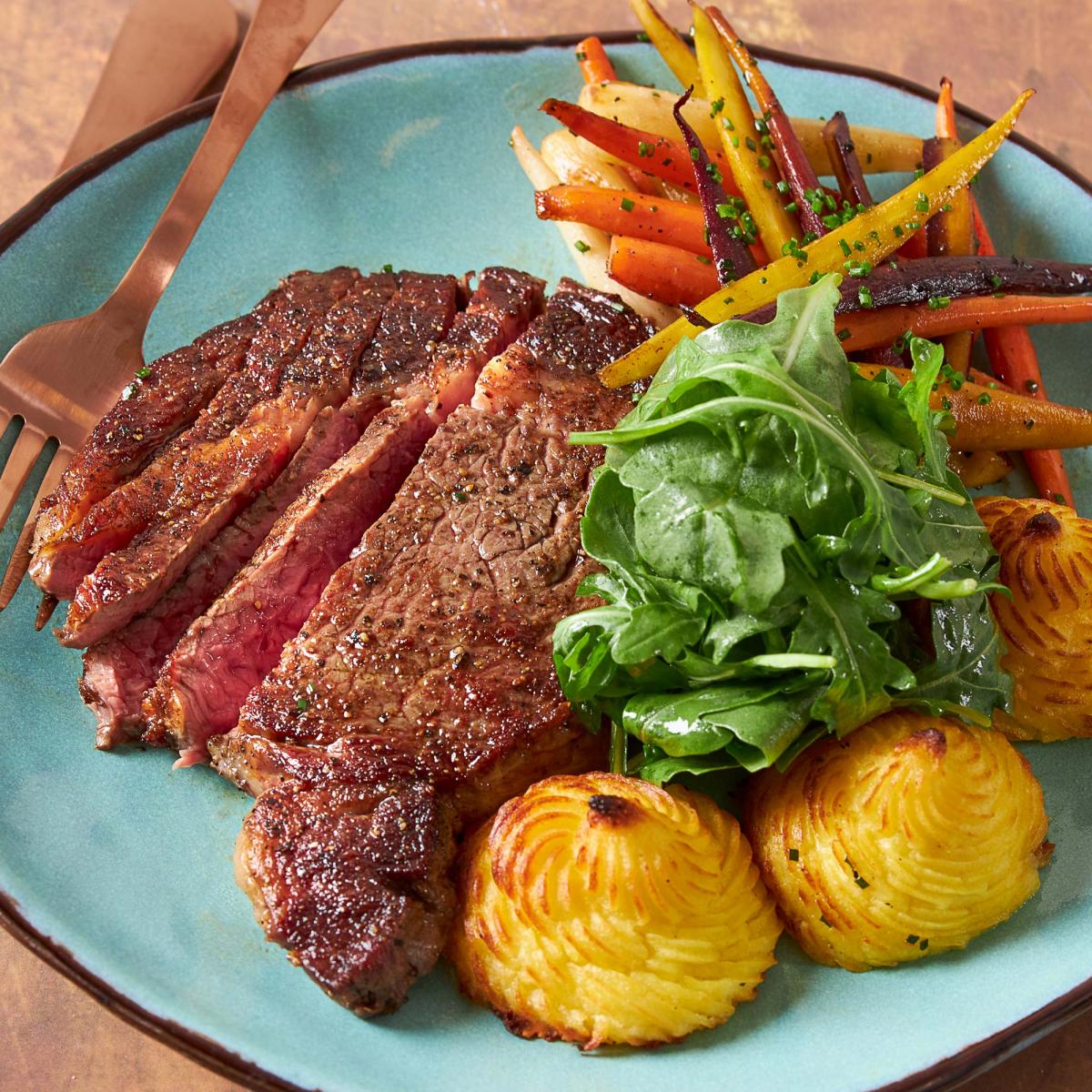
Simple sides work best with Wagyu ribeye. Try roasted vegetables like asparagus or carrots. A light salad with fresh greens adds balance. Creamy mashed potatoes or garlic butter mushrooms complement the steak’s richness. Keep sides mild to let the steak shine.
Wine And Beverage Choices
Red wines suit Wagyu ribeye perfectly. Cabernet Sauvignon’s bold taste matches the steak’s richness. Merlot offers a softer, fruity flavor that pairs well. For non-wine drinkers, try a rich dark beer or sparkling water with lemon. These drinks refresh the palate between bites.
Plating Tips
Present the steak simply on a warm plate. Slice against the grain for easy eating. Arrange sides neatly around the meat. Add a sprig of rosemary or thyme for color. Avoid overcrowding to keep the focus on the steak.
Common Mistakes To Avoid
Cooking Wagyu ribeye steak can be a delicious experience. Avoiding common mistakes helps keep the steak tender and flavorful. Many people make simple errors that ruin this special cut. Knowing these mistakes improves your cooking results.
Overcooking Risks
Wagyu ribeye has a lot of fat inside. Cooking it too long melts the fat away. The steak can become dry and tough. Aim for medium-rare or medium to keep it juicy. Use a meat thermometer to check the temperature. Remove the steak from heat before it gets too hot.
Improper Seasoning
Wagyu ribeye needs simple seasoning. Too much salt or spices hide its natural flavor. Use salt and pepper lightly. Season both sides just before cooking. This keeps the taste rich and balanced. Avoid heavy marinades that cover the meat’s aroma.
Skipping Rest Periods
Resting the steak after cooking is important. It lets the juices spread inside the meat. Cutting too soon causes the juices to run out. Rest the steak for about 5 to 10 minutes. Cover it lightly with foil to keep warm. This step makes the steak tender and moist.

Credit: seekinggoodeats.com

Credit: seekinggoodeats.com
Frequently Asked Questions
What Makes Wagyu Ribeye Steak Special?
Wagyu ribeye is prized for its intense marbling, tenderness, and rich flavor. The fat melts during cooking, creating a juicy, buttery texture. It offers a unique, luxurious eating experience unlike other steaks.
How Do I Cook Wagyu Ribeye Steak Perfectly?
Cook Wagyu ribeye on high heat for a short time to preserve juices. Use a cast-iron skillet or grill. Avoid overcooking; medium-rare is ideal to enjoy its tenderness and flavor fully.
Should I Season Wagyu Ribeye Before Cooking?
Season lightly with salt and pepper to enhance natural flavors. Avoid heavy marinades or spices that overpower the delicate taste. Simple seasoning lets the steak’s rich, buttery profile shine.
What Sides Pair Well With Wagyu Ribeye Steak?
Light, fresh sides like grilled vegetables, mashed potatoes, or a simple salad complement Wagyu ribeye. They balance the steak’s richness without overshadowing its flavor.
Conclusion
Wagyu ribeye steak cooks quickly and tastes rich. Simple steps create a juicy, tender result. Use fresh ingredients and watch the steak closely. Serve it hot for the best flavor. Enjoy a special meal made at home. This recipe brings a touch of luxury to your table.
Try it soon and savor every bite.
