



If you’ve ever wondered how to make a drink that’s both rich in history and bursting with natural sweetness, Viking mead is the answer. This ancient honey wine was a favorite among the fierce Norse warriors, and now you can bring a taste of that legend right into your own home.
Imagine sipping a glass of golden mead that you made yourself—smooth, flavorful, and crafted with simple ingredients. You’ll discover an easy Viking mead recipe that anyone can follow. Ready to impress your friends and enjoy a truly unique drink? Keep reading, because your mead-making adventure starts here.
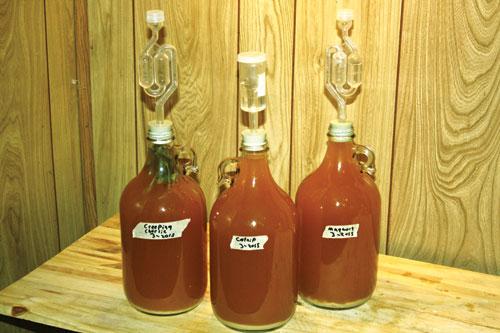
Credit: www.backwoodshome.com
History Of Viking Mead
Mead was a popular drink among Vikings. It was more than just a drink. It held a deep place in their culture and daily life.
Viking mead was a symbol of celebration and strength. It was enjoyed during feasts, ceremonies, and special occasions. This honey-based drink connected people and gods.
Mead In Viking Culture
Vikings believed mead gave them courage and wisdom. Warriors drank it before battles. It helped them feel brave and strong.
Mead was also part of religious rituals. Vikings offered it to their gods to ask for blessings. It was a sacred drink in many stories and myths.
Feasts with mead were common. People shared stories and songs. Mead made gatherings lively and joyful.
Traditional Ingredients
The basic ingredient of Viking mead was honey. It was collected from wild bees in forests.
Water mixed with honey created the sweet base. Sometimes herbs and spices were added for flavor.
Yeast helped to ferment the mixture. This process turned it into alcohol. Vikings used natural ingredients found nearby.
Essential Ingredients
Making Viking mead starts with choosing the right ingredients. These basics affect taste and quality. Use good ingredients to make mead that feels true to Viking tradition. Each element plays a special role. Let’s explore what you need to craft your own Viking mead.
Types Of Honey
Honey is the heart of mead. Different honeys give different flavors. Clover honey is sweet and light. Wildflower honey adds a floral touch. Heather honey gives a rich, earthy taste. Use pure, raw honey for best results. Avoid processed honey with added sugars or chemicals.
Water Quality
Water makes up most of your mead. Use clean, fresh water without strong smells or tastes. Filtered or spring water works well. Avoid tap water with chlorine or heavy minerals. Good water keeps the mead smooth and clean. It helps yeast work better too.
Yeast Selection
Yeast turns honey and water into mead. Choose yeast that fits the style you want. Wine yeast works well for sweet and strong meads. Champagne yeast creates a dry, crisp finish. Ale yeast can give fruity notes. Healthy yeast leads to better fermentation and flavor.
Optional Flavorings
Flavorings add character to Viking mead. Herbs like juniper or rosemary bring a piney taste. Spices such as cinnamon and cloves add warmth. Fruits like berries or apples add sweetness and color. Use these carefully to keep the mead balanced. They should enhance, not overpower, the honey.
Equipment Needed
Preparing Viking mead takes some specific tools. Using the right equipment helps make the process smooth and safe. It ensures good taste and quality in your final brew. Below are the key tools you need to start making Viking mead.
Fermentation Vessels
Fermentation vessels hold the mead as it turns from juice to alcohol. Glass carboys or food-grade plastic buckets work well. Glass is easy to clean and does not react with the mead. Plastic is lighter and less fragile but must be food safe. Choose vessels with an airlock to let gas out and keep air and bugs away.
Measuring Tools
Measuring tools help get the right balance of ingredients. A kitchen scale measures honey and other solids accurately. A hydrometer checks sugar levels and tracks fermentation progress. Use a thermometer to keep the must at the right temperature. Proper measuring keeps the mead tasty and avoids spoilage.
Sanitization Supplies
Sanitizing all tools is key to avoid bad bacteria in mead. Use food-safe sanitizer for buckets, spoons, and airlocks. Clean everything before and after use. Even small germs can ruin your mead batch. Keep your workspace clean and wash your hands well.
Step-by-step Brewing Process
The Viking mead brewing process is simple and rewarding. Follow clear steps to create this ancient honey wine. Each stage shapes the flavor and strength of your mead. Patience and care bring the best results.
Preparing The Must
Start by mixing honey with warm water. Stir gently to dissolve the honey fully. The mixture is called the must. Check the temperature; it should be around 70°F (21°C). Too hot water can kill the yeast later.
Adding Yeast
Choose a good mead or wine yeast. Sprinkle it evenly over the must’s surface. Let the yeast soak for 10 minutes before stirring. This helps the yeast wake up and start working.
Primary Fermentation
Pour the must into a clean fermentation container. Cover it with an airlock or cloth to allow gases to escape. Store it in a dark, cool place between 60-75°F (16-24°C). Fermentation usually takes two to four weeks.
Racking And Secondary Fermentation
After primary fermentation, transfer the mead off the sediment. Use a siphon to avoid disturbing the yeast cake. This is called racking. Place the mead in a new, clean container. Let it ferment again for several weeks to improve clarity and flavor.
Bottling
Once fermentation is complete, sanitize your bottles and equipment. Carefully siphon the mead into bottles, leaving sediment behind. Seal the bottles with corks or caps. Store them in a cool, dark place to age for at least a few months.
Tips For Best Results
Making Viking mead is a rewarding process. Small details can change your final taste. Follow these tips for the best results. They help ensure your mead is smooth and clear. Pay attention to each step for a better brew.
Temperature Control
Keep your mead at a steady temperature. Ideal range is between 60 and 75 degrees Fahrenheit. Too hot or cold slows yeast activity. Use a thermometer to check often. A cool, dark place works well for fermentation.
Avoiding Contamination
Clean everything before use. Wash jars, utensils, and hands thoroughly. Use sanitized tools to prevent unwanted germs. Cover your mead with a breathable cloth or airlock. This stops dust and bugs from getting in.
Fermentation Time
Patience matters for good mead. Primary fermentation takes about two to four weeks. After that, let it age for at least three months. Longer aging improves flavor and smoothness. Taste your mead periodically to track progress.
Flavor Variations
Viking mead does not have just one flavor. It can change a lot based on what you add to it. Different herbs, fruits, and spices bring new tastes. These changes make each batch special and fun to try.
Explore how simple ingredients can turn your mead into something unique. Each choice creates a new experience.
Herbal Additions
Herbs give mead a fresh and earthy taste. Try adding thyme, rosemary, or mint. These herbs add a green, natural flavor. They also bring a subtle aroma that feels wild and fresh. Use small amounts to keep the balance right.
Fruit Infusions
Fruits add sweetness and color to mead. Berries like raspberries, blueberries, or blackberries are popular. Citrus fruits like oranges or lemons add bright, sharp notes. Apples and pears bring gentle sweetness and body. Add fruit during fermentation for better flavor release.
Spices
Spices make mead warm and spicy. Cinnamon sticks, cloves, and ginger are great choices. They give a cozy, rich taste that warms the mouth. Use spices sparingly to avoid overpowering the honey flavor. They blend well with herbal or fruit notes.
Serving And Storage
Serving and storing Viking mead properly keeps its rich flavor and aroma. This section covers the best ways to enjoy and preserve your homemade mead. Proper care makes every sip more enjoyable.
Ideal Serving Temperature
Serve Viking mead slightly chilled. The best temperature is between 45°F and 55°F (7°C to 13°C). This range brings out the honey’s sweetness and the spice notes. Avoid serving it too cold or too warm. Cold hides flavors, and warmth can taste sharp.
Glassware Choices
Choose clear, tulip-shaped glasses for serving. These glasses help trap the mead’s aroma. The narrow top focuses the scent to your nose. Avoid wide or heavy glasses. They do not show the color or hold the bouquet well.
Shelf Life
Store Viking mead in a cool, dark place. Keep bottles sealed tightly to prevent air from entering. Mead can last for years if stored correctly. Once opened, drink it within a few weeks. Refrigerate after opening to keep it fresh longer.
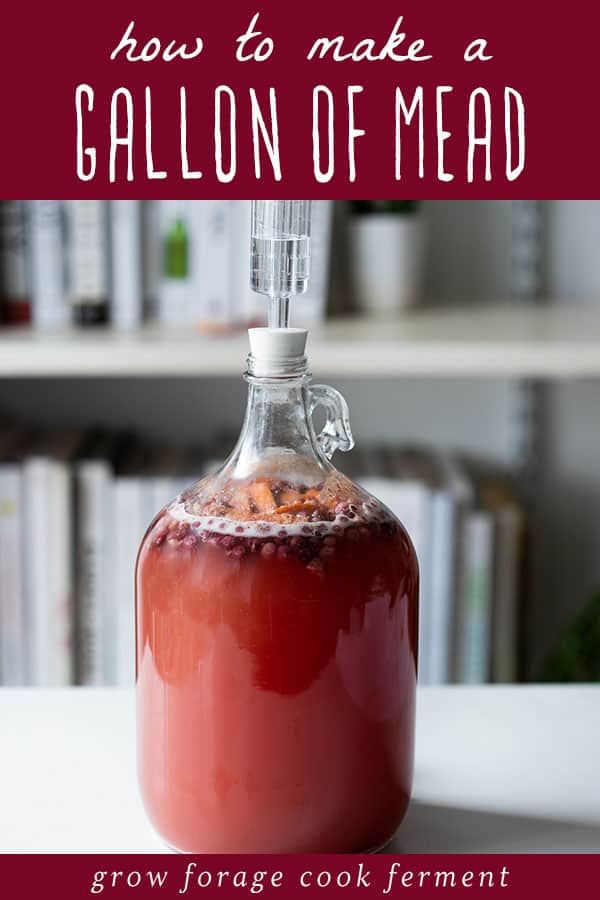
Credit: www.growforagecookferment.com
Troubleshooting Common Issues
Making Viking mead can be fun and rewarding. Sometimes, small problems come up during the process. These issues can affect the taste, smell, or look of your mead. Knowing how to fix common problems helps you get better results. Here are some tips to solve usual troubles in Viking mead making.
Off Flavors
Off flavors can ruin the taste of your mead. They often come from poor hygiene or bad ingredients. Make sure all your tools are clean and sanitized. Use fresh honey and good water for the best taste. Sometimes, off flavors come from too much heat during fermentation. Keep the temperature steady and cool. If your mead smells like sulfur or rotten eggs, it needs more air. Gently stir or rack the mead to add oxygen.
Stuck Fermentation
Stuck fermentation means the yeast stops working early. This leaves your mead too sweet or weak. Check the temperature; yeast works best between 60-75°F (15-24°C). Too cold or hot can stop fermentation. Nutrients help yeast stay healthy. Add yeast nutrient if fermentation slows down. Sometimes, the yeast strain is weak. Try adding more yeast or a stronger type to restart fermentation.
Clarity Problems
Cloudy mead looks less appealing. This happens when particles float in the liquid. Wait longer for natural settling. Cold crash the mead by chilling it for a few days. This helps solids drop to the bottom. Use fining agents like bentonite or gelatin to clear mead faster. Be gentle when racking to avoid stirring up sediment. Clear mead tastes better and looks great in bottles.

Credit: distantmirror.wordpress.com
Frequently Asked Questions
What Ingredients Are Needed For Viking Mead?
Viking mead requires honey, water, yeast, and optional spices. Traditional recipes may include herbs like juniper or cinnamon. Use pure honey for authentic flavor. The ingredients are simple but crucial for mead’s unique taste and fermentation.
How Long Does Viking Mead Take To Ferment?
Viking mead typically ferments for 4 to 6 weeks. Primary fermentation lasts about two weeks. Afterward, it ages for additional weeks to develop flavor. Temperature control during fermentation ensures the best results and avoids off-flavors.
Can I Add Spices To Viking Mead?
Yes, spices like cinnamon, cloves, or juniper berries enhance flavor. Adding spices is traditional in Viking mead recipes. Use small amounts to avoid overpowering the honey’s natural taste. Spices add complexity and a historical touch to your brew.
What Type Of Yeast Is Best For Mead?
Wine yeast or mead-specific yeast strains work best for Viking mead. These yeasts tolerate higher alcohol levels and preserve honey’s sweetness. Avoid bread yeast, as it can produce off-flavors. Proper yeast choice ensures smooth fermentation and good taste.
Conclusion
Crafting Viking mead brings history to your glass. This simple recipe lets you enjoy a sweet, natural drink. You control the flavors and sweetness. Sharing your mead can create great memories. Try different honey types for new tastes. Each batch tells a story of old traditions.
Enjoy the process and the final product. Your Viking mead adventure starts right at home.
