

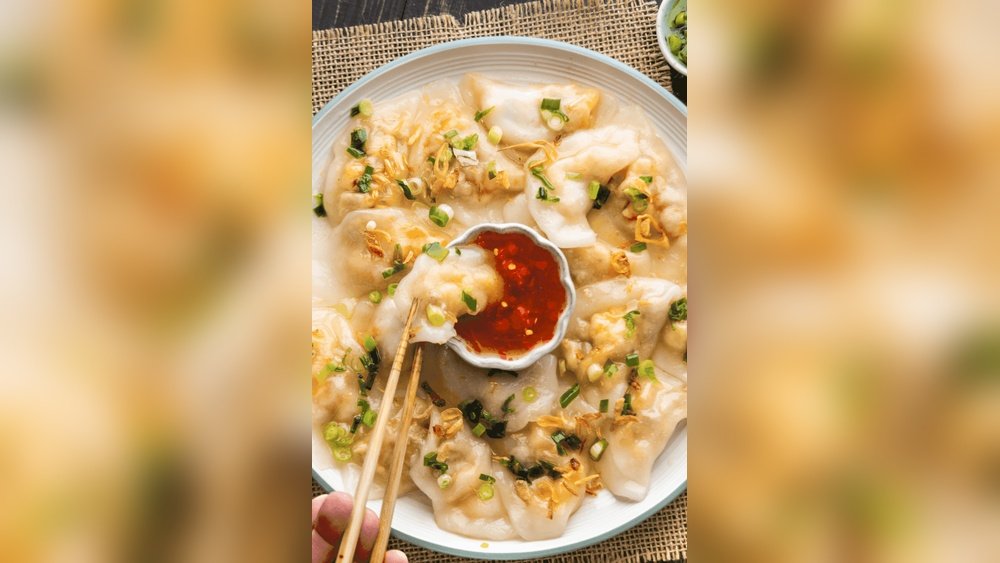
Are you craving something delicious, easy to make, and full of flavor? Vietnamese dumplings might be exactly what you need.
These little pockets of goodness are perfect for any meal or snack, and once you learn how to make them, you’ll want to keep cooking them again and again. In this recipe, you’ll discover simple steps to create dumplings that taste just like the ones from your favorite Vietnamese restaurant.
Ready to impress your friends and treat your taste buds? Let’s dive in and make your kitchen the new dumpling hotspot!
Origins Of Vietnamese Dumplings
Vietnamese dumplings hold a special place in the country’s rich culinary history. These small, flavorful parcels tell stories of culture and tradition. They have been enjoyed for many generations, passed down from families and communities.
The origins of Vietnamese dumplings are linked to the country’s geography and trade. Vietnam sits at a crossroads of many cultures, which influenced its food. Chinese cuisine, in particular, played a big role in shaping dumpling recipes.
Local ingredients and cooking methods made Vietnamese dumplings unique. Each region added its own twist, creating a variety of flavors and styles. These dumplings became a symbol of celebration and family gatherings.
Early Influences From Chinese Cuisine
Chinese immigrants brought dumpling recipes to Vietnam centuries ago. These recipes mixed with local tastes and ingredients. The result was a new kind of dumpling that suited Vietnamese palates.
Regional Variations Across Vietnam
Different parts of Vietnam offer unique dumpling types. Northern dumplings are often steamed and filled with pork and mushrooms. Southern versions might include shrimp and herbs, reflecting local produce.
Cultural Significance In Vietnamese Festivals
Dumplings are more than just food in Vietnam. They are part of traditional celebrations and holidays. Families prepare dumplings together to honor ancestors and bring good luck.
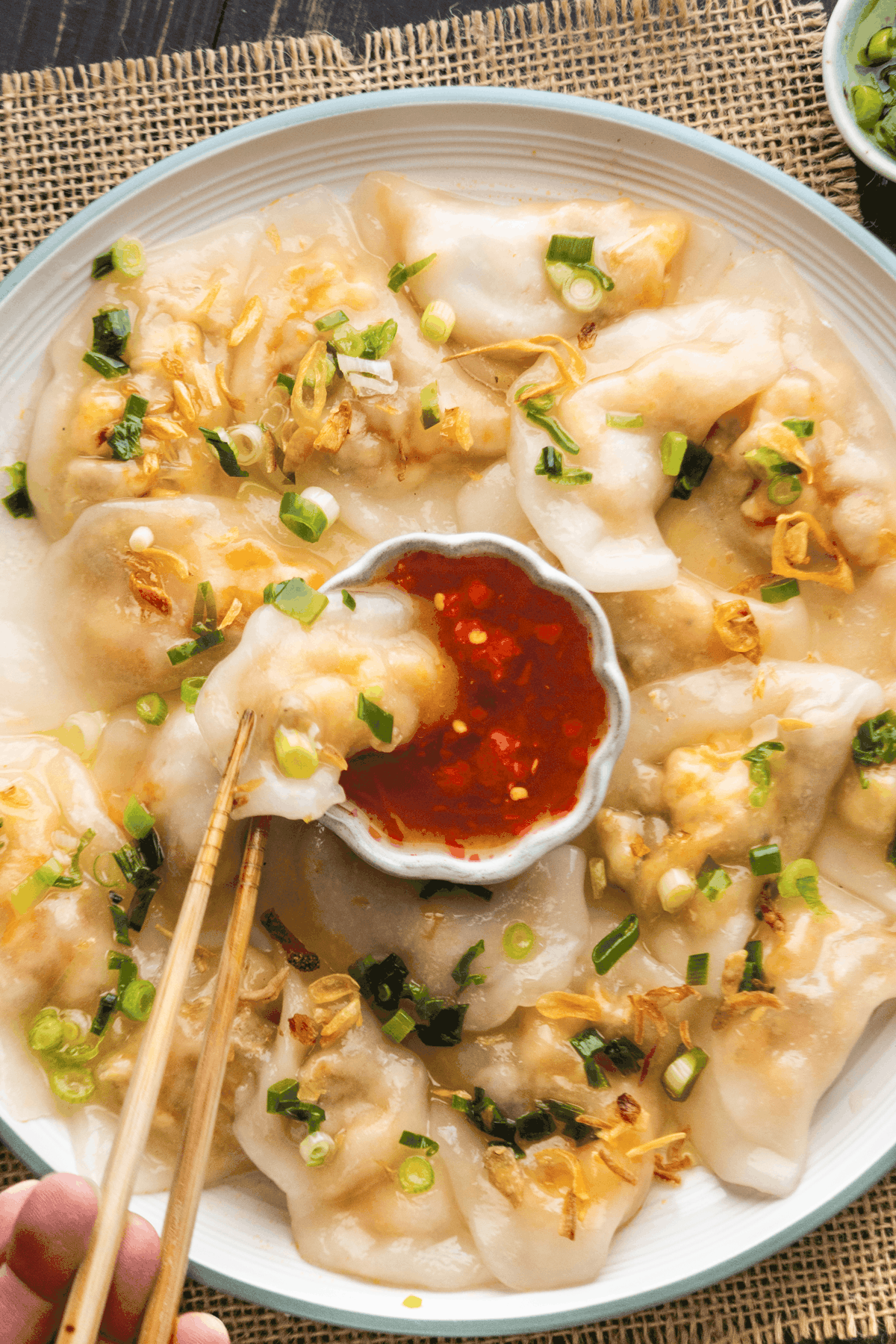
Credit: www.wokandkin.com
Essential Ingredients
Making Vietnamese dumplings starts with the right ingredients. Each element plays a key role in taste and texture. Fresh and quality ingredients bring out authentic flavors. This section covers the essentials needed for the perfect dumplings.
Choosing The Right Meat
Pork is the most popular choice for Vietnamese dumplings. It has the right fat content for juicy filling. Ground chicken or shrimp can also work well. Fresh meat ensures better taste and texture. Avoid processed or frozen meat for best results.
Fresh Herbs And Vegetables
Herbs add bright, fresh flavors to the filling. Common choices include cilantro, green onions, and Thai basil. Use finely chopped vegetables like cabbage or carrots. These add crunch and balance the meat’s richness. Always pick fresh, crisp herbs and veggies.
Dough Essentials
The dough must be soft but strong enough to hold the filling. Use all-purpose flour and water for a simple dough. Some recipes add a bit of salt for flavor. Knead the dough until smooth and elastic. Let it rest before rolling out for easy handling.
Preparing The Dough
Preparing the dough is the first step to making delicious Vietnamese dumplings. The dough must be soft but strong enough to hold the filling. It needs careful mixing, resting, and rolling. These steps create the perfect wrapper for the dumplings.
Mixing And Kneading
Start with all-purpose flour and water. Mix them slowly in a bowl. Use your hands to knead the dough. Knead until it feels smooth and elastic. This process takes about 10 minutes. Proper kneading helps the dough stretch without breaking.
Resting The Dough
Cover the dough with a damp cloth. Let it rest for at least 30 minutes. Resting makes the dough softer and easier to roll. It also helps the gluten relax. This step is key for a tender dumpling skin.
Rolling Techniques
Divide the dough into small balls. Use a rolling pin to flatten each ball. Roll from the center outwards evenly. Keep the edges thinner than the center. Thin edges seal well and cook evenly. Perfect rolling gives your dumplings a nice shape.
Making The Filling
Making the filling is a key step in preparing delicious Vietnamese dumplings. The filling brings together fresh ingredients and bold flavors. It needs balance and care to taste just right. A good filling makes dumplings moist, tasty, and satisfying.
Combining Flavors
Start with ground pork or shrimp for a classic taste. Add finely chopped onions, garlic, and fresh herbs like cilantro or green onions. Mix these ingredients gently to keep the flavors distinct. The freshness of herbs lifts the filling and adds brightness.
Seasoning Tips
Season the filling with fish sauce, soy sauce, and a pinch of salt. Use black pepper for a mild kick. Taste the mixture before wrapping dumplings. Adjust salt and spices carefully to avoid overpowering the natural flavors.
Achieving The Perfect Texture
Use finely chopped vegetables like water chestnuts or mushrooms for crunch. Mix the filling just enough to combine ingredients. Overmixing can make it dense and tough. The ideal texture is soft but with a slight bite.
Shaping And Folding Dumplings
Shaping and folding dumplings is a key step in making Vietnamese dumplings. It affects both the look and how well they hold the filling. Proper folding keeps the filling inside and cooks evenly. This step also adds charm and tradition to your dish.
Classic Folding Styles
Vietnamese dumplings often use simple, classic folds. The half-moon shape is common. Fold the wrapper in half over the filling. Press the edges tightly to seal. Another style is the pleated fold. Pinch small pleats along one side while sealing. This creates a beautiful, ridged edge. Choose a fold that feels easy and looks neat.
Sealing Tips To Prevent Leaks
Seal dumplings well to avoid leaks during cooking. Moisten the edges with a little water before folding. Press the edges firmly together. Use your fingers to pinch and press the dough tightly. Avoid overfilling the dumplings. Leave enough space to close the wrapper fully. Proper sealing stops the filling from spilling out. This keeps your dumplings perfect and tasty.
Cooking Methods
Vietnamese dumplings offer a tasty experience no matter how you cook them. Each method changes the texture and flavor a bit. Knowing these methods helps you enjoy dumplings in different ways.
Boiling
Boiling is the simplest way to cook Vietnamese dumplings. Drop them into boiling water and wait until they float. This means they are cooked through. Boiled dumplings are soft and juicy inside.
Steaming
Steaming keeps the dumplings tender and moist. Place dumplings in a steamer basket over boiling water. Steam for about 10 minutes or until cooked. This method preserves the filling’s flavor well.
Pan-frying
Pan-frying gives dumplings a crispy bottom and soft top. Heat oil in a pan and place dumplings carefully. Fry until the bottoms turn golden brown. Add a little water, cover, and steam for a few minutes. Pan-fried dumplings have a nice crunch and juicy inside.
Dipping Sauces
Dipping sauces bring Vietnamese dumplings to life. They add flavor and balance to each bite. These sauces can be sweet, sour, salty, or spicy. Each sauce highlights the dumpling’s taste in a special way.
Traditional Vietnamese Sauces
Fish sauce with lime juice and chili is a classic choice. It offers a salty, sour, and spicy mix. Another favorite is soy sauce mixed with garlic and sugar. This sauce tastes salty and slightly sweet. Sometimes, crushed peanuts or fresh herbs top these sauces. They add texture and freshness.
Quick Homemade Options
Mix soy sauce, vinegar, a pinch of sugar, and chopped chili. This simple sauce works well with many dumplings. Another easy option is peanut butter mixed with hoisin sauce. Thin it with a little water for the right texture. These quick sauces save time and still taste great.
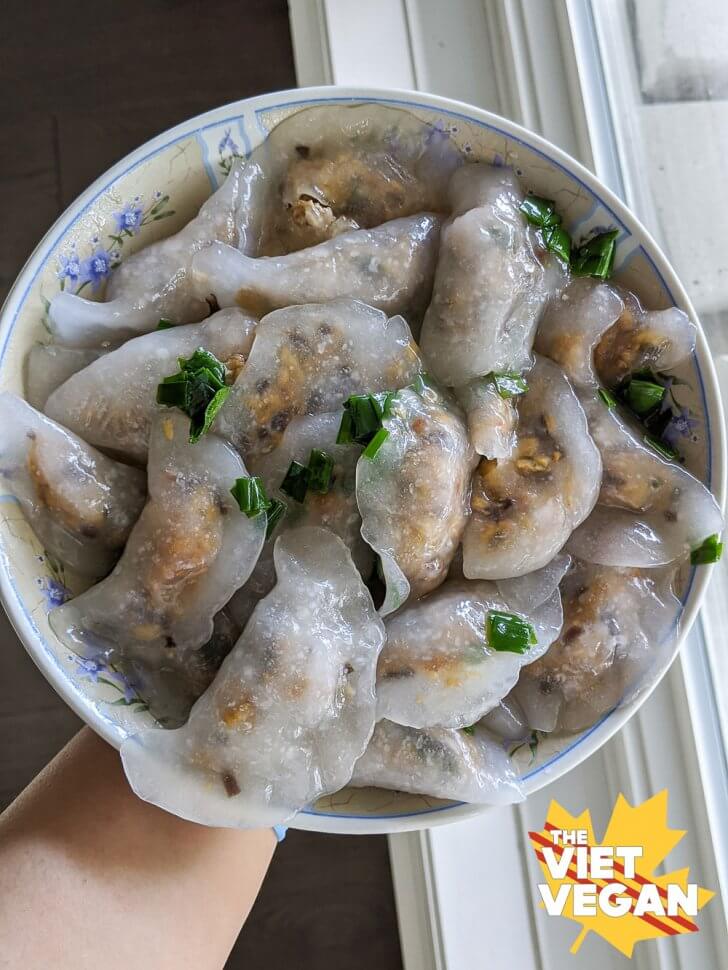
Credit: thevietvegan.com
Serving Suggestions
Serving Vietnamese dumplings is a delightful experience. The right accompaniments and drinks can enhance their flavor. These suggestions help you enjoy every bite fully.
Accompaniments And Garnishes
Serve dumplings with a side of fresh herbs like cilantro and mint. Thinly sliced cucumber adds a refreshing crunch. A small bowl of dipping sauce, such as soy sauce mixed with lime juice and chili, is perfect. Sprinkle toasted sesame seeds on top for extra texture. Garnish with chopped green onions for color and taste.
Pairing With Drinks
Vietnamese dumplings pair well with light drinks. Jasmine tea cleanses the palate and soothes the stomach. A cold lager beer complements the savory filling nicely. For a non-alcoholic option, try sparkling water with a hint of lime. These drinks balance the flavors and keep the meal refreshing.
Tips For Perfect Dumplings
Making perfect Vietnamese dumplings can be easy with the right tips. Small details can change the taste and look. These tips help you cook dumplings that taste great and look nice. Follow these simple ideas to improve your dumpling skills.
Common Mistakes To Avoid
Do not overfill dumplings. Too much filling makes them hard to seal. Use enough water to seal edges well. If the dough is too dry, dumplings will crack. Avoid using thick wrappers; thin ones cook better. Cook dumplings at the right temperature to prevent sogginess. Skip overcrowding the pan or pot to keep dumplings from sticking.
Storage And Freezing
Store uncooked dumplings on a tray with space between them. Freeze dumplings in a single layer first. After frozen, move them to a sealed bag or container. Frozen dumplings cook well without thawing. For fresh dumplings, keep them in the fridge up to two days. Proper storage keeps dumplings fresh and tasty longer.

Credit: recipes.saladmaster.com
Frequently Asked Questions
What Ingredients Are Essential For Vietnamese Dumplings?
Vietnamese dumplings need rice flour, ground pork, shrimp, garlic, and green onions. Fresh herbs like cilantro enhance flavor. These ingredients create authentic, tasty dumplings.
How Do You Make Vietnamese Dumpling Wrappers?
Mix rice flour with boiling water and salt. Knead until smooth, then roll thin. Cut into circles for perfect wrappers.
What Is The Best Cooking Method For Vietnamese Dumplings?
Steaming preserves flavor and texture best. Boiling is common but may soften wrappers. Pan-frying adds a crispy bottom for variety.
Can Vietnamese Dumplings Be Frozen For Later Use?
Yes, freeze uncooked dumplings on a tray first. Then store in airtight bags. Cook from frozen by steaming or boiling.
Conclusion
Vietnamese dumplings bring warm, rich flavors to your table. You can make them fresh and tasty at home. Follow the recipe step by step for best results. Enjoy cooking and sharing with family or friends. This dish adds variety and joy to any meal.
Try different fillings to find your favorite taste. Simple ingredients, big smiles. A perfect way to explore Vietnamese cuisine easily. Give it a go and enjoy every bite!
