


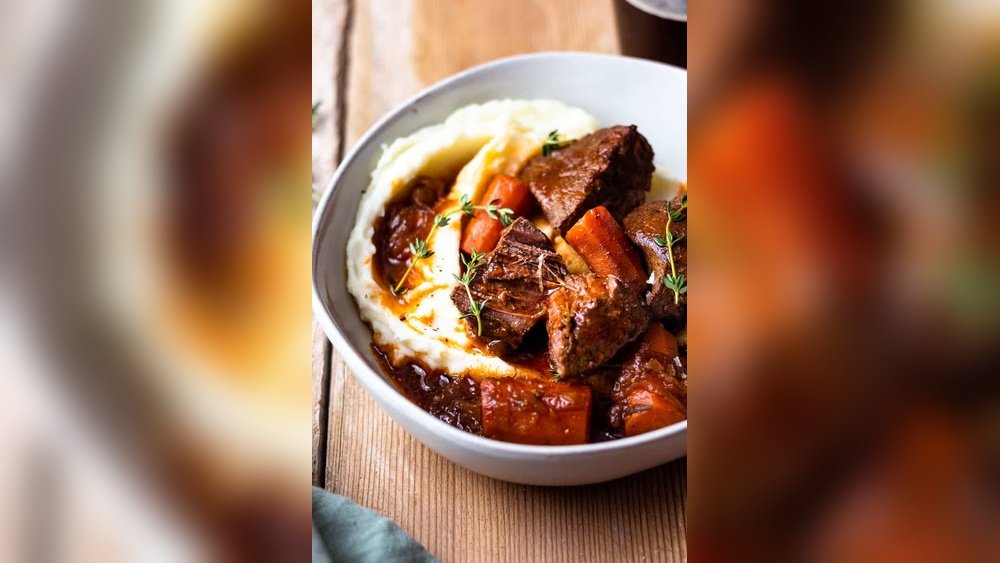
If you’re looking to turn your next meal into something truly special, a Venison Roast Dutch Oven Recipe is exactly what you need. Imagine tender, flavorful meat that melts in your mouth, cooked low and slow to perfection.
Whether you’re an experienced cook or just starting out, this recipe will guide you step-by-step to create a dish that impresses every time. Ready to discover the secret to juicy, savory venison that will have everyone asking for seconds? Keep reading—you won’t want to miss these simple tips and tricks.
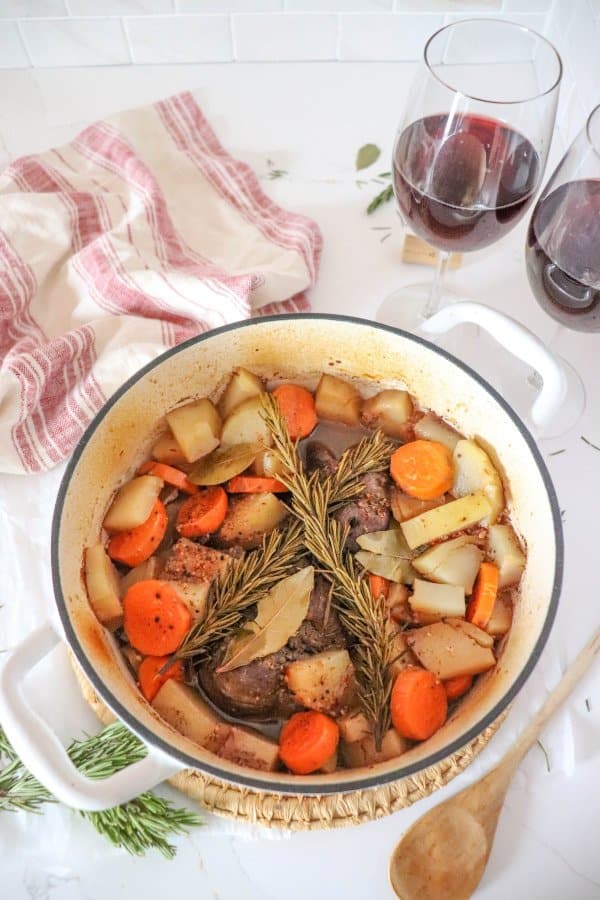
Credit: homemadeheather.com
Choosing The Right Venison
Choosing the right venison is key to a tasty roast in your Dutch oven. The cut and quality of the meat make a big difference. Knowing what to pick helps you cook a tender, flavorful meal. Here are some tips for selecting the best venison for roasting.
Cuts Ideal For Roasting
Choose cuts with good muscle and some fat for roasting. The shoulder and leg are great options. These parts have enough fat to stay moist during cooking. The loin is leaner but can work if cooked carefully. Avoid very thin cuts; they dry out quickly. Larger pieces roast evenly and hold flavor well.
Fresh Vs. Frozen Venison
Fresh venison offers the best taste and texture. It cooks more evenly and stays juicy. Frozen venison is fine but needs proper thawing. Thaw slowly in the fridge to keep quality. Avoid refreezing, as it harms texture and flavor. Use fresh or well-thawed meat for the best roast results.
Preparing The Venison
Preparing venison properly sets the stage for a delicious roast. This step helps remove any unwanted flavors and ensures tenderness. Careful preparation improves the meat’s texture and taste.
Taking time to trim and clean the venison is essential. Marinating enhances flavor and softens the meat. Both steps help create a rich, savory roast in your Dutch oven.
Trimming And Cleaning
Start by removing excess fat and silver skin from the venison. These parts can taste bitter and tough after cooking. Use a sharp knife and cut away any discolored spots.
Rinse the meat under cold water to clean it. Pat dry with paper towels to remove moisture. Dry meat sears better and browns evenly in the Dutch oven.
Marinating Tips
Marinate the venison for at least 4 hours or overnight for best results. Use a mixture of oil, vinegar, herbs, and spices. This breaks down the meat fibers and adds flavor.
Avoid heavy salt in the marinade. Salt can dry out the meat during cooking. Instead, add salt just before roasting to keep the venison juicy.
Selecting Dutch Oven Essentials
Choosing the right Dutch oven is important for a great venison roast. The right size and materials help cook the meat evenly and keep it tender. Knowing the essential accessories also makes cooking easier and more fun.
Size And Material
Select a Dutch oven that fits your roast size well. A 5 to 7-quart pot usually works for most venison roasts. It gives enough space for the meat and vegetables to cook evenly.
Cast iron is the best material. It holds heat well and spreads it evenly. Enameled cast iron is easier to clean and does not need seasoning. Plain cast iron lasts long but needs care to avoid rust.
Accessories To Have
Use a sturdy lid lifter to safely remove the hot lid. Oven mitts protect your hands from burns. A heat diffuser helps spread heat evenly under the Dutch oven.
A good trivet keeps the pot off direct heat when cooking on stovetops or campfires. Long-handled spoons and tongs help turn the roast without burning yourself. These accessories make cooking safer and simpler.
Crafting The Flavor Base
Crafting the flavor base for a venison roast in a Dutch oven sets the tone for the entire dish. The right mix of herbs, spices, and vegetables builds depth and richness. This foundation helps the meat absorb bold and warm flavors during cooking.
Careful selection of ingredients enhances the natural taste of venison. It also creates a savory aroma that fills the kitchen. The flavor base brings balance, making the roast tender and delicious.
Herbs And Spices
Choose herbs like rosemary, thyme, and bay leaves. These add a woodsy and fresh note to the roast. Ground black pepper and garlic powder give a mild heat and earthiness. A pinch of smoked paprika can add a subtle smoky flavor. Avoid overpowering spices to keep the venison’s natural taste clear.
Vegetable Choices
Onions, carrots, and celery form a classic trio for the flavor base. They release sweetness and depth when sautéed. Garlic cloves add warmth and aroma. Mushrooms bring an earthy richness that pairs well with venison. Chop vegetables into medium pieces to blend flavors well without losing texture.
Cooking The Venison Roast
Cooking the venison roast is the heart of this recipe. It brings out rich flavors and tender texture. Using a Dutch oven helps cook the meat evenly. The process starts with searing, then moves to slow cooking. Both steps are important for a perfect roast.
Searing Techniques
Searing the venison roast locks in juices and adds color. Heat the Dutch oven over medium-high heat. Add a small amount of oil to prevent sticking. Place the roast carefully and let it brown without moving. Sear each side for about 3 to 4 minutes. A deep brown crust will form, enhancing the flavor.
Slow Cooking Process
After searing, slow cooking makes the meat tender. Lower the heat to a simmer. Add broth, vegetables, and herbs for taste. Cover the Dutch oven with its lid tightly. Let the roast cook for 2 to 3 hours. Check occasionally to keep the liquid from drying out. The slow heat breaks down tough fibers, making the meat soft and juicy.
Achieving Tenderness
Achieving tenderness in a venison roast cooked in a Dutch oven requires care and patience. Venison is leaner than beef, so it can become tough if cooked too fast or at high heat. The goal is to break down the meat’s fibers slowly. This process makes the roast soft and juicy.
Using the right cooking times and temperatures helps the collagen in the meat melt. This creates a tender texture and rich flavor. Resting the meat after cooking lets the juices settle. This keeps the roast moist when you slice it.
Cooking Times And Temperatures
Cook the venison roast low and slow. Set your oven between 275°F and 300°F (135°C to 150°C). Plan for about 3 to 4 hours, depending on roast size. Check the meat after 3 hours. It should be fork-tender but not dry.
Use a meat thermometer for accuracy. The internal temperature should reach 160°F (71°C). This temperature ensures the meat is safe and tender. Avoid high heat, which can toughen the roast quickly.
Resting The Meat
After cooking, remove the roast from the Dutch oven. Cover it loosely with foil. Let it rest for 15 to 20 minutes. Resting allows the juices to redistribute inside the meat.
Slicing the roast too soon can cause juices to escape. This makes the meat dry and chewy. Resting helps keep every bite moist and flavorful. It also makes carving easier and cleaner.
Serving Suggestions
Serving a venison roast cooked in a Dutch oven opens many tasty options. The rich flavor of the meat pairs well with simple sides and savory sauces. Careful selection of these elements can elevate your meal.
Side Dishes To Complement
Roasted root vegetables like carrots and potatoes match venison’s deep taste. Green beans or steamed broccoli add a fresh, crisp touch. Creamy mashed potatoes help balance the meat’s robust flavor. A warm bread roll on the side soaks up every bit of juice.
Sauces And Gravies
A red wine reduction sauce enhances the roast’s natural richness. Mushroom gravy adds earthiness and depth. Cranberry sauce brings a sweet and tangy contrast. Simple pan jus made from the roast drippings keeps the dish moist and flavorful.
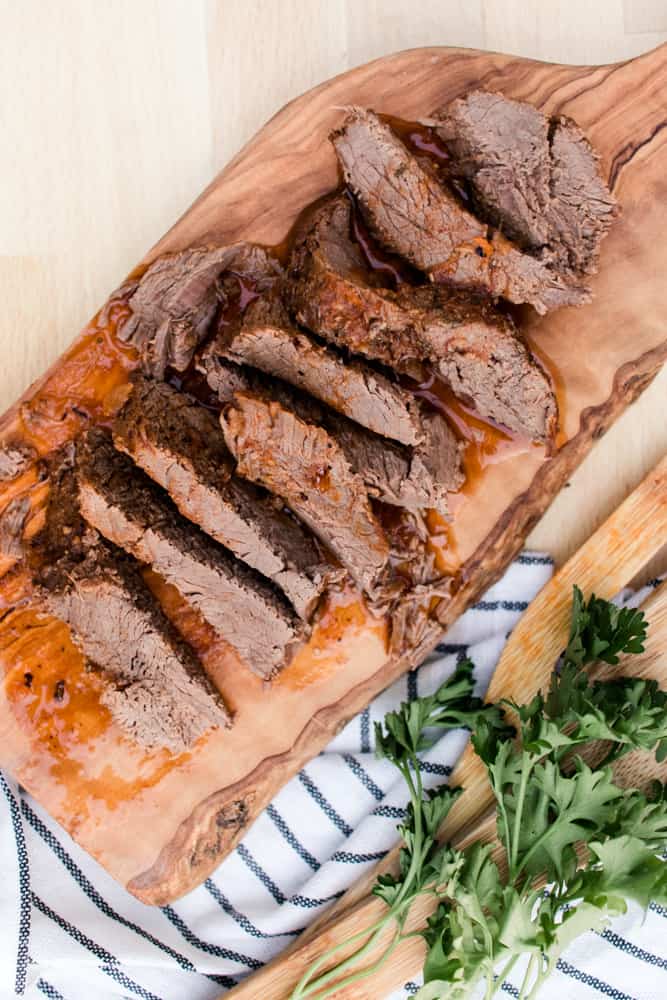
Credit: www.castironskilletcooking.com
Storing And Reheating Leftovers
Storing and reheating your Venison Roast Dutch Oven leftovers keeps the flavors fresh and delicious. Proper care helps avoid waste and keeps the meat safe to eat. Follow these tips to enjoy your meal again without losing taste or texture.
Proper Storage Methods
Cool the venison roast to room temperature before storing. Place it in an airtight container or wrap tightly with plastic wrap. Store in the refrigerator for up to three days. For longer storage, freeze the meat in a freezer-safe bag or container. Label with the date to track freshness. Avoid leaving leftovers out for more than two hours to prevent bacteria growth.
Best Reheating Practices
Reheat venison roast slowly to keep it juicy. Use a low heat setting on the stove or oven. Cover the roast to retain moisture. Add a splash of broth or water if the meat seems dry. Avoid microwaving as it can make the meat tough. Stir occasionally for even heating. Heat until the internal temperature reaches 165°F (74°C) for safety.
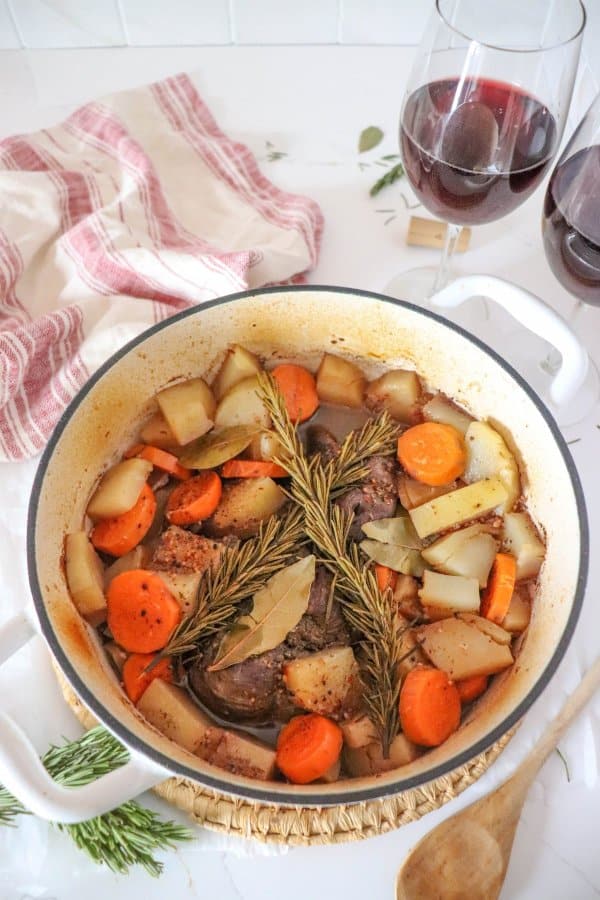
Credit: homemadeheather.com
Frequently Asked Questions
What Is The Best Cut Of Venison For Roasting?
The best cut for venison roast is the shoulder or leg. These cuts are tender and flavorful. They hold up well during slow cooking in a Dutch oven, resulting in a juicy, delicious roast.
How Long Should Venison Roast Cook In A Dutch Oven?
Cook venison roast for about 2. 5 to 3 hours at 325°F. Slow cooking ensures tenderness and rich flavor. Use a meat thermometer to check for an internal temperature of 145°F for medium-rare.
Can I Use A Dutch Oven For Venison Roast?
Yes, a Dutch oven is ideal for venison roast. It distributes heat evenly and retains moisture. This method enhances the meat’s tenderness and infuses it with the flavors of herbs and vegetables.
What Seasonings Enhance Venison Roast Flavor?
Common seasonings include garlic, rosemary, thyme, salt, and pepper. These herbs complement venison’s natural taste. Adding vegetables like onions and carrots also boosts flavor during slow cooking.
Conclusion
This venison roast Dutch oven recipe brings rich, warm flavors to your table. It cooks slowly, making the meat tender and juicy. Easy to prepare, it fits well with any family meal. Serve it with your favorite sides for a complete dinner.
Try this recipe and enjoy a hearty, delicious dish. Perfect for cold days or special occasions. Simple steps lead to tasty results. Give it a try, and savor every bite.
