


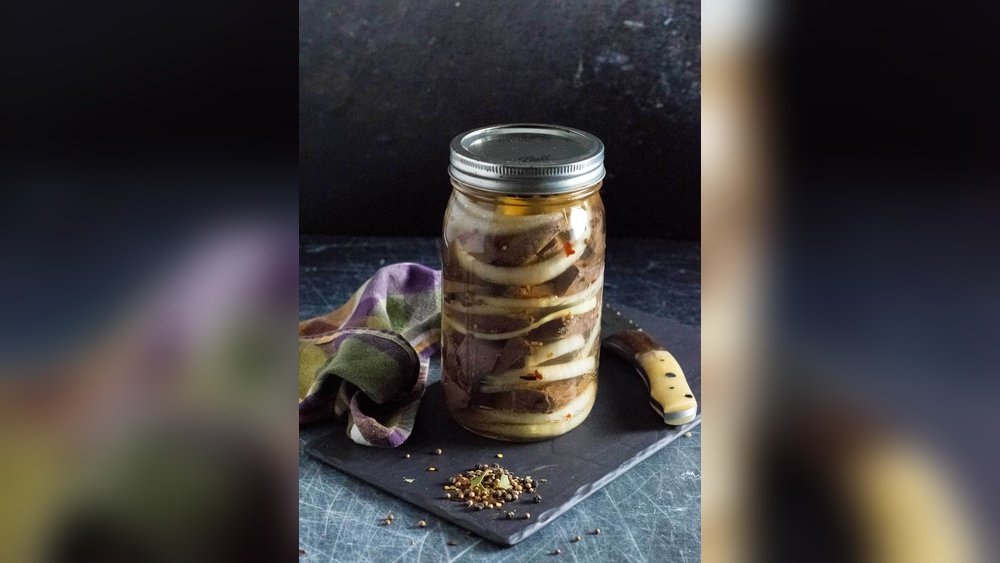
If you’re looking to try something truly unique and full of flavor, this Venison Pickled Heart Recipe is exactly what you need. Imagine turning a simple, often overlooked cut into a tasty treat that surprises your taste buds.
Whether you’re a seasoned hunter or just love experimenting with bold flavors, this recipe will guide you step-by-step to create a delicious dish that’s both rich and tangy. Ready to impress your friends or add a new favorite to your cooking lineup?
Keep reading, and let’s dive into making your next unforgettable meal.
Choosing The Right Venison Heart
Choosing the right venison heart is the first step to a tasty pickled dish. The heart must be fresh and clean. This affects the flavor and texture greatly. Quality venison heart will make your pickled recipe stand out. Pay attention to the source and condition of the heart.
Selecting Freshness And Quality
Choose venison hearts that look bright red or deep purple. Avoid hearts that look dull or brown. Fresh hearts should feel firm and moist, not slimy. Smell the heart; it should have a mild scent, not a strong odor. Always buy from trusted hunters or suppliers.
Preparing The Heart For Pickling
Rinse the heart in cold water. Remove any fat, membranes, or blood vessels. Cut the heart into even pieces to allow even pickling. Pat dry with paper towels before starting the pickling process. Proper preparation helps the heart absorb flavors better.
Credit: www.foxvalleyfoodie.com
Essential Ingredients For Pickling
Pickling venison heart requires the right ingredients to get the best taste and texture. Each component plays a key role in preserving and enhancing the flavor. Knowing what to use makes the process easier and the result more delicious.
Spices And Herbs For Flavor
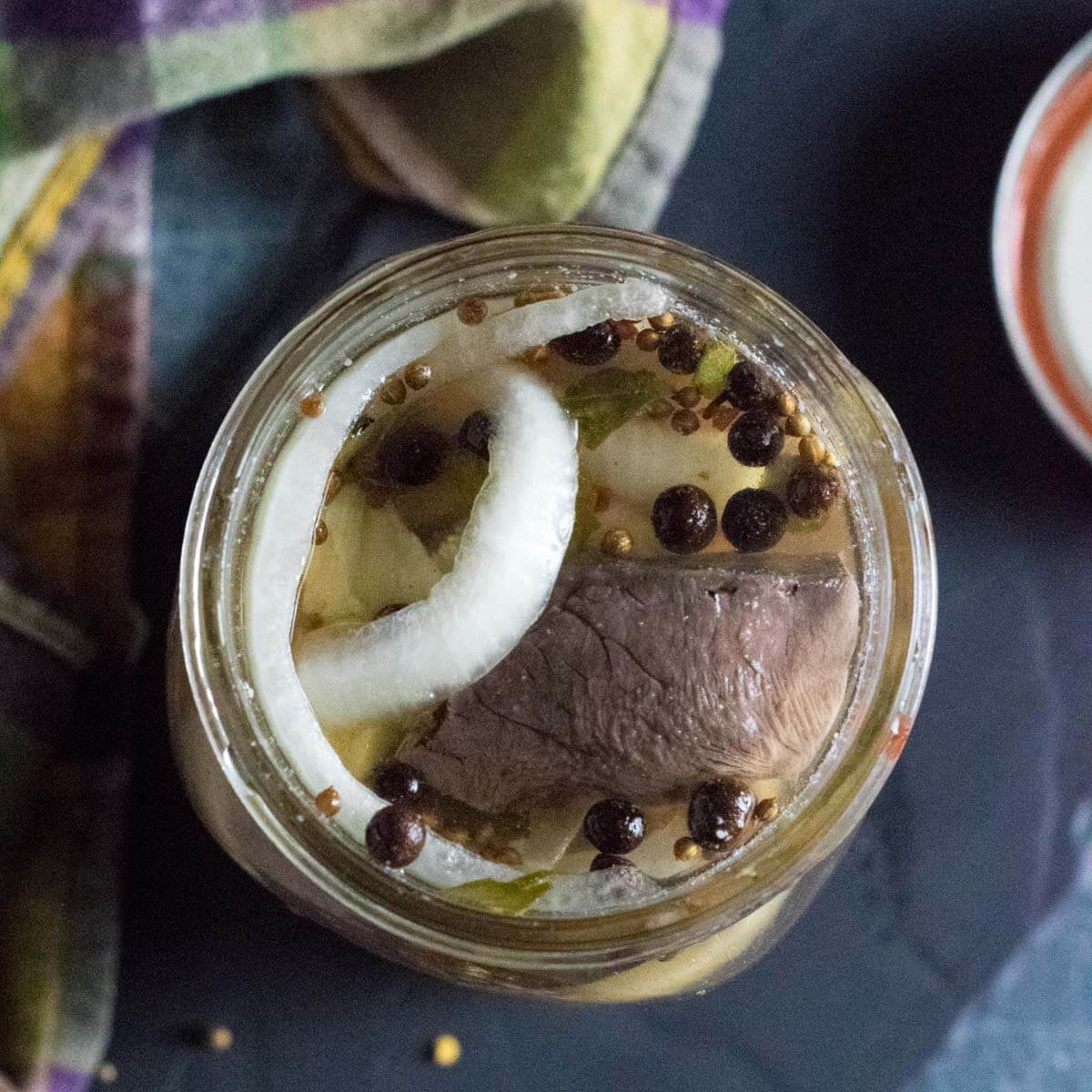
Spices add boldness and depth to the pickled heart. Common choices include black peppercorns, mustard seeds, and coriander seeds. Bay leaves give a subtle, earthy aroma. Cloves and allspice bring warmth and a slight sweetness. Fresh herbs like dill or thyme brighten the flavor. Using a mix creates a balanced and rich taste.
Vinegars And Liquids To Use
Vinegar is the base of any pickling liquid. White vinegar is sharp and clean, perfect for strong flavors. Apple cider vinegar offers a fruity, mild taste. Rice vinegar is gentle and slightly sweet. Some recipes use a mix of vinegars for complexity. Water dilutes the vinegar and controls acidity. Salt and sugar balance the sourness and add flavor.
Step-by-step Pickling Process
Pickling venison heart preserves its rich flavor and adds a tangy twist. The process is simple and requires only a few steps. Follow this guide to prepare your heart properly and create the perfect brine. Patience during marinating will enhance the taste and texture.
Cleaning And Trimming The Heart
Start by rinsing the venison heart under cold water. Remove any blood clots and fat. Slice away tough parts and valves carefully. Cut the heart into smaller pieces for even pickling. This step ensures a clean and tender result.
Creating The Pickling Brine
Mix water, vinegar, salt, and sugar in a pot. Add spices like peppercorns, bay leaves, and garlic for flavor. Heat the mixture until salt and sugar dissolve. Let the brine cool completely before use. This brine will give the heart a balanced sour taste.
Marinating Time And Techniques
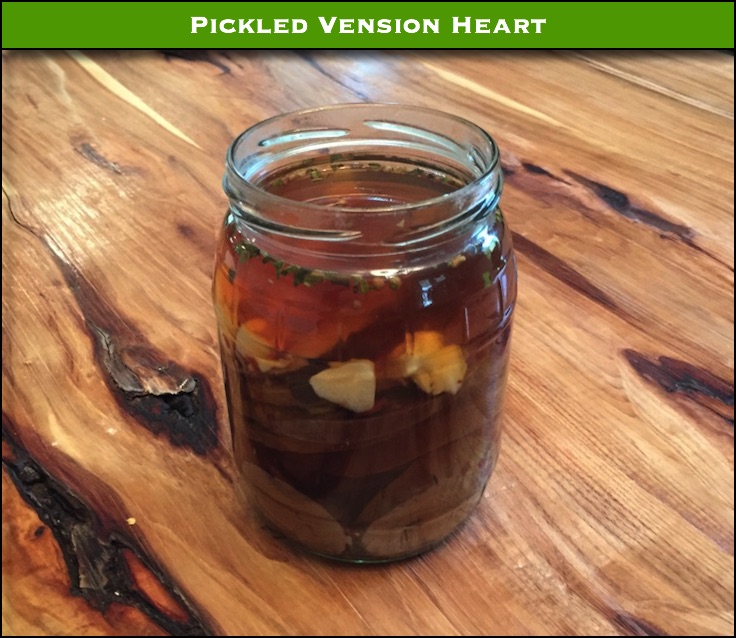
Place the heart pieces in a clean jar or container. Pour the cooled brine over the meat until fully covered. Seal the container tightly to keep air out. Store it in the fridge for at least 5 days. Turn the jar every day to spread flavors evenly.

Credit: venisonthursday.com
Cooking Methods After Pickling
After pickling, cooking the venison heart properly is key to enhancing its flavor and texture. The pickling process tenderizes the meat and adds a tangy taste. Different cooking methods bring out unique qualities in the heart. Each method offers a distinct experience for your palate.
Grilling For Smoky Flavor
Grilling the pickled venison heart adds a rich, smoky taste. The high heat caramelizes the surface, creating a crispy crust. This method keeps the inside juicy and tender. Use medium heat to avoid overcooking. Grill quickly to preserve the heart’s delicate flavor.
Pan-frying For Crisp Texture
Pan-frying creates a nice, crisp outer layer on the venison heart. Use a little oil and medium heat to cook evenly. This method gives a crunchy texture that contrasts well with the tender inside. Flip the heart often for uniform browning. It cooks fast, making it perfect for quick meals.
Slow Cooking For Tenderness
Slow cooking breaks down the fibers in the venison heart, making it very tender. Use low heat and cook for several hours. This method blends the pickled flavor deeply into the meat. It works well in stews or soups. Slow cooking produces a soft, melt-in-your-mouth texture.
Serving Suggestions And Pairings
Serving pickled venison heart offers a unique taste experience. Pair it well to bring out its rich flavors. Choosing the right sides and drinks enhances the meal. This section guides you through simple pairings that work beautifully.
Side Dishes That Complement Venison Heart
Roasted root vegetables add sweetness and earthiness. Carrots, parsnips, and potatoes work well. A fresh green salad with lemon vinaigrette cuts through richness. Pickled cucumbers or sauerkraut echo the tang of the heart. Creamy mashed potatoes balance the acidity with smooth texture. Grilled asparagus or sautéed mushrooms bring depth to the plate.
Beverage Pairings To Enhance Taste
Red wines like Pinot Noir or Merlot match venison’s bold flavor. Their fruitiness softens the meat’s gamey notes. Dark beers, such as stouts or porters, offer a rich, malty taste. For a non-alcoholic option, try tart cranberry juice or sparkling water with lemon. Herbal teas, like rosemary or thyme, provide a subtle, earthy lift.
Tips For Storing Pickled Venison Heart
Storing pickled venison heart properly keeps it fresh and tasty. It also helps avoid spoilage and waste. Follow simple storage tips to enjoy your pickled heart longer.
Refrigeration Guidelines
Always store pickled venison heart in the refrigerator. Use a clean, airtight container to keep out air and bacteria. Place the container on a shelf, not the door, for stable temperature. Keep the fridge temperature below 40°F (4°C) to slow bacterial growth. Avoid leaving the jar open for long periods to maintain freshness.
Shelf Life And Safety
Pickled venison heart usually stays good for 3 to 4 weeks in the fridge. Check for any strange smells or mold before eating. If the jar lid bulges or the liquid is cloudy, discard it. Never taste if you see signs of spoilage. Safe storage extends your enjoyment and protects your health.
Troubleshooting Common Issues
Troubleshooting common issues in your venison pickled heart recipe helps improve taste and texture. Small mistakes can change the final flavor or feel of the meat. Knowing how to fix these problems saves time and ingredients. This guide covers two key issues: sourness and texture.
Avoiding Overly Sour Flavor
Too much vinegar makes the pickled heart very sour. Use measured amounts of vinegar in your recipe. Taste the pickling liquid before adding the heart. If it is too sharp, dilute it with water. Balance sourness by adding a bit of sugar or honey. Let the heart soak for the right time, not longer. Over-pickling increases sourness and can ruin the flavor.
Ensuring Proper Texture
Venison heart can become tough or mushy if not handled well. Slice the heart thinly and evenly for consistent texture. Do not overcook before pickling; it should stay tender. Pickling time affects texture; follow the recipe timing closely. Keep the heart fully submerged in the pickling liquid to avoid drying out. Chill the pickled heart properly before serving to improve firmness.
Credit: venisonthursday.com
Frequently Asked Questions
What Is The Best Way To Prepare Venison Heart?
Clean the venison heart thoroughly. Slice it thinly for even pickling. Use a flavorful brine with vinegar and spices. Refrigerate for several days to enhance taste and tenderness.
How Long Should Venison Heart Be Pickled?
Pickle the venison heart for at least 3 to 5 days. This allows the flavors to penetrate deeply. Longer pickling results in a tangier, more tender texture.
Can I Eat Venison Heart Raw After Pickling?
It’s not recommended to eat venison heart raw, even after pickling. Pickling preserves flavor but doesn’t fully cook or kill harmful bacteria. Always cook thoroughly before consumption.
What Spices Work Best For Pickling Venison Heart?
Classic spices include garlic, bay leaves, black peppercorns, and mustard seeds. You can add cloves, coriander, or chili flakes for extra flavor. Adjust spices based on personal preference.
Conclusion
This venison pickled heart recipe offers a unique taste experience. It is simple to prepare and full of flavor. You can enjoy it as a snack or part of a meal. Pickling helps keep the heart tender and tasty. Try this recipe to explore new flavors from venison.
It’s a great way to use different cuts of meat. Give it a go and enjoy a delicious, easy dish.
