


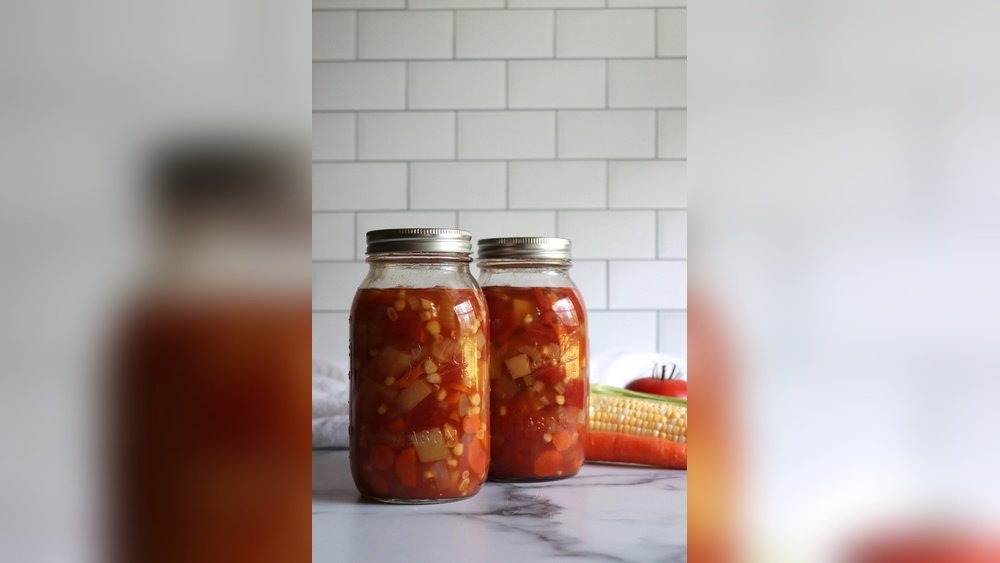
Looking for a simple way to enjoy fresh, homemade vegetable soup anytime you want? Your search ends here.
This vegetable soup canning recipe lets you preserve all the rich flavors and nutrients of your favorite veggies, so you can have a warm, comforting meal ready in minutes. Imagine opening a jar filled with garden-fresh goodness on a cold day or when you’re short on time.
Keep reading to discover how easy it is to make this delicious soup and store it safely for months. Your future self will thank you!
Choosing Fresh Vegetables
Choosing fresh vegetables is key for a tasty vegetable soup canning recipe. Fresh vegetables bring the best flavor and texture. They keep the soup rich and healthy. Knowing which vegetables to pick helps make your soup delicious. Quality ingredients lead to great results.
Best Vegetables For Soup
Carrots, celery, and onions form a classic base. Tomatoes add brightness and color. Potatoes give the soup body and heartiness. Green beans, peas, and corn add a sweet crunch. Use vegetables that hold shape well during cooking. Avoid watery or soft vegetables that break down easily.
Selecting Quality Ingredients
Choose vegetables that are firm and bright in color. Avoid bruised, spotted, or soft ones. Freshness means better taste and longer shelf life. Buy from farmers’ markets or local stores for fresher picks. Wash all vegetables thoroughly before canning. Cut only what you need to keep freshness intact.

Credit: www.abbeyverigin.com
Essential Equipment
Preparing vegetable soup for canning needs the right tools. Essential equipment ensures safety and quality. It also makes the process easier and more enjoyable. Here is a guide to the key tools you need for canning vegetable soup.
Canning Jars And Lids
Use jars made for canning only. They can handle heat and pressure. Pick the right size for your soup. Lids must be new each time. Old lids might not seal correctly. Metal bands hold the lids during processing. After cooling, remove the bands and check the seal.
Pressure Canner Vs. Water Bath
Vegetable soup needs high heat to kill bacteria. A pressure canner reaches higher temperatures than a water bath. This makes it safer for low-acid foods like vegetable soup. Water baths only work for high-acid foods. Choose a pressure canner for better results and safety.
Other Kitchen Tools
You need a large pot to prepare the soup. A ladle helps fill jars without spilling. Jar lifters lift hot jars safely. A funnel guides soup into jars neatly. Clean towels wipe jar rims for a good seal. These simple tools protect you and your food.
Preparing Vegetables
Preparing vegetables is the first step in making delicious vegetable soup for canning. Clean and cut vegetables help keep your soup fresh and tasty. Taking time to prepare vegetables carefully improves the final flavor and texture.
Washing And Peeling
Start by washing all vegetables under cold running water. Remove dirt and any chemicals on the surface. Use a vegetable brush for firm vegetables like carrots and potatoes. Peeling vegetables like carrots, potatoes, and onions removes tough skins and any bitterness. Use a sharp peeler and peel thinly to keep most of the vegetable.
Chopping And Slicing Techniques
Cut vegetables into even pieces to cook evenly. Chop onions and celery into small, uniform pieces. Slice carrots and green beans into bite-sized lengths. Use a sharp knife for clean cuts and safety. Avoid very small pieces; they can become mushy during canning. Keep vegetable sizes consistent for better texture in soup.
Making The Soup Base
Making the soup base is the first step in canning vegetable soup. The base sets the taste for the entire soup. A rich, tasty broth makes the vegetables shine and keeps the flavor balanced. It needs care and the right ingredients to get it just right.
Creating A Flavorful Broth
Start with fresh vegetables like onions, carrots, and celery. These add natural sweetness and depth. Use water or low-sodium broth as the liquid. Simmer the vegetables slowly to release their flavors. Avoid boiling fast; it can make the broth cloudy. Strain the broth to remove solid bits. This keeps the base smooth and clear.
Balancing Seasonings
Season with salt and pepper in small amounts. Taste often to avoid over-seasoning. Herbs like thyme, bay leaves, or parsley add aroma without overpowering. Use garlic for a mild kick, but not too much. Remember, flavors will blend and deepen during canning. Keep the seasoning simple and fresh.
Filling Jars Safely
Filling jars safely is a key step in canning vegetable soup. It keeps the food fresh and prevents spoilage. Proper filling helps the jars seal tightly. This makes sure the soup stays safe for a long time.
Careful packing and correct headspace are important. These steps stop air from trapping inside. Air can cause bacteria to grow. Follow these tips for best results.
Packing Vegetables Correctly
Pack vegetables gently but firmly. Avoid smashing them too hard. This keeps the pieces whole and looks good in the jar. Fill the jar with vegetables evenly. Do not overfill or leave large gaps. Use a spoon or ladle to push vegetables down softly. This removes air pockets and fits more veggies inside.
Leaving Headspace
Headspace is the empty space between the soup and jar lid. Leave about 1 inch of headspace. This space allows the food to expand during heating. Too little space can cause jars to break or lids to pop off. Too much space can stop proper sealing. Use a ruler or measuring tool to check headspace. Keep it consistent for every jar.
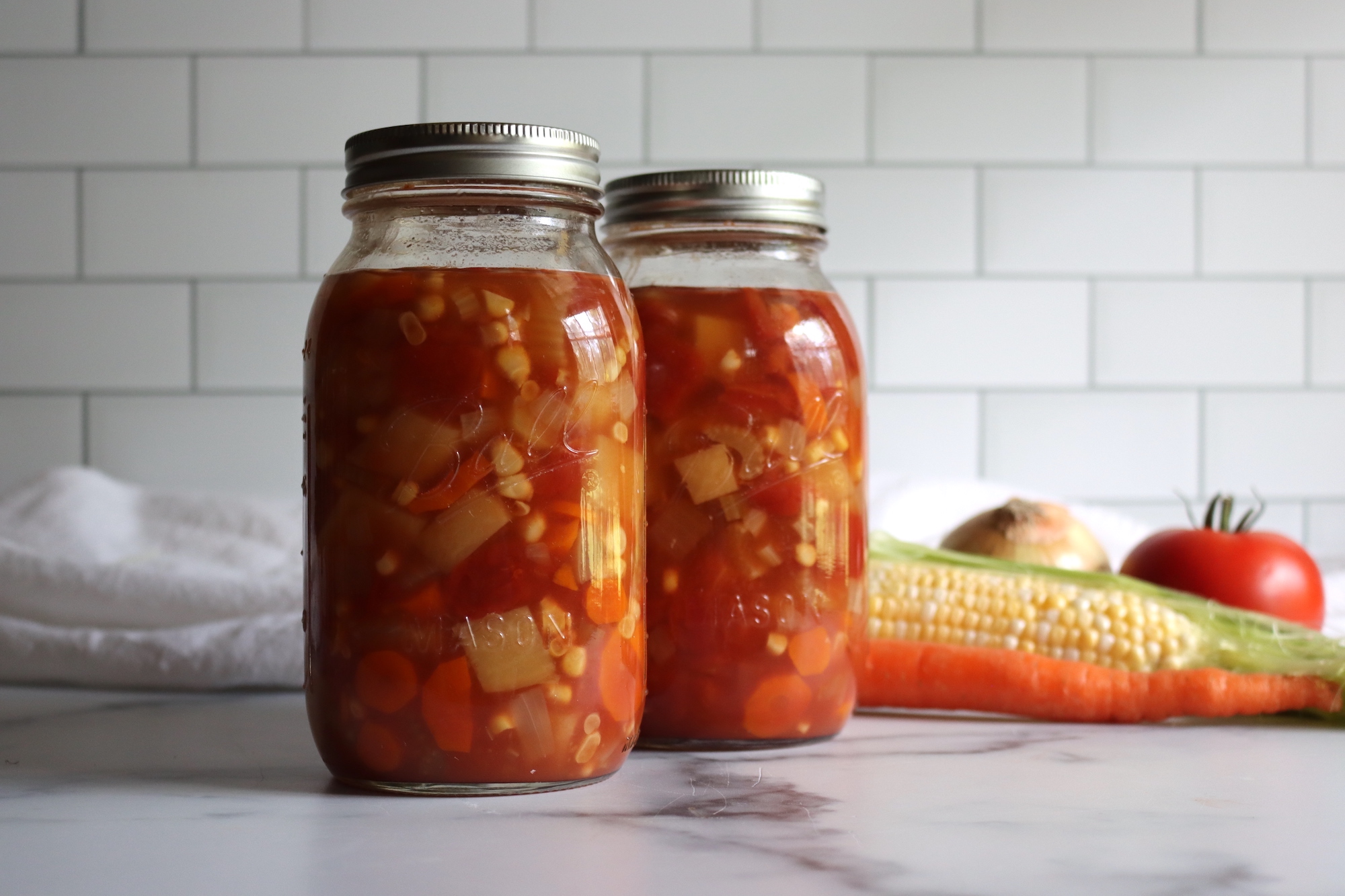
Credit: creativecanning.com
Processing And Sealing
Processing and sealing are the key steps in canning vegetable soup safely. These steps kill bacteria and seal the jars to keep the soup fresh. Proper processing prevents spoilage and keeps the soup tasty for months.
Following the right method ensures your canned vegetable soup stays safe and delicious. Careful sealing stops air and germs from entering the jars. This section explains how to process and seal vegetable soup using a pressure canner.
Pressure Canning Steps
Start by filling your pressure canner with water. Place the filled jars of soup on the rack inside the canner. Close the lid tightly and lock it in place. Heat the canner until steam starts to escape.
Let steam vent for 10 minutes to remove air. Then close the vent to build pressure inside. Maintain steady pressure throughout the processing time. When done, turn off heat and let pressure drop naturally.
Open the lid carefully once pressure is fully released. Remove jars with a jar lifter and place them on a towel. Let jars cool undisturbed for 12 to 24 hours before checking seals.
Timing And Pressure Guidelines
Use the correct pressure and time to ensure safety. For vegetable soup, process at 10 pounds pressure if you are below 1,000 feet altitude. Increase pressure by 1 pound for every 2,000 feet higher.
Process pint jars for 20 minutes and quart jars for 25 minutes. Adjust times if your recipe contains low acid ingredients. Always follow trusted canning guides for exact times and pressures.
Incorrect timing or pressure can lead to unsafe food. Use a reliable pressure canner and a good pressure gauge. This keeps your canned vegetable soup safe and shelf-stable.
Storing And Using
Proper storage is key to keeping your canned vegetable soup fresh and tasty. Knowing how to store and use your canned soup helps maintain its flavor and safety. Follow simple steps to enjoy your soup any time.
Shelf Life Expectations
Store canned vegetable soup in a cool, dark place. A pantry or cupboard works well. The soup can last up to one year if stored correctly. Always check the jar lid before use. If the seal is broken, do not eat the soup. Look for signs like bulging lids or leaks. These mean the soup is unsafe.
Tips For Reheating
Use a pot or microwave to reheat the soup. Heat it until it is steaming hot. Stir the soup while heating to warm evenly. Avoid reheating more than once. Leftovers should be stored in the fridge. Use within three days for best taste. Never re-canned soup once opened. This keeps the soup safe to eat.
Troubleshooting Common Issues
Canning vegetable soup is a great way to save fresh flavors. Sometimes, problems happen during the process. These issues can affect safety, taste, or texture. Knowing how to fix them helps keep your soup tasty and safe to eat.
Preventing Spoilage
Spoilage occurs when bacteria or mold grow in the jar. Always start with clean jars and lids. Use fresh vegetables to avoid early spoilage. Follow the recipe’s exact cooking and processing times. Make sure jars seal tightly after canning. Store jars in a cool, dark place. Check jars before use. If you see bubbles, cloudiness, or bad smell, do not eat the soup.
Fixing Texture Problems
Sometimes, soup becomes mushy or too soft after canning. Use firmer vegetables like carrots and green beans. Cut vegetables into uniform pieces for even cooking. Avoid overcooking the soup before canning. Adjust cooking time if the soup is too thick or watery. Stir well before serving to mix ingredients evenly. Texture improves when you follow these simple steps.
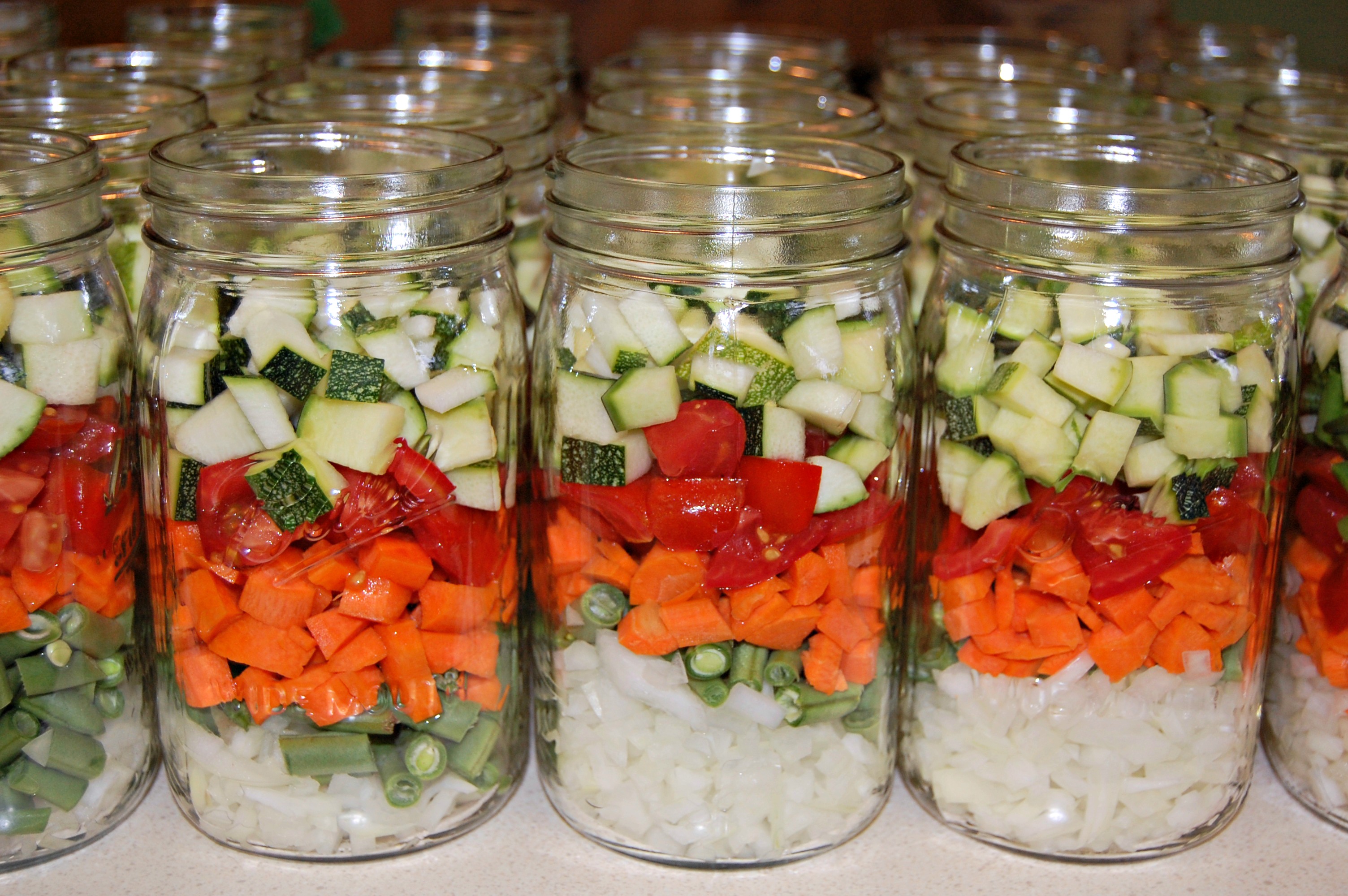
Credit: www.onthebanksofsaltcreek.com
Frequently Asked Questions
How Long Does Canned Vegetable Soup Last?
Canned vegetable soup typically lasts 1 to 2 years when stored in a cool, dark place. Always check for bulging lids or off smells before use. Properly sealed jars ensure safety and freshness over time.
What Vegetables Are Best For Canning Soup?
Carrots, green beans, tomatoes, celery, and peas are ideal for canning soup. Choose fresh, firm vegetables for best flavor. Avoid starchy vegetables like potatoes as they may alter texture during canning.
Can I Use Homemade Broth In Vegetable Soup Canning?
Yes, homemade broth can be used, but it must be low in fat. Fat can interfere with heat penetration during canning, risking safety. Strain broth well and keep it clear for best results.
Do I Need A Pressure Canner For Vegetable Soup?
Yes, a pressure canner is required to safely can vegetable soup. It reaches higher temperatures than boiling water, killing harmful bacteria. This method ensures safe preservation of low-acid foods like vegetable soup.
Conclusion
Canning vegetable soup saves fresh flavors for months. It keeps vegetables tasty and healthy. You control the ingredients, so it stays natural. Homemade soup is ready when you want a quick meal. This recipe is simple and works well for beginners.
Try it today and enjoy warm, homemade soup anytime. Canning helps reduce food waste and saves money. A great way to enjoy garden veggies all year long. Give it a try—it’s easy and rewarding!
