


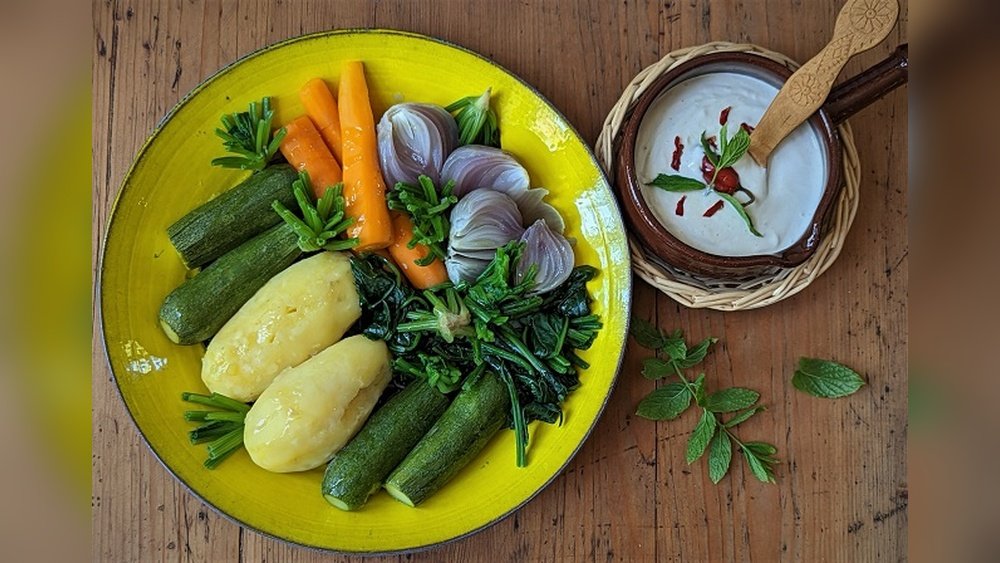
Looking for a simple, tasty way to enjoy your veggies? This vegetable boil recipe is just what you need.
It’s quick, healthy, and packed with flavor. Whether you want a light meal or a perfect side dish, this recipe will fit your needs. Keep reading, and you’ll discover easy steps to make a colorful, delicious vegetable boil that you’ll want to make again and again.
Your taste buds will thank you!

Credit: www.youtube.com
Choosing Fresh Vegetables
Choosing fresh vegetables is key to a tasty vegetable boil. Fresh veggies bring natural flavors and good texture. They cook evenly and taste better in your dish. Picking the right vegetables ensures your meal is healthy and vibrant.
Best Vegetables For Boiling
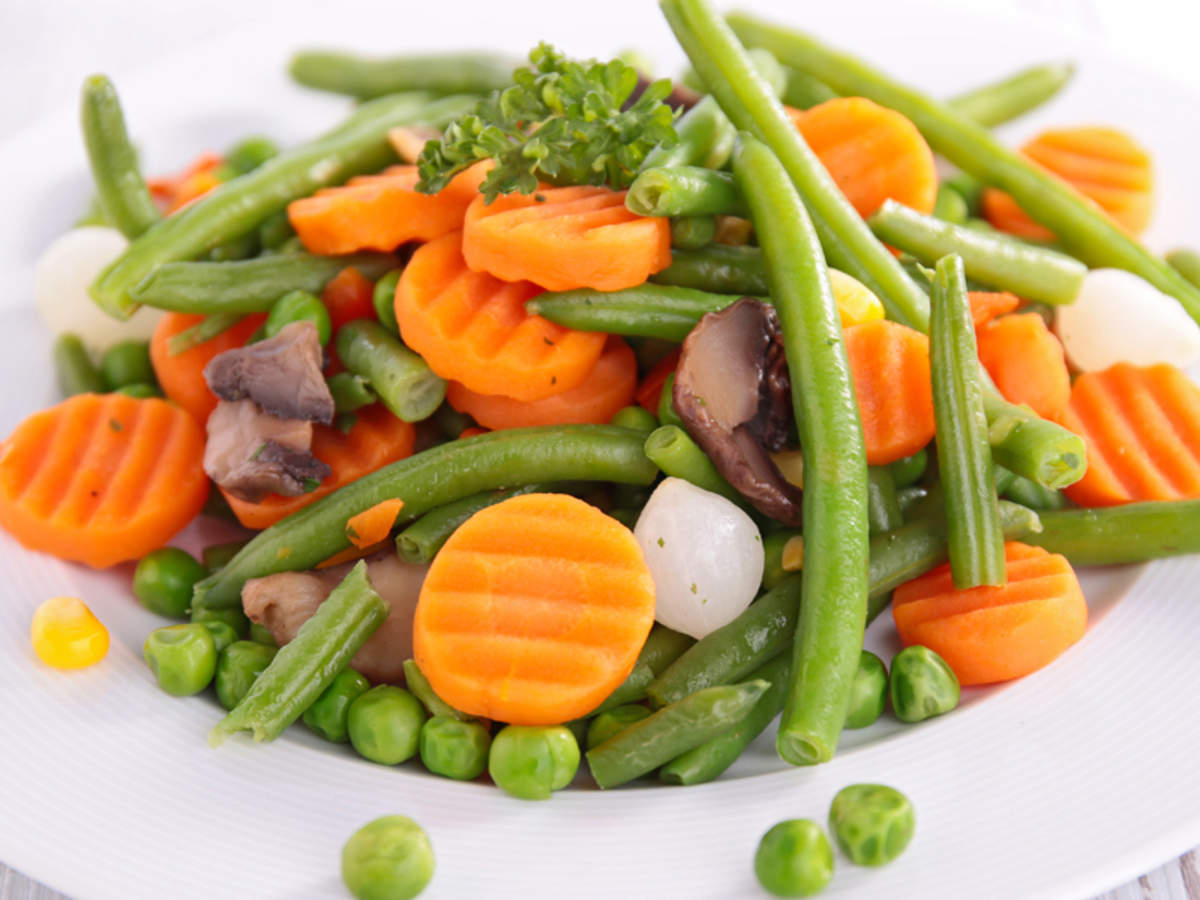
Carrots, potatoes, and green beans work well for boiling. These vegetables stay firm and absorb flavors nicely. Corn on the cob adds sweetness and crunch. Broccoli and cauliflower cook quickly and remain tender. Use a mix for a colorful, tasty dish.
Seasonal Picks For Flavor
Seasonal vegetables have the best taste and nutrients. Spring brings fresh peas and asparagus. Summer offers zucchini, tomatoes, and sweet corn. Fall is perfect for squash and root vegetables. Winter has hardy options like cabbage and carrots. Choose what’s fresh in your area.
Organic Vs. Conventional
Organic vegetables are grown without synthetic chemicals. They often taste fresher and may be healthier. Conventional vegetables can be less expensive and widely available. Washing all vegetables well reduces dirt and pesticides. Pick what fits your budget and preference.
Essential Ingredients
The key to a delicious vegetable boil lies in its ingredients. Fresh vegetables, the right spices, and a good broth make a big difference. Each element adds flavor and texture to the dish. Choosing quality ingredients ensures a tasty, healthy meal.
Spices And Herbs To Enhance Taste
Spices bring life to a vegetable boil. Common choices include garlic, paprika, and black pepper. Fresh herbs like parsley, thyme, and bay leaves add extra aroma. These simple additions lift the flavor without overpowering the vegetables.
Broth And Stock Options
A good broth forms the base of the boil. Vegetable broth works well for a light taste. Chicken or beef stock adds richness and depth. Homemade broth gives the best flavor, but store-bought options save time.
Adding Protein And Grains
Protein makes the meal more filling. Beans, tofu, or chickpeas are great plant-based choices. Adding grains like rice or quinoa rounds out the dish. These ingredients soak up the broth’s flavor for a hearty bite.
Step-by-step Cooking Guide
Cooking a vegetable boil is simple with the right steps. This guide breaks down each part clearly. Follow these steps to get tasty, well-cooked vegetables every time.
Preparing Vegetables
Start by washing all vegetables thoroughly. Cut them into similar sizes for even cooking. Use firm, fresh vegetables for the best results. Remove any tough stems or leaves. Keep the pieces bite-sized but not too small.
Boiling Techniques For Perfect Texture
Use plenty of water in a large pot. Bring the water to a rolling boil before adding vegetables. Salt the water lightly to enhance flavor. Avoid overfilling the pot to keep water boiling strong. Stir gently to prevent sticking.
Timing And Order Of Adding Ingredients
Add vegetables that take longer to cook first. For example, potatoes and carrots go in early. Add softer vegetables like zucchini or peas later. Check for doneness by piercing with a fork. Remove vegetables promptly to avoid mushiness.
Flavor Variations
The vegetable boil recipe can be changed with different flavors. These changes make the dish exciting and new each time. Small shifts in spices or herbs bring big taste differences. You can try spicy, herbal, or even global flavors. Each style gives the vegetable boil a unique twist.
Spicy And Tangy Twists
Adding chili peppers or hot sauce creates heat. Lemon juice or vinegar adds a sharp, tangy taste. These flavors wake up your taste buds. Spice and tang balance the natural sweetness of vegetables. A pinch of cayenne or a splash of lime juice works well.
Herbal And Aromatic Blends
Fresh herbs like thyme, rosemary, or basil add aroma. Bay leaves and garlic provide deep, warm notes. These blends make the dish smell wonderful and inviting. Herbs also add layers of subtle flavor. Use fresh or dried herbs depending on what you have.
International Flavor Profiles
Try Indian spices like turmeric and cumin for warmth. Use soy sauce and ginger for an Asian twist. Mediterranean flavors include oregano, garlic, and olive oil. Each region brings its own taste and culture to the boil. Experiment with these profiles for variety and fun.
Health Benefits
Vegetable boil recipes offer many health benefits. They provide a simple way to enjoy fresh vegetables. Boiling helps make vegetables soft and easy to digest. It also keeps many nutrients intact. Eating boiled vegetables supports a balanced diet and good health.
Nutrient Retention In Boiled Vegetables
Boiling vegetables preserves important vitamins and minerals. Water-soluble vitamins like vitamin C and B vitamins stay in the vegetables if not overcooked. Short boiling times help keep nutrients from washing away. This method is better than frying or roasting for nutrient retention. You get a healthy dose of fiber, vitamins, and minerals in every bite.
Low-calorie Meal Advantages
Boiled vegetables are naturally low in calories. They contain little fat and no added sugars. This makes them ideal for weight management. Eating boiled veggies fills you up without adding extra calories. A vegetable boil can be a satisfying, light meal. It supports healthy digestion and maintains energy levels.
Boosting Immunity With Ingredients
Many vegetables in a boil boost the immune system. Carrots, broccoli, and spinach provide antioxidants and vitamin C. These nutrients help the body fight infections. Garlic and onions, often added, have natural antibacterial properties. Eating boiled vegetables regularly strengthens your body’s defenses. This helps keep common illnesses away.
Credit: recipes.timesofindia.com
Serving Suggestions
Serving a vegetable boil is simple and fun. The right sides and toppings can make it taste even better. These ideas help you create a meal full of flavors and textures. Enjoy your vegetable boil with fresh touches and smart storage tips.
Pairing With Side Dishes
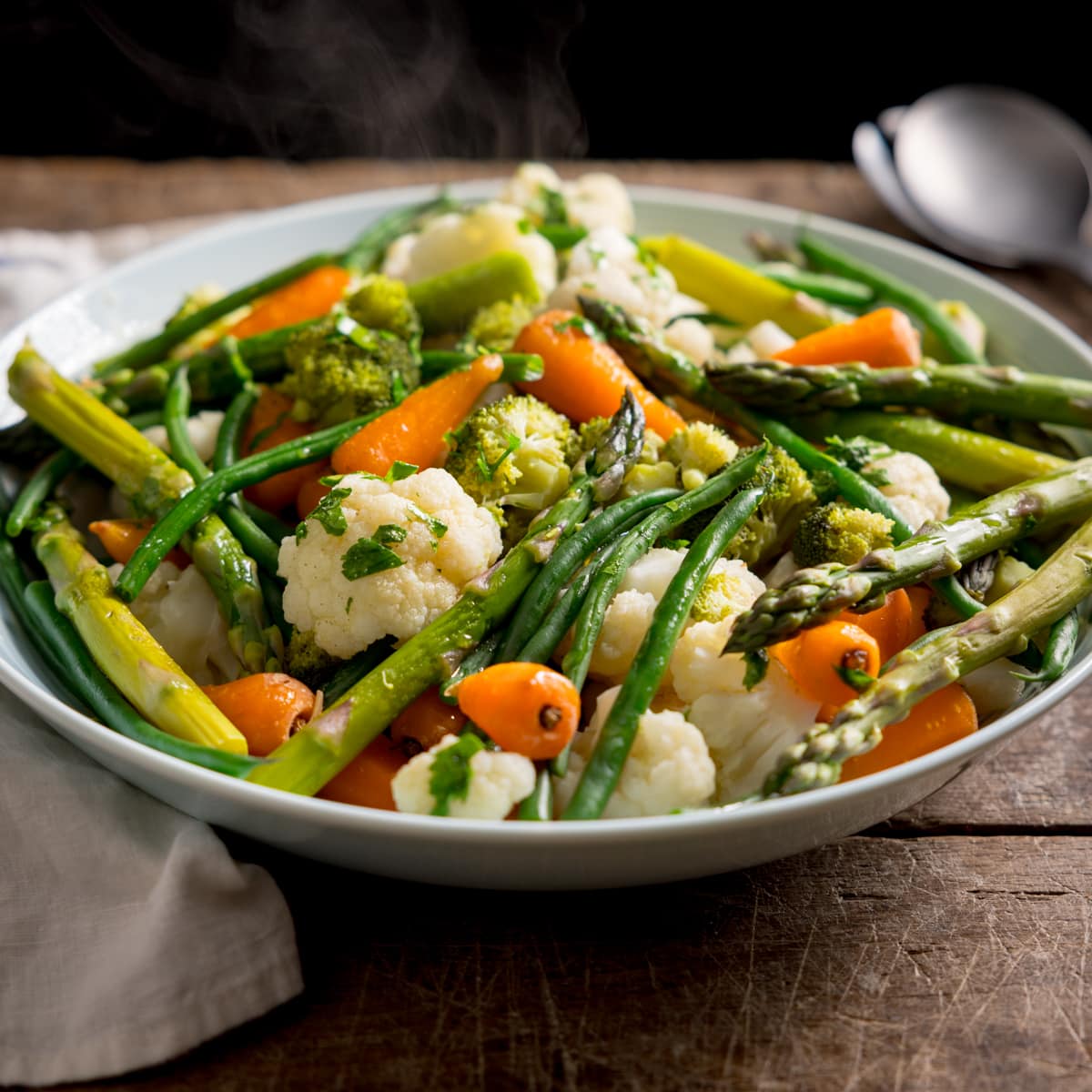
Serve your vegetable boil with crusty bread. It soaks up the juices nicely. A light salad adds crunch and freshness. Rice or quinoa makes the meal more filling. For extra protein, try grilled chicken or fish. These sides balance the softness of boiled vegetables.
Garnishes And Toppings
Sprinkle fresh herbs like parsley or dill over the boil. A squeeze of lemon juice brightens the flavors. Add a dollop of butter or a drizzle of olive oil. Chopped green onions or chives add color and taste. A little grated cheese can add richness.
Storage And Reheating Tips
Cool leftover vegetable boil before storing in airtight containers. Keep in the refrigerator for up to three days. Reheat gently on the stove or in the microwave. Add a splash of water to keep vegetables moist. Avoid overheating to keep vegetables from getting mushy.
Credit: www.kitchensanctuary.com
Frequently Asked Questions
What Vegetables Are Best For A Vegetable Boil?
Root vegetables like potatoes, carrots, and corn are ideal. Green beans, cabbage, and broccoli also work well. Choose fresh, firm vegetables for best texture and flavor.
How Long Does A Vegetable Boil Take To Cook?
A vegetable boil typically takes 15 to 25 minutes. Root vegetables need more time than softer vegetables. Check doneness by piercing with a fork.
Can I Add Seasonings To A Vegetable Boil?
Yes, adding seasonings enhances flavor. Common options include salt, pepper, garlic, and bay leaves. Herbs like thyme or rosemary work well too.
Is A Vegetable Boil Healthy And Nutritious?
Yes, it retains most nutrients when boiled briefly. It’s low in calories and high in fiber. It’s a great way to enjoy fresh vegetables.
Conclusion
This vegetable boil recipe brings fresh flavors to your table. It cooks quickly and uses simple ingredients. You can enjoy it as a side or a main dish. Perfect for family meals or casual dinners. Try different vegetables to change the taste easily.
It’s healthy, tasty, and easy to make. A great way to eat more veggies every day. Give this recipe a try and enjoy a warm, comforting meal. Simple, good food that everyone will like.
