


Are you ready to create your very own delicious strawberry wine at home? Making a 5-gallon batch might sound tricky, but with the right recipe, it’s easier than you think.
Imagine enjoying a glass of sweet, fruity wine made from fresh strawberries you picked yourself. This guide will walk you through every step, helping you turn simple ingredients into a tasty wine you’ll be proud of. Keep reading, and you’ll discover how to make strawberry wine that’s perfect for any occasion.
Your homemade wine adventure starts here!
Ingredients Needed
Making strawberry wine at home requires a few key ingredients. These ingredients create the perfect balance of sweetness and flavor. Choosing the right components helps you craft delicious wine. Here is what you need for a 5-gallon batch of strawberry wine.
Fresh Strawberries
Use ripe, fresh strawberries for the best flavor. Clean and remove stems before using. About 8 to 10 pounds of strawberries works well. Fresh berries give a natural sweetness and aroma. Avoid frozen or overripe fruit to keep the taste clean.
Sugar And Water
Sugar is essential to boost fermentation and alcohol content. Use 5 to 6 pounds of granulated sugar. Water balances the mixture and helps dissolve the sugar. Clean, filtered water is best. The right sugar-to-water ratio ensures smooth fermentation.
Yeast Selection
Choose wine yeast for better alcohol tolerance. Lalvin EC-1118 or Red Star Premier Blanc are good choices. Yeast converts sugar into alcohol and carbon dioxide. Using the right yeast gives your wine a clean finish. Avoid baking yeast as it can create off-flavors.
Additional Flavorings
You can add lemon juice to balance sweetness and add acidity. Campden tablets help stop wild yeast and bacteria. Pectic enzyme breaks down fruit and clears the wine. These extras improve clarity and flavor depth. Use them carefully for best results.
Equipment Required
Making strawberry wine requires some basic equipment. Each tool plays a key role in the process. Using the right equipment helps you get the best taste and quality. This section lists all items needed for a 5-gallon batch.
Fermentation Vessel
The fermentation vessel holds the wine while it ferments. A 6-gallon glass carboy or food-grade plastic bucket works well. It must have a wide mouth for stirring and adding ingredients. Glass is easy to clean and won’t affect flavor. Plastic buckets are lighter and less fragile.
Airlock And Stopper
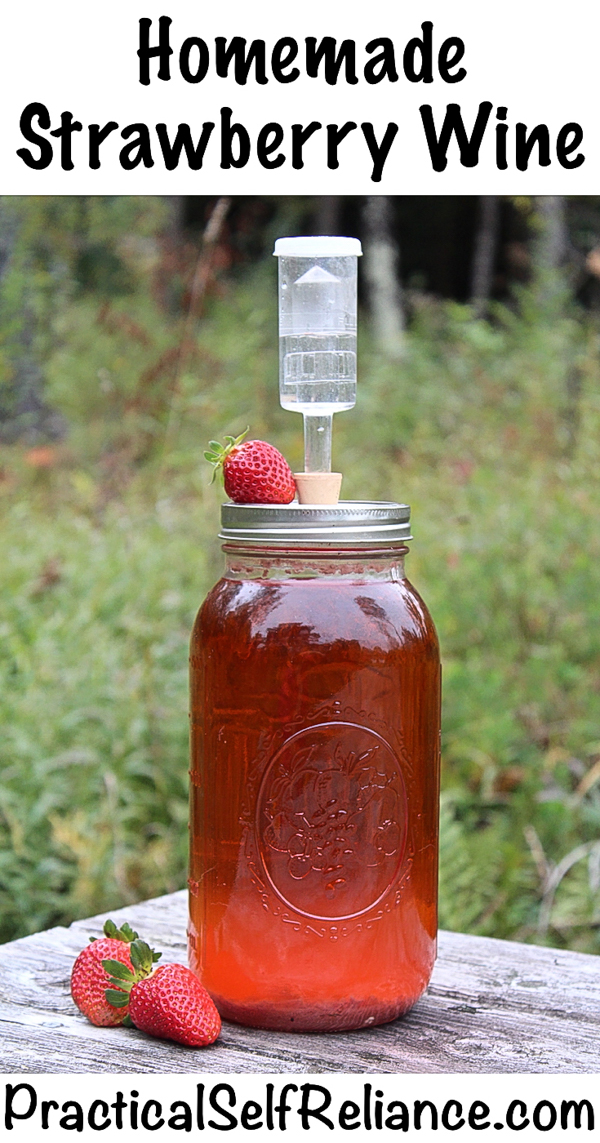
The airlock lets gas escape during fermentation. It keeps air and bacteria out. Fit the airlock into a rubber stopper that seals the vessel’s opening. This setup prevents contamination and helps fermentation finish smoothly. Fill the airlock with water or sanitizer before use.
Sanitizing Supplies
Sanitizing all equipment is crucial. Use a no-rinse sanitizer made for winemaking. Clean tools, vessels, and surfaces before starting. This stops bad bacteria from spoiling the wine. Proper sanitation helps the fermentation stay healthy and clean.
Bottling Tools
Bottling requires a siphon tube to transfer wine without oxygen. Use wine bottles with corks or screw caps. A corker helps insert corks firmly. Clean bottles and caps before filling. Proper bottling keeps wine fresh and ready to age.
Preparing The Strawberries
Preparing the strawberries is a key step in making delicious strawberry wine. Fresh, clean strawberries bring out the best flavor. Proper preparation also helps the fermentation process. Taking time to wash, hull, and crush the strawberries carefully improves the final taste and quality.
Washing And Hulling
Start by washing the strawberries gently under cold water. Remove dirt and any chemicals. Avoid soaking them; quick rinsing works best. Next, hull the strawberries by removing the green leafy tops. Use a small knife or a hulling tool. Make sure to remove only the green parts, leaving the red fruit intact.
Crushing Techniques
After washing and hulling, crush the strawberries to release their juice. Use a clean masher or your hands. Avoid over-crushing to keep some texture. Crushed strawberries allow yeast to access sugars easily. This step helps the fermentation process start smoothly and enhances flavor extraction.
Credit: getbrewsy.com
Mixing The Must
Mixing the must is a key step in making strawberry wine. It means combining the fruit juice, sugar, and other ingredients before fermentation. This step affects the taste and quality of the wine. Proper mixing helps the yeast work well. It also balances the sweetness and flavor.
Combining Ingredients
Start by crushing fresh strawberries to get their juice. Pour the juice into a large container. Add water to reach five gallons total. Stir gently to mix the juice and water. This creates the base for your wine.
Adjusting Sugar Levels
Check the sugar level using a hydrometer. Sugar helps the yeast create alcohol. Add sugar little by little to reach the right amount. Stir well until the sugar dissolves. Proper sugar level ensures good fermentation and taste.
Adding Yeast
Choose a wine yeast suitable for fruit wines. Sprinkle the yeast over the must surface. Wait a few minutes for it to activate. Stir the must gently to mix the yeast evenly. This starts the fermentation process that turns juice into wine.
Fermentation Process
The fermentation process is the heart of making strawberry wine. It changes sweet juice into tasty wine using natural yeast. This step needs care and patience. The right conditions help yeast work well and produce good flavor.
Primary Fermentation
Primary fermentation starts soon after mixing ingredients. Yeast eats the sugar in strawberry juice. It turns sugar into alcohol and carbon dioxide. This stage usually lasts seven to ten days. The wine must be kept in a clean container with a lid.
Monitoring Temperature
Temperature affects yeast activity a lot. Keep the fermentation area between 65°F and 75°F. Too hot or too cold slows down or stops yeast. Check the temperature daily. Use a thermometer for accuracy. Stable warmth leads to smooth fermentation.
Signs Of Active Fermentation
Bubbles rising in the liquid show active fermentation. Foam or froth on the surface is another sign. You may hear soft fizzing sounds. The smell can be fruity or yeasty. These signs mean yeast is working well and making wine.
Credit: wholefully.com
Racking And Clarifying
Racking and clarifying are important steps in making strawberry wine. These steps help improve the wine’s taste and appearance. By moving the wine carefully and clearing out particles, the wine becomes cleaner and smoother. This part of the process takes patience and care, but it is worth the effort.
Transferring Wine
Transferring, or racking, means moving wine from one container to another. Do this slowly to avoid stirring up sediment. Use a siphon tube to help move the wine gently. This step stops the wine from tasting bitter or cloudy. Keep the wine away from air as much as possible to prevent spoilage.
Removing Sediment
Sediment is the solid bits that settle at the bottom. Removing it makes the wine clear and nice to drink. After racking, check the bottom of the container for sediment. Pour the wine carefully, leaving the sediment behind. Repeat this process until the wine looks clear and bright.
Using Fining Agents
Fining agents help clear the wine faster. They attract tiny particles and make them settle quickly. Add the right amount according to the recipe. Stir gently and let the wine rest for a few days. The wine will become clearer and smoother in taste.
Aging And Bottling
Aging and bottling are key steps in making strawberry wine. These stages affect the taste, clarity, and quality of your wine. Proper care during aging helps the flavors develop and smooth out. Bottling correctly keeps your wine fresh and ready to enjoy.
Optimal Aging Time
Strawberry wine benefits from aging for at least three to six months. This time lets the fruity flavors blend and soften. Avoid rushing this step. Taste your wine every month. Stop aging when the taste feels balanced and smooth.
Selecting Bottles
Choose clean, dark glass bottles to protect wine from light. Dark bottles help maintain flavor and color. Use bottles with a narrow neck to reduce air contact. Make sure bottles are free from cracks or chips to avoid leaks.
Sealing And Storage
Seal bottles tightly with corks or screw caps. This stops oxygen from spoiling the wine. Store bottles lying down in a cool, dark place. Keep a steady temperature around 55°F (13°C) for best results. Avoid places with strong smells or vibrations.
Tips For Perfect Flavor
Making strawberry wine at home is fun and rewarding. Perfect flavor needs care and attention. Small changes can make a big difference in taste. Follow these tips to get the best result from your 5 gallon recipe.
Balancing Sweetness And Acidity
Strawberries have natural sweetness and acidity. Balancing these two is key for smooth wine. Use a hydrometer to check sugar levels before fermentation. Adjust sugar to reach the right sweetness. Taste the mixture often to keep acidity in check. Too much acid makes the wine sharp. Too little makes it flat. Add lemon juice or acid blend little by little. Stir well and test after each addition.
Avoiding Common Mistakes
Cleanliness is vital. Always sterilize all tools and containers. Contamination spoils the wine quickly. Avoid rushing the fermentation process. Let the wine ferment fully for clear, crisp flavor. Do not open the fermenter too often. This invites unwanted bacteria and oxygen. Use proper yeast for strawberry wine. Different yeasts bring different flavors and strengths. Follow the recipe’s instructions closely for best results.
Enhancing Aroma
Aroma makes strawberry wine enjoyable and fresh. Use ripe, fragrant strawberries for strong smell. Add natural flavor boosters like vanilla beans or cinnamon sticks. Add these during secondary fermentation for subtle aroma. Avoid artificial flavorings that can taste fake. Bottle the wine in dark glass to protect aroma from light. Store in a cool, dark place. Proper aging improves aroma and taste over time.
Credit: practicalselfreliance.com
Frequently Asked Questions
What Ingredients Are Needed For Strawberry Wine 5 Gallon Recipe?
You need fresh strawberries, sugar, water, wine yeast, and acid blend. These create a balanced and flavorful wine. Quality ingredients ensure better taste and fermentation success.
How Long Does Strawberry Wine Take To Ferment?
Primary fermentation takes about 7-10 days. Secondary fermentation lasts 4-6 weeks. Aging improves flavor and clarity, requiring 3-6 months total.
Can I Use Frozen Strawberries For This Wine Recipe?
Yes, frozen strawberries can be used. Thaw and crush them before fermentation. Fresh berries often yield better flavor but frozen is a good alternative.
What Is The Alcohol Content Of Homemade Strawberry Wine?
The alcohol content usually ranges from 10-13% ABV. It depends on sugar levels and yeast efficiency. Proper fermentation helps achieve desired strength.
Conclusion
Strawberry wine is a tasty and fun drink to make at home. This 5-gallon recipe is simple and perfect for beginners. Fresh strawberries add a sweet, fruity flavor you will enjoy. Take your time with each step for best results.
Soon, you will have a smooth, refreshing wine ready to share. Try this recipe and enjoy the process of homemade wine. It brings joy and a sense of pride in every glass. Cheers to your strawberry wine journey!
