

Living with a stoma can change the way you approach meals, but it doesn’t mean you have to give up on tasty, satisfying food. You might wonder what you can eat that feels good and supports your health.
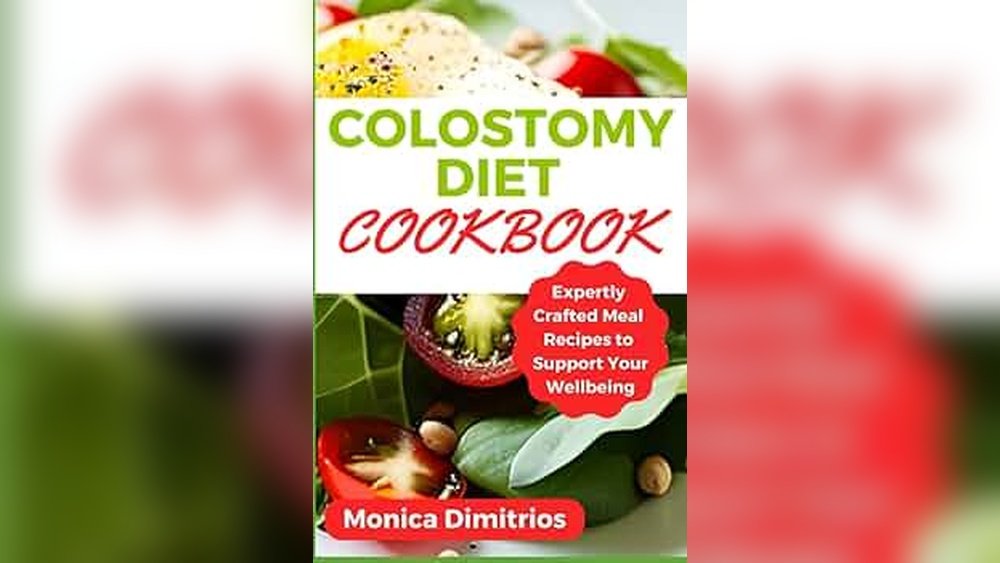
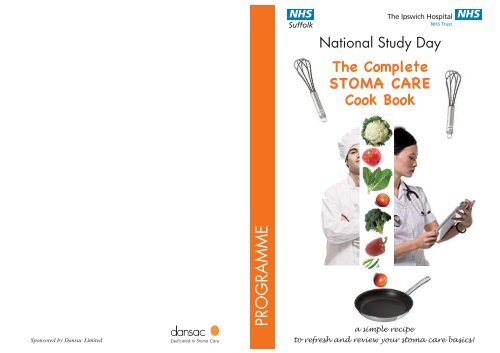
That’s where a Stoma Recipe Book becomes your best friend. Imagine having easy, delicious recipes designed just for you—recipes that keep your digestion comfortable and bring joy back to your plate. This guide is made to help you discover meals that fit your lifestyle without stress or confusion.
Ready to find out how simple, flavorful cooking can make a real difference in your day? Keep reading to unlock recipes that work for your stoma and your taste buds.
Credit: www.yumpu.com
Stoma-friendly Ingredients
Choosing the right ingredients is key for a stoma-friendly diet. These foods help keep digestion smooth and reduce discomfort. This section highlights safe and healthy options for people with a stoma. Simple choices make meal planning easier and more enjoyable.
Best Proteins For Stoma Diet
Lean meats like chicken and turkey digest well. Eggs offer gentle protein and are easy to prepare. Fish, especially white fish, is soft and stoma-friendly. Tofu and smooth nut butters provide plant-based protein alternatives. Avoid tough, fatty cuts that may cause irritation.
Vegetables And Fruits To Include
Cooked carrots, zucchini, and peeled potatoes work well. Soft fruits like bananas and melons are gentle on the stomach. Applesauce and canned fruits without seeds reduce digestion issues. Avoid raw or fibrous veggies that may cause gas or blockages.
Grains And Carbohydrates Choices
White rice and refined pasta are easy to digest. Oatmeal and smooth cereals offer good fiber without harsh effects. Bread without seeds or nuts reduces irritation risks. Avoid whole grains with tough husks that may cause discomfort.
Avoiding Common Trigger Foods
Spicy foods can irritate the digestive tract. Fried and greasy items slow digestion and cause problems. Foods with seeds or skins may block the stoma. Carbonated drinks often cause gas and bloating. Focus on simple, mild foods for comfort.
Credit: www.amazon.com
Meal Planning Tips
Planning meals for a stoma can feel tricky at first. Choosing foods that are gentle and tasty matters a lot. Good meal planning helps avoid discomfort and keeps energy up. Careful preparation makes daily eating easier and more enjoyable.
Balancing Nutrition And Taste
Focus on meals that provide needed nutrients and flavor. Fresh vegetables, lean proteins, and whole grains work well. Use herbs and mild spices to add taste without irritation. Avoid foods that cause gas or blockages. Small changes can improve how food feels and tastes.
Portion Control Strategies
Eating smaller, frequent meals helps digestion and stoma health. Large meals may cause discomfort or blockages. Use smaller plates to keep portion sizes right. Listen to your body’s signals of fullness and hunger. Balanced portions support steady energy throughout the day.
Preparing Meals Ahead
Cook extra portions and store them for busy days. Freezing meals saves time and reduces stress. Pre-cut vegetables and measured ingredients speed up cooking. Having ready meals helps keep a good diet. Planning saves effort and supports good eating habits.
Adapting Recipes For Different Stoma Types
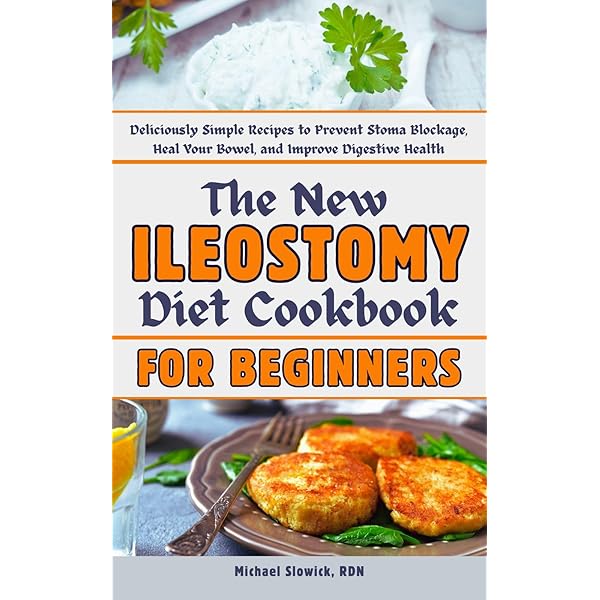
Each stoma type needs special care with food choices. Colostomy and ileostomy may require different textures and fiber levels. Modify recipes by adjusting cooking times and ingredients. Soft, easy-to-digest foods often work best. Tailor meals to suit your specific needs.
Breakfast Recipes
Breakfast is an important meal for people with a stoma. It gives energy and helps start the day well. Choosing the right foods can make digestion easier and keep you feeling good. This section shares simple and tasty breakfast recipes for stoma care.
These recipes focus on easy-to-digest foods. They support your body and suit your dietary needs. Enjoy a variety of options to keep breakfast interesting and healthy.
Quick And Nutritious Options
Simple meals save time and provide good nutrition. Try scrambled eggs with soft cheese. Oatmeal made with water or milk is gentle on your stomach. Add a little honey or mashed banana for sweetness. Toast with avocado spread gives healthy fats without fiber overload. These options fuel your body and take little effort.
Smoothies And Drinks
Smoothies are easy to digest and quick to prepare. Use low-fiber fruits like bananas or peeled apples. Add yogurt or milk for protein and creaminess. Avoid seeds and skins to protect your stoma. A small amount of nut butter boosts energy. Drink slowly to avoid discomfort.
Low-fiber Breakfast Ideas
Low-fiber foods reduce the risk of blockage. White bread or plain crackers work well. Soft cooked vegetables like carrots or zucchini are gentle. Cottage cheese or mild cheeses provide protein without fiber. Boiled or poached eggs are easy to digest. These meals support your stoma health and keep digestion smooth.

Credit: www.amazon.com
Lunch And Dinner Ideas
Lunch and dinner can be both tasty and easy to prepare for those with a stoma. Choosing the right meals helps maintain energy and comfort throughout the day. This section offers simple ideas that support a healthy diet and fit special needs.
Hearty Soups And Stews
Soups and stews are gentle on the stomach and easy to digest. Use soft vegetables like carrots, potatoes, and zucchini. Add lean meats or beans for protein. Cook until everything is tender. These meals warm you up and provide lasting energy.
Light And Easy Salads
Salads can be fresh, light, and nourishing. Use soft greens like spinach or butter lettuce. Add cooked vegetables or small pieces of fruit for flavor. Include a simple dressing made with olive oil and lemon juice. Avoid raw crunchy veggies to protect your stoma.
Protein-packed Main Courses
Protein helps repair the body and keeps you full longer. Choose soft cooked chicken, fish, or eggs. Beans and tofu work well too. Serve with well-cooked rice or mashed potatoes. Season lightly to avoid irritation. These meals support healing and energy.
Snacks And Sides
Snacks and sides are important parts of a stoma-friendly diet. They help keep energy levels steady throughout the day. Choosing the right snacks and sides can support digestion and comfort. This section offers simple ideas that are gentle on the stomach and easy to prepare.
Healthy Snack Choices
Pick snacks that are low in fiber and easy to digest. Soft fruits like bananas and peeled apples work well. Rice cakes and plain crackers provide light crunch without irritation. Yogurt with live cultures can soothe the digestive system. Small portions help avoid discomfort and bloating.
Stoma-safe Dips And Spreads
Choose dips that are smooth and mild. Hummus made from well-cooked chickpeas is a good option. Cream cheese or mashed avocado offer creamy textures without harsh spices. Avoid chunky or spicy dips that may cause irritation. Serve with soft bread or mild vegetables for easy eating.
Simple Side Dishes
Side dishes should complement the main meal without adding stress to digestion. Steamed carrots, zucchini, or peeled potatoes are gentle choices. Cooked grains like white rice or quinoa digest easily. Avoid raw vegetables and heavy sauces. Keep sides light and flavorful for better comfort.
Desserts And Treats
Desserts and treats are a delightful part of any meal. For those with a stoma, finding suitable sweet options can feel challenging. This section offers simple ideas and tips for enjoying desserts safely. Sweet flavors can still be part of your diet without causing discomfort. Explore low-fiber sweets, fresh fruit dishes, and useful baking advice.
Low-fiber Sweet Options
Choose sweets with low fiber to avoid irritation. Plain cakes, custards, and gelatin desserts work well. White bread puddings or simple cookies can also be safe. Avoid nuts, seeds, and whole grains in these treats. These options help keep your digestion smooth and pain-free.
Fruit-based Desserts
Use peeled or cooked fruits for gentle sweetness. Applesauce, ripe bananas, and canned peaches are great choices. Avoid fruits with skins or seeds, like berries or grapes. Baking fruits softens them and makes digestion easier. Fruit smoothies with low-fiber ingredients can be tasty too.
Stoma-friendly Baking Tips
Use refined flours instead of whole grains for baking. Choose natural sweeteners like honey or white sugar. Avoid adding nuts, seeds, or dried fruits. Bake at moderate temperatures to keep treats moist. Small portions help avoid overloading your digestive system. These tips make homemade desserts safer and enjoyable.
Hydration And Fluids
Hydration plays a key role in stoma care. Drinking enough fluids helps keep the body balanced. It supports digestion and helps prevent common stoma problems. Choosing the right drinks can make a big difference in daily comfort and health.
Understanding which fluids work best helps maintain good hydration. This knowledge supports overall well-being and helps avoid complications.
Best Drinks For Stoma Health
Water is the top choice for stoma health. It hydrates without causing irritation. Herbal teas, like chamomile or peppermint, soothe the stomach. Clear broths provide hydration and gentle nutrients. Avoid sugary or caffeinated drinks that may upset the stoma.
Avoiding Dehydration
Dehydration can cause fatigue and slow healing. Drink small amounts often throughout the day. Signs include dark urine and dry mouth. Keep a water bottle nearby to remind yourself to drink. Eating fruits with high water content can also help.
Incorporating Electrolytes
Electrolytes balance fluids and support muscle function. Include drinks with sodium, potassium, and magnesium. Coconut water is a natural source. Oral rehydration solutions work well after exercise or illness. Avoid drinks with too much sugar or artificial additives.
Common Challenges And Solutions
Living with a stoma comes with unique challenges. Food and digestion often change. These challenges can affect daily life and health. Finding simple solutions helps improve comfort and well-being. This section covers common problems and easy ways to handle them.
Managing Bloating And Gas
Bloating and gas are common after stoma surgery. Certain foods cause more gas, like beans, cabbage, and onions. Eating slowly helps reduce swallowed air. Drinking water regularly aids digestion. Gentle exercise can also relieve bloating. Keeping a food diary identifies triggers. Avoid carbonated drinks that increase gas. Small, frequent meals reduce pressure on the stomach. These steps help control discomfort and improve digestion.
Dealing With Food Blockages
Food blockages can be painful and dangerous. They often occur with fibrous or hard-to-digest foods. Chewing food well is very important. Drinking plenty of fluids softens food in the gut. Avoid nuts, seeds, and tough meats at first. Eating smaller portions helps prevent blockage. If blockage happens, rest and sip warm fluids. Seek medical help if pain or swelling grows. Learning which foods cause problems keeps blockages away.
Adjusting To Taste Changes
Taste changes are common after stoma surgery. Some foods may taste bland or different. Strong spices and herbs can improve flavor. Trying new recipes keeps meals enjoyable. Eating colorful fruits and vegetables boosts appetite. Small, frequent meals help maintain energy. Experimenting with textures makes eating fun again. Patience is key while the body adjusts. These tips make food more appealing and satisfying.
Frequently Asked Questions
What Is A Stoma Recipe Book?
A stoma recipe book offers meal ideas tailored for people with stomas. It includes nutritious, easy-to-digest recipes. These recipes help manage digestion and avoid blockages. It supports maintaining a balanced diet and improving quality of life.
Why Are Stoma-friendly Recipes Important?
Stoma-friendly recipes reduce the risk of digestive discomfort and blockages. They provide nutrients that suit altered digestion. This helps users maintain energy and health. The recipes also help manage fluid and salt balance effectively.
Can Stoma Recipes Improve Digestion?
Yes, stoma recipes focus on gentle, easily digestible foods. They avoid high-fiber and gas-producing ingredients. This reduces bloating and discomfort. Well-planned meals support smoother digestion and better nutrient absorption.
Are Stoma Recipe Books Suitable For Beginners?
Absolutely, stoma recipe books often include simple, clear instructions. They cater to various skill levels. Beginners can easily follow them to prepare safe and tasty meals. This builds confidence in managing dietary needs.
Conclusion
A stoma recipe book helps make cooking simple and safe. It offers easy recipes that suit your needs well. You can enjoy tasty meals without worry. Eating becomes more enjoyable and less stressful. This book supports your health and daily life.
Try new dishes and feel confident in the kitchen. Cooking can be fun and creative again. A good recipe book is a helpful guide for you. It makes living with a stoma easier every day.
