


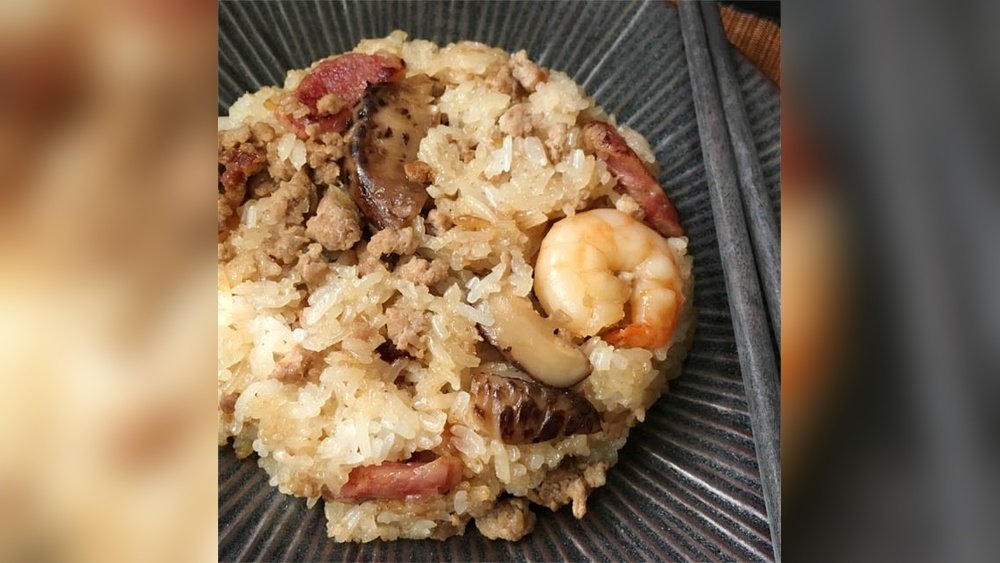
Are you ready to make perfect sticky rice right at home? Whether you’re craving a comforting side dish or want to impress your family with an authentic recipe, this sticky rice cooker recipe will be your new favorite.
You don’t need fancy skills or complicated steps—just your rice cooker and a few simple ingredients. Stick with me, and I’ll show you how to get that soft, chewy texture every time. Get ready to transform your meals with this easy and delicious recipe!
Choosing The Right Rice
Choosing the right rice is key for a perfect sticky rice cooker recipe. The type of rice affects texture and taste. Sticky rice must be soft and clingy after cooking. Picking the correct rice helps you get the best results every time.
Types Of Sticky Rice
Sticky rice is also called glutinous rice or sweet rice. It is different from regular white rice. It has a higher starch content, which makes it sticky.
There are two main types: white sticky rice and black sticky rice. White sticky rice is the most common and easiest to find. It has a mild flavor and a soft, sticky texture.
Black sticky rice has a nutty taste and a dark color. It is healthier and richer in nutrients. Both types work well in sticky rice cooker recipes.
Where To Buy Quality Rice
Find quality sticky rice at Asian grocery stores. These stores often have authentic glutinous rice. Look for rice labeled as “sticky rice” or “glutinous rice.”
Online stores also sell good sticky rice. Check customer reviews before buying. Fresh rice has a pleasant smell and no signs of damage.
Buy rice in small amounts to keep it fresh. Store rice in a cool, dry place in an airtight container.
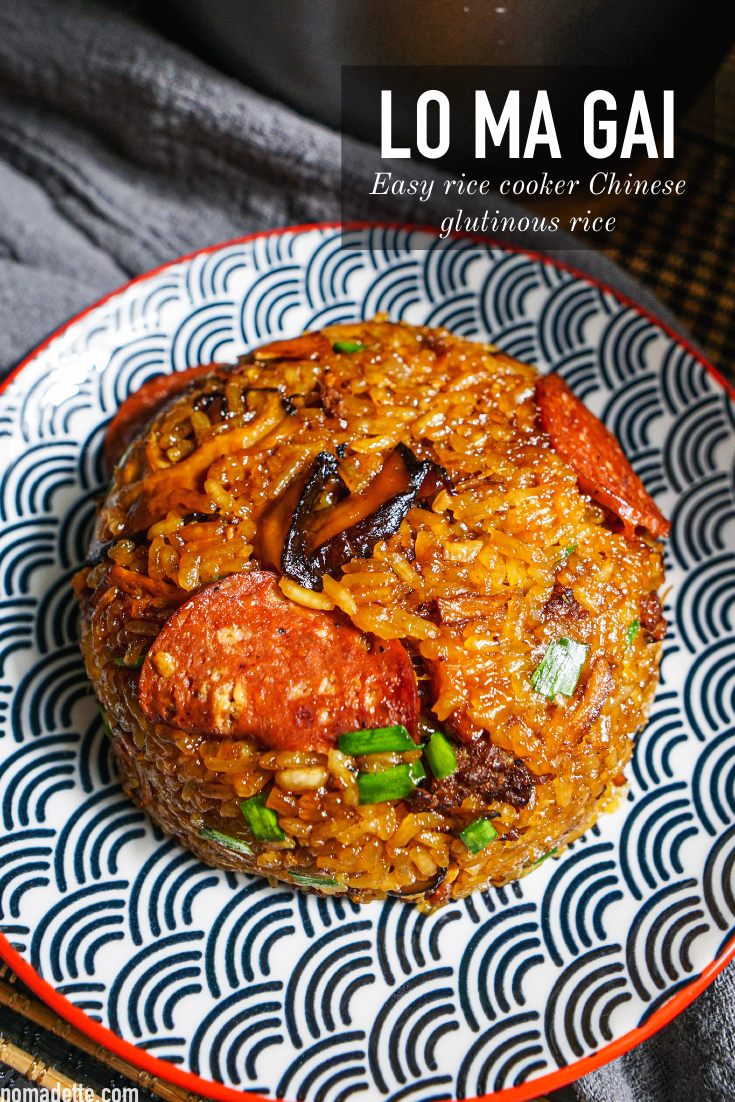
Credit: nomadette.com
Preparing Sticky Rice
Sticky rice needs special care to cook well. Proper preparation gives it the right texture and flavor. The first steps are washing and soaking. These affect how soft and sticky the rice becomes.
Sticky rice is different from regular rice. It has more starch, which helps it stick together. Washing removes extra starch on the surface. Soaking allows the grains to absorb water. This helps the rice cook evenly and stay tender.
Washing And Soaking Tips
Place sticky rice in a large bowl. Rinse it with cold water. Gently stir the rice with your hand. Pour out the cloudy water. Repeat this process two to three times.
Be gentle to avoid breaking the grains. Do not over-wash. The goal is to clean, not remove all starch. After washing, drain the rice well before soaking.
Ideal Soaking Duration
Soak the rice in clean, cold water. Use enough water to cover the rice completely. Soaking time depends on the rice type and temperature.
For best results, soak sticky rice for at least 4 hours. Overnight soaking is better for softer texture. Do not soak longer than 12 hours to avoid fermentation.
After soaking, drain the rice before cooking. Proper soaking ensures even cooking and perfect stickiness.
Using A Rice Cooker
Using a rice cooker makes cooking sticky rice simple and consistent. This kitchen tool helps control heat and steam for perfect texture. It saves time and effort compared to traditional methods.
Sticky rice cooks evenly in a rice cooker. The appliance keeps moisture and temperature steady. This creates soft, chewy rice every time, ideal for many dishes.
Selecting The Right Cooker
Choose a rice cooker with a sticky rice or brown rice setting. These settings control cooking time and temperature well. A cooker with a non-stick pot prevents rice from sticking. Pick one with a clear measuring cup and scoop for easy use. Size matters. A small cooker is good for 1-2 people. Larger cookers suit families or meal prep.
Setting The Perfect Cooking Time
Sticky rice usually needs longer cooking than regular white rice. Soak the rice for 4-6 hours before cooking. Use the sticky rice setting if your cooker has one. If not, cook rice on the brown rice setting. This setting uses lower heat and more time. Let the rice rest in the cooker for 10-15 minutes after cooking. This helps moisture spread evenly. Avoid opening the lid during cooking to keep steam inside.
Step-by-step Cooking Guide
Cooking sticky rice in a rice cooker is simple with clear steps. Follow this guide to get soft, chewy rice every time. The process needs careful measuring and attention to water levels. Perfect sticky rice needs the right balance of moisture and heat. This step-by-step guide will help you prepare delicious sticky rice easily.
Measuring Rice And Water
Start by measuring the sticky rice. Use a standard cup to keep it consistent. Rinse the rice in cold water until the water runs clear. This removes excess starch and improves texture. Next, add water to the rice cooker. The amount of water should be slightly less than the rice volume. Usually, use about 1 cup of water for every 1.25 cups of rice. Too much water makes the rice mushy. Too little water leaves it dry and hard.
Starting The Cooking Process
Place the rice and water in the rice cooker bowl. Close the lid firmly to keep steam inside. Turn the rice cooker on and select the standard cooking setting. Avoid opening the lid during cooking. The steam cooks the rice evenly and makes it sticky. The cooker will switch off or beep when done. Let the rice sit inside for 10 minutes after cooking. This resting time helps the rice firm up and improves taste.
Checking For Doneness
Open the lid carefully after the resting period. Fluff the rice gently with a rice paddle or fork. Check if the grains are soft and sticky. If the rice is too wet or hard, add a little water and cook a few more minutes. Sticky rice should be tender but not mushy. With practice, you will know the perfect texture. Enjoy your sticky rice as a base for many dishes.
Enhancing Flavor
Enhancing the flavor of sticky rice cooked in a rice cooker brings more joy to every bite. Simple changes can make your sticky rice richer and more delicious. Using the right ingredients boosts the taste without extra effort. This section explores easy ways to improve flavor using coconut milk, sweeteners, and salt. These tips help create a perfect balance of sweet and savory.
Adding Coconut Milk
Coconut milk adds creaminess to sticky rice. Pour it into the rice cooker with water before cooking. The rice absorbs the milk, gaining a soft texture and mild coconut flavor. Use full-fat coconut milk for the best taste. This step makes the rice richer and more fragrant. It pairs well with desserts and savory dishes alike.
Incorporating Sweeteners And Salt
A pinch of salt enhances the natural flavor of sticky rice. It brings out sweetness and balances the richness of coconut milk. Small amounts of sugar or palm sugar add gentle sweetness. Stir these into the liquid before cooking. Avoid too much sugar to keep the flavor subtle. This simple mix creates a perfect blend of sweet and salty notes.
Serving Suggestions
Sticky rice cooked perfectly in a rice cooker is a versatile dish. It can be served in many ways to suit different tastes. Understanding the best serving suggestions helps you enjoy this rice fully. Here are some ideas to inspire your next meal.
Traditional Pairings
Sticky rice is a staple in many Asian cuisines. It pairs wonderfully with grilled meats like chicken, pork, or beef. Try it with spicy papaya salad for a classic Thai meal. Coconut milk and mango make a popular sweet pairing. Serve sticky rice alongside steamed vegetables for a balanced plate. Dipping sauces like chili or peanut sauce enhance the flavors.
Creative Serving Ideas
Sticky rice can be part of a creative dish too. Use it as a base for sushi rolls or rice balls. Mix it with herbs and spices for a fresh rice salad. Add cooked sticky rice to soups to thicken and add texture. Top sticky rice with fruit and nuts for a healthy dessert. Experiment with different sauces for unique flavors. This rice adapts well to both sweet and savory dishes.
Troubleshooting Tips
Sticky rice is delicious but tricky to cook perfectly. Many people face issues with texture and moisture. This section helps fix common problems. Follow these tips to get great sticky rice every time.
Fixing Too Sticky Or Too Dry Rice
Too sticky rice feels mushy and clumps together. Reduce water slightly next time. Rinse rice well before cooking to remove extra starch. Use the right rice type. Sticky rice should be short-grain or glutinous rice.
Too dry rice is hard and crumbly. Add a little more water during cooking. Let the rice steam after cooking for 5 to 10 minutes. Cover the pot tightly to keep moisture in.
Common Mistakes To Avoid
Do not skip rinsing rice. Starch causes rice to be too sticky or gummy. Avoid opening the lid during cooking. Steam escapes and affects the texture. Use the correct water-to-rice ratio. Each cooker might need a slight adjustment.
Never stir rice while cooking. Stirring breaks grains and makes rice mushy. Use fresh rice for best results. Old rice absorbs water differently and changes the texture.

Credit: teerangathome.com
Cleaning And Maintenance
Keeping your sticky rice cooker clean is important. It helps the cooker last longer and work well. Dirt and food bits can cause problems if left inside. Regular cleaning keeps every part fresh and ready for the next use.
Cleaning also stops bad smells and keeps your rice tasting great. It is easy to do. A little care after each use saves time and trouble later.
Rice Cooker Care Tips
Unplug the cooker before cleaning to stay safe. Use a soft cloth or sponge with warm water. Avoid harsh scrubbing that can damage the surface. Clean the inner pot gently to keep the non-stick layer safe. Dry all parts well before putting them back together.
Preventing Residue Build-up
Rinse the inner pot right after cooking. Sticky rice can leave a thin layer that hardens quickly. Use warm water to loosen stuck bits before they dry. Avoid metal utensils that scratch the pot’s surface. Regular cleaning prevents thick residue and keeps your cooker shiny.

Credit: www.marionskitchen.com
Frequently Asked Questions
How Do You Make Sticky Rice In A Rice Cooker?
Rinse the sticky rice until water runs clear. Soak it for at least 4 hours. Drain and place it in the rice cooker. Add water just below the rice level. Cook on the regular setting until done.
What Type Of Rice Is Best For Sticky Rice?
Glutinous or sweet rice is the best choice for sticky rice. It has a higher starch content. This starch makes the rice sticky when cooked. Avoid using long-grain or basmati rice for sticky rice recipes.
Can I Cook Sticky Rice Without Soaking It?
Soaking is essential for sticky rice to cook evenly. It softens the grains and reduces cooking time. Skipping soaking may cause uneven texture and longer cooking. For best results, soak sticky rice for 4 to 6 hours.
How Much Water Do I Add For Sticky Rice?
Use slightly less water than regular rice cooking. The water level should be just below the rice surface. Typically, use a 1:1 water to rice ratio. Adjust slightly based on your rice cooker’s instructions.
Conclusion
Sticky rice cooked in a rice cooker turns out soft and tasty. This simple recipe saves time and effort in the kitchen. Anyone can follow these easy steps for perfect sticky rice. Serve it with your favorite dishes for a delicious meal.
Enjoy the comfort and warmth of homemade sticky rice anytime. Try this recipe soon and see how simple it is. Cooking sticky rice has never been this easy and quick. Give it a go and enjoy every bite!
