


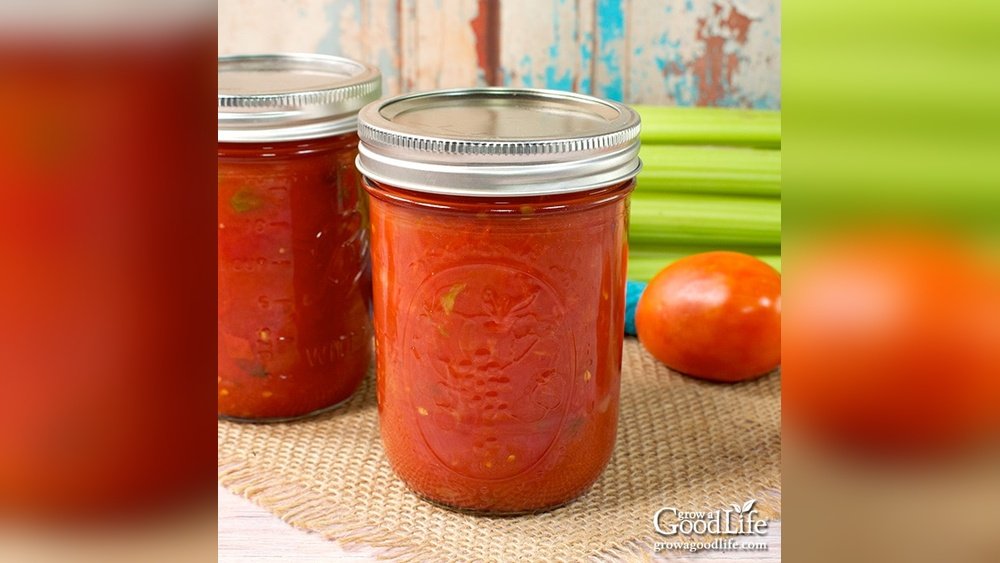
Are you ready to enjoy fresh, flavorful stewed tomatoes all year long? Canning your own stewed tomatoes using the water bath method is easier than you think.
Imagine opening a jar in the middle of winter and tasting the bright, homemade goodness of summer’s harvest. In this guide, you’ll discover simple steps to safely preserve your tomatoes, save money, and bring a touch of home-cooked comfort to your meals anytime.
Keep reading, and you’ll be canning like a pro in no time!

Credit: www.healthycanning.com
Ingredients For Stewed Tomatoes
Preparing stewed tomatoes for canning starts with the right ingredients. Freshness and quality affect the final taste and texture. Knowing what to pick and what to add helps create a delicious batch.
Choosing Fresh Tomatoes
Choose ripe, firm tomatoes without bruises or spots. Roma or plum tomatoes work best for stewing. Their thick flesh cooks down nicely and offers rich flavor. Avoid overripe or soft tomatoes that might spoil quickly.
Additional Ingredients Needed
Besides tomatoes, gather onions, bell peppers, and celery for added taste. Use fresh garlic and a pinch of salt to enhance flavor. Some recipes add sugar or lemon juice for balance and acidity. These ingredients blend well for classic stewed tomatoes.
Preparing Tomatoes For Canning
Preparing tomatoes for canning is an important step in making stewed tomatoes. Fresh and clean tomatoes lead to better taste and safer canned food. Proper preparation helps keep the tomatoes firm and full of flavor. It also makes the cooking and canning process smoother.
Washing And Peeling Tomatoes
Start by washing tomatoes under cold running water. Remove any dirt or debris carefully. Next, blanch the tomatoes by dipping them in boiling water for 30 seconds. Then, immediately place them in ice water to cool. This process loosens the skin, making it easy to peel. Peel off the skins gently with your hands or a small knife.
Chopping And Cooking Steps
After peeling, chop the tomatoes into small pieces. Remove any tough stems or bruised parts. Place the chopped tomatoes in a large pot. Cook them over medium heat until they soften and release juice. Stir often to prevent burning. Cooking helps blend flavors and prepares tomatoes for canning.
Sterilizing Jars And Equipment
Sterilizing jars and equipment is a key step in canning stewed tomatoes safely. It helps kill bacteria and prevents spoilage. Clean jars and lids make sure your canned tomatoes stay fresh longer. Taking time to sterilize keeps your food safe and tasty.
Cleaning Jars Properly
Start by washing jars with hot, soapy water. Use a clean sponge or brush to scrub all sides. Rinse jars well to remove soap. Avoid cracks or chips in jars. These can cause jars to break during canning.
Place jars in a large pot. Cover them with water. Bring water to a boil and boil jars for 10 minutes. Keep jars in hot water until ready to fill. This keeps jars sterile and warm.
Preparing Lids And Bands
Use new lids for each canning session. Wash lids and bands in hot, soapy water. Rinse lids well, but do not boil them. Boiling can damage the sealing compound. Keep lids in hot water until use. Bands can be reused if they are not rusty or bent.
Filling Jars With Stewed Tomatoes
Filling jars with stewed tomatoes is an important step in canning. It helps keep the tomatoes fresh and safe for long storage. Proper filling prevents air pockets and ensures the jars seal tightly.
Take your time to fill the jars carefully. Hot tomatoes go into sterilized jars, leaving the right space at the top. This space is called headspace. It allows for expansion during processing.
Packing Tomatoes Correctly
Spoon the stewed tomatoes into jars gently. Avoid pressing them too hard. Pack the tomatoes to remove large air bubbles but keep their shape.
Use a non-metallic spatula or chopstick to slide around the jar sides. This helps release trapped air. Add more tomatoes if needed to maintain the right headspace.
Adding Lemon Juice Or Acid
Acid is needed to prevent bacteria growth in canned tomatoes. Add lemon juice or bottled vinegar to each jar before filling.
Use two tablespoons of lemon juice per quart jar. For pint jars, add one tablespoon. This step is crucial for safe preservation.
Using The Water Bath Canner
Using a water bath canner is a safe and easy way to preserve stewed tomatoes. This method helps keep the tomatoes fresh for months. It stops bacteria and molds from growing in the jars. You only need a large pot with a lid and a rack.
Setting Up The Water Bath
Place the rack at the bottom of the pot. Add enough water to cover the jars by at least one inch. Heat the water until it reaches a gentle boil. Prepare your jars with stewed tomatoes and seal them properly. Use a jar lifter to place the jars on the rack. Make sure jars do not touch each other.
Processing Time And Temperature
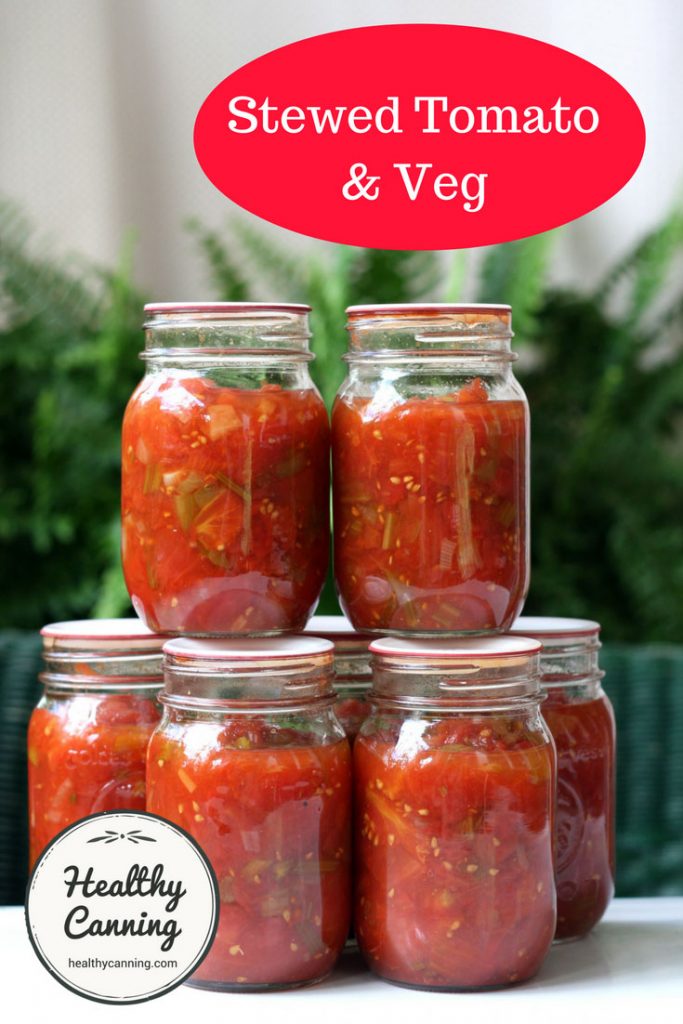
Keep the water boiling steadily during processing. Process the jars for the time recommended in your recipe. Usually, it takes 35 to 45 minutes for stewed tomatoes. Maintain a rolling boil at 212°F (100°C) throughout the time. Turn off the heat and let jars sit in water for 5 minutes. Remove jars carefully and place them on a towel to cool.
Credit: www.healthycanning.com
Cooling And Storing Jars
After canning stewed tomatoes using the water bath method, cooling and storing the jars properly is key. This step helps keep your tomatoes fresh and safe to eat. Proper cooling avoids spoilage and preserves flavor. Storing jars in the right way also extends shelf life. Follow these simple steps to cool and store your jars well.
Cooling Techniques
Remove jars carefully from the water bath. Place them on a towel or cooling rack. Leave space between jars for air to flow. Avoid touching lids or shaking jars. Let them cool for 12 to 24 hours at room temperature. Cooling slowly prevents jar breakage and seal failure.
Checking Seals And Storing Tips
After jars cool, test each lid for a proper seal. Press the center of the lid. It should not pop up or down. If the lid moves, the jar is not sealed. Store sealed jars in a cool, dark place. Avoid direct sunlight or heat sources. Use unsealed jars first or reprocess them. Label jars with date and contents. Rotate jars so you use older ones first.
Troubleshooting Common Issues
Troubleshooting common issues during stewed tomatoes canning helps save your harvest. Small mistakes can cause jars to spoil or seals to fail. Knowing how to prevent and fix these problems ensures safe, tasty canned tomatoes. This guide covers key steps to keep your jars perfect.
Preventing Spoilage
Spoilage happens from bacteria, yeast, or mold growth. Use fresh tomatoes and clean jars. Sterilize jars by boiling them before filling. Avoid overfilling jars to allow space for expansion. Process jars in a boiling water bath for the right time. Cool jars undisturbed for 12 to 24 hours. Store in a cool, dark place. Check for signs like bad smell or cloudiness before use.
Fixing Seal Problems
Seals may not form properly if lids or rims are dirty. Wipe jar rims clean before placing lids. Use new lids for each canning session. Tighten bands just until fingertip tight, not too tight. If a jar doesn’t seal, refrigerate and use quickly. Reprocess jars within 24 hours using new lids. Avoid reusing old lids as they lose sealing ability. Proper sealing keeps food safe and fresh longer.
Credit: growagoodlife.com
Serving And Using Stewed Tomatoes
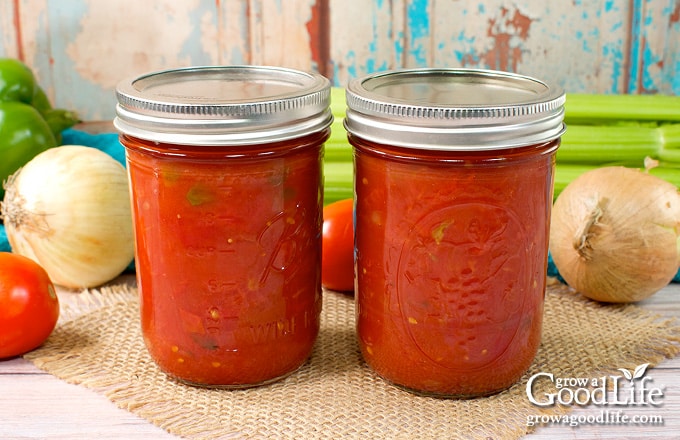
Stewed tomatoes offer a rich, tangy flavor that enhances many dishes. They are easy to serve and use after canning. This versatile ingredient brings warmth and depth to meals all year round.
Enjoy stewed tomatoes straight from the jar as a quick side dish. Their soft texture and natural sweetness make them perfect for easy recipes.
Recipe Ideas
Use stewed tomatoes in soups to add a fresh taste. They blend well with vegetables and spices for hearty meals. Try adding them to pasta sauces for a robust flavor. Mix with beans for a simple, healthy stew. Top grilled meats or fish with stewed tomatoes for extra zest. Stir into rice or quinoa dishes for color and taste.
Storage Duration And Safety
Store canned stewed tomatoes in a cool, dark place. Properly sealed jars last up to one year. Once opened, keep them refrigerated and use within five days. Check jars for dents or leaks before using. Discard any jar that smells off or shows mold. Safe storage keeps the tomatoes fresh and tasty.
Frequently Asked Questions
What Is The Best Method For Canning Stewed Tomatoes?
The water bath canning method is ideal for stewed tomatoes. It safely preserves acidity and flavor while preventing bacteria. This method involves boiling jars in hot water for a specified time.
How Long Should I Process Stewed Tomatoes In A Water Bath?
Process stewed tomatoes for 35 to 45 minutes in a water bath. Processing time varies by altitude and jar size. Follow specific recipe instructions for safety and best results.
Can I Use Fresh Tomatoes For Stewed Tomatoes Canning?
Yes, fresh ripe tomatoes are best for stewed tomato canning. They ensure optimal flavor and texture. Always wash and prepare them properly before cooking and canning.
Why Add Lemon Juice When Canning Stewed Tomatoes?
Lemon juice increases acidity, preventing bacterial growth and spoilage. It ensures safe preservation in a water bath canner. Add recommended amounts for each jar size for food safety.
Conclusion
Stewed tomatoes canned with a water bath stay fresh for months. This method keeps your tomatoes safe and tasty. You can enjoy home-canned tomatoes anytime you want. It saves money and reduces food waste. Just follow the steps carefully and use clean jars.
Canning is a simple way to store summer flavors. Try it once, and you will see how easy it is. Homemade stewed tomatoes bring comfort to many meals. Keep your kitchen stocked with these delicious jars.
