



Are you looking for a natural way to boost your well-being? St John’s Wort oil might be exactly what you need.
This simple, homemade oil has been used for centuries to soothe skin, ease muscle pain, and calm your mind. You’ll learn an easy recipe to make your own St John’s Wort oil at home. By the end, you’ll have a powerful, natural remedy ready to support your health whenever you need it.
Keep reading to discover how to create this healing oil step by step.
Benefits Of St John’s Wort Oil
St John’s Wort Oil offers many health and skin benefits. It is a natural remedy used for centuries. The oil is made by soaking St John’s Wort flowers in oil to capture its healing properties. This oil is gentle and safe for daily use.
People use St John’s Wort Oil to soothe skin, reduce pain, and support healing. It works well for different skin types and various minor injuries. The oil contains natural compounds that help calm irritation and speed up recovery.
Healing Properties
St John’s Wort Oil helps wounds heal faster. It reduces inflammation and fights bacteria. The oil can be applied on cuts, burns, and bruises. It supports new skin growth and lessens scarring. Regular use keeps the skin healthy and strong.
Skin Care Uses
This oil hydrates dry and cracked skin. It calms redness and soothes irritation. People with eczema or psoriasis find relief using this oil. It helps keep the skin soft and smooth. The oil also protects the skin from damage caused by the sun.
Pain Relief Effects
St John’s Wort Oil eases muscle and joint pain. It works well for sore backs and stiff necks. The oil reduces swelling and relaxes tight muscles. Applying the oil gently can bring quick comfort. Many use it after exercise or physical work.
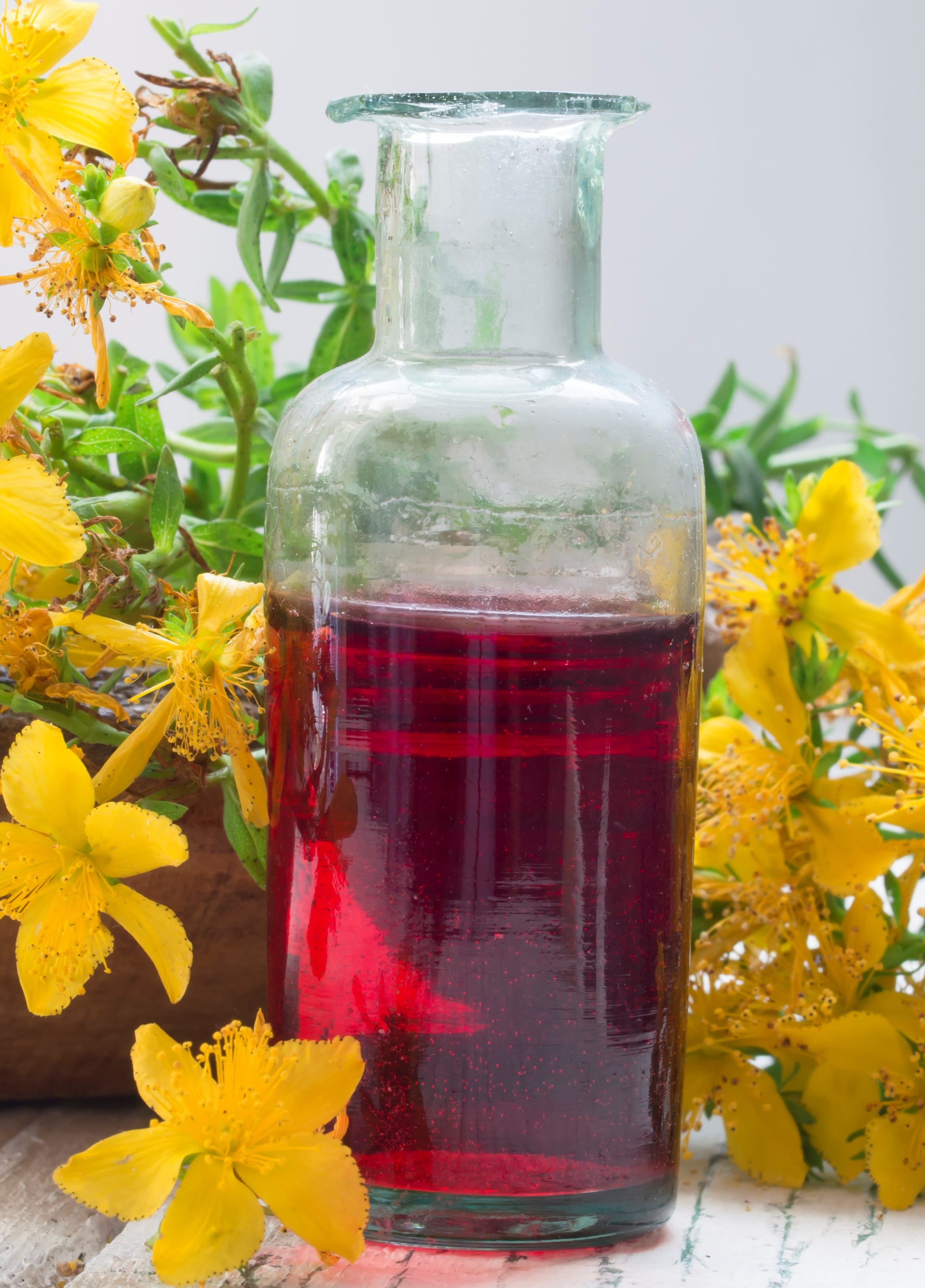
Credit: joybileefarm.com
Ingredients Needed
St John’s Wort oil requires dried St John’s Wort flowers and a carrier oil like olive or sunflower oil. These simple ingredients make a natural, soothing oil.
Selecting St John’s Wort
Choose fresh St John’s Wort flowers for the best oil. Pick flowers on a dry, sunny day. Avoid plants near roads or pollution. The flowers should be bright red or orange. These colors show the presence of healing compounds. Use only the flower heads, not leaves or stems.
Choosing Carrier Oils
Carrier oils dilute the St John’s Wort extract. Olive oil is a popular choice. It is gentle and nourishes the skin. Sunflower oil works well too, as it is light and absorbs quickly. You can also use almond oil for sensitive skin. Make sure the oil is cold-pressed and natural.
Additional Essential Oils
Add essential oils for extra benefits and fragrance. Lavender oil calms the skin and helps with relaxation. Tea tree oil can boost the oil’s antibacterial properties. Use only a few drops to avoid irritation. These oils enhance the healing power of your St John’s Wort oil.
Step-by-step Oil Preparation
Preparing St John’s Wort oil at home is simple and rewarding. This guide helps you make the oil step-by-step. Each step focuses on using fresh, natural ingredients for the best results. Follow these instructions to create your own healing oil.
Harvesting And Drying
Pick bright red St John’s Wort flowers during sunny days. Choose flowers that are fully open for the most potency. Avoid plants near roads or chemicals. Spread the flowers on a clean surface in a dry, shaded place. Let them dry for several days until they feel crisp. Proper drying prevents mold and keeps the oil fresh.
Infusing The Oil
Place the dried flowers in a clean glass jar. Cover them completely with a carrier oil like olive or sunflower oil. Seal the jar tightly to avoid air inside. Put the jar in a warm spot with indirect sunlight. Let the flowers steep in the oil for 4 to 6 weeks. Shake the jar gently every few days to mix the herbs well.
Straining And Bottling
After the infusion period, strain the oil using a fine mesh or cheesecloth. Squeeze the flowers gently to get all the oil out. Pour the strained oil into a dark glass bottle. Seal the bottle tightly to protect the oil from light. Store it in a cool, dark place for up to one year. Use the oil for skin care or soothing massages.
Storage Tips
Proper storage of St John’s Wort oil keeps it fresh and effective. It prevents spoilage and maintains its healing properties. Follow these simple tips to store your oil safely for long-term use.
Ideal Containers
Use dark glass bottles to store St John’s Wort oil. Dark glass protects the oil from sunlight damage. Avoid plastic containers because they can react with the oil. Glass bottles with tight lids stop air from entering.
Shelf Life
St John’s Wort oil lasts about 6 to 12 months. Keep it in a cool, dark place to extend shelf life. Check the oil for changes in smell or color before use. Discard if it smells rancid or looks cloudy.
Avoiding Contamination
Always use clean hands or a dropper to take the oil. Avoid touching the inside of the bottle or lid. Keep the bottle tightly closed to stop dust and bacteria. Store the oil away from heat and moisture sources.
How To Use St John’s Wort Oil
St John’s Wort oil is a natural remedy with many uses. It soothes skin and may help with pain and inflammation. Learning how to use it properly helps you get the best results. This section explains simple ways to apply and combine the oil for daily care.
Topical Application
Apply St John’s Wort oil directly to the skin. Use a small amount on cuts, burns, or sore spots. Gently rub the oil in until it absorbs. Repeat twice daily for better healing. Avoid using on open wounds to prevent irritation.
Massage Techniques
Use St John’s Wort oil as a massage oil to ease muscle pain. Warm the oil slightly before applying. Massage the oil in slow, circular motions. Focus on tight or sore muscles for relief. Regular massage can reduce stiffness and improve circulation.
Combining With Other Remedies
Mix St John’s Wort oil with other natural oils like lavender or chamomile. This blend enhances soothing effects and adds a pleasant scent. Use combined oils for skin care or relaxation massages. Always do a patch test to avoid skin reactions.
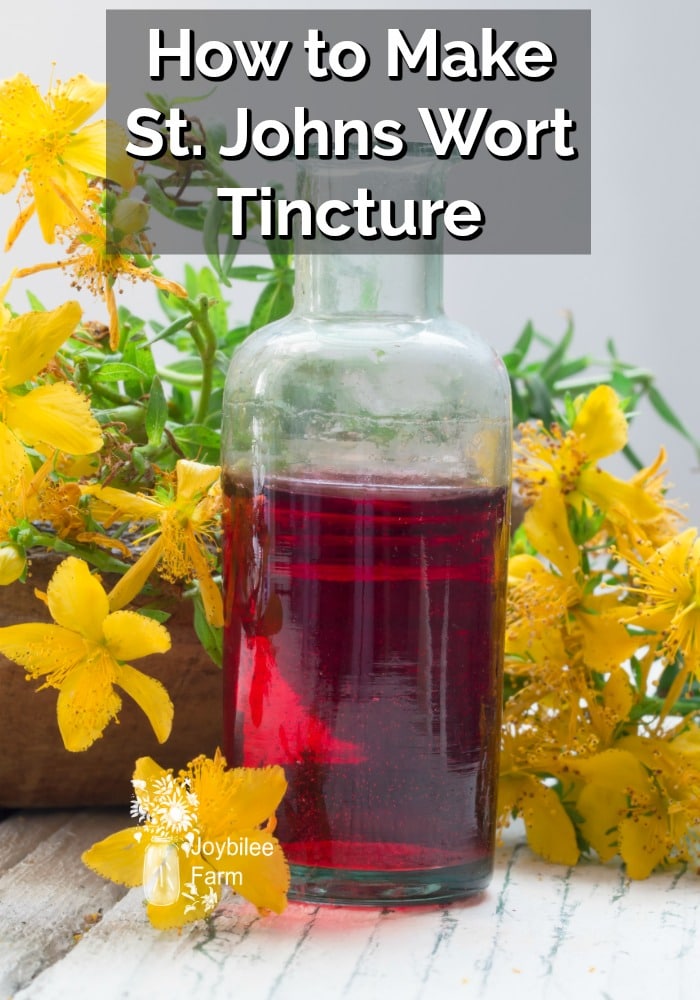
Credit: joybileefarm.com
Precautions And Side Effects
St John’s Wort oil has many benefits but also some risks. It is important to know the precautions and side effects before using it. This helps keep you safe and avoid problems. Learn about possible allergies, medicine interactions, and when to avoid this oil.
Possible Allergies
Some people may have allergic reactions to St John’s Wort oil. Skin redness, itching, or rash can occur after applying it. Stop use if any irritation appears. Test the oil on a small skin patch before full use. Allergic reactions can be mild or severe. Always watch for unusual symptoms.
Interactions With Medications
St John’s Wort oil can affect how some medicines work. It may reduce the effect of drugs like antidepressants, birth control pills, and blood thinners. This can cause health risks or reduce medicine benefits. Tell your doctor if you use this oil and take other medicines. Avoid mixing without medical advice to stay safe.
When To Avoid Use
Avoid St John’s Wort oil during pregnancy or breastfeeding. It may harm the baby or pass through breast milk. People with certain health conditions should avoid it. Do not use if you have photosensitivity or sun allergy. Also, avoid use before surgery. Always check with a healthcare provider before starting.
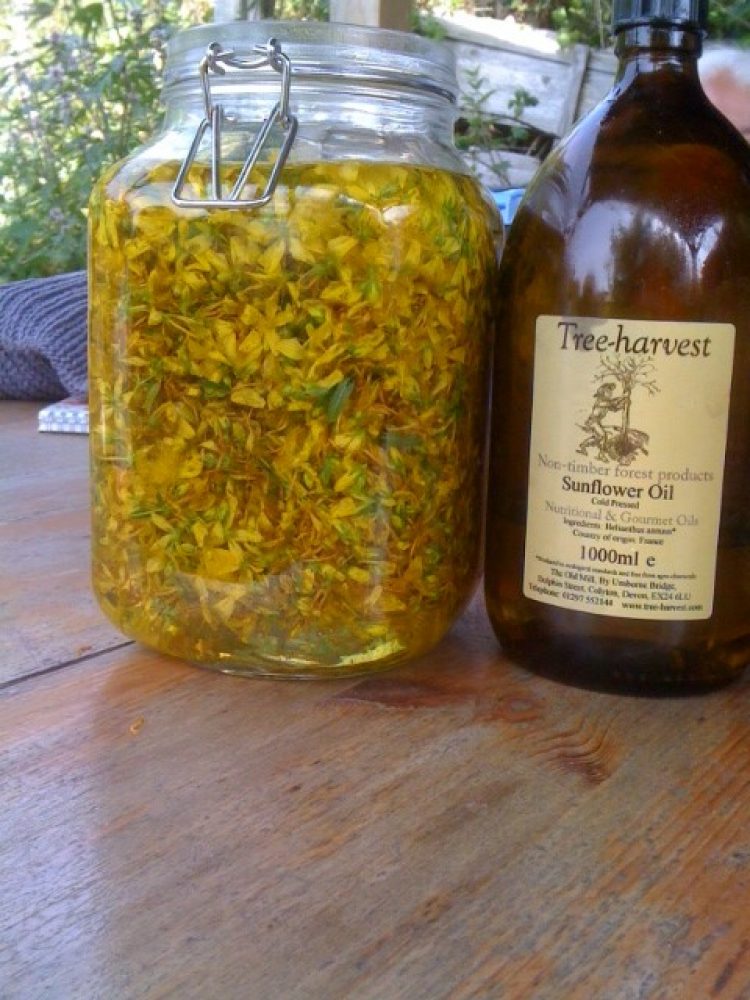
Credit: www.sussexherbalist.co.uk
Frequently Asked Questions
What Is St John’s Wort Oil Used For?
St John’s Wort oil is used to soothe skin irritations, minor burns, and muscle pain. It has anti-inflammatory and healing properties. People also apply it to reduce bruising and improve skin texture naturally.
How Do You Make St John’s Wort Oil At Home?
To make St John’s Wort oil, infuse dried flowers in a carrier oil like olive oil. Let it steep in sunlight for 4-6 weeks. Then strain and store the oil in a dark bottle.
Is St John’s Wort Oil Safe For Sensitive Skin?
Yes, St John’s Wort oil is generally safe for sensitive skin. However, always do a patch test first. Avoid using it on open wounds or if you are allergic to the plant.
Can St John’s Wort Oil Help With Depression?
Topical St John’s Wort oil is not for treating depression. Oral supplements are studied for mood support. Consult a healthcare provider before using it internally for mental health.
Conclusion
St John’s Wort oil is easy to make at home. It uses simple ingredients you can find nearby. The oil may help soothe skin and calm minor aches. Keep it in a cool, dark place to last longer. Use it gently and watch how your skin reacts.
This natural remedy adds a gentle touch to your self-care. Try making your own and see the benefits yourself. A small step towards natural wellness.
