


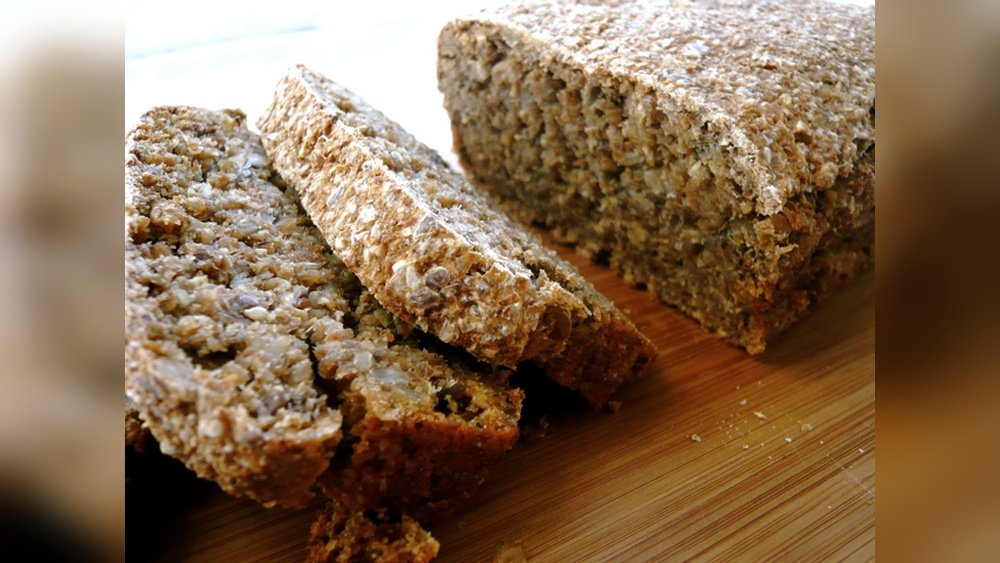
Are you looking for a bread recipe that’s both delicious and good for your body? Sprouted spelt bread might be exactly what you need.
This bread is packed with nutrients and easier to digest than regular wheat bread. Imagine biting into a soft, flavorful slice that fuels your day and feels light on your stomach. You’ll discover a simple sprouted spelt bread recipe that you can make at home, even if you’re new to baking.
Ready to transform your bread game and enjoy every bite? Keep reading—you won’t want to miss these tips and tricks!

Credit: www.twospoons.ca
Benefits Of Sprouted Spelt
Sprouted spelt offers many health benefits that make it a great choice for bread. Sprouting changes the grain’s structure. This process boosts nutrition and makes the bread easier to digest. Many people find sprouted spelt bread more satisfying and gentle on the stomach.
The sprouting process activates enzymes in the grain. These enzymes break down some starch and protein. This helps your body absorb nutrients better. Sprouted spelt also has a unique taste that many enjoy. It is slightly sweet and nutty, making bread more flavorful.
Nutritional Advantages
Sprouted spelt contains more vitamins and minerals than regular spelt. It is rich in B vitamins, iron, and magnesium. Sprouting increases antioxidants, which protect the body’s cells. This bread also has more fiber, which helps digestion and keeps you full longer.
Improved Digestibility
Sprouting breaks down some of the grain’s hard-to-digest parts. This makes the bread easier on the stomach. People who usually feel bloated after eating bread may find sprouted spelt better. The process lowers phytic acid, which can block nutrient absorption.
Enhanced Flavor
Sprouted spelt bread has a richer and deeper taste. It has a natural sweetness that plain spelt lacks. The nutty flavor adds complexity to simple recipes. This makes the bread more enjoyable to eat plain or with toppings.
Ingredients Needed
Preparing sprouted spelt bread starts with the right ingredients. Each component plays a key role in taste and texture. Simple ingredients can make a wholesome, delicious loaf.
Below are the essential ingredients you need for this bread recipe.
Sprouted Spelt Flour
Sprouted spelt flour is the star of this recipe. It comes from spelt grains that have been soaked and sprouted. This process makes the flour easier to digest and richer in nutrients. It gives the bread a nutty, slightly sweet flavor.
Yeast And Leavening Agents
Yeast helps the bread rise and creates a soft crumb. Use active dry yeast or instant yeast for best results. You can also add a small amount of baking powder to improve texture. These agents work together to make the bread light and fluffy.
Liquid Components
Water is the main liquid in sprouted spelt bread. Warm water helps activate the yeast. Some recipes include milk or plant-based milk for extra softness. The right amount of liquid keeps the dough easy to handle and moist.
Additional Flavorings
Salt enhances the bread’s flavor and controls yeast activity. A touch of honey or sugar feeds the yeast and adds a mild sweetness. You can also add herbs or seeds for extra taste and crunch. These simple extras make the bread more interesting.
Step-by-step Baking Process
Baking sprouted spelt bread is simple and rewarding. Follow each step carefully to create a soft, tasty loaf. This process breaks down the task into easy parts. You will learn how to prepare dough, let it rise, shape it, and bake it perfectly.
Preparing The Dough
Start by mixing sprouted spelt flour with water and yeast. Add a pinch of salt for flavor. Stir gently until a sticky dough forms. Avoid adding too much flour to keep the dough soft. Cover the bowl with a cloth and let it rest for a short while.
First Rise And Kneading
Let the dough rise in a warm place for one hour. It should double in size. After rising, knead the dough on a floured surface. Use your hands to fold and press the dough. Knead for about 5 minutes to develop texture. This step helps the bread become light and airy.
Shaping The Loaf
Shape the dough into a round or oval loaf. Tuck the edges under to create a smooth top. Place the shaped dough on a baking tray lined with parchment paper. Cover it again to keep the moisture inside. This helps the dough keep its shape during baking.
Second Rise
Allow the shaped loaf to rise for 30 to 45 minutes. It will puff up slightly. This second rise improves the bread’s texture and flavor. Avoid rushing this step for best results. The dough should feel light and airy before baking.
Baking Tips
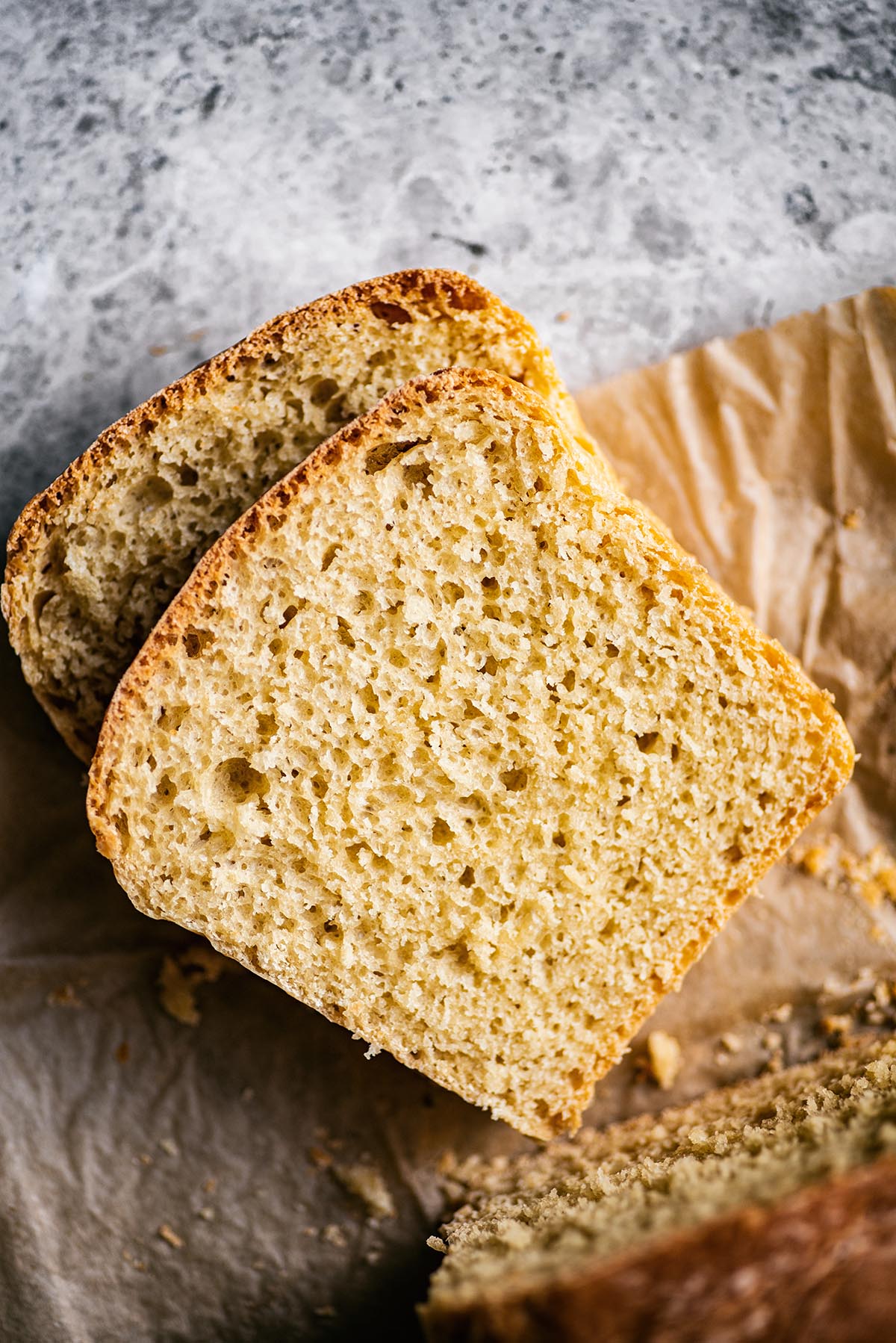
Preheat your oven to 375°F (190°C). Place a small bowl of water inside the oven. This adds steam to create a crisp crust. Bake the bread for 30 to 35 minutes. The crust should be golden brown and firm. Let the bread cool completely before slicing. Cooling helps the crumb set and improves taste.
Credit: www.occasionallyeggs.com
Troubleshooting Common Issues
Baking sprouted spelt bread can be rewarding but tricky. Some common problems might make your bread less tasty or dense. Knowing how to fix these issues helps you bake better every time. Here are simple tips to solve usual problems.
Dense Texture Solutions
Dense bread feels heavy and hard. It happens if flour is too coarse or dough is too dry. Use finely ground sprouted spelt flour for a lighter crumb. Add a bit more water if dough feels stiff. Knead dough gently but enough to develop gluten. Avoid packing dough too tightly in the pan.
Yeast Activation Tips
Yeast must be alive and active to make bread rise. Use warm water, about 100°F (38°C), to wake up yeast. Cold water slows yeast, hot water kills it. Add a pinch of sugar to feed yeast and speed activation. Wait 5-10 minutes for foam to appear before mixing dough. If no foam, yeast is dead; try fresh yeast.
Avoiding Overproofing
Overproofing means dough rises too much and then collapses. It causes flat or gummy bread. Watch dough carefully during the final rise. It should double in size, not triple. Gently press dough with a finger; if it springs back slowly, it is ready. If dough stays indented, it is overproofed. Bake immediately after proofing to keep bread light.
Serving And Storage Ideas
Sprouted spelt bread is delicious and healthy. Knowing how to serve and store it keeps the bread fresh and tasty. This section shares easy ideas to enjoy and save your bread.
Best Pairings
Sprouted spelt bread pairs well with many foods. Try it with fresh avocado and a pinch of salt. It also tastes great with soft cheese like cream cheese or goat cheese. For a sweet touch, spread natural honey or fruit jam. Use it for sandwiches with turkey or grilled vegetables. A warm bowl of soup and a slice of this bread make a perfect meal.
Storage Methods
Store sprouted spelt bread in a cool, dry place. Use a bread box or a paper bag to keep it fresh. Avoid plastic bags; they make the crust soft. Keep the bread at room temperature. Do not store it in the fridge; it dries out quickly. Check the bread daily for any signs of mold.
Freezing And Reheating
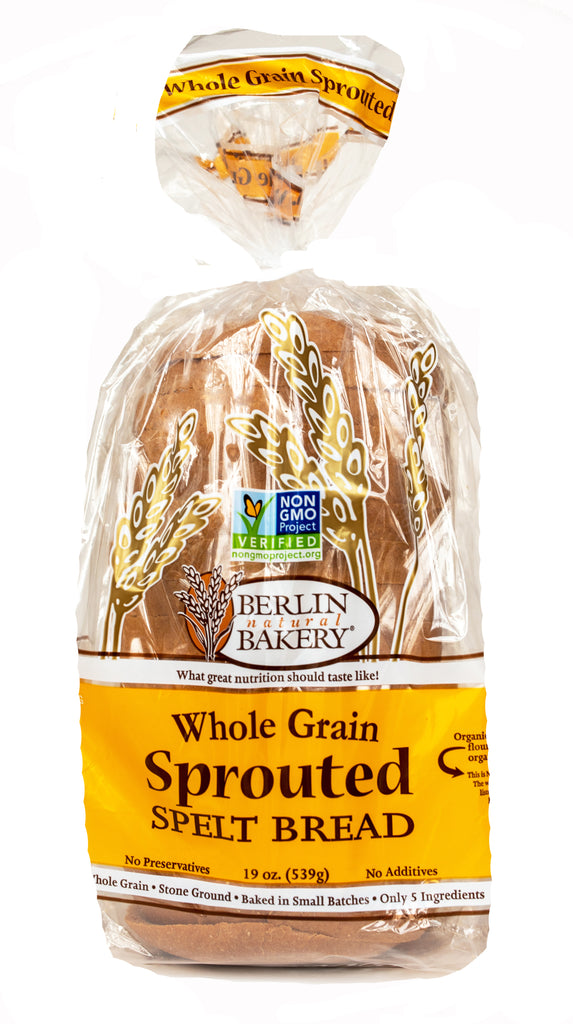
Freezing sprouted spelt bread keeps it fresh for weeks. Slice the bread before freezing to take only what you need. Wrap slices tightly in plastic wrap or foil. Place wrapped slices in a freezer bag. To reheat, toast the bread slices directly or warm them in the oven. This method keeps the bread’s texture and flavor intact.
Credit: www.berlinnaturalbakery.com
Variations And Add-ins
Sprouted spelt bread offers a great base for many tasty variations. Adding different ingredients can change the flavor and texture. It makes the bread more exciting and suits many tastes. You can keep it simple or try bold combinations. Here are some ideas to inspire your baking.
Seeds And Nuts
Seeds add crunch and healthy fats to the bread. Sunflower seeds, pumpkin seeds, and flaxseeds work well. Chopped walnuts or almonds bring a nutty flavor. Toast the nuts first for extra aroma. Mix them into the dough or sprinkle on top.
Herbs And Spices
Fresh or dried herbs give the bread a fresh taste. Rosemary, thyme, and oregano fit nicely with spelt. Add a pinch of cinnamon or nutmeg for warmth. Garlic powder or onion flakes boost savory notes. Blend herbs and spices into the dough evenly.
Sweet Vs. Savory Options
Sweet versions can include raisins, dried cranberries, or chopped dates. A little honey or maple syrup adds gentle sweetness. For savory, olives, sun-dried tomatoes, or roasted peppers work well. Cheese bits like feta or cheddar create rich flavors. Choose ingredients based on your meal or snack needs.
Frequently Asked Questions
What Is Sprouted Spelt Bread?
Sprouted spelt bread is made from spelt grains that have been soaked and germinated. This process increases nutrient absorption. The bread is more digestible, rich in fiber, and has a nutty flavor. It’s a healthier alternative to regular bread.
How Do You Sprout Spelt Grains?
To sprout spelt grains, soak them in water for 8-12 hours. Drain and rinse twice daily. Keep grains moist until small sprouts appear, usually within 2-3 days. Then, dry or use them immediately in recipes like sprouted spelt bread.
What Are The Health Benefits Of Sprouted Spelt Bread?
Sprouted spelt bread contains more vitamins, minerals, and antioxidants than regular bread. It’s easier to digest and has a lower glycemic index. This bread supports gut health and provides sustained energy, making it a nutritious choice for a balanced diet.
Can Sprouted Spelt Bread Be Made Gluten-free?
No, sprouted spelt bread is not gluten-free. Spelt is a wheat variety and contains gluten. People with celiac disease or gluten sensitivity should avoid it. However, some with mild gluten intolerance might tolerate sprouted spelt better than regular wheat.
Conclusion
Sprouted spelt bread offers a healthy twist on a classic favorite. Its nutty flavor and soft texture make it a tasty choice. Baking at home lets you control ingredients easily. Fresh bread fills your kitchen with a warm, inviting smell.
Sharing a slice with family or friends brings simple joy. Try this recipe to enjoy wholesome, homemade bread today. Healthy eating can be easy and delicious. Give sprouted spelt bread a chance to brighten your meals.
