


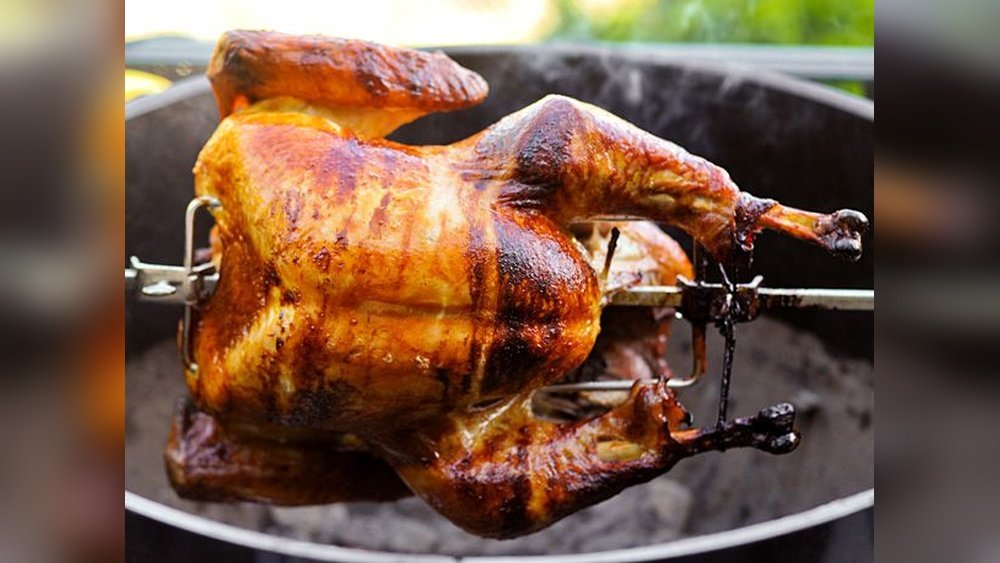
Are you ready to take your turkey game to the next level? A spit roast turkey is the secret to juicy, flavorful meat with a crispy, golden skin that will impress everyone at your table.
Imagine the mouthwatering aroma filling your yard as your turkey slowly turns over an open flame. In this recipe, you’ll discover simple steps to create that perfect roast, even if you’ve never tried spit roasting before. Keep reading, and you’ll learn how to make your next turkey feast unforgettable.
Choosing The Right Turkey
Choosing the right turkey is the first step to a perfect spit roast. The bird you pick affects cooking time and flavor. It also influences how well it cooks evenly on the spit. Knowing what to look for helps you avoid common mistakes.
Size And Weight Considerations
Choose a turkey that fits your spit roaster. A bird that is too large may not cook evenly. Aim for 12 to 16 pounds for best results. This size is easier to handle and cooks well on a spit. Consider how many people will eat. Plan for about one pound per person.
Fresh Vs. Frozen
Fresh turkeys often taste better and cook more evenly. Frozen turkeys require thawing, which takes time. Thaw in the refrigerator for several days. Avoid thawing at room temperature to prevent bacteria. Fresh birds can be more expensive but save time.
Preparing The Bird For Spit Roasting
Remove the giblets and neck from inside the turkey. Pat the bird dry with paper towels. This helps the skin crisp during cooking. Tie the legs and wings close to the body. This makes the turkey stable on the spit. Season the turkey well before cooking for best flavor.
Credit: tasteofartisan.com
Essential Equipment
Preparing a spit roast turkey needs the right tools. Good equipment makes cooking easier and safer. It helps the turkey cook evenly and stay juicy. Choosing the right tools also saves time and effort. Here is a guide to the essential equipment for spit roasting turkey.
Spit Roaster Types
There are several types of spit roasters. The most common are electric, charcoal, and gas models. Electric roasters are easy to use and clean. Charcoal roasters add a smoky flavor but need more attention. Gas roasters heat quickly and offer good temperature control. Choose a roaster that fits your space and needs.
Tools For Basting And Monitoring
Basting keeps the turkey moist and tasty. Use a long-handled brush or baster for safety. A meat thermometer helps check the turkey’s internal temperature. Aim for 165°F (74°C) for safe eating. These tools ensure the turkey cooks perfectly without drying out.
Safety Gear And Setup Tips
Safety is important when spit roasting. Wear heat-resistant gloves to protect your hands. Use long tools to avoid burns. Set up the roaster on a stable, flat surface. Keep children and pets away from the cooking area. Have a fire extinguisher nearby, just in case.
Marinades And Seasonings
Marinades and seasonings bring flavor and moisture to spit roast turkey. They help the meat stay tender and juicy during roasting. Choosing the right mix can enhance the turkey’s natural taste and create a delicious meal.
Classic Herb Blends
Herbs like rosemary, thyme, and sage add a fresh, earthy taste. Mix chopped herbs with garlic, lemon zest, salt, and olive oil. Rub this blend all over the turkey for a traditional flavor. Let the turkey rest with the herbs for several hours. This allows the flavors to soak in deeply.
Bold And Spicy Rubs
Spicy rubs add heat and rich flavor. Combine paprika, cayenne pepper, black pepper, and brown sugar. Add salt and a little garlic powder for balance. Rub this mixture under the skin and on the surface. The spices create a crispy, flavorful crust during roasting.
Injecting Flavors For Juiciness
Injecting marinades helps keep the turkey juicy inside. Use a flavor injector to push marinade into the meat. A mix of broth, melted butter, garlic, and herbs works well. This method adds moisture deep in the turkey. It prevents dryness and boosts flavor throughout the bird.
Credit: www.foodnetwork.com
Spit Roasting Techniques
Spit roasting is a traditional method that cooks turkey evenly over open fire. It gives the meat a smoky flavor and crispy skin. Proper technique is key to a tender and juicy turkey. Understanding how to set up the spit, control heat, and time the cooking will improve your results.
Setting Up The Spit
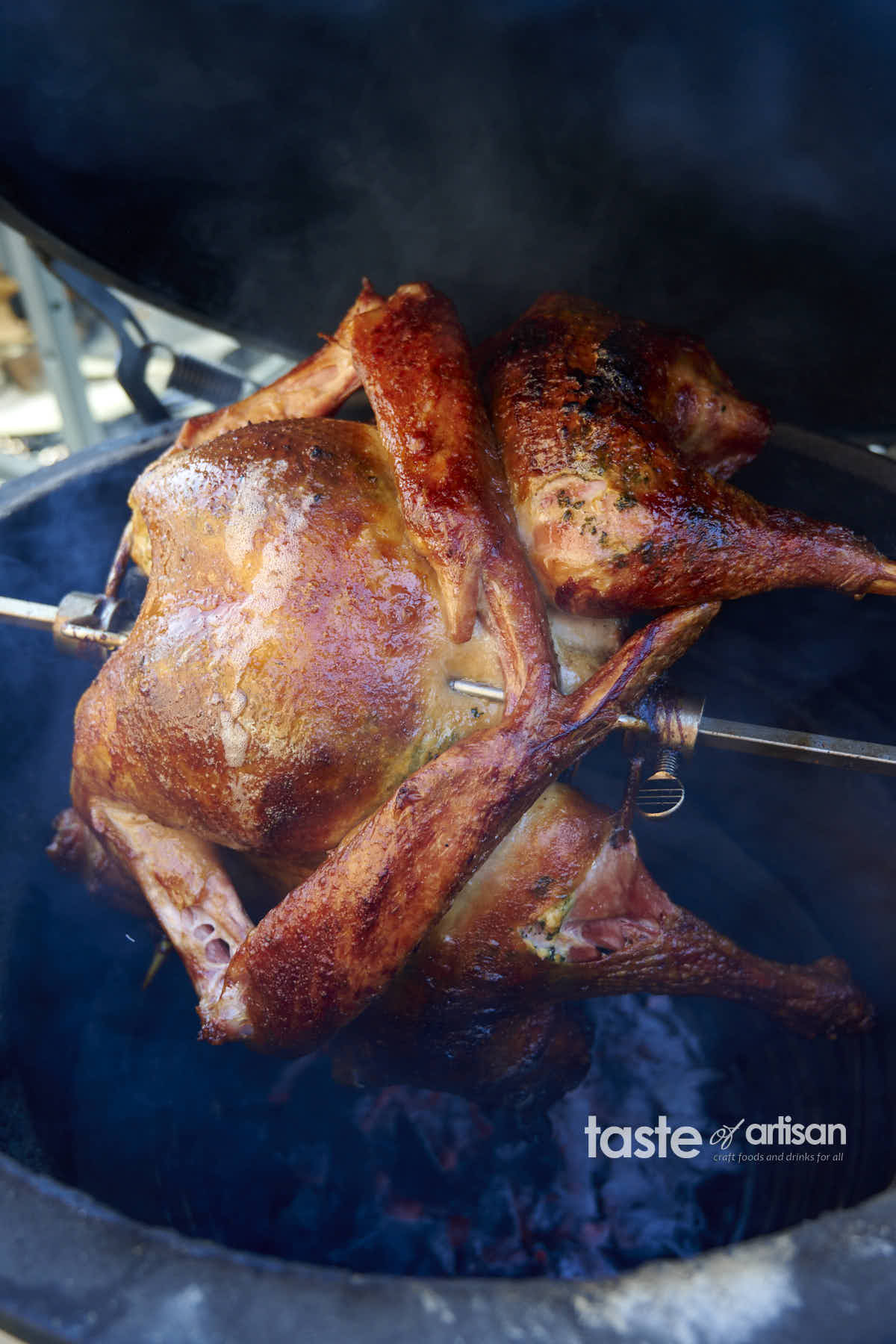
Secure the turkey firmly on the spit rod. Use kitchen twine to tie the legs and wings tightly. This keeps the bird stable while rotating. Place the spit rod in the holder or rotisserie motor. Make sure it spins smoothly without wobbling. Balance the weight for even cooking on all sides.
Controlling Heat And Rotation
Use charcoal or wood fire for consistent heat. Spread coals evenly under the turkey. Avoid direct flames touching the meat. Keep a moderate temperature around 300°F to 350°F. Rotate the spit slowly and constantly. This prevents burning and cooks the turkey inside and out.
Timing For Perfect Cooking
Cook the turkey for about 15 minutes per pound. Check the internal temperature with a meat thermometer. Aim for 165°F in the thickest part of the breast. Let the turkey rest for 15 minutes after cooking. This allows juices to redistribute and keeps the meat moist.
Achieving Crispy Skin
Achieving crispy skin on a spit roast turkey is a key goal for many cooks. The skin should be golden, crunchy, and full of flavor. This texture adds a delightful contrast to the juicy meat underneath. Perfecting crispy skin takes some care and smart techniques.
Basting Strategies
Basting keeps the turkey skin moist and adds flavor. Use a mix of melted butter and herbs for best results. Brush the turkey every 20 minutes while roasting. This helps the skin brown evenly and stay tender. Avoid too much liquid to keep the skin from becoming soggy.
Using High Heat At The End
Turn up the heat during the last 10 to 15 minutes of cooking. High heat crisps the skin quickly without drying out the meat. Watch the turkey closely to avoid burning. This step creates a crunchy finish that makes the turkey look and taste great.
Avoiding Common Pitfalls
Do not cover the turkey with foil too early. It traps steam and softens the skin. Dry the turkey skin with paper towels before cooking. Wet skin will not crisp properly. Avoid overcrowding the spit to allow even heat and air circulation.
Resting And Serving
Resting and serving your spit roast turkey is crucial for a juicy and tender meal. Letting the turkey rest allows the juices to settle. This keeps the meat moist and flavorful. Serving it right after resting makes a big difference.
Optimal Resting Time
Rest the turkey for at least 20 to 30 minutes. Cover it loosely with foil to keep warm. This time lets the juices spread evenly inside the meat. Avoid cutting the turkey too soon. Cutting early causes the juices to leak out, leaving dry meat.
Carving Tips
Use a sharp carving knife for clean slices. Start by removing the legs and thighs. Then carve the breast meat against the grain. Cutting against the grain makes the meat easier to chew. Slice the meat into even pieces for a neat presentation. Keep a tray or plate handy to catch juices.
Side Dishes Pairings
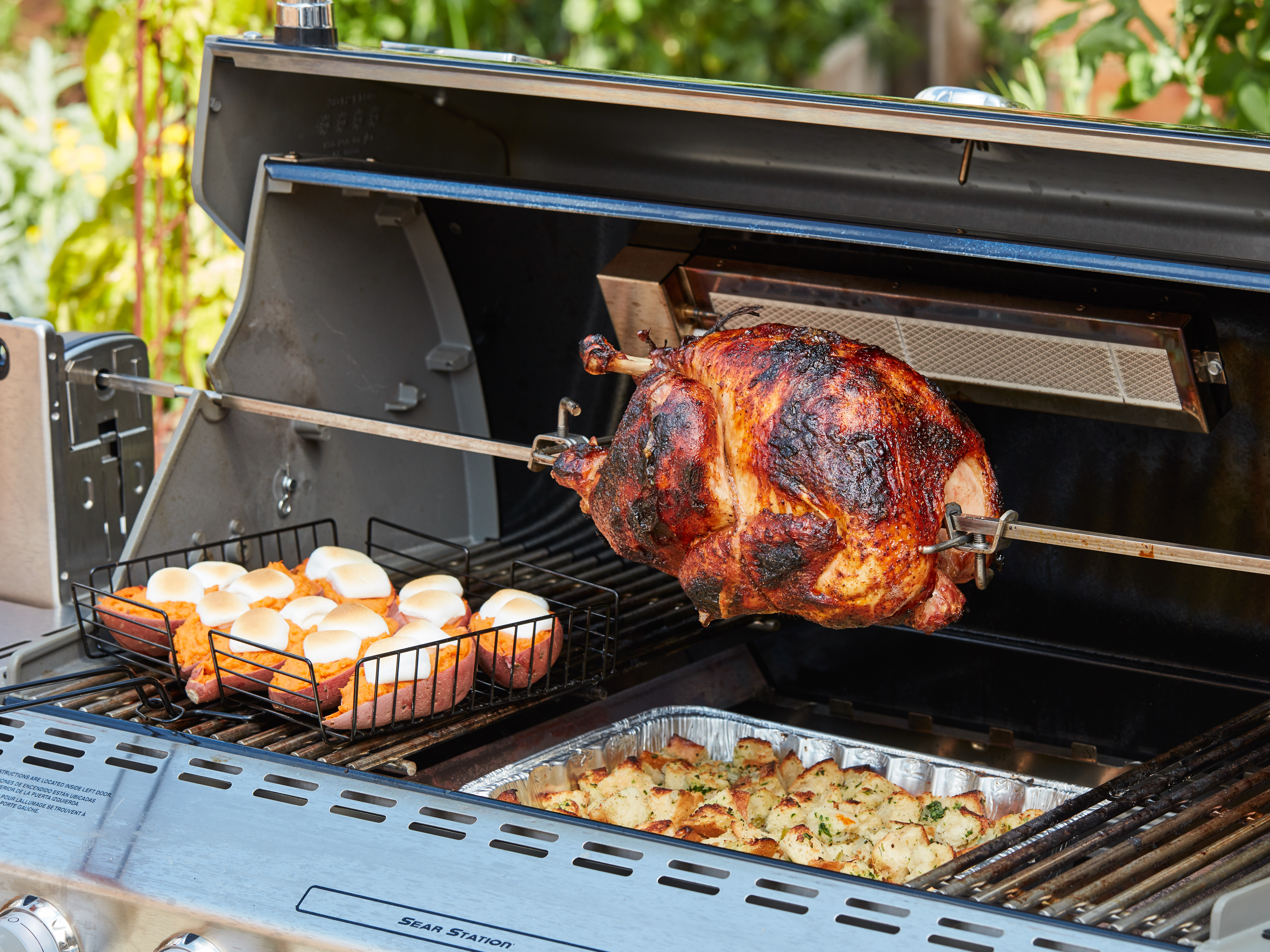
Pair the turkey with classic sides like mashed potatoes. Roasted vegetables add color and flavor. Cranberry sauce brings a sweet and tangy touch. Stuffing or bread rolls are also great choices. Choose sides that complement the rich, smoky taste of the spit roast turkey.
Troubleshooting Common Issues
Cooking a spit roast turkey can be tricky. Many cooks face common problems during the process. These issues can affect taste and texture. Knowing how to fix them helps you enjoy a perfect turkey every time.
Dry Meat Solutions
Dry turkey is a common problem. Avoid overcooking by checking the temperature early. Use a meat thermometer to track doneness. Remove the turkey from heat at 165°F (74°C) inside. Let the meat rest for 15 minutes. This helps juices spread inside. Basting with butter or broth during cooking adds moisture. Covering the turkey loosely with foil keeps it from drying out.
Uneven Cooking Fixes
Uneven cooking leads to some parts being raw or burnt. Rotate the turkey regularly on the spit. This helps heat reach all sides evenly. Check the heat source and adjust if needed. Lower the heat if the outside cooks too fast. Make sure the turkey is balanced on the spit. A well-balanced bird turns smoothly and cooks evenly.
Skin Not Crispy Enough
Soft skin can be disappointing. Dry the skin well before cooking. Pat it with paper towels to remove moisture. Brush the skin with oil or melted butter for crispiness. Increase the heat near the end of cooking to brown the skin. Avoid covering the turkey with foil too soon. This can trap steam and soften the skin.
:max_bytes(150000):strip_icc()/GettyImages-157526986-589e97b83df78c47587aaf7a.jpg)
Credit: www.thespruceeats.com
Frequently Asked Questions
How Long Does It Take To Spit Roast A Turkey?
Spit roasting a turkey usually takes about 2. 5 to 3 hours. Cooking time depends on turkey size and heat consistency. Always check internal temperature; it should reach 165°F (74°C) for safe consumption.
What Temperature Is Best For Spit Roasting Turkey?
Maintain a steady heat of around 300°F to 350°F (150°C to 175°C) for spit roasting. This temperature ensures even cooking and crispy skin without drying the meat.
How Do You Keep Turkey Moist On A Spit Roast?
Basting the turkey regularly with melted butter or marinade helps retain moisture. Also, keep the turkey rotating evenly to cook uniformly and prevent drying out.
Can I Use A Gas Or Charcoal Spit Roaster?
Both gas and charcoal spit roasters work well. Gas offers easy temperature control, while charcoal adds smoky flavor, enhancing the turkey’s taste.
Conclusion
Spit roast turkey offers a tasty, juicy meal for any occasion. The slow cooking keeps the meat tender and full of flavor. Try this recipe to enjoy a classic dish with a simple twist. Cooking outdoors adds fun and a smoky touch.
Serve with your favorite sides for a complete feast. This method brings friends and family together around good food. Give it a try and enjoy a delicious, memorable turkey dinner.
