


Are you looking for a healthy and delicious twist on your favorite noodle dishes? Spelt noodles might be exactly what you need.
Made from ancient grain, spelt offers a nutty flavor and a boost of nutrition that can transform any meal. In this recipe, you’ll discover how easy it is to make your own spelt noodles at home, even if you’ve never tried before.
Ready to impress your taste buds and nourish your body? Keep reading to find out how simple and satisfying spelt noodles can be.
Benefits Of Spelt Flour
Spelt flour is a great choice for making noodles. It offers many benefits for health and cooking. Using spelt flour can make your noodles more nutritious and tasty. It is a natural ingredient with a rich history in baking and cooking. Below are some key benefits of spelt flour.
Nutritional Profile
Spelt flour contains more protein than regular wheat flour. It also has important minerals like iron, magnesium, and zinc. The fiber content helps keep you full longer. It has B vitamins that support energy and brain health. This flour is a good source of complex carbohydrates. These nutrients make spelt flour a healthy choice for noodles.
Digestive Advantages
Spelt flour is easier to digest than common wheat flour. It contains soluble fiber that helps regulate digestion. Many people find spelt flour gentler on the stomach. It may reduce bloating and discomfort after eating. This makes spelt noodles suitable for sensitive digestion. The natural gluten in spelt is less irritating for some people.
Flavor And Texture
Spelt flour gives noodles a mild nutty flavor. This adds a pleasant taste without overpowering other ingredients. The texture of spelt noodles is tender but firm. They hold sauce well and cook evenly. Spelt flour creates a light and fluffy noodle texture. This makes your homemade noodles more enjoyable to eat.
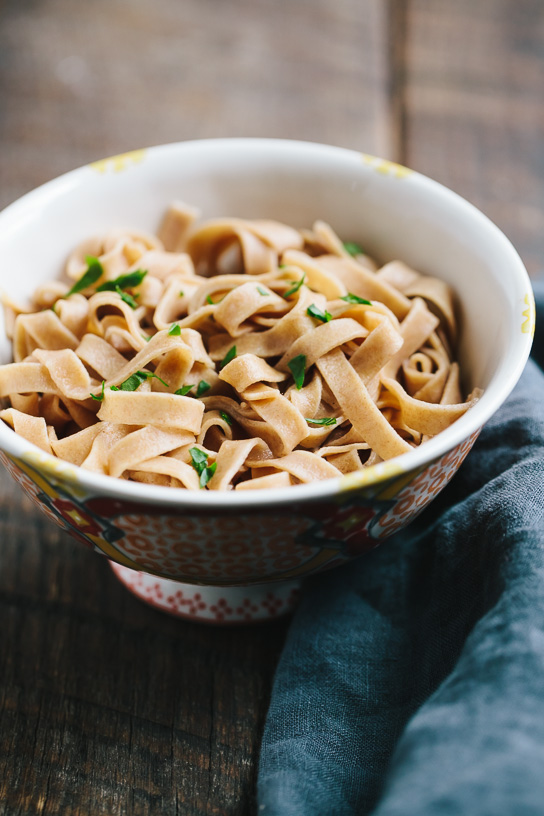
Credit: www.gatheranddine.com
Ingredients For Spelt Noodles
Making spelt noodles starts with the right ingredients. These ingredients create noodles that taste fresh and have a nice texture. Spelt flour is the base, giving the noodles a nutty flavor and good nutrition. Other items help bind the dough and make it easy to work with.
Essential Components
Spelt flour is the main ingredient. Use whole grain or white spelt flour for different textures.
Water helps to mix the flour into dough. Use warm water for better absorption.
Eggs add richness and help hold the noodles together. Use fresh eggs for best results.
Salt enhances the flavor of the noodles. Just a pinch is enough.
Optional Additions
Olive oil can make the dough smoother and easier to roll.
Herbs like dried basil or oregano add subtle taste to the noodles.
Spinach puree or beet juice can add color and a mild flavor.
Flaxseed or chia seeds boost nutrition and add texture.
Preparing The Dough
Preparing the dough is the first step to making delicious spelt noodles. The dough needs the right texture and strength. This helps noodles hold their shape and cook evenly. Using spelt flour gives a nutty flavor and good nutrition. Follow these simple steps to prepare the perfect dough for your spelt noodles.
Mixing Techniques
Start by placing spelt flour in a large bowl. Add eggs and a pinch of salt. Use a fork or your fingers to combine ingredients gently. Mix until the dough begins to come together. Avoid adding too much water. Spelt flour absorbs liquids faster than regular flour. The dough should be firm but not dry.
Kneading Tips
Turn the dough onto a clean surface. Use the heel of your hand to press and push the dough. Fold it over and repeat. Knead for about 8 to 10 minutes. The dough becomes smooth and elastic. Avoid over-kneading to keep the spelt’s natural texture. If the dough feels sticky, sprinkle a little flour.
Resting Time
Wrap the dough in plastic or cover with a cloth. Let it rest for at least 30 minutes. Resting allows the flour to hydrate fully. It makes the dough easier to roll out and shape. Do not skip this step. It helps create tender, chewy noodles that cook well.
Shaping The Noodles
Shaping the noodles is a key step in making spelt noodles. It changes the dough into the form that cooks well and feels good to eat. The shape affects how the sauce sticks to the noodles and how they taste. This part of the process is simple but important. It needs care and some practice.
Rolling Out The Dough
Start by rolling the dough on a clean surface. Use a rolling pin to flatten it evenly. Aim for about 1/8 inch thick. Too thick noodles take longer to cook. Too thin noodles can break easily. Keep the dough moving to avoid sticking. Light dusting of flour helps. Roll from the center outwards for even thickness.
Cutting Methods
Cut the rolled dough into strips. Use a sharp knife or a pizza cutter. Straight cuts make classic noodles. Try different widths for variety. Narrow strips cook faster. Wide strips hold more sauce. Cut quickly and cleanly to avoid tearing. Separate the strips gently to stop them from sticking.
Alternative Shapes
Try other shapes for fun and texture. Use a pasta wheel for wavy edges. Cut squares or rectangles for noodle soup. Twist strips into spirals for salads. Shapes change the noodle’s feel in the mouth. Experimenting adds interest to your meal. Shapes also help with sauce grip and cooking time.
Cooking Spelt Noodles
Cooking spelt noodles is simple and quick. They offer a nutty flavor and a firm texture. Proper cooking helps keep their taste and nutrition intact. Follow these steps for the best results.
Boiling Time
Bring a large pot of water to a rolling boil. Add a pinch of salt to the water. Drop the spelt noodles gently into the pot. Boil them for about 6 to 8 minutes. Stir occasionally to stop sticking. Avoid overcooking to keep the noodles firm.
Testing For Doneness
Check the noodles by tasting one after 6 minutes. It should be tender but still slightly firm inside. This texture is called “al dente.” If too hard, boil for one more minute. Don’t cook too long to avoid mushiness.
Draining And Cooling
Drain the noodles in a colander right after boiling. Rinse briefly with cold water to stop cooking. This keeps the noodles from becoming soft. Shake off excess water well. Now, your spelt noodles are ready to use in any recipe.
Serving Suggestions
Spelt noodles have a light, nutty flavor that pairs well with many dishes. Serving them right enhances their taste and texture. This section offers ideas to serve spelt noodles deliciously. Try simple sauces, fresh vegetables, and tasty proteins for a balanced meal.
Simple Sauces
Light sauces let the spelt noodles shine. Try olive oil with garlic and herbs. A fresh tomato sauce works well too. For a creamy option, use a yogurt-based sauce. Keep sauces smooth and not too thick.
Pairing With Vegetables
Vegetables add color and crunch to your dish. Steam broccoli or carrots for a soft bite. Sauté bell peppers and zucchini for a sweet taste. Fresh spinach or arugula adds a peppery touch. Mix cooked and raw veggies for texture contrast.
Protein Options
Proteins make the dish filling and healthy. Grilled chicken or turkey are lean choices. For a vegetarian option, add chickpeas or tofu. Seafood like shrimp or salmon pairs nicely too. Keep protein pieces small for easy eating.
Storage And Leftover Tips
Storing spelt noodles properly keeps them fresh and tasty for later meals. Knowing the best ways to save leftovers helps reduce waste. It also saves time on busy days.
Follow these tips to store your spelt noodles safely and enjoy them again.
Refrigeration
Place cooked spelt noodles in an airtight container. Keep them in the fridge for up to 3 days. Cool the noodles before storing to avoid sogginess. Use them within this time for best flavor and texture.
Freezing Instructions
Spread cooked noodles on a baking sheet to freeze individually. Once frozen, transfer them to a freezer-safe bag or container. Label with the date to track freshness. Freeze for up to 2 months to maintain quality.
Reheating Methods
Thaw frozen noodles in the fridge overnight for best results. Reheat in a microwave or on the stove with a splash of water. Stir gently to prevent sticking. Heat until warm throughout but avoid overcooking.

Credit: freshmilledmama.com
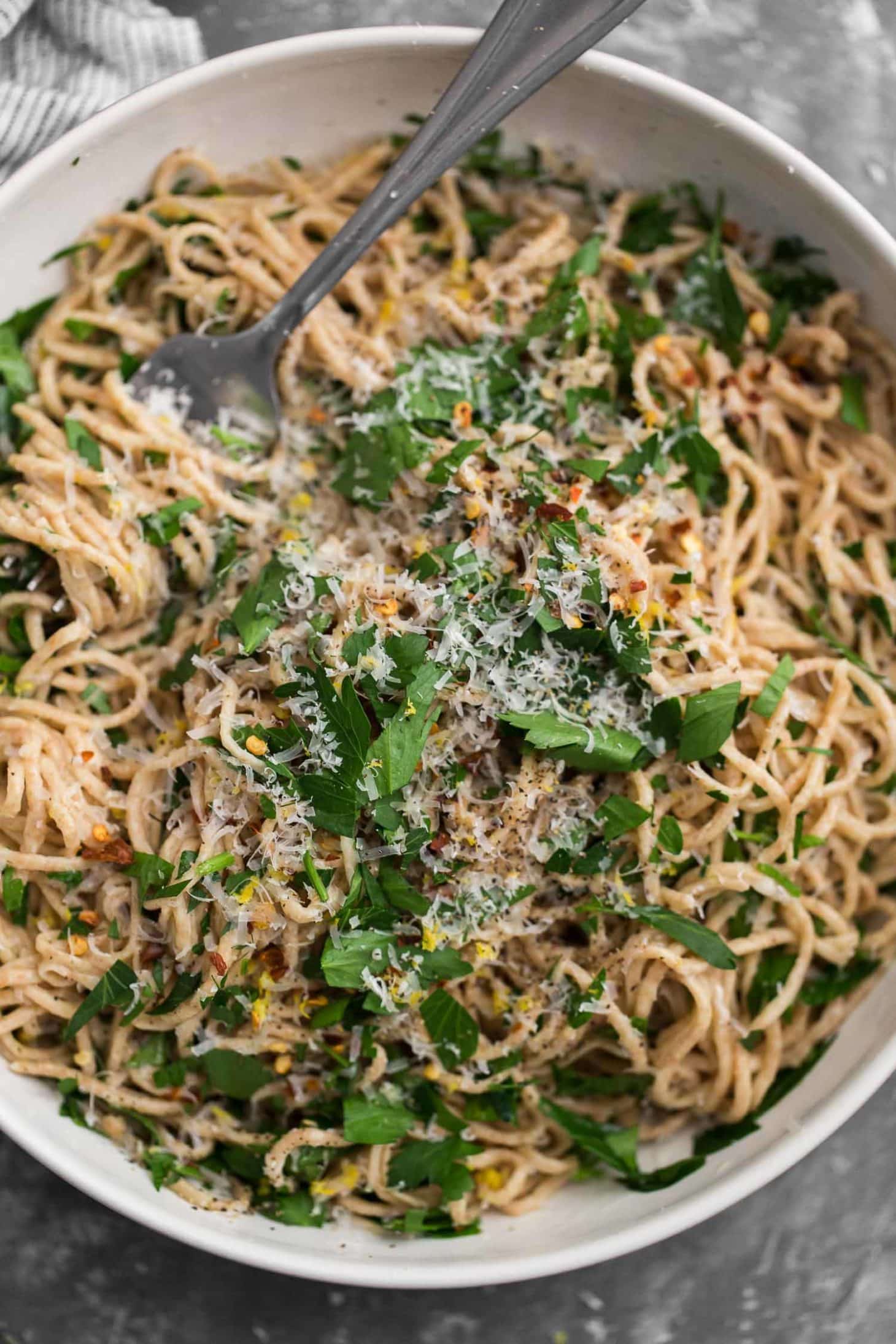
Credit: naturallyella.com
Frequently Asked Questions
What Are Spelt Noodles Made Of?
Spelt noodles are made from spelt flour, derived from an ancient whole grain. They offer a nutty flavor and chewy texture. Spelt is rich in fiber, protein, and nutrients, making these noodles a healthier alternative to regular pasta.
How To Cook Spelt Noodles Perfectly?
To cook spelt noodles, boil them in salted water for 6-8 minutes. Stir occasionally to prevent sticking. Drain and rinse with cold water to stop cooking. Avoid overcooking as spelt noodles can become mushy quickly.
Are Spelt Noodles Gluten-free?
No, spelt noodles contain gluten. Spelt is a type of wheat, so it is not suitable for gluten-intolerant or celiac individuals. However, they are often easier to digest than regular wheat pasta for some people.
Can I Use Spelt Noodles In Any Recipe?
Yes, spelt noodles can replace regular pasta in most recipes. They work well with sauces, stir-fries, and soups. Their mild, nutty taste complements various ingredients, adding a wholesome twist to traditional dishes.
Conclusion
Spelt noodles bring a healthy twist to traditional pasta dishes. They cook quickly and have a nutty flavor. You can pair them with many sauces or vegetables. This recipe is simple and great for busy days. Enjoy a tasty meal that feels homemade and fresh.
Try making spelt noodles to add variety to your meals. It’s a small change with big taste. Give it a go and see how easy it is!
