


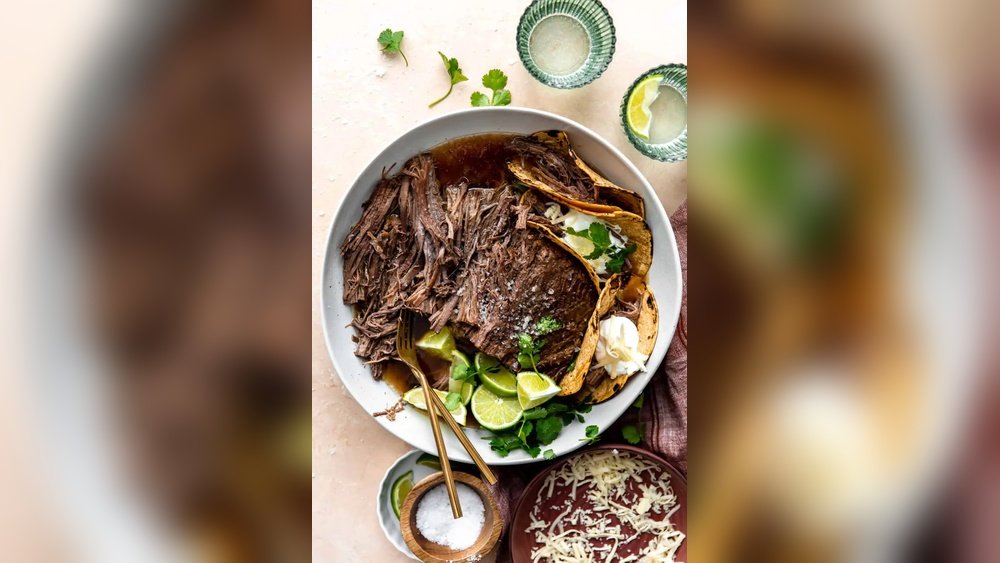
Are you ready to transform your mealtime with a dish that’s rich, tender, and packed with bold flavors? This Spanish Brisket Recipe will bring something special to your table.
Imagine biting into slow-cooked beef that melts in your mouth, infused with a perfect blend of spices and herbs. Whether you’re cooking for family, friends, or just yourself, this recipe is easy to follow and promises a delicious reward. Keep reading, and you’ll discover the secrets to making brisket that everyone will rave about.
Your next favorite meal is just a few steps away!
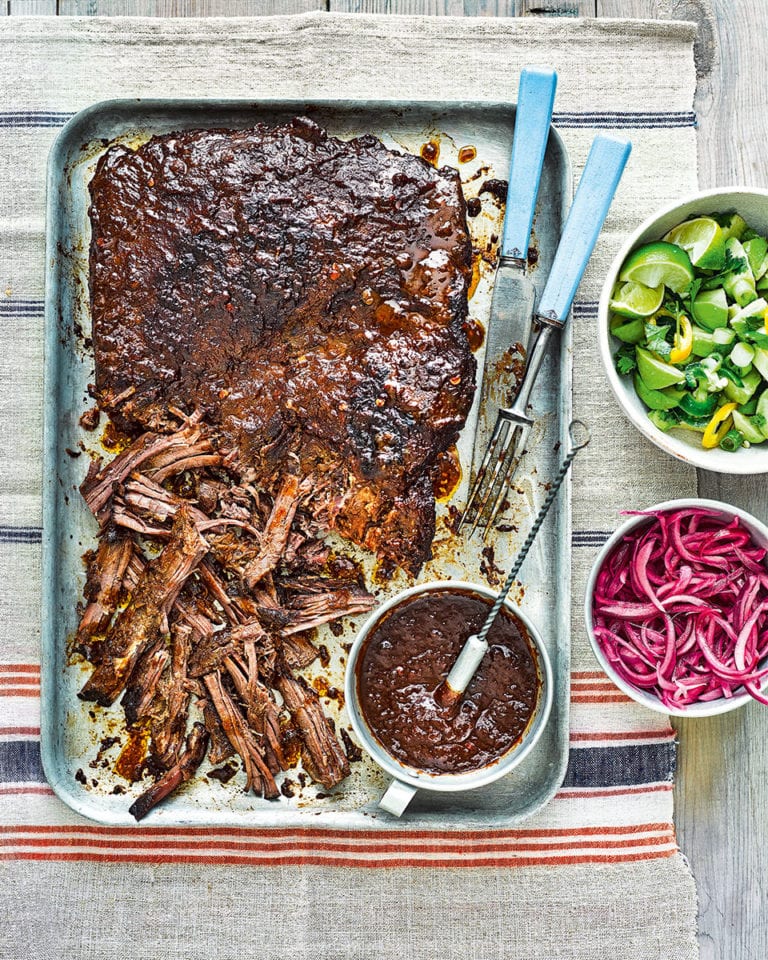
Credit: www.deliciousmagazine.co.uk
Choosing The Right Brisket
Choosing the right brisket is key for a delicious Spanish brisket recipe. The cut and freshness affect flavor and tenderness. Knowing what to pick helps you cook a perfect meal.
Here are important tips to find the best brisket for your dish.
Cuts To Consider
Brisket has two main parts: the flat and the point. The flat is lean and slices well. The point has more fat, making it juicy and tender. For Spanish recipes, a mix of both works great. Fat adds flavor and keeps the meat moist during cooking.
Choose a brisket that is thick and evenly shaped. This helps it cook evenly and stay juicy. Avoid cuts with too much connective tissue, as they take longer to soften.
Selecting Fresh Meat
Freshness matters a lot for brisket. Look for meat with a bright red color. It shows the meat is fresh and healthy. Avoid meat with dark spots or a dull color.
Smell the brisket. It should have a clean, fresh scent. If it smells sour or off, do not use it. Also, check the texture. Fresh meat feels firm, not slimy or sticky.
Essential Spanish Ingredients
Spanish brisket gets its rich flavor from a few special ingredients. These ingredients create bold, deep tastes. Understanding them helps you cook an authentic dish.
Spanish recipes often use simple, fresh components. Each adds a unique layer of flavor. The right combination turns brisket into a memorable meal.
Spices And Herbs
Smoked paprika is essential. It gives brisket a smoky, slightly sweet taste. Garlic adds sharpness and warmth. Bay leaves bring a mild, herbal aroma. Oregano and thyme provide earthiness and depth. Black pepper adds a gentle kick. These spices blend well to create a rich flavor profile.
Key Liquids And Sauces
Red wine is a classic ingredient. It tenderizes the meat and adds complexity. Olive oil keeps the brisket moist and adds fruitiness. Tomato sauce or crushed tomatoes add a tangy base. Vinegar, especially sherry vinegar, gives a slight acidity to balance flavors. These liquids help create a tender, flavorful brisket.
Preparing The Brisket
Preparing the brisket is an important step in making a delicious Spanish brisket recipe. It sets the flavor and texture for the whole dish. Taking time to prepare the meat properly ensures it cooks evenly and tastes great.
Start by handling the brisket carefully. Clean and prepare it before cooking. This process includes marinating and seasoning to add rich Spanish flavors.
Marinating Tips
Marinate the brisket for at least 4 hours or overnight. Use ingredients like garlic, paprika, olive oil, and red wine vinegar. These add traditional Spanish taste. Keep the brisket covered in the fridge while marinating. Turn the meat once or twice to coat evenly.
Trimming And Seasoning
Trim excess fat from the brisket, but leave some for flavor. Use a sharp knife and cut carefully. Season the brisket with salt, pepper, and smoked paprika. Rub the spices into the meat for better taste. This step boosts the flavor and makes the brisket tender.
Cooking Techniques
Cooking Spanish brisket requires patience and the right technique. The goal is tender meat full of flavor. Different methods bring unique textures and tastes. Choosing the proper cooking style affects the final dish deeply.
Slow Cooking Methods
Slow cooking breaks down tough fibers in brisket. It makes the meat soft and juicy. Common slow cooking tools include slow cookers and braising pots. Braising means cooking meat in liquid over low heat. This helps the brisket absorb spices and herbs well. Slow cooking also enhances the natural beef flavor. It takes several hours but the result is worth it. The meat falls apart easily after long cooking.
Oven Vs. Stovetop
Oven cooking offers even heat around the brisket. This keeps the temperature steady for hours. The oven method is great for large pieces of meat. It allows the spices to cook deeply into the brisket. Stovetop cooking needs more attention. Heat must be low to prevent burning. It works best with a heavy pot or Dutch oven. Stovetop lets you check and stir the meat often. Both methods produce tender brisket but differ in ease and control.
Creating The Flavorful Sauce
The sauce is the heart of a Spanish brisket dish. It brings all the flavors together. A good sauce adds depth and richness.
Each ingredient plays a key role in building the perfect taste. The sauce must be balanced, rich, and bright. Let’s explore how to make it.
Traditional Sauce Components
Tomatoes form the base of the sauce. They add natural sweetness and acidity. Garlic and onions give a strong, savory flavor.
Olive oil provides smoothness and a fruity note. Paprika adds warmth and a smoky taste. Bay leaves and herbs bring earthiness and aroma.
Some recipes include red wine or vinegar for extra tang. Each component works to create a rich, layered sauce.
Balancing Richness And Acidity
Richness comes from olive oil and slow-cooked meat juices. Acidity balances the sauce and cuts through the richness.
Tomatoes and a splash of vinegar or wine add brightness. Too much acid can overpower. Too little makes the sauce dull.
Taste often while cooking. Adjust by adding a pinch of sugar or more vinegar. This keeps the sauce lively and full of flavor.
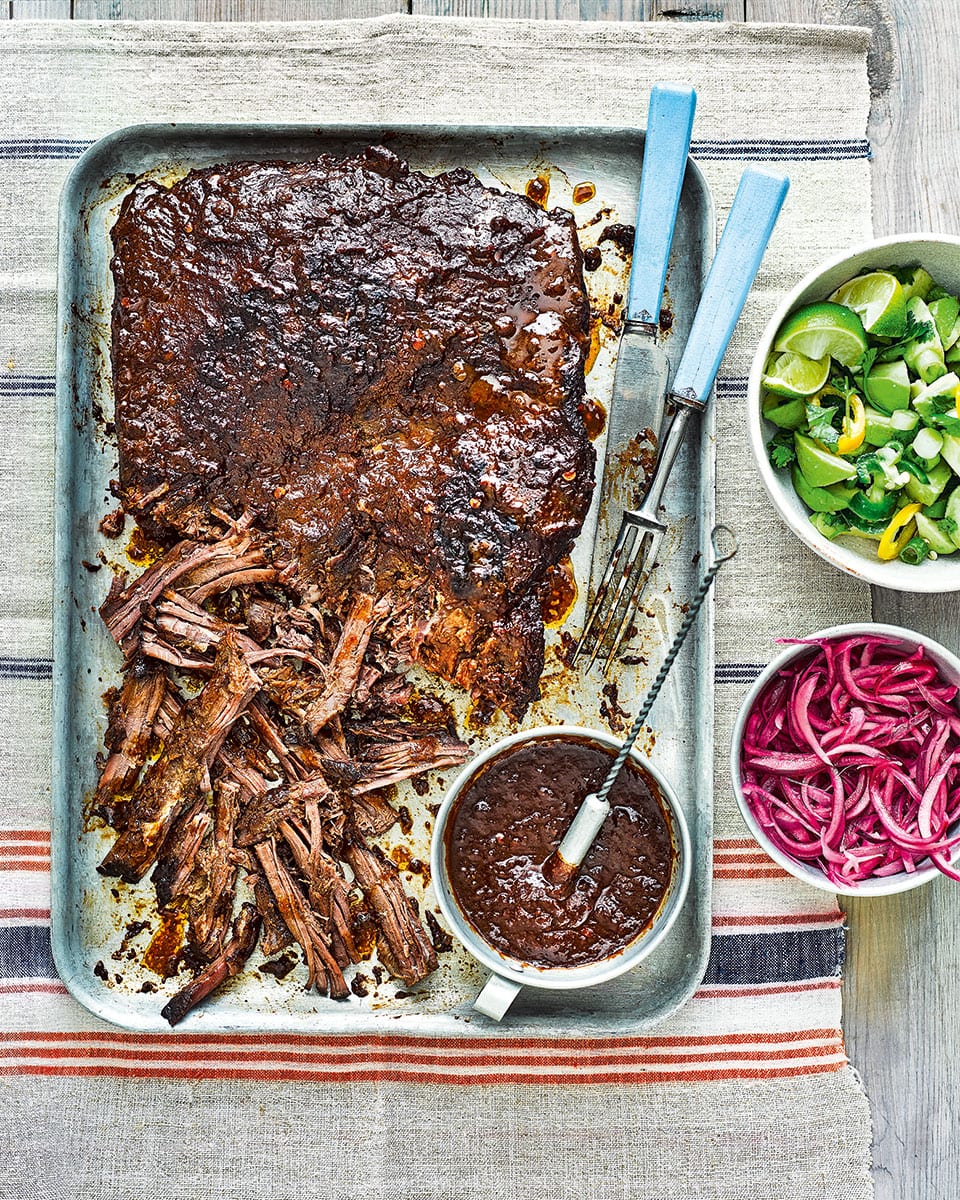
Credit: www.deliciousmagazine.co.uk
Serving Suggestions
Serving Spanish brisket is a chance to enjoy bold, rich flavors with simple, tasty sides. The right pairings bring out the best in the meat. They balance the spices and create a full meal experience. Here are some classic options and wine choices that work well.
Classic Spanish Sides
Roasted potatoes with garlic and paprika match the brisket’s smoky taste. A fresh tomato and cucumber salad adds lightness and crunch. Sautéed green beans with almonds offer a nutty flavor and crisp texture. Warm crusty bread helps soak up the sauce and juices. These sides keep the meal traditional and flavorful.
Wine Pairings
Tempranillo is a top Spanish red wine to serve with brisket. It has medium tannins and fruity notes that complement the meat. Garnacha, another red, offers bright berry flavors and a smooth finish. For white wine lovers, a chilled Albariño brings fresh acidity and citrus hints. These wines enhance the brisket’s rich taste perfectly.
Tips For Tender Brisket Every Time
Cooking tender brisket takes patience and care. Small details make a big difference. These tips help you get soft, juicy meat every time. Follow them for a perfect Spanish brisket experience.
Resting And Slicing
Rest the brisket after cooking. Let it sit for at least 20 minutes. This keeps the juices inside the meat. Cut the brisket against the grain. This breaks up the muscle fibers. The meat feels softer and easier to chew.
Avoiding Common Mistakes
Do not rush the cooking process. Low and slow is the best method. Use a meat thermometer to check doneness. Avoid cutting the meat too soon. Skip over-seasoning; simple spices work well. Keep the brisket moist with a little broth or sauce. These steps prevent dry, tough brisket.

Credit: www.lakeland.co.uk
Frequently Asked Questions
What Spices Are Used In Spanish Brisket Recipe?
Spanish brisket uses smoked paprika, garlic, cumin, and oregano for bold flavors. These spices create a rich, smoky taste unique to Spanish cuisine.
How Long Should Spanish Brisket Be Cooked?
Cook Spanish brisket low and slow for 3 to 4 hours. This tenderizes the meat and infuses it with the spices perfectly.
Can I Make Spanish Brisket In A Slow Cooker?
Yes, slow cookers work great for Spanish brisket. Set on low for 6 to 8 hours for tender, flavorful results.
What Side Dishes Pair Well With Spanish Brisket?
Roasted potatoes, sautéed greens, and crusty bread complement Spanish brisket. These sides balance the smoky, savory flavors of the meat.
Conclusion
Spanish brisket offers rich, bold flavors that satisfy any appetite. This recipe blends spices and slow cooking for tender meat. Serve it with rice, bread, or vegetables for a full meal. Cooking brisket at home saves money and brings joy.
Try this dish to enjoy a taste of Spain today. Simple steps lead to a delicious, hearty dinner everyone will love. Give your family a warm, tasty experience tonight.
