


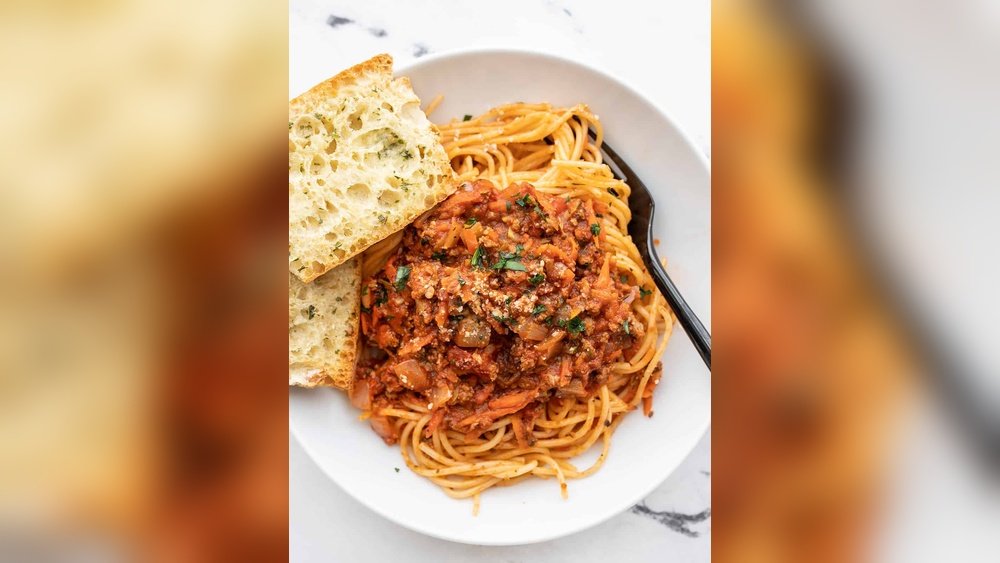
Are you looking for a delicious way to add more veggies to your meals without sacrificing flavor? This spaghetti sauce recipe with vegetables is exactly what you need.
It’s simple, fresh, and packed with nutrients that make every bite satisfying. Imagine a sauce that’s rich, hearty, and full of colorful vegetables, perfect for your next pasta night. Keep reading, and you’ll discover how easy it is to make this healthy sauce at home—your taste buds and your body will thank you.
Ingredients For Vegetable Spaghetti Sauce
Creating a delicious vegetable spaghetti sauce starts with the right ingredients. Fresh vegetables, herbs, and spices build the flavor and texture. Choosing the best elements makes your sauce tasty and healthy. Below are the key ingredients to prepare a rich vegetable spaghetti sauce.
Fresh Vegetables To Use
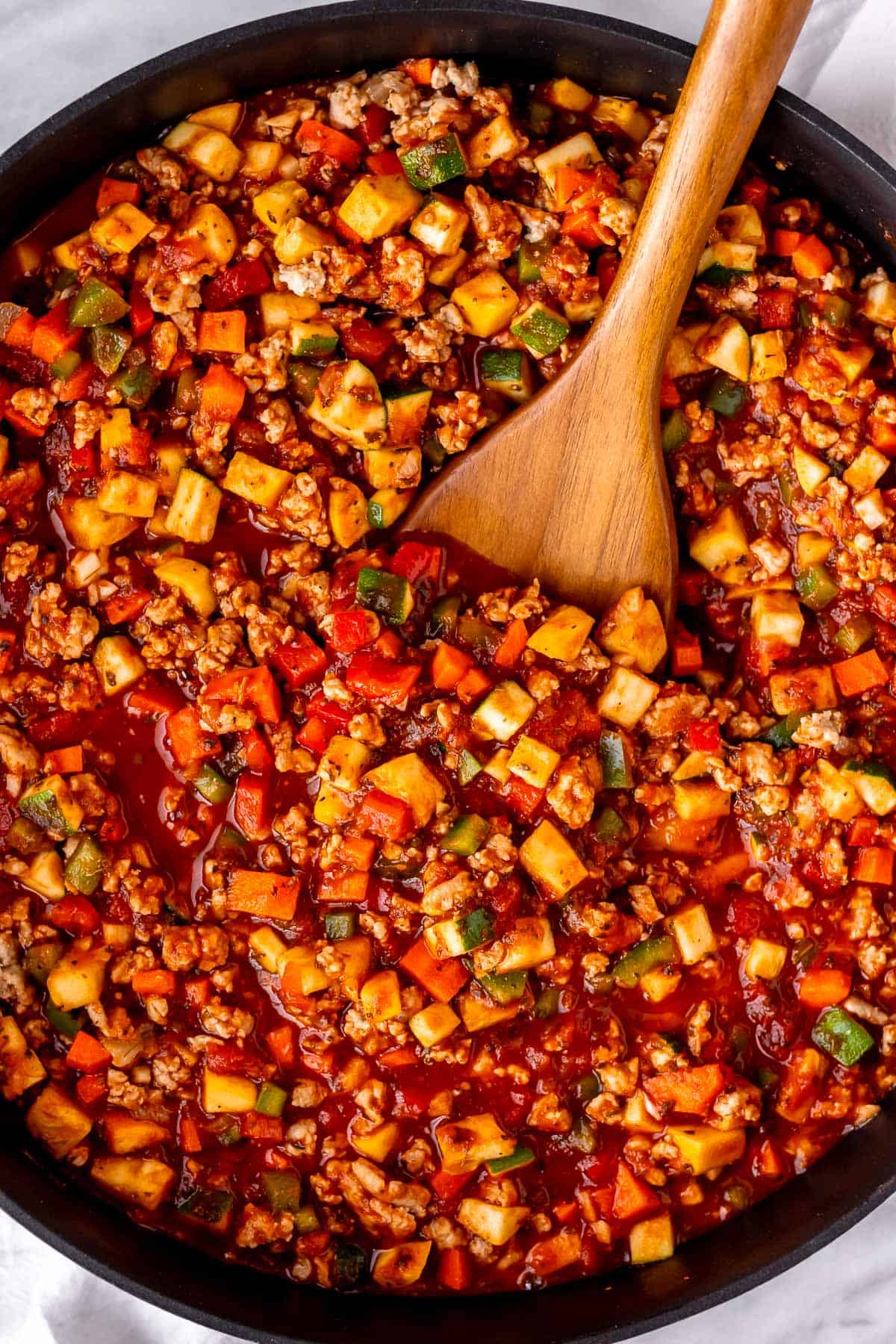
Tomatoes form the base of the sauce. Use ripe, juicy tomatoes for a rich taste. Onions add sweetness and depth. Garlic gives a sharp, fragrant flavor. Bell peppers bring a slight crunch and color. Carrots add natural sweetness and thickness. Zucchini and mushrooms give extra texture and earthiness.
Herbs And Spices
Basil and oregano are classic herbs in spaghetti sauce. They add freshness and aroma. Bay leaves enhance the overall flavor during cooking. Salt and black pepper balance the taste. Red pepper flakes give a mild heat if preferred. Fresh parsley can be added at the end for brightness.
Optional Add-ins
Olive oil adds richness and helps blend flavors. A splash of red wine deepens the sauce’s taste. Tomato paste thickens and intensifies tomato flavor. A pinch of sugar can reduce acidity. Grated cheese on top brings a creamy finish. These extras help customize the sauce to your liking.
Preparing The Vegetables
Preparing the vegetables is the first step to a delicious spaghetti sauce. Fresh vegetables add flavor, color, and nutrition. Proper preparation helps the sauce cook evenly and taste better.
Chopping Techniques
Cut vegetables into even pieces for uniform cooking. Use a sharp knife to avoid crushing them. Dice onions and bell peppers small for quick cooking. Slice carrots thin to soften faster. Keep garlic minced finely to release its aroma. Clean cuts help vegetables blend well in the sauce.
Sautéing Tips
Heat oil in a pan before adding vegetables. Cook onions and garlic first to build flavor. Stir often to prevent burning and sticking. Add harder vegetables like carrots before softer ones. Cook until vegetables are tender but still firm. This keeps the sauce texture perfect and tasty.
Making The Sauce From Scratch
Making spaghetti sauce from scratch is a rewarding process. It lets you control the flavors and ingredients. Fresh vegetables add taste and nutrition. This way, you get a healthy and tasty sauce perfect for any meal.
Combining Ingredients
Start with fresh tomatoes, onions, and garlic. Chop all vegetables into small pieces. Use olive oil to sauté onions and garlic first. Then add the chopped tomatoes and other vegetables. Stir well to mix all flavors evenly.
Simmering For Flavor
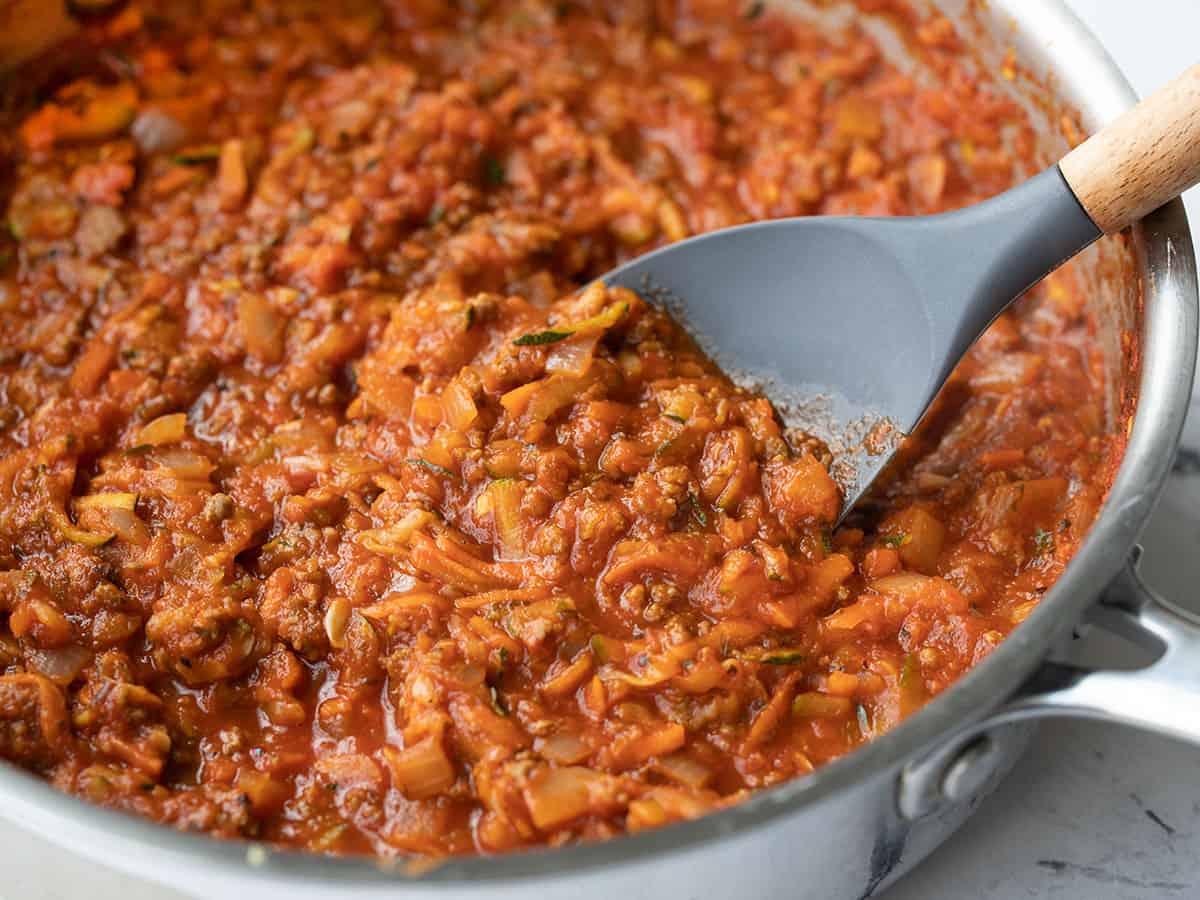
Let the sauce cook slowly on low heat. Simmering helps the flavors blend deeply. Stir occasionally to prevent sticking or burning. A slow simmer creates a rich, thick sauce. The longer it cooks, the better the taste.
Adjusting Consistency
Check the sauce thickness after simmering. If too thick, add a little water or broth. If too thin, cook a bit longer without a lid. Stir regularly to keep the texture smooth. Adjust until the sauce feels just right for your pasta.
Credit: www.inspiredtaste.net
Boosting Nutrition And Flavor
Spaghetti sauce with vegetables is tasty and good for health. You can make it better by adding more nutrition and flavor. Small changes can bring big benefits. Fresh ingredients and smart choices make your sauce both healthy and delicious.
Let’s explore easy ways to boost the nutrition and taste of your spaghetti sauce.
Adding Protein Options
Protein makes your meal filling and helps your body stay strong. Add cooked beans like kidney or chickpeas. They blend well with tomato sauce. Ground turkey or chicken is a lean choice. Cook and add it to the sauce for extra protein. For a vegetarian option, try tofu or lentils. These keep the sauce rich and hearty without meat.
Incorporating Superfoods
Superfoods bring extra vitamins and minerals. Spinach and kale are easy to add. Just chop and stir them into the sauce. Mushrooms add texture and important nutrients. They also deepen the flavor. Use garlic and onions for their health benefits and taste. These simple foods make your sauce more powerful and tasty.
Serving Suggestions
Serving your spaghetti sauce with vegetables is a chance to make your meal even better. The right pasta and toppings can change the taste and texture. Small details can bring out the best flavors in your dish. This section helps you find the perfect matches for your sauce.
Pairing With Pasta Types
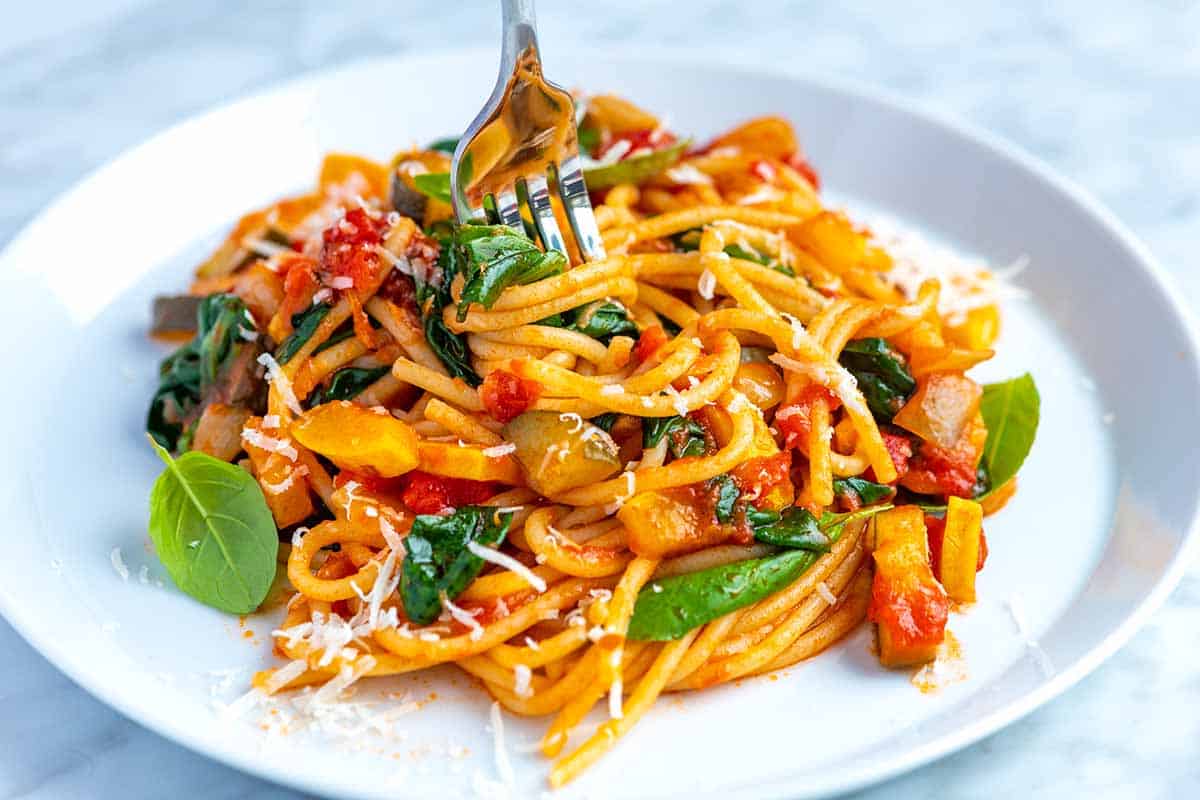
Thick sauces like this go well with wide pasta like fettuccine or pappardelle. These pasta shapes hold the sauce well. Thin pasta such as spaghetti or angel hair also works for a lighter bite. For a fun twist, try pasta shells or rigatoni. Their shape catches the chunky vegetables nicely.
Garnishes And Toppings
Fresh herbs like basil or parsley add a burst of color and fresh taste. Grated Parmesan cheese adds saltiness and richness. Toasted pine nuts bring a nice crunch to each bite. A drizzle of good olive oil on top can make the sauce silkier. Try crushed red pepper flakes for a bit of heat.
Credit: www.budgetbytes.com
Storing And Reheating Tips
Storing and reheating your spaghetti sauce with vegetables properly keeps it fresh and tasty. Good storage stops it from spoiling quickly. Reheating the sauce right brings back its flavor and texture. Follow simple steps to enjoy your sauce longer.
Refrigeration Guidelines
Cool the sauce before placing it in the fridge. Use clean, airtight containers to avoid odors and spills. Keep the sauce in the refrigerator for up to four days. Store it on a middle shelf for even cooling. Avoid leaving it out at room temperature for more than two hours.
Freezing For Later Use
Freeze leftover sauce in small portions for easy use. Choose freezer-safe containers or heavy-duty bags. Leave some space for the sauce to expand when frozen. Label containers with the date to track freshness. Use frozen sauce within three months for best taste. Thaw it overnight in the fridge before reheating gently on the stove or microwave.
Common Mistakes To Avoid
Making spaghetti sauce with vegetables can be simple and tasty. Avoiding common mistakes helps keep your sauce fresh and full of flavor. Small errors can change the taste and texture a lot. Pay attention to these key points to make your sauce perfect every time.
Overcooking Vegetables
Vegetables cook fast in spaghetti sauce. Overcooking makes them soft and mushy. Soft vegetables lose their color and flavor. Keep an eye on the cooking time. Add vegetables in stages based on their cooking speed. This keeps the sauce fresh and colorful.
Balancing Flavors
A good sauce needs a balance of sweet, salty, and sour. Too much salt can ruin the taste. Too little makes it bland. Taste the sauce often while cooking. Adjust seasoning slowly and carefully. Use fresh herbs and spices for natural flavor. A well-balanced sauce is always more enjoyable.
Credit: deliciouslittlebites.com
Frequently Asked Questions
What Vegetables Work Best In Spaghetti Sauce?
Tomatoes, onions, bell peppers, zucchini, and carrots are ideal. They add flavor, texture, and nutrients to the sauce. Using fresh, seasonal vegetables enhances taste and freshness.
How Do I Make Spaghetti Sauce With Fresh Vegetables?
Sauté chopped onions and garlic first. Add diced vegetables like bell peppers and zucchini. Stir in crushed tomatoes and simmer until tender. Season with herbs like basil and oregano.
Can I Freeze Vegetable Spaghetti Sauce?
Yes, vegetable spaghetti sauce freezes well. Cool the sauce completely before storing in airtight containers. Freeze for up to 3 months. Thaw in the refrigerator before reheating.
How Long Should I Cook Vegetable Spaghetti Sauce?
Simmer the sauce for 30 to 45 minutes. This allows vegetables to soften and flavors to meld. Stir occasionally to prevent sticking or burning.
Conclusion
This vegetable spaghetti sauce brings fresh flavors to your meal. It’s easy to make and healthy too. You can change the vegetables to suit your taste. Cooking this sauce saves time and money. Serve it with pasta or use as a dip.
Everyone will enjoy this simple, tasty recipe. Try it today and enjoy a wholesome dinner. Simple ingredients, big taste. Perfect for any day.
