


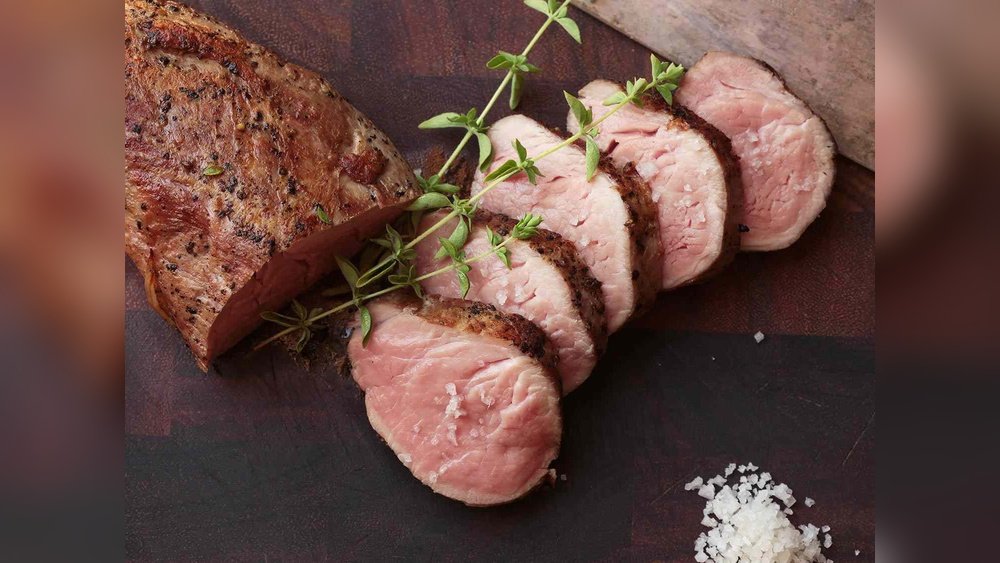
If you want juicy, tender pork roast that melts in your mouth, you’re in the right place. This sous vide pork roast recipe makes cooking foolproof and delivers perfect results every time.
Imagine slicing into a roast that’s evenly cooked from edge to edge, bursting with flavor and so tender it feels like butter. Ready to impress your family or guests without stress? Keep reading, because this simple method will change the way you cook pork forever.
Benefits Of Sous Vide Cooking
Sous vide cooking offers many benefits for preparing a pork roast. It uses water baths to cook food slowly and evenly. This method makes the pork juicy and tender. It also helps keep the flavor strong and fresh.
The process is easy to control. It removes guesswork from cooking. This means better results with less effort. Many chefs and home cooks trust sous vide for these reasons.
Precision Temperature Control
Sous vide cooks food at a precise temperature. The water bath keeps the heat steady. This stops the pork from overcooking or drying out. You get the exact doneness you want every time.
Enhanced Flavor And Texture
Cooking in a sealed bag locks in juices and flavors. The pork absorbs its own spices and herbs deeply. The slow cooking breaks down tough fibers. This results in a soft, flavorful roast.
Consistent Results Every Time
Sous vide offers repeatable cooking results. Each pork roast comes out tender and cooked right. No more guessing or checking the oven. This method gives confidence to any cook.
Choosing The Right Pork Roast
Choosing the right pork roast is key to a delicious sous vide meal. The cut affects the texture and flavor. Some cuts work better with slow cooking and low temperatures. Picking the correct cut ensures tender and juicy results every time.
Quality matters too. Fresh, well-marbled meat cooks evenly and tastes better. Understanding the best cuts helps you prepare a perfect pork roast.
Best Cuts For Sous Vide
Pork shoulder is a popular choice. It has good fat and connective tissue. This cut becomes tender after long cooking times.
Pork loin is leaner and cooks faster. It stays juicy and tender with sous vide. Pork belly also works well. It has rich fat that melts slowly.
Choose cuts with some fat for better flavor and texture. Lean cuts may dry out without careful cooking.
Selecting Quality Meat
Look for pork with a pinkish color and firm texture. Avoid meat that looks gray or feels slimy. Freshness is important for taste and safety.
Fat should be creamy white, not yellow. Marbling means small fat streaks inside the meat. This adds flavor and moisture.
Buy from trusted sources. Local butchers often provide better quality than supermarkets. Fresh, quality meat makes all the difference.
Essential Equipment And Tools
Cooking a pork roast with sous vide needs some special tools. These tools help control temperature and keep flavors inside the meat. Using the right equipment makes the cooking process easy and the results tasty.
Here are the essential tools you need for a perfect sous vide pork roast.
Sous Vide Immersion Circulator
The sous vide immersion circulator heats water to a precise temperature. It circulates water to keep the heat even. This tool ensures the pork roast cooks perfectly. You can set the time and temperature to match your recipe. It is the heart of sous vide cooking.
Vacuum Sealers And Bags
Vacuum sealers remove air from bags and seal them tightly. This keeps the pork roast fresh and stops water from entering. Vacuum bags are strong and safe for cooking in water. Using a vacuum sealer helps the meat cook evenly and keeps flavors locked in.
Additional Kitchen Tools
Some extra tools help with sous vide pork roast. A large pot or container holds the water for cooking. Tongs help to remove the hot bags safely. A cast iron skillet or pan is good for searing the roast after cooking. These tools complete the sous vide cooking process.
Preparing The Pork Roast
Preparing the pork roast well is key to a tasty sous vide meal. Careful preparation helps the flavors soak in and keeps the meat juicy. This section covers simple steps to get your pork roast ready. Follow these tips for the best results.
Seasoning Tips
Start with salt and pepper for basic seasoning. Use garlic powder or onion powder for extra flavor. Fresh herbs like rosemary or thyme work great with pork. Rub the spices evenly on all sides of the roast. Let the meat rest for a few minutes to absorb the flavors.
Marinating Options
Marinating adds more taste and tenderizes the meat. Use a mix of olive oil, vinegar, and herbs for a simple marinade. Soy sauce and honey make a sweet and salty mix. Keep the pork in the marinade for at least one hour. For best flavor, marinate it overnight in the fridge.
Sealing The Meat Properly
Seal the pork roast in a vacuum bag or a ziplock bag. Remove as much air as possible to avoid floating during cooking. Use a vacuum sealer for the best seal. If using a ziplock, use the water displacement method to push air out. Proper sealing keeps juices and flavors locked inside.
Cooking Times And Temperatures
Cooking times and temperatures are key to a perfect sous vide pork roast. They control the texture and juiciness of the meat. Precise settings help keep the pork tender and full of flavor. Understanding these details lets you cook with confidence and get consistent results every time.
Temperature Settings For Juiciness
Set the water bath between 140°F and 160°F for juicy pork. Lower temperatures give a tender, pink center. Higher settings make the pork firmer and fully cooked. Choose based on your taste preference. Keep the temperature steady for best results.
Recommended Cooking Duration
Cook the pork roast for 1.5 to 4 hours. Shorter times work for smaller cuts. Larger roasts need longer to become tender. Avoid overcooking by sticking close to the time range. Sous vide gently breaks down tough fibers in the meat.
Adjusting For Thickness And Cut
Thicker roasts require more cooking time. Thin cuts finish faster and need less time. Bone-in pork takes slightly longer than boneless. Use a thermometer to check if unsure. Adjust the time but keep the temperature steady for even cooking.
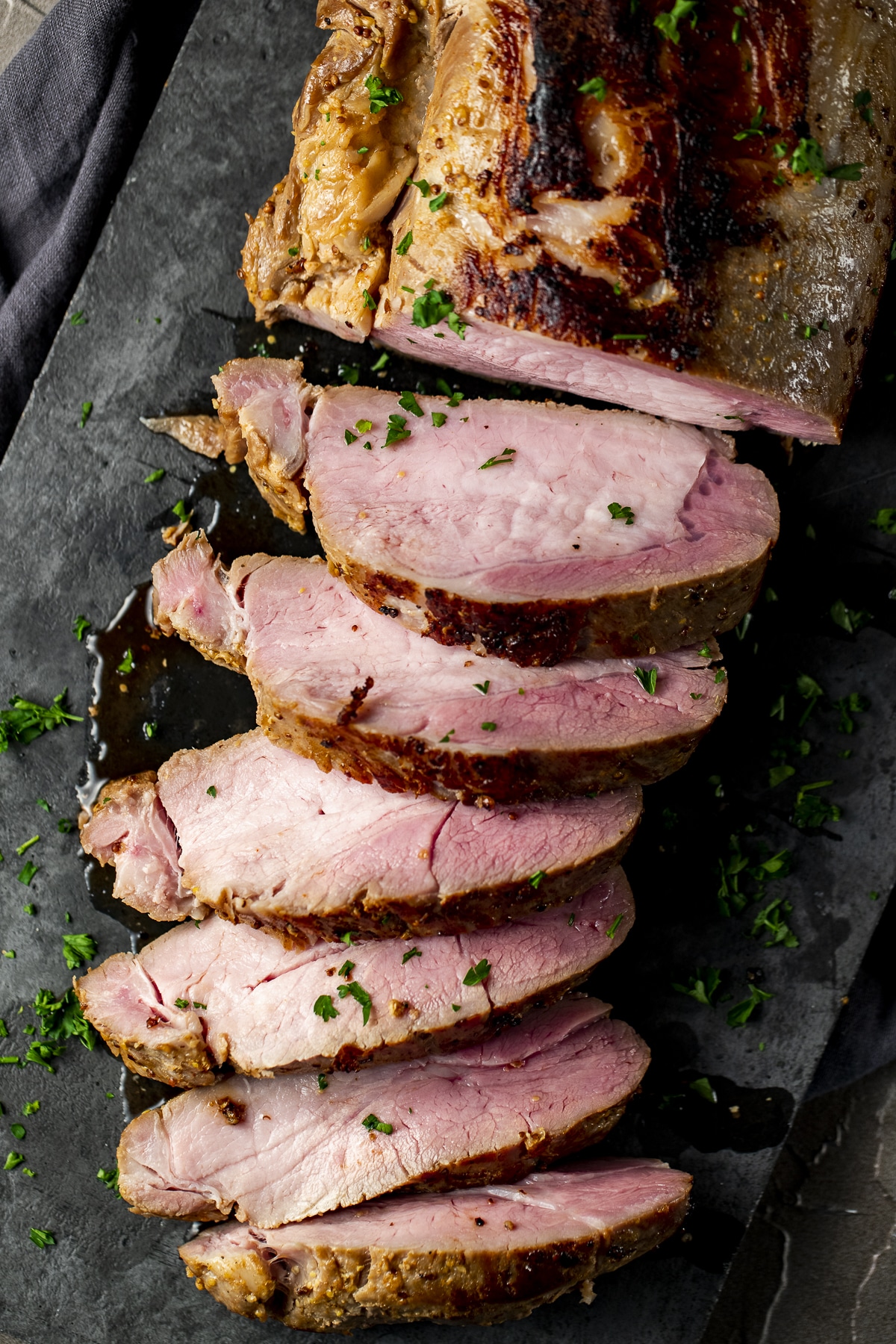
Credit: www.wenthere8this.com
Finishing Techniques
Finishing techniques bring the sous vide pork roast to life. After slow cooking, the pork looks tender but lacks color and texture. These final steps add flavor and an inviting appearance. They create a delicious crust and perfect serving experience.
Searing For A Perfect Crust
Searing is key to adding a golden crust. Heat a pan on high until very hot. Use a small amount of oil with a high smoke point, like vegetable oil. Press the pork roast gently on each side for one to two minutes. This step locks in juices and gives a tasty, crispy outer layer. Avoid overcrowding the pan to maintain high heat. A good sear makes the pork look and taste amazing.
Resting And Serving Suggestions
Rest the pork roast for at least five minutes after searing. This lets the juices settle inside the meat. Cutting too soon causes the juices to run out and dry the roast. Slice the pork against the grain for tender bites. Serve with simple sides like roasted vegetables or mashed potatoes. Drizzle pan juices or a light sauce over the slices for extra flavor. Resting and serving well makes every bite enjoyable.
Common Mistakes To Avoid
Cooking a pork roast with sous vide is simple but needs care. Small mistakes can change the taste and texture. Avoid these common errors to make your pork roast tender and juicy every time.
Overcooking Issues
Leaving pork in the water bath too long makes it mushy. Follow the recipe time closely. Overcooking breaks down the meat fibers too much. The result is a soft, unpleasant texture.
Use a timer and check the water temperature. Consistent heat is key to perfect cooking. Avoid guessing or rushing the process.
Improper Sealing
Air inside the bag stops heat from reaching the meat. It can also let water into the bag. Use a vacuum sealer or a good ziplock bag. Remove all air before sealing the bag tight.
Check the seal carefully. A weak seal can cause water leaks and ruin your pork roast.
Skipping The Sear
Searing adds color and flavor to the pork roast. It creates a crispy crust that many enjoy. Skip this step, and the pork looks pale and less tasty.
After sous vide cooking, pat the meat dry. Sear it quickly on high heat. This final step gives your roast a delicious finish.

Credit: gentletummy.com
Creative Flavor Variations
Creative flavor variations make sous vide pork roast exciting and unique. Small changes can transform the taste and aroma. Experimenting with herbs, spices, sauces, and fillings brings new life to your dish. These ideas help you enjoy pork roast in many delicious ways.
Herb And Spice Blends
Fresh herbs like rosemary, thyme, and sage add a fragrant touch. Use garlic powder, smoked paprika, or cumin for a bold flavor. A mix of salt, pepper, and brown sugar creates a sweet and savory crust. Rub the pork roast evenly before sealing it in the bag. Let the flavors infuse during the slow cooking process.
Sauce Pairings
Serve the pork roast with tangy apple cider glaze. Mustard-based sauces bring a sharp, spicy note. Sweet barbecue sauce adds a smoky, rich finish. Try a creamy mushroom or garlic sauce for smooth texture and earthy taste. Sauces balance the meat’s richness and enhance every bite.
Stuffed Pork Roast Ideas
Stuff the pork roast with spinach and feta cheese for a fresh twist. Dried cranberries and walnuts offer a sweet and crunchy surprise. Use sautéed mushrooms and herbs for a savory, hearty filling. Secure the roast with kitchen twine before cooking. The stuffing keeps the meat moist and flavorful inside.

Credit: tangledwithtaste.com
Frequently Asked Questions
What Is The Best Temperature For Sous Vide Pork Roast?
The ideal temperature is 140°F (60°C) for tender, juicy pork. Cooking at this temperature ensures even doneness and safety. Adjust temperature slightly for preferred doneness or texture.
How Long Should I Cook Pork Roast Sous Vide?
Cook pork roast sous vide between 4 to 6 hours. This timeframe allows the meat to become tender and juicy. Longer cooking won’t dry the meat due to precise temperature control.
Can I Add Seasonings Before Sous Vide Cooking?
Yes, adding herbs, garlic, and spices before sealing enhances flavor. Vacuum sealing locks in the seasonings during cooking. Avoid strong flavors that may overpower the pork.
Is Sous Vide Pork Roast Safe To Eat?
Yes, sous vide cooking at recommended temperatures kills harmful bacteria. Cooking pork at 140°F or higher ensures safety and tenderness. Always follow proper vacuum sealing and hygiene practices.
Conclusion
Cooking pork roast with sous vide ensures juicy, tender meat every time. This method keeps flavors locked in and cooks evenly. You only need a few ingredients and patience. The process is simple and perfect for beginners. Serve with your favorite sides for a complete meal.
Try this recipe to enjoy a delicious pork roast at home. It makes dinner easy and tasty without stress. Give sous vide pork roast a try soon. You won’t regret the juicy, flavorful results.
