


Imagine biting into lobster meat so tender and juicy, it melts in your mouth with every bite. What if you could achieve that perfect texture every time, without the guesswork or overcooking?
With this sous vide lobster recipe, you can. Whether you’re cooking for a special occasion or just want to treat yourself, this method lets you unlock restaurant-quality flavors right in your kitchen. Ready to impress your taste buds and your guests?
Keep reading, because your next unforgettable lobster meal is just a few simple steps away.

Credit: lobsteranywhere.com
Why Choose Sous Vide For Lobster
Choosing sous vide for cooking lobster brings many advantages. This method uses water at a steady temperature to cook food evenly. It helps keep the lobster juicy and tender. The slow, gentle cooking improves flavor and texture without guesswork.
Benefits Of Precise Temperature Control
Sous vide lets you set the exact cooking temperature. Lobster cooks at the perfect heat, not higher or lower. This control stops the lobster from drying out. It also keeps it safe to eat. Precise heat means every bite tastes fresh and delicious.
Consistent Texture And Flavor
Cooking lobster sous vide gives a soft, even texture. The meat stays firm but not tough. Flavors stay locked inside the lobster. No part cooks faster or slower. This balance makes the lobster taste natural and rich every time.
Avoiding Overcooking
Overcooked lobster turns rubbery and loses flavor. Sous vide stops this by cooking slowly and gently. The water bath keeps the lobster from passing the perfect temperature. This method avoids mistakes common with traditional cooking. You get lobster cooked just right, always.
Credit: anovaculinary.com
Selecting Fresh Lobster
Selecting fresh lobster is key for a perfect sous vide lobster recipe. Fresh lobster offers the best texture and flavor. Knowing how to choose lobster can make a big difference in your dish.
Live Vs. Pre-cooked Lobster
Live lobster is the best choice for sous vide cooking. It ensures freshness and natural flavor. Pre-cooked lobster can lose some taste and texture. Cooking live lobster preserves its sweetness and tenderness. Always prefer live lobster for the best results.
Tips For Freshness
Check the lobster’s claws and tail for movement. Active lobsters are fresh and healthy. The shell should be hard and moist, not dry. Avoid lobsters with a strong fishy smell. Fresh lobster smells like clean ocean water.
Sourcing Quality Seafood
Buy lobster from trusted fish markets or seafood stores. Local suppliers often have fresher lobsters. Ask the seller about the lobster’s catch date. Choose lobsters kept on ice or in cold water tanks. Proper storage keeps the lobster fresh and safe.
Preparing Lobster For Sous Vide
Preparing lobster for sous vide ensures tender and flavorful results. Proper preparation helps the lobster cook evenly. It also locks in all the natural juices. This section covers the essential steps for cleaning, cutting, seasoning, and sealing lobster before cooking.
Cleaning And Cutting Techniques
Start by rinsing the lobster under cold water. Remove any dirt or debris on the shell. Use kitchen shears to cut the shell carefully. Split the lobster tail down the middle. Cut the claws to expose the meat. Avoid removing too much shell. Keep the lobster intact for even cooking.
Seasoning Options
Seasoning lobster enhances its natural taste. Use simple ingredients like salt and pepper. Add garlic powder or lemon zest for extra flavor. Fresh herbs such as thyme or dill work well. Lightly brush the lobster meat with melted butter. Avoid heavy sauces before cooking. Keep the seasoning light to maintain texture.
Vacuum Sealing Tips
Place the prepared lobster in a vacuum bag. Arrange meat flat for even heat circulation. Add a small pat of butter for moisture. Remove as much air as possible before sealing. Use a reliable vacuum sealer to prevent leaks. Ensure the bag is tight but not crushed. Proper sealing keeps the lobster juicy and tender.
Sous Vide Cooking Process
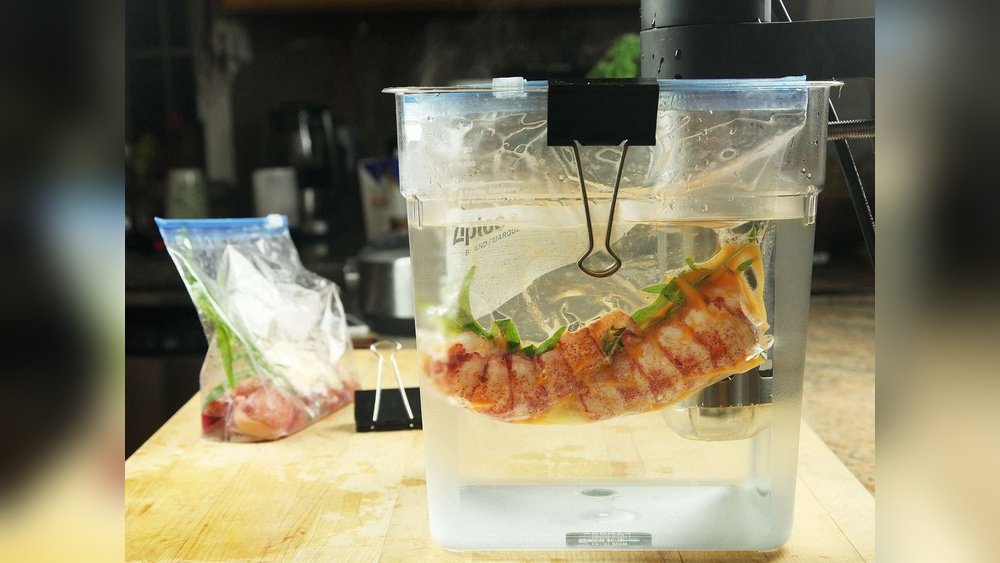
The sous vide cooking process uses precise temperature control to cook food evenly. It involves sealing lobster in a plastic bag and submerging it in a water bath. This method cooks lobster gently, preserving its delicate texture and natural flavor. No risk of overcooking or drying out.
By cooking lobster sous vide, you get consistent results every time. The water bath keeps a steady temperature, so the lobster cooks perfectly from edge to edge. This process unlocks the full taste and tenderness of the lobster meat.
Optimal Temperature Settings
Set the water bath between 130°F and 140°F for lobster. Lower temperatures keep the meat tender and juicy. Higher temperatures cook lobster firmer and flakier. Choose the temperature based on your texture preference.
130°F gives a soft, buttery texture. At 140°F, lobster is firmer but still moist. Avoid temperatures above 145°F to prevent rubbery meat.
Recommended Cooking Times
Cook lobster tails sous vide for 45 to 60 minutes. Smaller tails need less time; larger tails need more. Adjust cooking time based on lobster size and thickness.
Shorter cooking times keep lobster tender. Longer times ensure thorough cooking without drying out. The slow, even cooking prevents toughness.
Using Water Baths Effectively
Fill the water bath large enough to cover the lobster bags fully. Keep water circulating for even heat distribution. Use a sous vide cooker with a built-in circulation pump.
Seal lobster tightly in vacuum bags or ziplock bags using the water displacement method. Avoid air pockets to ensure even cooking. Monitor water level and add hot water if needed during cooking.
Finishing Touches
Finishing touches bring your sous vide lobster to life. They add texture, flavor, and style. These final steps make a simple dish shine. Small details create a memorable meal. Take time to perfect these elements.
Searing For Extra Flavor
Searing lobster adds a golden crust and rich taste. Heat a pan until very hot. Use butter or oil to prevent sticking. Cook lobster quickly on each side, about 30 seconds. Avoid overcooking to keep lobster tender. The sear adds a smoky note and nice color.
Serving Suggestions
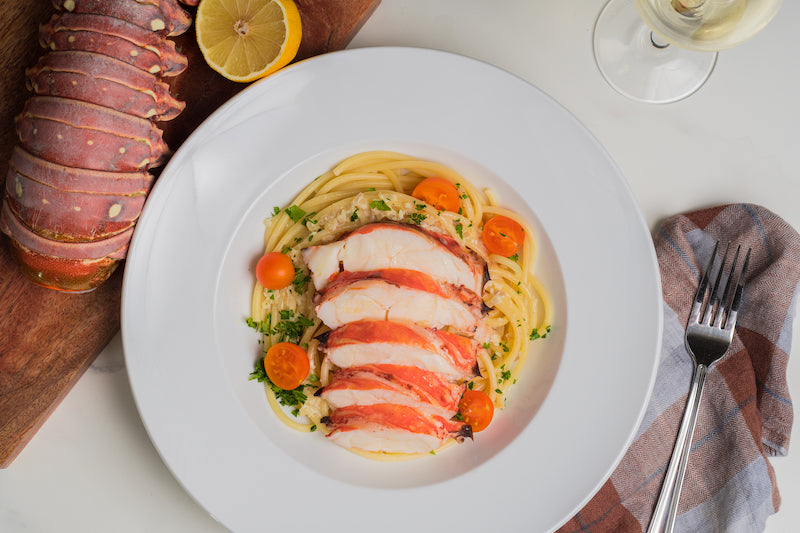
Serve lobster on a warm plate for best results. Garnish with fresh herbs like parsley or chives. Slice lemon wedges for a bright, fresh touch. Present lobster next to colorful vegetables or greens. Keep portions moderate to highlight lobster’s delicate flavor.
Complementary Sauces And Sides
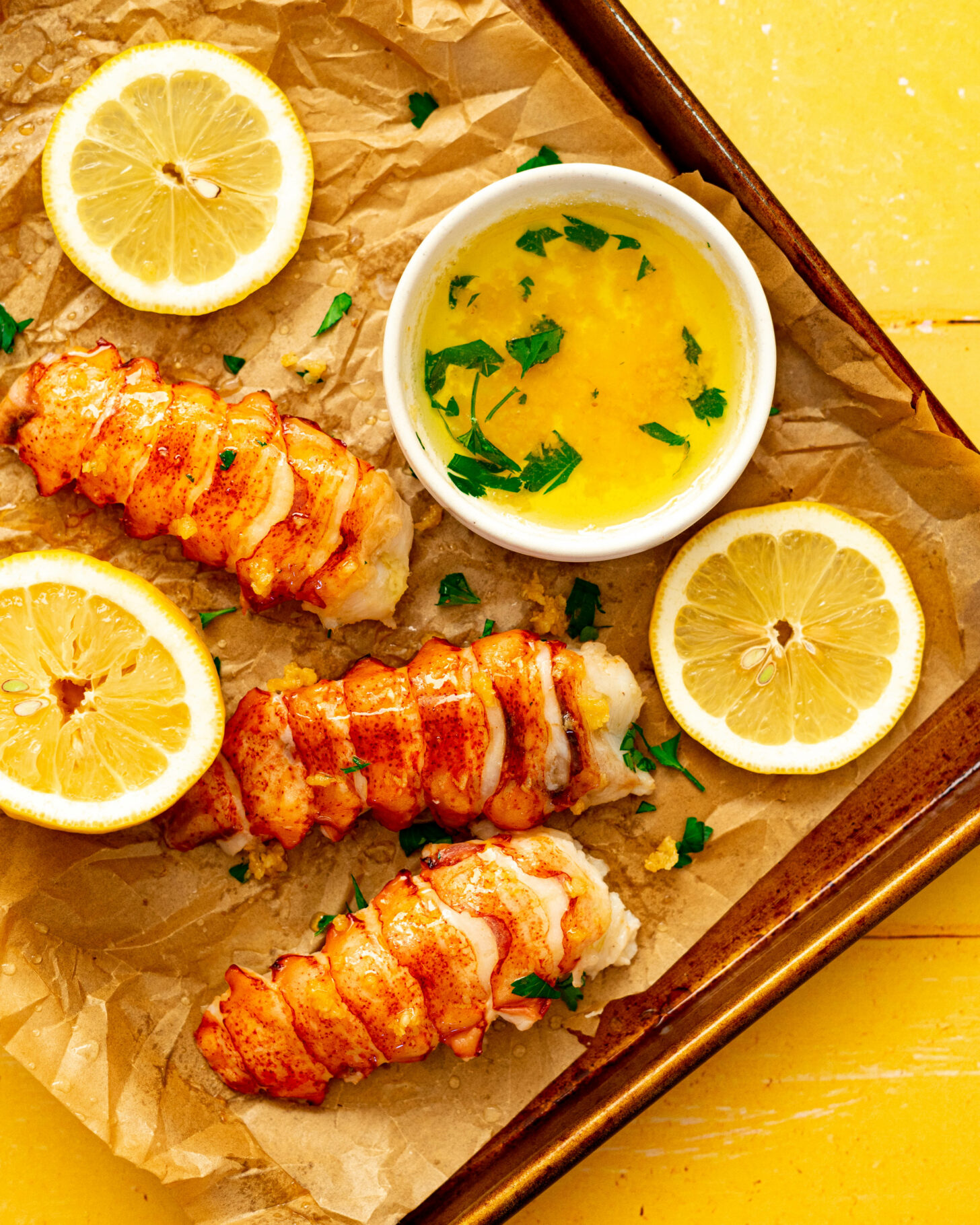
Butter sauce pairs perfectly with sous vide lobster. Try garlic butter or lemon herb butter for richness. Light sides balance the dish well. Steamed asparagus, roasted potatoes, or a simple salad work great. Choose sauces and sides that enhance, not overpower lobster.
Troubleshooting Common Issues
Sous vide cooking offers great results for lobster, but problems can occur. Understanding common issues helps improve your dish. Troubleshooting these problems ensures tender, flavorful lobster every time.
Dealing With Texture Problems
Lobster can turn rubbery if cooked too long. Overcooking breaks down proteins and makes meat tough. Check your cooking time carefully. Use a gentle touch when handling lobster to avoid damage. Soft texture means undercooking. Cook a little longer next time for firmness.
Adjusting Time And Temperature
Temperature affects lobster’s doneness greatly. Higher temps cook faster but risk toughness. Lower temps take longer but keep lobster tender. Experiment with small changes to find what suits you. For tender lobster, try 134°F for 45 minutes. Increase time if lobster is too soft. Decrease if it feels rubbery.
Storage And Reheating Tips
Store cooked lobster in airtight containers. Refrigerate within two hours of cooking to prevent spoilage. Reheat gently in warm water bath at 130°F. Avoid microwaving to keep texture intact. Reheating slowly helps maintain lobster’s juiciness and flavor.
Credit: aducksoven.com
Frequently Asked Questions
How Long Does Sous Vide Lobster Take To Cook?
Sous vide lobster typically cooks in 45 to 60 minutes at 140°F (60°C). This ensures tender and juicy meat. Cooking time depends on lobster size and desired texture. Always avoid overcooking to maintain lobster’s natural sweetness.
What Temperature Is Best For Sous Vide Lobster?
The ideal temperature for sous vide lobster is 140°F (60°C). This temperature cooks lobster evenly while preserving its delicate texture. Higher temperatures can make lobster tough, while lower temperatures might not fully cook it. Precision ensures perfect results every time.
Can I Sous Vide Lobster Tails Instead Of Whole Lobster?
Yes, sous vide lobster tails cook beautifully and faster than whole lobsters. Set the temperature at 140°F (60°C) and cook tails for 45 minutes. This method locks in flavor and moisture while offering a convenient, elegant meal option.
How Do I Season Lobster For Sous Vide Cooking?
Season lobster simply with salt, pepper, and butter before sealing in a bag. Adding fresh herbs like thyme or garlic enhances flavor. Avoid heavy marinades to preserve lobster’s natural sweetness during sous vide cooking.
Conclusion
Cooking lobster sous vide brings out its natural taste and tenderness. You get a juicy, flavorful lobster every time. This method is simple and lets you control the cooking perfectly. Serve it with your favorite sides for a special meal.
Try this recipe to enjoy lobster like never before. Perfect for dinner or a special occasion. Enjoy the rich flavor and soft texture easily. Give sous vide lobster a try—you won’t be disappointed.
