


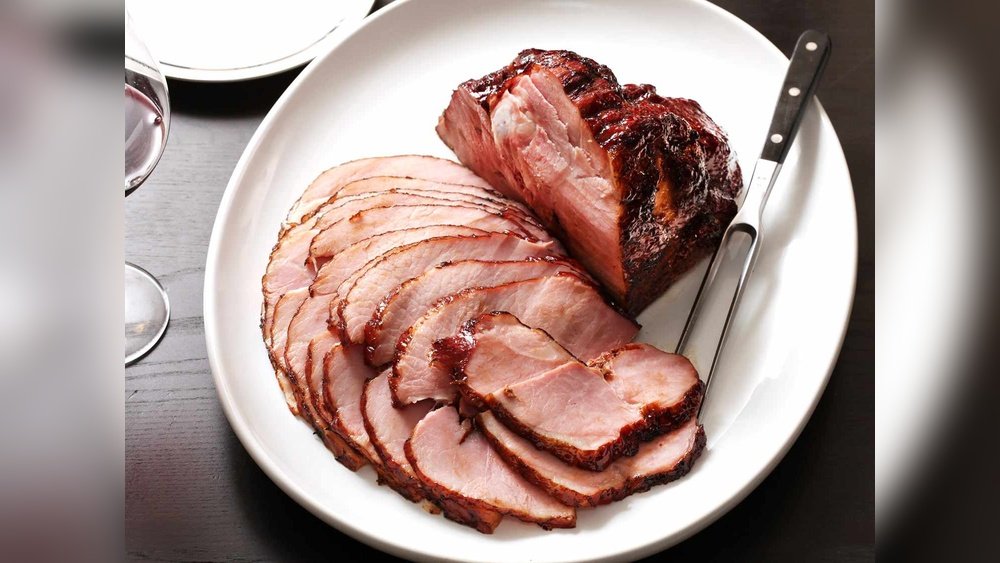
If you’ve ever wanted to make the perfect ham that’s juicy, tender, and bursting with flavor, this Sous Vide Ham Recipe is exactly what you need. Imagine slicing into a ham that’s cooked evenly all the way through, with no dry edges or overcooked spots.
You’re about to discover a simple method that takes the guesswork out of cooking ham and guarantees delicious results every time. Keep reading, and you’ll learn how to impress your family and friends with a ham that tastes like it came from a high-end restaurant—but made right in your own kitchen.
Choosing The Right Ham
Choosing the right ham is key to making a perfect sous vide ham. The texture and flavor depend on the type and size of ham you pick. Selecting the correct ham helps ensure even cooking and a tasty result. This guide explains which ham suits sous vide cooking best and what size to select.
Types Of Ham For Sous Vide
There are several types of ham you can use for sous vide. Fresh ham is uncooked and needs slow cooking. This type is great for tender meat with rich flavor. Precooked ham is already cooked and only needs warming. It works well for quick meals and easy prep. Bone-in ham adds extra flavor but requires longer cooking. Boneless ham is easier to slice and cooks faster. Choose the type that fits your taste and cooking time.
Size And Weight Considerations
Ham size affects cooking time and evenness. Smaller hams cook faster and are easier to handle. Larger hams take longer to cook but serve more people. For sous vide, aim for a ham size that fits your water bath. Make sure the ham fits fully in the bag without crowding. Plan cooking time based on the ham’s weight for best texture. This keeps the meat juicy and tender throughout.
Essential Ingredients And Tools
Preparing a delicious sous vide ham requires specific ingredients and tools. Choosing the right seasonings and glaze makes the ham flavorful and juicy. Using proper sous vide equipment ensures perfect cooking every time.
Seasonings And Glazes
Simple seasonings bring out the best in ham. Common choices include brown sugar, mustard, and cloves. These add a sweet and spicy taste. A glaze made from honey or maple syrup enhances the ham’s flavor. Citrus juices like orange or lemon add a fresh touch. Combining these ingredients creates a rich, tasty glaze. This glaze caramelizes beautifully during the final cooking step.
Sous Vide Equipment Needed
Sous vide cooking requires a few key tools. A sous vide immersion circulator heats water to a precise temperature. This tool ensures even cooking and tender meat. A large container or pot holds the water for the bath. Vacuum-seal bags or heavy-duty zip-lock bags keep the ham sealed during cooking. A reliable vacuum sealer helps remove air for better heat transfer. These tools make the sous vide process easy and effective.
Preparing The Ham
Preparing the ham is a key step for a delicious sous vide dish. It sets the base for flavor and texture. Careful preparation helps the ham cook evenly and taste great.
Start by handling the ham properly. Small steps here make a big difference in the final result.
Trimming And Scoring Techniques
Trim excess fat from the ham’s surface. Leave a thin layer for flavor and moisture. Use a sharp knife for clean cuts. Scoring the ham helps flavors soak in deeper. Make shallow cuts in a diamond pattern. This also helps the glaze stick better. Avoid cutting too deep to keep the meat juicy.
Applying Rubs And Glazes
Rubs add spice and herbs right into the meat. Use a mix of salt, sugar, and spices. Rub it evenly over the ham’s surface. Let the ham rest for a while to absorb flavors. Apply glaze near the end of cooking or after. Glazes add a sweet, shiny finish. Brush the glaze gently to avoid washing off the rub. Repeat for a richer taste and appealing look.
Sous Vide Cooking Process
The sous vide cooking process cooks food in a precise water bath. This method uses controlled temperature to cook the ham evenly. It keeps the ham juicy and tender. The slow cooking improves flavor and texture. It is perfect for cooking ham without drying it out.
Understanding the key steps helps you get the best results. Setting the right temperature and time matters. Also, vacuum sealing the ham is important for even cooking. These steps make sous vide ham easy and delicious.
Setting Temperature And Time
Choose a temperature between 140°F and 160°F for ham. Lower temps give softer, more tender ham. Higher temps create firmer texture and fully cooked meat. Cooking time ranges from 4 to 8 hours. Longer time helps break down tough fibers. Set the water bath to your chosen temperature. Keep the ham in the bath for the full time. This ensures even cooking from edge to center.
Vacuum Sealing The Ham
Place the ham in a vacuum bag or resealable bag. Remove as much air as possible before sealing. Air pockets can cause uneven cooking. Vacuum sealing helps the ham stay moist. It also locks in flavor during cooking. Make sure the bag is tightly sealed. The ham will cook in its own juices. This step is important for perfect sous vide results.
Finishing Touches
Finishing touches bring your sous vide ham to life. After slow cooking, the ham looks tender but needs more color and flavor. These final steps add a delicious crust and a beautiful shine. They make your ham ready to serve and enjoy.
Browning And Glazing After Sous Vide
Remove the ham from the bag and pat it dry. This helps the glaze stick better. Heat a pan or oven to high heat. Brush the ham with your favorite glaze. Popular choices include honey, brown sugar, or mustard-based glazes. Cook until the surface is golden brown and slightly caramelized. Watch carefully to avoid burning. The glaze should be sticky and shiny. This step adds flavor and a nice texture contrast.
Serving Suggestions
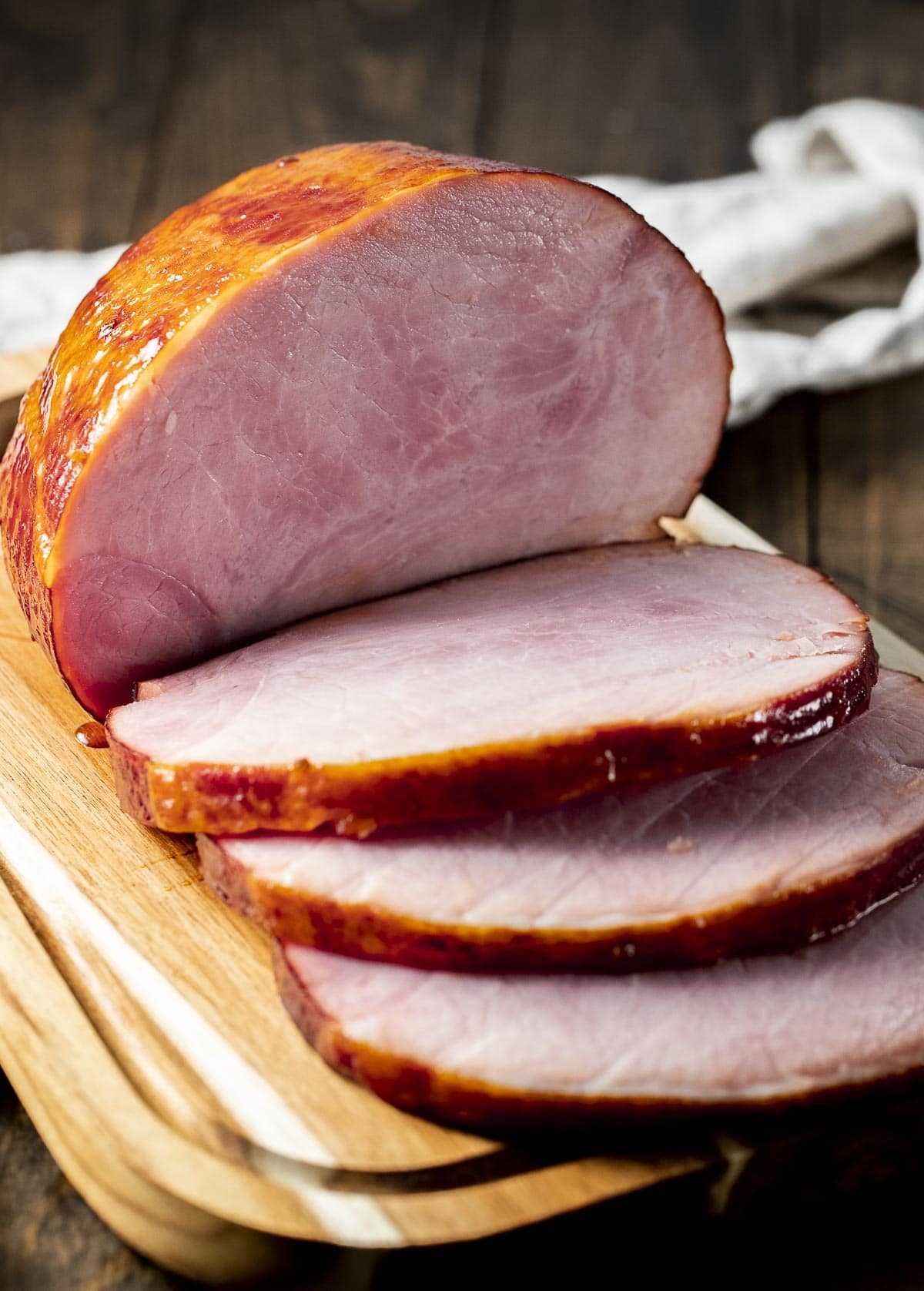
Slice the ham thin or thick, based on your preference. Serve it with classic sides like mashed potatoes or green beans. Fresh fruit like pineapple or apple pairs well with the ham’s sweetness. Add dinner rolls or a crisp salad for variety. Warm the sides before serving for a comforting meal. This simple plating makes your ham the star of the table.
Credit: www.wenthere8this.com
Tips For Juicy And Flavorful Ham
Cooking ham with sous vide is a great way to keep it juicy and full of flavor. Simple tips can make a big difference in the final taste and texture. These tips help you avoid dry ham and boost the flavor perfectly.
Follow these easy steps to make your ham tender and delicious every time.
Avoiding Overcooking
Sous vide lets you cook ham at a low, steady temperature. This prevents the meat from drying out. Set the water bath to the right temperature, usually around 140°F (60°C). Use a timer to cook it just long enough. Overcooking makes ham tough and chewy. Keep a close eye on the clock for perfect results.
Enhancing Flavor With Marinades
Marinades add extra taste and moisture to your ham. Use a mix of sweet and savory ingredients. Brown sugar, honey, mustard, and garlic work well. Let the ham soak in the marinade before cooking. This helps the flavors soak deep into the meat. Seal the ham in a vacuum bag with the marinade for best results. The slow cooking will blend the flavors perfectly.
Storing And Reheating Leftovers
Storing and reheating leftover sous vide ham keeps it safe and tasty for later meals. Proper care stops bacteria growth and preserves flavor. Follow simple steps to keep your ham fresh and enjoy it again without losing quality.
Proper Storage Methods
Cool the ham quickly after cooking. Place it in an airtight container or wrap tightly with plastic wrap. Store the ham in the refrigerator at 40°F or below. Use leftovers within 3 to 4 days for best taste.
For longer storage, freeze the ham. Wrap it well in freezer-safe bags or foil. Label the package with the date. Frozen ham stays good for up to 2 months.
Best Practices For Reheating
Reheat ham gently to keep it moist and tender. Use a low oven temperature, about 275°F, or warm it in a sous vide bath at 130°F. Avoid high heat that dries out the meat.
Cover the ham during reheating to hold moisture. Check the temperature to ensure it reaches at least 140°F before serving. This keeps the ham safe to eat and delicious.
:max_bytes(150000):strip_icc()/__opt__aboutcom__coeus__resources__content_migration__serious_eats__seriouseats.com__recipes__images__2016__11__20161102-sous-vide-ham-12-489c8327945d437a98f4a3e84631dd17.jpg)
Credit: www.seriouseats.com

Credit: www.armadillopepper.com
Frequently Asked Questions
What Is The Best Temperature For Sous Vide Ham?
The ideal temperature for sous vide ham is 140°F (60°C). This ensures tender, juicy meat without overcooking. Cooking at this temperature for 4 to 6 hours produces perfect texture and flavor.
How Long Should I Cook Ham Using Sous Vide?
Cook ham sous vide for 4 to 6 hours. This time allows the meat to become tender and fully heated. Longer cooking doesn’t dry it out, thanks to precise temperature control.
Can I Add Flavors To Sous Vide Ham?
Yes, you can add herbs, spices, or glaze before sealing. This infuses the ham with extra flavor during cooking. Popular additions include cloves, brown sugar, mustard, and garlic.
Is Sous Vide Ham Safe To Eat?
Sous vide ham is safe if cooked above 130°F (54°C). This temperature kills harmful bacteria effectively. Always use vacuum-sealed bags and proper hygiene to ensure food safety.
Conclusion
Sous vide cooking makes ham tender and juicy every time. This method keeps flavors locked in and avoids drying out. You can prepare it ahead and enjoy a stress-free meal. The recipe is simple and perfect for any occasion. Give it a try and enjoy a delicious ham with minimal effort.
Cooking with sous vide brings consistent results you will love. A tasty meal is just a few steps away.
