
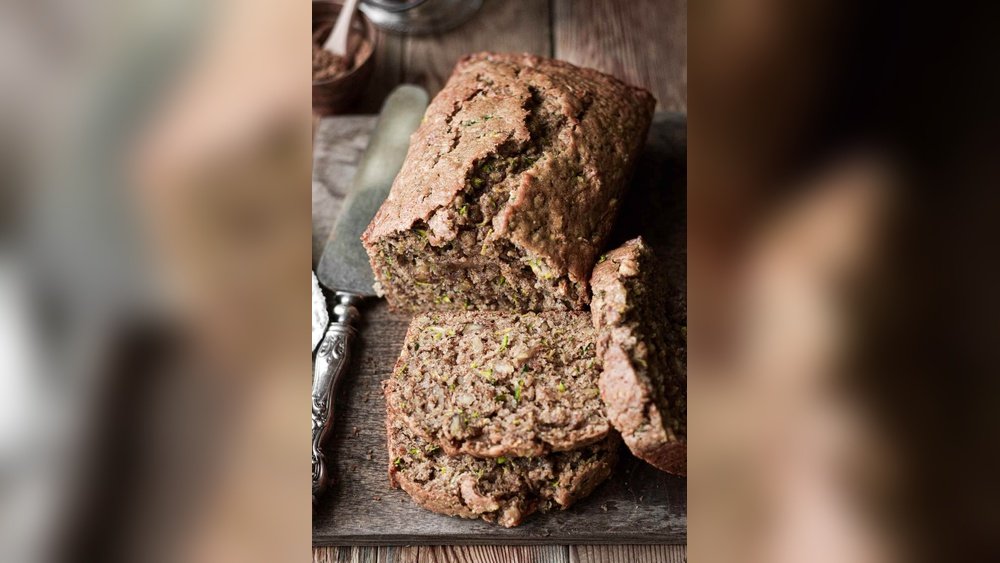
Baking zucchini bread can be a delicious way to use up fresh zucchini and enjoy a moist, flavorful treat. But if you live in a high-altitude area, you’ve probably noticed that your usual recipes don’t turn out quite right.
Your bread might come out too dense, dry, or crumbly. Don’t worry—you’re not alone, and the solution is simpler than you think. You’ll find a zucchini bread recipe tailored just for high altitudes. Follow these easy steps, and you’ll soon be biting into the perfect loaf every time.
Ready to master zucchini bread that rises just right and tastes amazing? Let’s get started!
High Altitude Baking Basics
Baking at high altitude needs special care. The lower air pressure changes how baked goods rise and cook. Understanding basic changes helps make zucchini bread soft and tasty. This section explains key points for high altitude baking.
Effects Of Altitude On Baking
Air pressure is lower at high altitudes. Gases inside dough expand faster. This causes baked goods to rise quickly and then fall. Water evaporates faster. Baked goods can dry out or burn. The oven temperature may seem too low for cooking inside. These changes affect texture and taste.
Adjusting Ingredients For Altitude
Reduce baking powder or baking soda slightly. Use more liquid to keep bread moist. Add a bit more flour for structure. Lower sugar to prevent bread from collapsing. Increase oven temperature by 15-25 degrees Fahrenheit. These changes help zucchini bread bake evenly and stay soft.

Credit: curlygirlkitchen.com
Choosing The Best Zucchini
Choosing the best zucchini is key for making tasty zucchini bread at high altitude. Fresh zucchini gives the bread a moist texture and a mild flavor. Picking the right type and preparing it well affects the final result.
Types Of Zucchini
Green zucchini is the most common and easy to find. It has a soft skin and tender flesh. Yellow zucchini offers a slightly sweeter taste and bright color. Both types work well for bread. Smaller zucchinis are less watery and have a firmer texture. Large zucchinis can be watery and bitter. Choose medium-sized ones for the best balance.
Preparing Zucchini For Bread
Wash the zucchini thoroughly before use. Grate it finely to blend well in the batter. Avoid squeezing out too much moisture. The natural juice helps keep the bread soft. If the zucchini is too wet, blot it lightly with a paper towel. This stops the bread from becoming soggy. Freshly grated zucchini works better than pre-packaged. Use it soon after grating for best flavor.
Ingredient Modifications
Baking zucchini bread at high altitude needs smart ingredient changes. Air pressure is lower. This affects how ingredients react. Adjusting ingredients helps the bread rise well and stay moist.
Small changes in flour, leavening, moisture, fat, sweeteners, and spices make a big difference. These tweaks help keep the bread soft and tasty.
Flour And Leavening Adjustments
Use slightly more flour at high altitude. It gives the dough more structure. This stops the bread from collapsing.
Reduce baking powder or baking soda by about 1/4 teaspoon. Too much leavening makes the bread rise too fast. It can then fall and become dense.
Moisture And Fat Considerations
Add a little extra liquid like water or milk. This prevents dryness because liquids evaporate quicker at high altitude.
Increase fat like oil or butter slightly. Fat keeps the bread moist and tender.
Sweeteners And Spices
Cut back sugar a little. Sugar dries out faster in high places.
Keep spices mild. Strong spices can overpower the bread’s flavor after baking changes.
Mixing And Baking Tips
Baking zucchini bread at high altitude needs careful mixing and baking. The air is thinner, which changes how ingredients react. This section gives tips to get the best texture and flavor.
Proper Mixing Techniques
Mix ingredients gently to avoid overworking the batter. Overmixing can make the bread tough and dense. Use a spatula to fold wet and dry parts together. Stop mixing as soon as the ingredients combine. This keeps the bread soft and moist.
Oven Temperature And Timing
Set the oven temperature slightly lower than usual, around 325°F (165°C). High altitude causes faster baking and browning. Lower heat helps the bread cook evenly inside. Bake for 45 to 55 minutes, checking often after 40 minutes. Adjust time based on your oven’s heat and bread size.
Testing For Doneness
Insert a toothpick in the center of the bread. If it comes out clean or with a few crumbs, the bread is done. Wet batter on the toothpick means more baking is needed. Let the bread cool in the pan for 10 minutes. Then move it to a rack to cool fully before slicing.
Troubleshooting Common Issues
High altitude baking can be tricky for zucchini bread. The changes in air pressure affect how ingredients react. This often causes common problems in texture and baking. Understanding these issues helps you fix them fast. Here are solutions to the most frequent troubles in high altitude zucchini bread baking.
Dry Or Crumbly Bread
Dry bread usually means too much flour or not enough liquid. High altitude causes faster evaporation of moisture during baking. Reduce the flour slightly by 1 to 2 tablespoons. Increase the liquid like milk or oil to keep the bread moist. Avoid overbaking as it dries the bread out more.
Dense Or Heavy Texture
Dense bread happens when the batter is too thick or overmixed. Overmixing develops gluten, making the bread heavy. Mix just until ingredients blend well. Use the right amount of leavening agents like baking powder. Too little or too much can cause heaviness. Adding a bit more baking powder can help the bread rise better at high altitude.
Uneven Baking
Uneven baking leads to some parts overcooked and others underdone. This problem appears due to changes in temperature and air pressure. Lower the oven temperature by 15 to 25 degrees Fahrenheit. Bake for a longer time to ensure even cooking inside. Use a light-colored pan for better heat distribution. Rotate the pan halfway through baking for uniform results.

Credit: mountainmamacooks.com
Serving And Storage Ideas
Serving and storing zucchini bread properly keeps it tasty and fresh. This section shares easy ideas to enjoy and save your bread. Follow these tips for the best experience with your high altitude zucchini bread.
Best Ways To Serve Zucchini Bread
Serve zucchini bread warm for soft, moist bites. Spread a thin layer of butter for extra flavor. Try cream cheese or honey as tasty toppings. Cut into small slices for a quick snack. Pair with tea or coffee for a cozy treat. Add fresh fruit on the side for a balanced snack.
Storing To Maintain Freshness
Store zucchini bread in an airtight container at room temperature. Keep it away from direct sunlight and heat. Use within three days for the best taste and texture. For longer storage, refrigerate the bread wrapped in plastic wrap. Let it come to room temperature before serving.
Freezing Tips
Freeze zucchini bread to enjoy it later without losing flavor. Wrap each slice tightly in plastic wrap or foil. Place wrapped slices in a freezer-safe bag or container. Label with the date for easy tracking. Thaw slices overnight in the fridge or warm them gently in a microwave. Avoid refreezing thawed bread to keep quality high.

Credit: mountainmamacooks.com
Frequently Asked Questions
How Do I Adjust Zucchini Bread For High Altitude?
At high altitudes, reduce baking powder slightly and increase liquid. This prevents over-rising and dryness. Bake at a lower temperature for longer for even cooking.
Why Does Zucchini Bread Need Changes At High Altitude?
Lower air pressure affects rising and moisture loss. Adjusting ingredients and baking time ensures the bread stays moist and rises properly without collapsing.
Can I Use Regular Zucchini Bread Recipes At High Altitude?
Regular recipes may fail at high altitude. Adjust flour, liquid, and leavening agents to compensate for faster evaporation and rising. This keeps texture and taste balanced.
What Baking Temperature Suits High Altitude Zucchini Bread?
Lower the baking temperature by 15-25°F from the original recipe. This helps avoid over-browning and allows the bread to bake evenly inside.
Conclusion
This zucchini bread recipe works well at high altitudes. You can enjoy moist and tasty bread every time. Small changes in ingredients make a big difference. Baking at high altitudes needs careful adjustments. This recipe helps avoid common problems like dryness or collapse.
Give it a try and see how easy baking can be. Fresh zucchini adds great flavor and texture. Perfect for snacks or breakfast. Baking bread at home feels rewarding and fun. Enjoy sharing this simple, delicious treat with family and friends.
