

If you’ve ever wanted to make delicious, healthy bread at home without the hassle, this Whole Wheat Sourdough Bread Recipe for your bread machine is exactly what you need. Imagine waking up to the smell of fresh, tangy sourdough with a perfect crust and soft inside—all made effortlessly by your bread machine.
You don’t have to be an expert baker or spend hours kneading dough. This recipe is simple, reliable, and packed with the wholesome goodness of whole wheat. Keep reading, and you’ll discover how easy it is to enjoy homemade sourdough bread that’s good for you and tastes amazing.
Benefits Of Whole Wheat Sourdough
Whole wheat sourdough bread offers many health and taste benefits. It combines the goodness of whole grains with natural fermentation. This bread is a smart choice for those wanting nutritious and tasty food. It supports better digestion and delivers rich flavors.
Nutritional Advantages
Whole wheat sourdough contains more fiber than white bread. Fiber helps keep the digestive system healthy. It also provides vitamins like B and minerals such as iron and magnesium. The sourdough process can increase nutrient absorption. This means your body can use the nutrients better.
Flavor Profile
Sourdough has a unique, tangy taste. The fermentation gives it a mild sour flavor. Whole wheat adds a nutty, earthy note. This creates a rich and deep flavor combination. The texture is chewy with a crisp crust. Perfect for sandwiches or toast.
Digestive Benefits
The natural fermentation in sourdough breaks down gluten and starch. This makes the bread easier to digest. It also lowers the bread’s glycemic index. So, it does not spike blood sugar quickly. The good bacteria in sourdough help balance gut health. This supports better digestion and overall wellness.
Choosing The Right Ingredients
Choosing the right ingredients makes a big difference in your whole wheat sourdough bread. Each component affects the taste, texture, and rise of the bread. Use fresh and quality ingredients for the best results. The bread machine will work better with the right materials.
Selecting Whole Wheat Flour
Pick whole wheat flour that is fresh and finely ground. Fresh flour gives a nutty flavor and better texture. Avoid old or coarse flour as it can make the bread dense. Organic flour is a good choice for cleaner taste. The flour’s protein level should be moderate to support good gluten development.
Using Quality Sourdough Starter
A healthy sourdough starter is key for natural fermentation. Use a starter that is bubbly and active. This helps the bread rise well and adds a mild tangy flavor. Feed your starter regularly before baking day. Avoid starters with off smells or mold.
Additional Ingredients For Flavor
Salt enhances flavor and controls fermentation speed. Use sea salt or kosher salt for a clean taste. A small amount of honey or sugar can help feed the yeast. Add seeds or nuts for crunch and extra nutrition. Use water at room temperature to keep the starter active.
Preparing Your Bread Machine
Preparing your bread machine is the first step to baking perfect whole wheat sourdough bread. Clean parts and correct settings help the bread rise well and taste great. Taking time to set up the machine saves trouble later. Follow simple tips to get the best results every time.
Best Settings For Sourdough
Choose the sourdough or whole wheat program on your bread machine. These settings use longer rise times needed for sourdough. Set the crust color to medium for a balanced bake. Use the dough setting if you want to shape the bread by hand. Avoid quick or rapid bake modes; they do not suit sourdough well.
Cleaning And Maintenance Tips
Clean the pan and kneading blade after each use. Use warm water and mild soap to remove dough bits. Dry all parts before assembling the machine again. Check the paddle for stuck dough to avoid motor strain. Regular cleaning keeps your bread machine working smoothly and extends its life.
Step-by-step Recipe Guide
Making whole wheat sourdough bread in a bread machine is simple with the right steps. This guide breaks down the process clearly. Follow each step carefully for a soft, tasty loaf. The bread machine does most work, but accurate preparation matters.
Measuring Ingredients
Use a kitchen scale for best results. Measure flour, water, and sourdough starter precisely. Too much flour makes bread dry. Too much water makes it sticky. Add salt and a little sugar for flavor. Use fresh yeast or active sourdough starter. Accurate measuring starts good bread.
Loading The Bread Machine
Place the paddle in the bread pan first. Add liquids like water and starter at the bottom. Next, add dry ingredients on top. Keep salt away from yeast. This stops yeast from dying early. Close the lid gently. Choose the sourdough or whole wheat setting if available.
Timing And Baking
Set the bread machine for the whole wheat sourdough cycle. It usually takes 3 to 4 hours. The machine will mix, rise, and bake automatically. Avoid opening the lid during baking. Let the bread cool before slicing. Cooling finishes the cooking and improves flavor.
Troubleshooting Common Issues
Troubles with whole wheat sourdough bread in a bread machine can be frustrating. Many home bakers face common problems but fixing them is often simple. This section helps you understand and solve these issues. Clear tips improve your bread’s texture and taste.
Dense Or Heavy Bread
Dense bread happens when the dough lacks enough air. Too little fermentation time or inactive starter causes this. Check your starter’s strength before baking. Use warm water to help yeast grow. Avoid adding too much flour. The dough should be sticky but not too wet.
Uneven Crust
Uneven crust often means uneven heat in the bread machine. Make sure the machine is clean inside. Check if the paddle spins freely. Avoid opening the lid during baking. Steam inside the machine helps create a good crust. Try adding a small pan of water near the machine if possible.
Starter Not Rising
A starter that does not rise means the yeast is weak or dead. Feed your starter regularly with equal parts flour and water. Keep it in a warm place, about 75°F (24°C). Use unchlorinated water, as chlorine kills yeast. If the starter smells bad or looks moldy, start fresh with new flour and water.
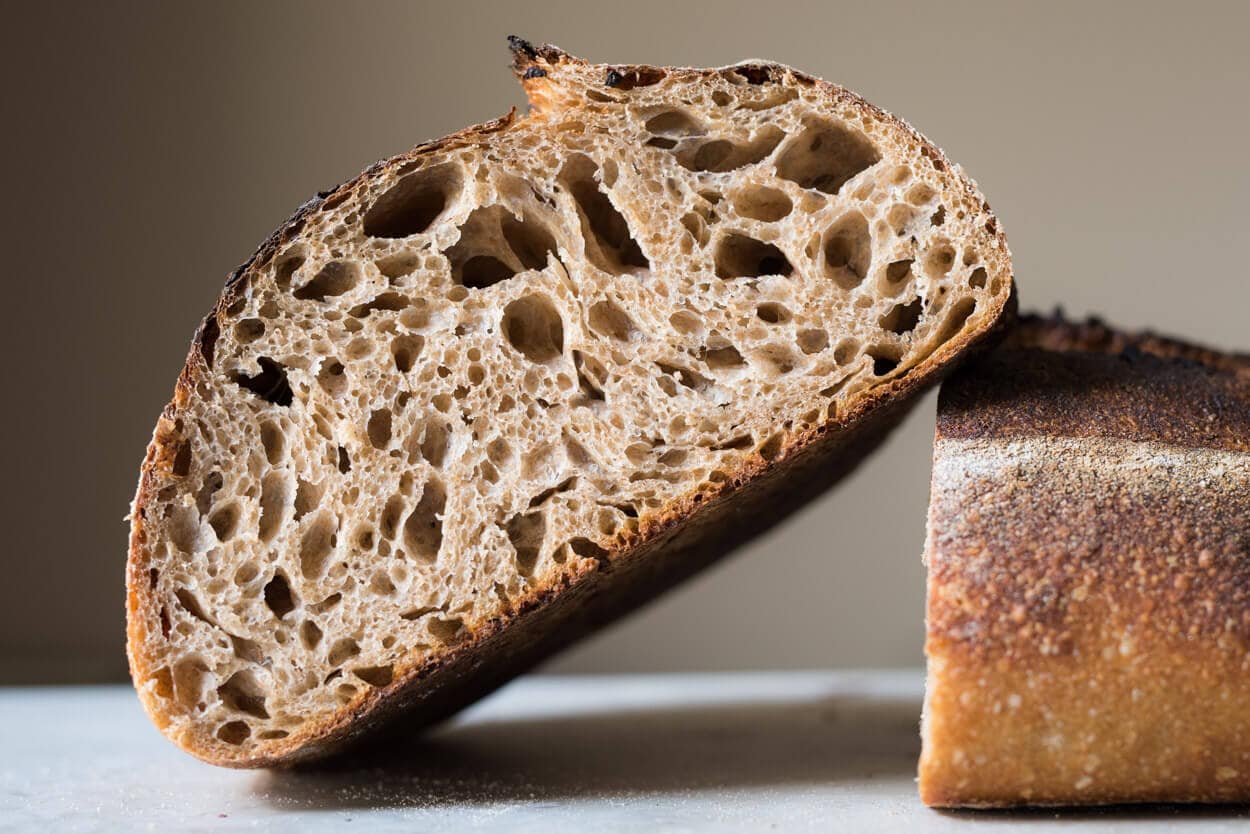
Credit: www.theperfectloaf.com
Serving And Storing Tips
Serving and storing your whole wheat sourdough bread properly keeps it fresh and tasty. Knowing how to enjoy and save your bread helps avoid waste. Follow these simple tips to make the most of your bread machine creation.
Best Ways To Enjoy Your Bread
Slice your bread thin or thick, depending on your meal. Toast it lightly for a crispy texture. Spread butter, jam, or honey for a sweet touch. Use it for sandwiches with fresh veggies and cheese. Warm slices in the oven for a soft, fresh taste. Pair your bread with soups or salads for a full meal.
Storage Methods To Maintain Freshness
Store bread in a cool, dry place to keep it fresh. Use a cloth bread bag or paper bag to allow air flow. Avoid plastic bags, as they trap moisture and cause mold. Freeze extra bread by wrapping it tightly in foil or plastic wrap. Thaw frozen bread at room temperature before eating. Keep bread away from direct sunlight and heat.
Variations And Add-ins
Variations and add-ins make whole wheat sourdough bread more exciting. They bring new flavors and textures to your bread machine recipe. Experimenting with these options can turn a simple loaf into a special treat. Here are some ideas to try.
Seeds And Nuts
Seeds like sunflower, sesame, and flax add crunch and nutrition. Nuts such as walnuts and pecans give a rich, earthy taste. Toast seeds and nuts lightly before adding for extra flavor. Mix them into the dough during the last kneading cycle.
Herbs And Spices
Fresh or dried herbs like rosemary, thyme, or oregano add aroma and taste. Spices such as cinnamon, nutmeg, or cumin can create unique bread profiles. Add herbs and spices to the flour before starting the bread machine. Use small amounts to avoid overpowering the bread.
Sweet Additions
Sweeteners like honey, molasses, or maple syrup enrich the bread’s flavor. Dried fruits such as raisins, cranberries, or chopped dates add bursts of sweetness. Mix in these sweet add-ins during the final mixing stage. They create a nice contrast to the tangy sourdough flavor.
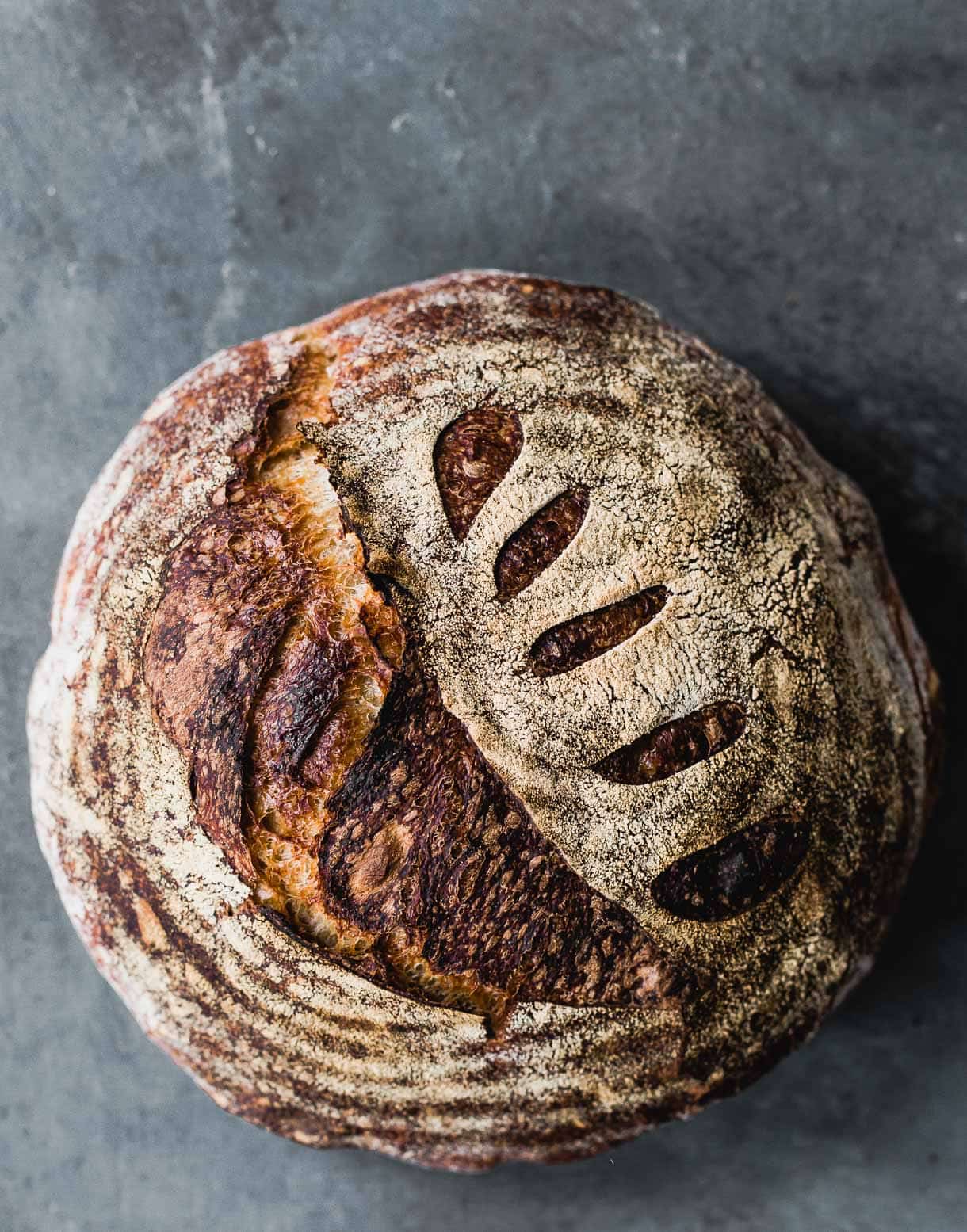
Credit: heartbeetkitchen.com

Credit: www.youtube.com
Frequently Asked Questions
What Ingredients Are Needed For Whole Wheat Sourdough Bread?
You need whole wheat flour, sourdough starter, water, salt, and sometimes honey or oil. These ingredients create a healthy, flavorful bread with a chewy texture.
How Long Does The Bread Machine Take To Bake Sourdough?
Most bread machines take about 3 to 4 hours to complete the sourdough cycle. Time varies by model and recipe specifics.
Can I Use Regular Flour Instead Of Whole Wheat?
Yes, but the texture and flavor will differ. Whole wheat adds nuttiness and more fiber to the bread.
How Do I Maintain My Sourdough Starter For Bread Machines?
Feed your starter regularly with equal parts flour and water. Keep it at room temperature for active fermentation before baking.
Conclusion
Baking whole wheat sourdough bread at home is simple and rewarding. Your bread machine does most of the work for you. Enjoy fresh, healthy bread anytime you want. The recipe uses basic ingredients you can find easily. It’s perfect for beginners and busy people alike.
Try it today and taste the difference. Fresh bread brings warmth and comfort to your kitchen. Happy baking!
