
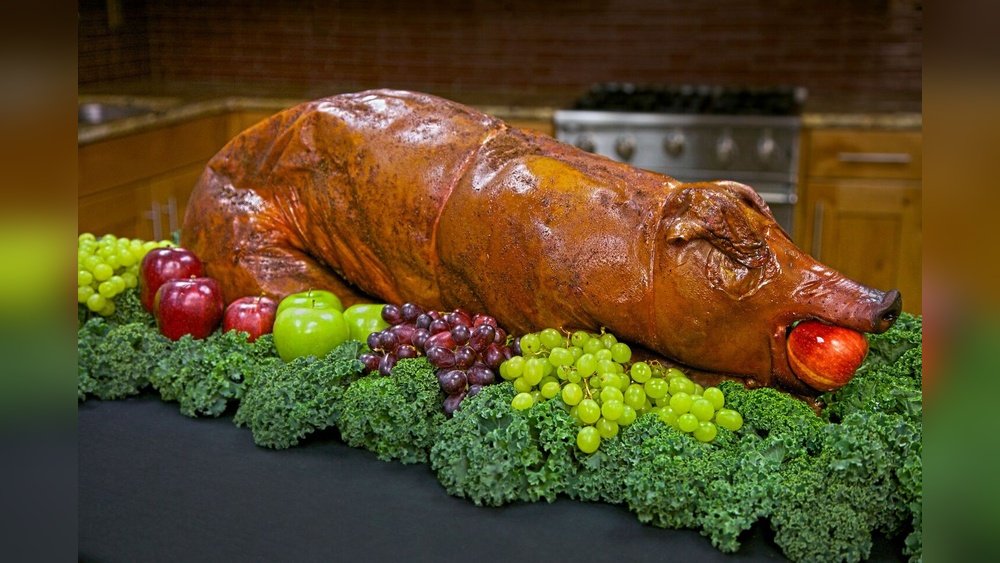
If you want to turn your whole hog into a juicy, flavorful masterpiece, the secret lies in the brine. A great whole hog brine recipe can make all the difference between dry meat and mouthwatering perfection.
Imagine biting into tender pork that’s packed with rich, savory flavors from the inside out. You’ll discover an easy-to-follow brine recipe that will transform your next cookout. Keep reading, and get ready to impress your guests with every delicious bite.

Credit: www.bbqguys.com
Choosing The Right Hog
Choosing the right hog is the first step for a perfect whole hog brine. The quality of pork affects the taste and texture of your dish. This section guides you in picking the best hog for your recipe.
Consider the type of pork and its freshness. Fresh, good-quality meat absorbs the brine better. Size and cut matter too. They influence cooking time and flavor.
Selecting Quality Pork
Choose pork that looks fresh with a pinkish color. Avoid meat that is pale or gray. Fresh pork feels firm and moist, not sticky. Fat should be white, not yellow. Good fat adds flavor and keeps the meat juicy. Ask your butcher about the hog’s diet and care. Healthy hogs produce better meat.
Size And Cut Considerations
The size of the hog affects how long to brine and cook. Small hogs cook faster but may have less flavor. Larger hogs take longer but yield more meat. Choose a whole hog if possible for even flavor. If not, select big cuts like shoulder or leg. These cuts absorb brine well and stay tender during cooking. Balance size with your cooking equipment and time.
Brining Basics
Brining is a key step in preparing whole hog barbecue. It helps the meat stay moist and adds flavor deep inside. A good brine makes the pork tender and juicy after cooking. Understanding the basics of brining can improve your whole hog recipe.
Brining involves soaking the meat in a saltwater solution. The salt draws water into the meat cells. This process keeps the meat from drying out during cooking. It also helps the pork absorb spices and herbs from the brine.
Why Brine Matters
Brining keeps the pork juicy and full of flavor. It stops the meat from shrinking too much while cooking. The salt in the brine breaks down tough muscle fibers. This makes the meat softer and easier to eat. A well-brined hog has better texture and taste.
Key Ingredients For Brine
Salt is the main ingredient in any brine. It controls the moisture balance in the meat. Water is the base that carries the salt and flavors. Sugar adds a touch of sweetness and helps with browning. Spices like pepper, garlic, and bay leaves add aroma and taste.
Some recipes include vinegar or apple juice for extra flavor. These ingredients also help tenderize the meat. Fresh herbs can bring a natural, bright flavor to the brine. Simple, quality ingredients make the best brine for whole hog.
Ultimate Whole Hog Brine Recipe
Brining a whole hog is key to juicy, flavorful pork. This recipe balances salt, sugar, and spices. It enhances the meat’s natural taste and keeps it tender during cooking.
The brine soaks deep into the meat. It helps the pork stay moist even after hours of smoking or roasting. This simple recipe fits any size whole hog.
Ingredient List
- 2 gallons cold water
- 2 cups kosher salt
- 1 cup brown sugar
- 1/2 cup apple cider vinegar
- 4 crushed garlic cloves
- 2 tablespoons black peppercorns
- 2 tablespoons mustard seeds
- 4 bay leaves
- 1 tablespoon crushed red pepper flakes
- Fresh herbs like thyme or rosemary (optional)
Step-by-step Preparation
- Heat 1 gallon water in a large pot until warm.
- Add salt and brown sugar, stirring until dissolved.
- Pour in apple cider vinegar and add spices.
- Remove from heat and cool to room temperature.
- Combine warm brine with remaining gallon of cold water.
- Place whole hog in a large container or brining bag.
- Pour brine over the hog, ensuring full coverage.
- Refrigerate for 24 to 48 hours for best results.
- Remove hog from brine and rinse with cold water.
- Pat dry before cooking.
Brining Techniques
Brining is a key step in preparing a whole hog for cooking. It helps keep the meat moist and adds flavor deep inside. There are different ways to brine a whole hog. Each method has its own benefits and suits different cooking styles.
Understanding these techniques helps you choose the best one for your next cookout. The main methods include injecting the brine or soaking the hog in the brine solution. Time and temperature also play important roles in the process.
Injection Vs. Soaking
Injection means using a needle to push the brine directly into the meat. This method spreads flavor quickly and evenly. It also helps the meat stay juicy during cooking. Injection works well for large cuts or whole hogs.
Soaking, or wet brining, means submerging the whole hog in a saltwater solution. The meat absorbs the brine slowly over time. Soaking is simple and effective but takes longer than injection. It also requires a large container and enough space to keep the hog cool.
Brining Time And Temperature
Brining time affects how much flavor the meat absorbs. A short brine of 6 to 12 hours works for smaller pieces. A whole hog needs 24 to 48 hours for best results. Too long can make the meat too salty or mushy.
Temperature is crucial to keep the hog safe during brining. The brine must stay below 40°F (4°C) to stop bacteria growth. Use a refrigerator or cooler with ice to keep the hog cold. Check the temperature regularly during the process.
Flavor Enhancements
Flavor enhancements bring your whole hog brine to life. They add depth and complexity to the meat. Simple ingredients can change the taste in a big way. The right mix makes the pork juicy and tasty. Let’s explore two key groups of flavor enhancers.
Herbs And Spices
Fresh herbs like rosemary and thyme add a bright, earthy note. Bay leaves bring a subtle bitterness that balances richness. Spices such as black pepper, cloves, and allspice give warmth and spice. Garlic and onion powder add savory depth without overpowering. Using crushed or whole spices allows slow flavor release during brining. These natural ingredients build layers of aroma and taste in the pork.
Sweeteners And Acids
Sugar, honey, or molasses add a mild sweetness that enhances caramelization. This sweetness balances salty and spicy flavors. Acids like apple cider vinegar or lemon juice tenderize the meat. They brighten the overall flavor and cut through richness. The right acid-sweetener balance creates a juicy, flavorful bite. These simple additions make the brine more dynamic and tasty.

Credit: www.youtube.com
Cooking The Whole Hog
Cooking a whole hog is a special process. It takes time and care to cook the meat evenly. The brine you use helps keep the meat juicy and tasty. After brining, the next step is smoking the hog slowly. This brings out the best flavors and makes the skin crispy.
Patience is key. The right temperature and timing make all the difference. Let’s explore some simple tips to smoke your whole hog well.
Smoking Tips
Use wood like hickory or apple for good smoke flavor. Keep the smoke thin and blue, not thick and heavy. Avoid opening the smoker often. It lets heat escape and slows cooking. Place a water pan inside to keep the meat moist. Turn the hog occasionally for even cooking. Check the fire often to keep it steady.
Temperature And Timing
Keep the smoker temperature between 225°F and 250°F. Cook the whole hog low and slow. Plan for 1 to 1.5 hours per 10 pounds of meat. Use a meat thermometer to check the internal temperature. The meat is done at 195°F to 205°F. Let the hog rest for at least 30 minutes after smoking. This helps the juices spread inside the meat.
Serving Suggestions
Serving a whole hog brined to perfection is a special event. The right presentation and sides make the meal even better. Simple tips help you serve it just right. Perfect cuts and tasty sides create a memorable feast.
Carving Tips
Start by resting the hog for 20 minutes after cooking. This keeps the juices inside the meat. Use a sharp knife for clean cuts. Slice along the bone to get tender pieces. Cut the shoulder and ham separately for easy serving. Serve slices warm to enjoy the best flavor and texture.
Side Dishes And Sauces
Classic sides complement the smoky and salty flavors well. Try coleslaw for a crunchy, fresh contrast. Baked beans add sweetness and depth. Cornbread is a soft, warm side that pairs nicely. Offer barbecue sauce for extra tang and spice. Mustard-based sauces brighten the rich pork taste. Pickles and fresh bread also work great.
Troubleshooting Common Issues
Troubleshooting common issues with whole hog brine helps improve your final dish. Small mistakes can change the taste and texture. Fixing these problems makes the pork juicy and flavorful. Simple tips can save your cooking effort.
Avoiding Dry Meat
Dry meat comes from too little brine or too much heat. Make sure the hog soaks in the brine long enough. Usually, 12 to 24 hours works well. Keep the cooking temperature low and slow. Check the internal temperature often to stop overcooking. Rest the meat after cooking to keep juices inside.
Balancing Flavors
Brine needs salt, sugar, and spices in the right amounts. Too much salt makes the pork salty and tough. Too little salt means bland meat. Use a basic ratio: 1 cup salt to 1 gallon water. Add sugar to soften the salt taste. Taste the brine before soaking the hog. Adjust spices like pepper, garlic, or herbs to your liking.

Credit: www.918plate.com
Frequently Asked Questions
What Is The Best Brine For A Whole Hog?
The best brine for a whole hog includes water, salt, sugar, and spices. It enhances flavor and moisture. The brine should soak for 12-24 hours for optimal results.
How Long Should You Brine A Whole Hog?
Brine a whole hog for 12 to 24 hours. This duration allows the meat to absorb flavors and stay juicy during cooking.
Can I Use A Dry Brine For A Whole Hog?
Yes, dry brining is possible by rubbing salt and spices on the hog. It improves flavor and tenderness without soaking in liquid.
What Spices Work Best In A Whole Hog Brine?
Common spices include bay leaves, black peppercorns, garlic, and thyme. These spices add depth and enhance the natural pork flavor.
Conclusion
This whole hog brine recipe adds great flavor and keeps meat juicy. It’s simple to make and works well for any size hog. Use fresh ingredients for the best taste every time. Let the hog soak long enough to absorb the brine fully.
Then, cook it slowly to enjoy tender, delicious meat. Try this recipe for your next barbecue or special event. You’ll enjoy the rich taste and moist texture it creates. A perfect brine makes all the difference in whole hog cooking.
Give it a go and taste the difference yourself.
