
Are you looking for a delicious and healthy way to boost your meals? White fungus might be the secret ingredient you haven’t tried yet.
This unique fungus is not only easy to cook but also packed with amazing health benefits. You’ll discover simple and tasty white fungus recipes that you can make at home. Whether you want a comforting dessert or a nutritious soup, these recipes will satisfy your taste buds and nourish your body.
Keep reading to unlock the full potential of white fungus in your kitchen!

Credit: www.youtube.com
Benefits Of White Fungus
White fungus is a unique ingredient with many benefits. It is popular in Asian cooking and traditional medicine. Its mild taste and soft texture make it easy to include in many dishes. People enjoy it not only for flavor but also for its health perks.
Nutritional Profile
White fungus is low in calories but rich in nutrients. It contains fiber that helps digestion. Vitamins like B and D support energy and bone health. It also has minerals such as calcium, iron, and potassium. These nutrients help the body stay strong and balanced.
Health Advantages
White fungus boosts the immune system. It helps fight infections and reduces inflammation. It also improves skin health by keeping it hydrated. Some studies say it may help protect the lungs and heart. Its antioxidants help reduce damage from free radicals.
Common Uses In Cooking
White fungus is often used in soups and desserts. It soaks up flavors well and adds a jelly-like texture. It pairs with fruits, nuts, and sweeteners in sweet dishes. In savory meals, it complements meats and vegetables. This fungus adds nutrition without changing the dish’s taste much.

Credit: smellylunchbox.com
Preparing White Fungus
Preparing white fungus correctly is important for a tasty dish. This fungus has a mild flavor and a crunchy texture. It needs proper cleaning and soaking before cooking. These steps bring out the best in the fungus and make it soft and easy to eat.
Cleaning Techniques
Start by breaking the white fungus into smaller pieces. Look closely for dirt or hard parts. Rinse each piece under cold running water. Rub gently with your fingers to remove any dirt. Use a small brush if needed. Avoid soaking at this stage to keep it firm.
Soaking Tips
Place the cleaned fungus in a bowl. Cover with clean, cold water. Let it soak for about 1 to 2 hours. The fungus will expand and become soft. Use cool water for a crisp texture. Warm water can make it too soft and mushy. After soaking, drain and rinse again.
Storage Methods
If not using immediately, dry the soaked fungus. Spread on a clean towel to remove excess water. Store in an airtight container in the fridge. Use within 2 days for best freshness. For longer storage, freeze the fungus in a sealed bag. Thaw before cooking to keep texture.
Sweet White Fungus Recipes
Sweet white fungus recipes offer a delightful way to enjoy this nutritious ingredient. White fungus, also called snow fungus, has a mild taste and jelly-like texture. It pairs well with sweet ingredients for tasty desserts.
These recipes are easy to make and perfect for any season. They bring out the natural sweetness of white fungus. Plus, they add a unique texture to your dessert menu.
Classic White Fungus Dessert Soup
This traditional dessert soup is simple and refreshing. Soak white fungus until soft, then simmer with rock sugar and water. Add red dates or goji berries for extra flavor and nutrition. Serve warm or chilled for a soothing treat.
White Fungus With Lotus Seeds
Lotus seeds add a nutty taste to white fungus desserts. Soak both ingredients before cooking. Simmer with rock sugar and a little pandan leaf for fragrance. This sweet soup is great for calming the mind and aiding sleep.
Fruity White Fungus Pudding
This pudding combines white fungus with fresh fruits. Blend soaked white fungus with coconut milk and a sweetener of choice. Pour into molds and chill. Top with mango, kiwi, or berries for a colorful, healthy dessert.
Credit: en.petitchef.com
Savory White Fungus Dishes
White fungus is not only for sweet dishes. It also works great in savory recipes. Its crunchy texture and mild taste absorb flavors well. This makes it perfect for many savory meals. These dishes bring out unique tastes and healthy benefits.
White fungus adds a soft crunch to stir-fries, salads, and soups. It blends nicely with vegetables, meats, and spices. These savory dishes are simple to make and full of flavor. Try these easy recipes to enjoy white fungus in a new way.
White Fungus Stir-fry
White fungus stir-fry is quick and tasty. Soak the fungus until soft, then slice it thin. Stir-fry with garlic, ginger, and your choice of vegetables. Add soy sauce for a savory touch. Cook until everything is tender but still crisp. Serve hot with rice for a filling meal.
Spicy White Fungus Salad
This salad combines white fungus with fresh vegetables. Soften the fungus, then toss it with cucumber and carrots. Add chili, lime juice, and a little salt for spice. The crunch and heat balance perfectly. Serve chilled as a light appetizer or side dish.
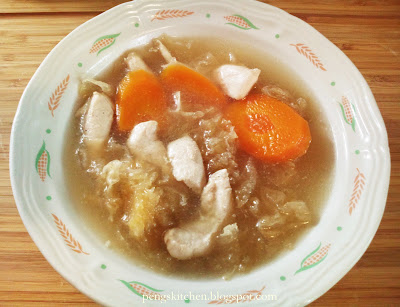
White Fungus And Chicken Soup
White fungus and chicken soup is warm and nourishing. Use chicken pieces, white fungus, and herbs like ginger. Simmer slowly to blend flavors well. The fungus adds a smooth texture to the broth. This soup is great for cold days or feeling tired.
Tips For Cooking White Fungus
Cooking white fungus can be simple and rewarding. Knowing some key tips helps bring out its best qualities. These tips improve texture, enhance flavor, and prevent common errors. Follow these steps to enjoy your white fungus dish fully.
Texture Enhancement
Soak white fungus in cold water until it softens. This usually takes 1 to 2 hours. Drain well and trim off the hard parts. Cook it slowly to keep a chewy texture. Avoid overcooking to prevent it from becoming mushy.
Flavor Pairings
White fungus has a mild taste that matches many flavors. Sweet options like rock sugar and lotus seeds work well. It also pairs nicely with savory ingredients like chicken or mushrooms. Use light seasonings to keep its delicate flavor.
Avoiding Common Mistakes
Do not skip soaking; it affects texture greatly. Avoid boiling at high heat for too long. Rinse thoroughly to remove dirt or debris. Store dried white fungus in a cool, dry place to keep freshness.
Frequently Asked Questions
What Is White Fungus Used For In Recipes?
White fungus is used in desserts and soups. It adds a jelly-like texture and mild flavor. It is valued for its health benefits and versatility in cooking.
How To Prepare White Fungus Before Cooking?
Soak white fungus in warm water for 20-30 minutes. Rinse thoroughly to remove impurities. Trim tough parts before adding to recipes.
What Are The Health Benefits Of White Fungus?
White fungus supports immune health and improves skin hydration. It is rich in fiber and antioxidants. It also helps reduce inflammation and boosts energy.
Can White Fungus Be Cooked With Fruits?
Yes, white fungus pairs well with fruits like papaya and longan. It enhances the texture and adds nutritional value to fruit-based desserts.
Conclusion
White fungus adds a unique texture and nutrition to meals. This recipe is simple and quick to prepare. You can enjoy it as a dessert or a healthy snack. Try different fruits or sweeteners to change the taste. Cooking white fungus helps keep the body strong and healthy.
Give this recipe a chance and enjoy a tasty, nutritious treat. It fits well in any diet and suits many tastes. A small step for better eating habits.
