
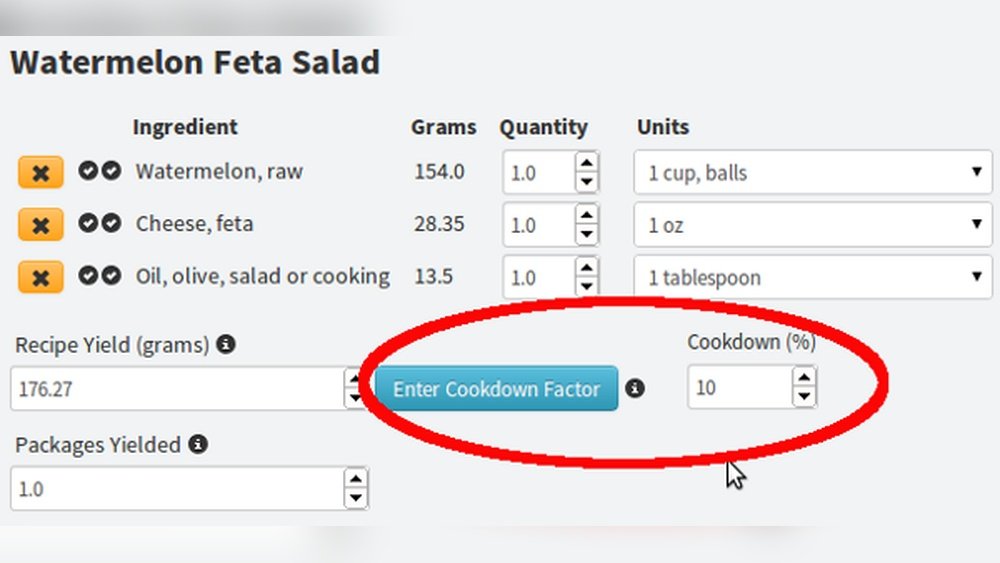
Have you ever followed a recipe, only to wonder how much food it will actually make? Understanding “yield” in a recipe is the key to avoiding surprises in your kitchen.
Knowing the yield helps you plan meals better, control portions, and reduce waste. If you want to cook smarter and make the most out of every recipe, learning what yield means is essential. Keep reading, and you’ll discover how this simple concept can transform your cooking experience.

Credit: www.pen2publishing.com
Yield In Recipes
Understanding yield in recipes helps cooks prepare the right amount of food. Yield tells how much a recipe makes. This information guides meal planning and portion control. It also helps avoid food waste and ensures everyone is served enough.
Meaning Of Yield
Yield means the total amount a recipe produces. It can be the number of servings, pieces, or volume. For example, a cake recipe might yield 12 slices. A soup recipe could yield 6 cups. This helps cooks know how much to expect.
Why Yield Matters
Knowing yield helps plan meals better. It ensures there is enough food for everyone. It also helps adjust recipes up or down. If a recipe yields 4 servings but you need 8, you can double it. This saves time and avoids mistakes.

Credit: www.theculinarypro.com
Types Of Yield
Yield in a recipe means the amount of food or drink the recipe makes. It helps cooks plan how much to prepare. Different types of yield give details about the final product. Knowing these types helps avoid waste and ensures enough servings.
Portion Yield
Portion yield shows how many servings a recipe makes. It tells you how many people can eat from the recipe. This type is useful for events or daily meals. It helps in planning the right amount of food for guests or family.
Volume Yield
Volume yield measures the space the finished dish takes up. It is often in cups, liters, or gallons. This type helps when storing or packaging food. Knowing volume yield aids in proper container selection and transport.
Weight Yield
Weight yield tells the total weight of the cooked food. It is important for nutrition and portion control. This type helps in accurate calorie counts and meal planning. Weight yield is useful for bakers and chefs who need precision.
Calculating Yield
Calculating the yield of a recipe is key to planning meals well. It tells you how much food the recipe makes. Knowing this helps with shopping and serving the right portions. It also avoids waste and saves money. This section explains simple ways to calculate yield accurately.
Estimating Portions
Start by deciding how many servings the recipe should make. Think about the size of each portion. Use common sense based on who will eat the food. For example, kids usually eat less than adults. Write down the number of servings before cooking.
Using Standard Measurements
Use cups, tablespoons, or grams to measure ingredients. Standard units make it easier to track yield. Follow the recipe amounts carefully. After cooking, measure the final product if possible. This helps check if the estimated yield matches the actual yield.
Adjusting For Ingredients
Some ingredients change size after cooking. Meat shrinks as it cooks. Vegetables may lose water and become smaller. Account for these changes when estimating yield. Adjust portion sizes or ingredient amounts to get accurate results. Keep notes for future reference.
Yield And Recipe Scaling
Yield in a recipe means the total amount of food the recipe makes. It shows how many servings or portions come from the recipe. Understanding yield helps in planning meals and avoiding food waste.
Recipe scaling is changing the yield by adjusting ingredient amounts. It allows cooks to make more or less food without losing quality. Scaling helps when cooking for a small family or a large group.
Increasing Yield
To increase yield, multiply all ingredient amounts. Use a kitchen scale or measuring cups for accuracy. Keep the cooking time and temperature in mind as they may change. Some recipes need longer cooking when scaled up.
Reducing Yield
Reducing yield means cutting ingredient amounts. This is useful for fewer servings or smaller portions. Measure carefully to keep the recipe balanced. Watch cooking time, which may be shorter with smaller amounts.
Maintaining Flavor Balance
Flavor depends on the right ingredient ratios. When scaling, adjust seasonings carefully. Some spices can become too strong or weak. Taste the food while cooking to keep flavors balanced.
Yield Tips For Cooking Success
Understanding the yield in a recipe helps you cook the right amount every time. Yield means the number of servings or the total quantity a recipe makes. Following some simple tips can improve your cooking success and reduce waste.
Accurate Measuring Tools
Use proper measuring cups and spoons for ingredients. Liquid and dry ingredients need different tools. Measuring correctly ensures your recipe turns out as expected. Avoid guessing amounts to keep the yield consistent.
Consistent Techniques
Mix and cook ingredients the same way each time. Stirring, chopping, and baking times affect the final result. Consistent methods help maintain the right texture and flavor. This keeps your yield reliable for future cooking.
Recording Adjustments
Write down any changes you make to the recipe. Note ingredient swaps or cooking time changes. Tracking these helps you improve the recipe and control the yield. Adjustments can affect the number of servings or the dish’s size.
Common Yield Challenges
Yield in a recipe means how much food the recipe makes. Many cooks face challenges with yield. These challenges affect how much food you get. Understanding these common issues helps manage expectations in cooking.
Ingredient Variability
Ingredients can differ in size, weight, and water content. For example, one apple may be bigger than another. This changes the final amount of food. Freshness also affects yield. Older vegetables may lose moisture and weigh less.
Cooking Losses
Food loses weight during cooking. Water evaporates. Fat melts away. These losses reduce the final portion size. Roasting meat shrinks it more than boiling. Cooking time and temperature also impact yield.
Serving Size Differences
People serve different portion sizes. Some want small servings, others large. This changes how many servings the recipe makes. Estimating yield by serving size helps plan better. Consistent serving sizes lead to more accurate yield.
Yield In Professional Cooking
Yield in professional cooking refers to the amount of food produced from a recipe or ingredient. It helps chefs plan meals and control kitchen operations. Knowing the yield ensures the right portion size and reduces waste.
This concept plays a key role in managing costs and keeping customers happy. Accurate yield measurements help kitchens run smoothly and efficiently.
Menu Planning
Yield affects how many servings a recipe produces. Chefs use this to plan menus and prepare enough food. It helps avoid running out of dishes during busy times. Proper yield calculations keep the kitchen organized and ready.
Cost Control
Knowing the yield helps control food costs. Chefs buy the right amount of ingredients based on yield data. This reduces waste and saves money. Controlling costs keeps the restaurant profitable and prices fair.
Customer Satisfaction
Consistent yield ensures customers get the same portion every time. It helps maintain quality and presentation. Customers enjoy reliable meals and feel satisfied. Good yield management builds trust and loyalty.

Credit: www.youtube.com
Frequently Asked Questions
What Does Yield Mean In A Recipe?
Yield in a recipe refers to the total amount of food the recipe produces. It can be measured in servings, pieces, or volume. Knowing the yield helps in planning portions and scaling recipes accurately for different needs.
Why Is Yield Important In Cooking?
Yield ensures you prepare the right amount of food, reducing waste and saving costs. It helps chefs and home cooks manage ingredients and serve consistent portions every time they cook.
How Do You Calculate Recipe Yield?
To calculate recipe yield, measure the final product after cooking. It can be in weight, volume, or number of servings. Compare it with the original ingredient quantities for accuracy.
Can Yield Vary Between Recipes?
Yes, yield varies due to ingredient types, cooking methods, and portion sizes. Differences in moisture loss, trimming, or expansion also impact the final yield of a recipe.
Conclusion
Yield in a recipe tells you how much food it makes. Knowing yield helps plan meals and serve the right portions. It saves money by reducing food waste. Checking yield guides you in adjusting ingredient amounts easily. Always pay attention to yield for better cooking results.
It makes cooking clearer and less stressful. Understanding yield improves your kitchen skills step by step. Keep yield in mind to enjoy cooking with confidence. Simple but important.
