
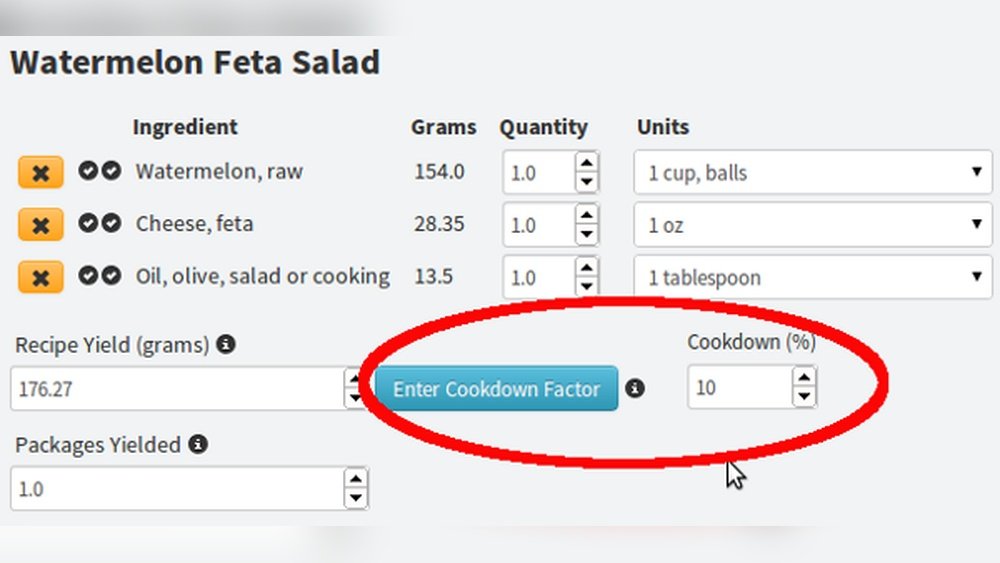
Have you ever wondered what exactly the “yield” of a recipe means and why it matters to you? Understanding the yield can change the way you cook, plan meals, and even shop for ingredients.
It’s not just a number—it’s the key to making sure your cooking efforts match your needs perfectly. Whether you’re cooking for one or a crowd, knowing the yield helps you avoid waste and ensures everyone gets enough. Keep reading to discover how mastering the yield of a recipe can make your cooking smarter and more satisfying.
Recipe Yield Basics
Understanding the yield of a recipe helps in planning meals better. It tells you how much food the recipe will make. Knowing this makes cooking easier and avoids waste.
Recipe yield basics are important for both beginners and experienced cooks. It affects shopping, serving, and storing food.
What Yield Means
Recipe yield is the amount of food a recipe produces. It can be shown in servings, pieces, cups, or weight. For example, a cake recipe might yield 8 slices.
Yield helps you know how many people the recipe will feed. It also shows the size of each portion.
Why Yield Matters
Yield helps avoid cooking too much or too little food. It saves money by reducing leftovers. It also helps with meal planning and portion control.
Knowing yield makes it easier to adjust recipes. You can double or halve ingredients based on yield needs.
Types Of Recipe Yields
Recipe yield tells us how much food a recipe makes. It helps cooks plan meals and servings. Different recipes show yield in different ways. Understanding these types makes cooking easier and more accurate.
Portion Yield
Portion yield shows how many servings the recipe makes. Each serving is one portion of the food. This helps know how many people can eat from the recipe. For example, a cake recipe might say it yields 8 slices.
Volume Yield
Volume yield shows the total amount of food by size or space. It uses measurements like cups, liters, or gallons. This is useful for soups, sauces, or drinks. The recipe might say it yields 4 cups of soup.
Weight Yield
Weight yield tells how much the food weighs after cooking. It uses grams, ounces, or pounds. This is important for recipes needing precise amounts. For example, a bread recipe might say it yields 500 grams of dough.
Calculating Recipe Yield
Calculating the yield of a recipe helps you know how much food it makes. It tells you the number of servings or the total amount produced. Understanding yield is important for planning meals and avoiding waste. It also helps when changing recipe sizes or serving more people.
Measuring Ingredients Accurately
Accurate ingredient measurement is key to knowing your recipe yield. Use proper tools like measuring cups and scales. Measure dry and liquid ingredients carefully. Even small errors can change the final amount of food. Follow the recipe’s instructions exactly for best results.
Adjusting For Serving Sizes
Adjusting serving sizes changes the recipe yield. Multiply or divide ingredients based on the number of servings needed. For example, double the recipe to serve twice as many people. Or cut it in half for fewer servings. Keep ingredient ratios correct to maintain taste and texture.
Impact On Cooking
The yield of a recipe plays a big role in cooking. It tells you how much food the recipe makes. Knowing the yield helps plan meals better and manage ingredients well.
Understanding the yield affects the outcome of a dish. It helps keep the taste and texture just right. Cooking without considering yield can lead to too much or too little food.
Consistent Results
Following the yield ensures the recipe turns out the same every time. It helps keep the balance of flavors and texture steady. This is important for both home cooks and professionals.
Adjusting the recipe without knowing the yield can change the dish. The food might become too salty, bland, or dry. Yield guides the right amount of each ingredient.
Avoiding Waste
Knowing the yield helps buy the right amount of ingredients. It stops buying too much or too little food. This reduces food waste and saves money.
Planning meals with yield in mind means less leftover food. It also helps store food better. Cooking with yield in mind is smarter and kinder to the environment.
Scaling Recipes
Scaling recipes means changing the amount a recipe makes. It helps adjust food for more or fewer people. Understanding how to scale keeps the taste and texture right. It saves money and reduces waste in the kitchen.
Increasing Yield
To increase yield, multiply each ingredient by the desired factor. For example, double all amounts to serve twice as many people. Measure carefully to keep flavors balanced. Use larger pots or pans to fit extra food. Watch cooking times, as bigger portions may take longer to cook.
Decreasing Yield
Decreasing yield means making less food than the recipe states. Divide each ingredient by the number you want to reduce. Use smaller cooking tools to avoid burning or uneven cooking. Check seasoning as some spices may become stronger in smaller batches. Taste often to ensure the dish stays delicious.

Credit: www.theculinarypro.com
Common Yield Challenges
Yield refers to the amount of food a recipe produces. This number is important for planning meals and serving sizes. Many cooks face challenges in getting the exact yield they expect. Understanding these challenges helps in better recipe results and less waste.
Ingredient Variability
Ingredients can vary in size, weight, and moisture. Fresh vegetables might have more water than canned ones. This change affects the final amount of food made. Different brands of the same ingredient can also cause yield differences. Measuring ingredients carefully helps reduce these variations.
Cooking Losses
Cooking changes food weight through water loss and evaporation. Meat shrinks during cooking as fat and juices drip out. Baking can cause moisture to escape from dough or batter. These losses reduce the final portion size. Knowing typical cooking losses helps adjust the recipe yield correctly.
Tips For Reliable Yield
Achieving a reliable yield in recipes means knowing exactly how much food your recipe will make. This helps in planning meals, serving guests, or managing ingredients without waste. Reliable yields save time and money and keep cooking stress-free. Use these tips to get accurate results every time you cook.
Using Standardized Measurements
Use the same measuring tools each time you cook. Cups, spoons, and scales should be consistent. Follow the recipe’s measurement units exactly. Avoid guessing or eyeballing ingredients. This precision makes the final amount more predictable. Standard measurements reduce errors and keep your recipe results steady.
Testing Recipes Ahead
Try cooking the recipe before a big event or meal. Testing helps find any changes needed in quantities. It shows if the yield matches what the recipe says. Adjust portions or ingredients based on your test. This step ensures confidence and avoids surprises when serving others.

Credit: www.pen2publishing.com

Credit: www.youtube.com
Frequently Asked Questions
What Does Yield Of A Recipe Mean?
The yield of a recipe indicates the total amount of food it produces. It helps cooks know serving sizes and plan portions accurately.
How To Calculate Recipe Yield Accurately?
Measure the final product after cooking or baking. Compare it to the initial ingredients to confirm serving size and quantity.
Why Is Recipe Yield Important In Cooking?
Recipe yield ensures consistent servings, controls food costs, and helps in meal planning. It avoids waste and ensures enough food for guests.
Can Recipe Yield Affect Ingredient Measurements?
Yes, knowing the yield helps adjust ingredient amounts precisely. This ensures the final dish matches the expected quantity and taste.
Conclusion
Understanding a recipe’s yield helps plan meals well. It tells how many servings you get. This knowledge avoids waste and saves money. You can adjust ingredients to fit your needs. Recipes become easier to follow and share. Knowing yield makes cooking less stressful and more fun.
Always check the yield before starting to cook. It guides your shopping and portion sizes. Simple but important for every cook’s success. Keep this in mind for better kitchen results.
