

Have you ever started cooking or baking only to realize you’re out of milk? It’s frustrating, right?
Whether you have a dairy allergy, follow a plant-based diet, or just ran out unexpectedly, finding the right milk substitute can save your recipe—and your day. But which alternative works best for your dish? Keep reading, and you’ll discover simple, effective swaps that won’t compromise taste or texture.
Your next recipe rescue is just a few lines away!
:strip_icc()/Substitute-Evaporated-Milk-692f3618cb8d4b4e9a4a664c71d3d61d.jpg)
Credit: www.bhg.com
Common Milk Substitutes
Milk is a common ingredient in many recipes. Sometimes, you might not have milk on hand or need to avoid it. Many substitutes work well in cooking and baking. These options suit different tastes and dietary needs. Here are some common milk substitutes to try.
Plant-based Milks
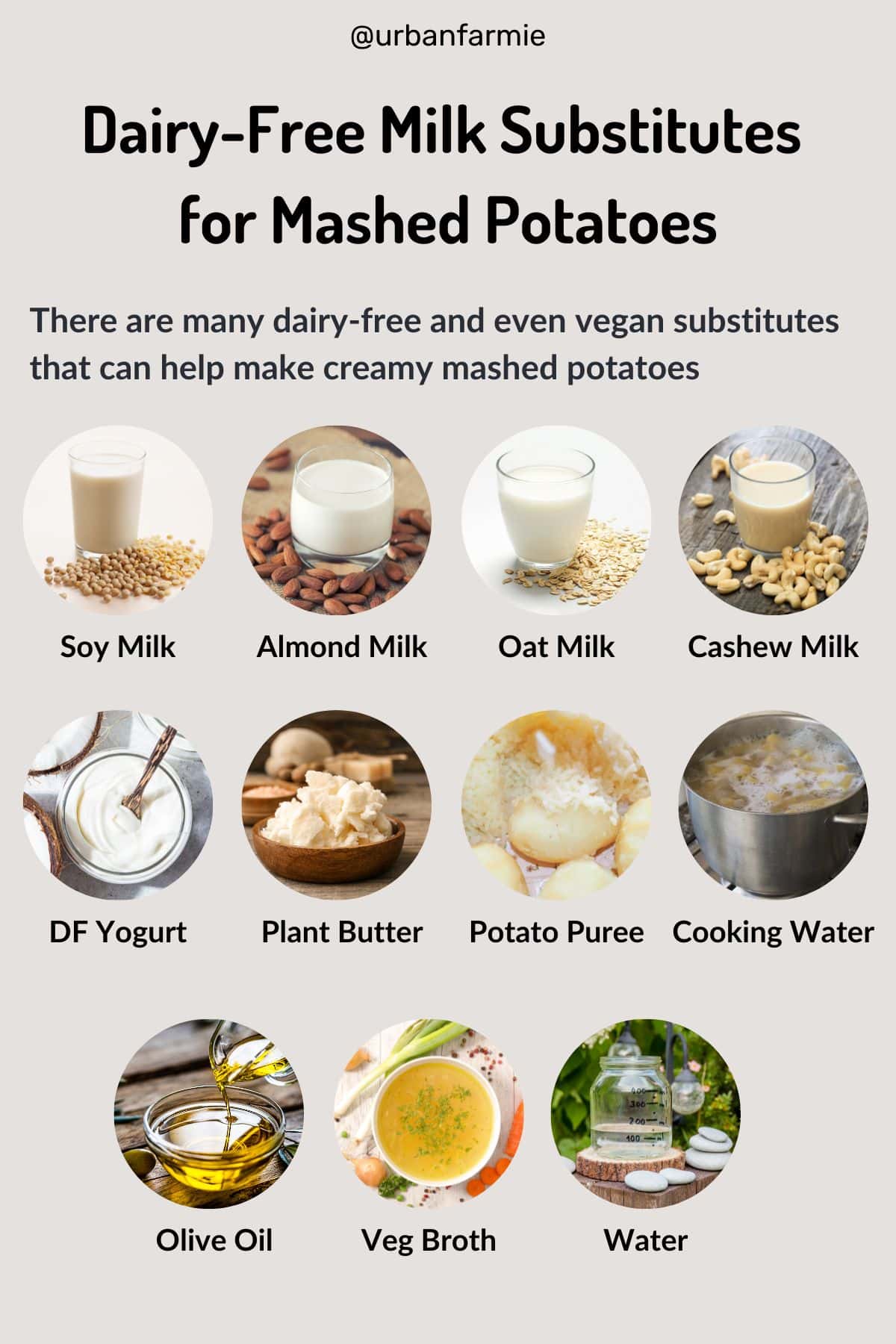
Plant-based milks come from nuts, seeds, grains, or legumes. Almond milk is light and slightly nutty. Soy milk has a creamy texture and mild taste. Oat milk is smooth and naturally sweet. Coconut milk adds a tropical flavor and richness. These milks work well in smoothies, baking, and sauces.
Dairy Alternatives
Dairy alternatives include lactose-free milk and creamers. Lactose-free milk tastes like regular milk but is easy to digest. Some creamers add richness without dairy. These options suit people with lactose intolerance or dairy allergies. Use them in recipes that need a creamy texture.
Water And Broth Options
Water can replace milk in some recipes to reduce calories. It works best in baked goods that don’t need much moisture. Broth adds flavor in savory dishes like soups or casseroles. Choose vegetable or chicken broth depending on the recipe. These liquids keep dishes moist without dairy.
Nut Milks
Nut milks are popular milk substitutes made from nuts and water. They have a creamy texture and mild flavor. Nut milks suit many recipes like baking, cooking, and smoothies. They are usually dairy-free and low in calories. Nut milks also fit vegan and lactose-free diets.
Different nuts create different flavors and textures in nut milks. Some nuts have a stronger taste while others are softer and sweeter. Nut milks work well for those who want a plant-based option. They also add a unique twist to your dishes.
Almond Milk
Almond milk is light and slightly nutty. It has a smooth texture and blends well with fruits. It works great in cereal, coffee, or baking recipes. Almond milk is low in calories and high in vitamin E. It is a popular choice for a mild nut flavor.
Cashew Milk
Cashew milk is creamy and rich. It has a soft, sweet taste that mixes well with spices. Cashew milk is perfect for creamy soups and sauces. It also makes desserts smooth and delicious. Cashew milk adds a gentle nutty flavor without overpowering other ingredients.
Hazelnut Milk
Hazelnut milk has a strong nutty flavor and a slightly sweet taste. It is thicker than almond milk but lighter than cashew milk. Hazelnut milk works well in coffee and chocolate recipes. It gives a special nutty boost to baked goods. Use it to add warmth and depth to your dishes.
Grain And Seed Milks
Grain and seed milks offer great alternatives to dairy milk in recipes. They have mild flavors and smooth textures. These milks blend well in many dishes, from baking to cooking. They are also often dairy-free and suitable for vegans.
Oat Milk
Oat milk has a creamy texture and slightly sweet taste. It works well in baked goods and sauces. Oat milk helps add moisture without changing flavors much. It is rich in fiber and has a good nutritional profile.
Rice Milk
Rice milk is light and watery with a mild sweetness. It is less creamy but easy to digest. Rice milk suits recipes needing a subtle flavor. It is low in fat and often chosen by those with allergies.
Hemp Milk
Hemp milk has a nutty flavor and creamy feel. It adds richness to soups and smoothies. Hemp milk contains healthy fats and plant protein. It is a good option for those avoiding soy or nuts.
Soy And Pea Milks
Soy and pea milks are popular plant-based alternatives to dairy milk. They offer good nutrition and work well in many recipes. Both have a mild taste that blends easily with other ingredients. These milks can replace cow’s milk in baking, cooking, and drinks. They also suit people with lactose intolerance or milk allergies.
Soy Milk Benefits
Soy milk contains high protein, similar to cow’s milk. It has all essential amino acids for a healthy diet. This milk is low in saturated fat and cholesterol-free. It supports heart health and helps lower bad cholesterol. Soy milk is rich in vitamins like B12 and D. It works well in coffee, smoothies, and baking recipes. Soy milk creates a creamy texture without changing flavor much.
Pea Protein Milk Uses
Pea milk is made from yellow peas, full of protein. It has a smooth texture and mild taste. Pea milk is a good choice for cooking and baking. It mixes well in sauces and soups. It also froths nicely for coffee drinks. Pea milk contains iron and is low in sugar. It suits recipes that need a creamy, neutral milk substitute. Pea milk is often allergy-friendly and easy to digest.
Coconut Milk
Coconut milk is a popular milk substitute in many recipes. It comes from the grated meat of mature coconuts. The milk has a creamy texture and a slightly sweet taste. It works well in both sweet and savory dishes. Coconut milk adds richness and a tropical flavor to meals. It is also dairy-free and suitable for vegans and people with lactose intolerance.
Full-fat Vs Light Coconut Milk
Full-fat coconut milk is thick and creamy. It contains more fat and gives a richer taste. Use it in recipes where you want a thick texture, like curries or desserts. Light coconut milk has less fat and is thinner. It works well in soups or drinks where a lighter texture is better. Choosing between full-fat and light depends on the dish and your taste preferences.
Flavor Considerations
Coconut milk has a distinct, slightly sweet flavor. It can change the taste of your recipe. The flavor pairs well with spices like ginger and cinnamon. It may not work well in recipes needing a neutral taste. Consider the other ingredients before using coconut milk. It adds a tropical note to your dish. This makes it great for Asian or Caribbean recipes.
Non-dairy Creamers
Non-dairy creamers offer a simple way to replace milk in recipes. They provide creaminess and a mild flavor without dairy. These creamers work well in coffee, baking, and cooking. Many come in powdered or liquid forms, making them flexible for different recipes.
Powdered Creamers
Powdered creamers dissolve easily in hot liquids. They add a smooth texture and subtle sweetness. These creamers often contain vegetable oils and sugar. They are shelf-stable and last a long time. Use powdered creamers in coffee, sauces, or baked goods. Adjust the amount to control creaminess and taste.
Liquid Creamers
Liquid creamers are ready to use straight from the bottle. They mix well in both hot and cold recipes. These creamers come in many flavors and types, like coconut or almond. They often include added vitamins and minerals. Liquid creamers create a creamy texture in soups and desserts. Use them as a direct substitute for milk in recipes.
Liquid Alternatives For Cooking
Milk often plays a key role in recipes, adding moisture and creaminess. Some dishes need a liquid substitute with a similar texture and taste. Liquid alternatives for cooking can replace milk without changing the recipe’s outcome. Choose a substitute based on the recipe’s flavor and purpose. Here are some useful options to try.
Water With Butter
Water alone can replace milk but lacks richness. Mixing water with butter adds fat and flavor. Use one cup of water plus one tablespoon of melted butter. This blend mimics whole milk’s texture in cooking. It works well for baking and sauces.
Broth Substitutes
Broth adds savory taste to soups and stews. Use chicken, beef, or vegetable broth instead of milk. Broth adds depth without dairy’s creaminess. It suits recipes where milk’s flavor is not needed. Adjust seasoning to balance the broth’s saltiness.
Juices For Sweet Recipes
Fruit juices can replace milk in sweet dishes. Orange, apple, or pineapple juice works in cakes and muffins. Juices add sweetness and a mild fruity flavor. Use juice in equal parts to milk. Avoid using juice in savory recipes.
Tips For Choosing The Right Substitute
Choosing the right substitute for milk can change a recipe’s taste and texture. It is important to pick an option that works well with your dish. This section explains how to find the best milk substitute for your cooking or baking needs.
Flavor Matching
Think about the flavor of the milk substitute. Some alternatives, like almond or coconut milk, add a nutty or sweet taste. Use plain soy or oat milk for a neutral flavor. Match the substitute to the dish’s flavor for the best result.
Texture And Consistency
Milk gives recipes a smooth and creamy texture. Choose a substitute with similar thickness. For creamy dishes, use full-fat coconut milk or cashew milk. For thinner needs, try almond or rice milk. Adjust the amount if the texture changes too much.
Nutritional Impact
Milk has protein, calcium, and fat. Substitute choices vary in nutrition. Soy milk has protein like cow’s milk. Rice milk is low in protein but easy to digest. Consider your health needs when picking a substitute. This helps keep your dish balanced and nutritious.
Adjusting Recipes For Milk Substitutes
Adjusting recipes for milk substitutes requires small changes. Milk adds moisture, flavor, and texture to dishes. Replacing milk means keeping these qualities in mind. Different substitutes behave differently in recipes. Understanding these differences helps keep your food tasty and balanced.
Baking Adjustments
Milk substitutes can change baking results. Almond or soy milk may be thinner than cow’s milk. Use slightly less liquid to avoid soggy dough. Coconut milk adds fat and richness. It may make baked goods denser. Oat milk works well for most recipes. Stir batter gently to keep texture light. Watch baking times closely; some substitutes brown faster.
Savory Dish Tips
Milk adds creaminess and mild flavor to savory dishes. Use unsweetened substitutes to keep flavors balanced. Cashew or soy milk blends well in sauces. Coconut milk suits curries and soups with strong spices. Avoid sweetened or flavored milks in savory recipes. Taste your dish as you cook. Adjust salt and seasonings to match the substitute’s flavor.
Blending And Mixing
Milk substitutes may mix differently than dairy milk. Shake or stir plant milks before use. Some separate quickly and need remixing. Use a blender for smooth sauces or smoothies. Heat substitutes gently to avoid curdling. Add acidic ingredients slowly to prevent separation. Test small amounts before mixing large batches. This keeps texture smooth and consistent.
Credit: urbanfarmie.com

Credit: worldofprintables.com
Frequently Asked Questions
What Are Common Milk Substitutes In Baking Recipes?
Common milk substitutes include almond milk, soy milk, oat milk, and coconut milk. They work well in most baking recipes and provide similar moisture and texture without dairy.
Can I Use Water Instead Of Milk In Cooking?
Yes, water can replace milk in cooking but may reduce richness and flavor. Adding a bit of butter or oil can improve texture and taste.
Which Milk Substitute Is Best For Creamy Sauces?
Heavy cream alternatives like coconut milk or cashew milk work best for creamy sauces. They add richness and smooth texture without dairy.
Are Plant-based Milks Good For Savory Dishes?
Yes, unsweetened plant-based milks like almond or soy milk suit savory dishes well. They blend smoothly without altering flavor significantly.
Conclusion
Choosing the right milk substitute depends on your recipe and taste. Plant-based milks like almond, soy, or oat work well in many dishes. Coconut milk adds creaminess and a mild flavor. Water or broth can replace milk in savory recipes.
Experiment with options to find what you like best. Each substitute changes texture and taste slightly. Keep it simple and enjoy cooking without milk limits. This way, you can make any recipe your own.
