
If you’re looking to try something new and delicious, a venison neck roast might be just what you need. This cut of meat is full of rich flavor and perfect for slow cooking, giving you a tender and juicy meal that will impress everyone at your table.
Whether you’re a seasoned hunter or just curious about game meat, this recipe will guide you step-by-step to create a mouthwatering dish. Ready to turn a simple roast into a feast? Let’s dive in and discover how easy and rewarding cooking venison neck roast can be.
Choosing Venison Neck Roast
Choosing the right venison neck roast sets the stage for a delicious meal. The quality of the meat affects the taste and texture of your roast. Picking fresh, well-prepared meat makes cooking easier and more rewarding. Here are some tips to help select the best venison neck roast.
Selecting Quality Meat
Look for meat that is deep red in color. Avoid any pieces with dark spots or discoloration. The fat should be white or cream-colored, not yellow. The texture needs to be firm but not dry. Smell the meat; it should have a fresh, mild scent. Soft or sticky meat may not be fresh.
Fresh Vs. Frozen Options
Fresh venison neck roast offers better flavor and tenderness. Frozen meat can be a good choice if fresh is not available. Check the packaging for any signs of freezer burn or damage. Thaw frozen meat slowly in the fridge for best results. Both fresh and frozen can work well with proper handling.
Preparing The Meat
Preparing the venison neck roast properly is key for a tasty meal. This part of the deer has rich flavors but needs careful handling to bring out its best. The process starts with cleaning and trimming, then moves to marinating. Each step helps make the meat tender and full of flavor.
Trimming And Cleaning
Remove any silver skin or tough pieces from the roast. These parts can make the meat chewy. Cut away excess fat, but keep some for flavor. Rinse the meat gently under cold water. Pat it dry with paper towels. Clean meat cooks better and tastes fresher.
Marinating For Flavor
Marinate the venison to add taste and soften the meat. Use a mix of oil, vinegar, herbs, and spices. Let the meat soak for at least 4 hours or overnight. This step helps break down muscle fibers and adds moisture. A good marinade makes the roast juicy and rich.
Essential Ingredients
Preparing a venison neck roast requires a few key ingredients. These ingredients bring out the natural flavor of the meat. Simple and fresh items make the dish special and tasty. Knowing what to use helps you cook with confidence and enjoy every bite.
Focus on herbs, spices, and vegetables. These ingredients work together to create a rich and balanced taste. Each element plays a role in making the roast tender and delicious.
Herbs And Spices
Rosemary and thyme are classic choices for venison. Their earthy aroma matches the strong flavor of the meat well. Bay leaves add a subtle depth to the roast. Black pepper and garlic powder give the roast a gentle kick. These spices enhance the meat without overpowering it.
Complementary Vegetables
Carrots and onions are must-have vegetables for the roast. They add sweetness and moisture during cooking. Celery brings a fresh, mild crunch that balances the texture. Potatoes soak up the juices, making each bite flavorful. These vegetables create a hearty and complete meal.
Cooking Methods
Cooking venison neck roast requires patience and the right method. This cut is tough but flavorful. Choosing the right cooking method softens the meat and brings out its rich taste. Different methods suit different tastes and time limits. Explore slow roasting, pressure cooking, and compare oven vs. slow cooker options below.
Slow Roasting Techniques
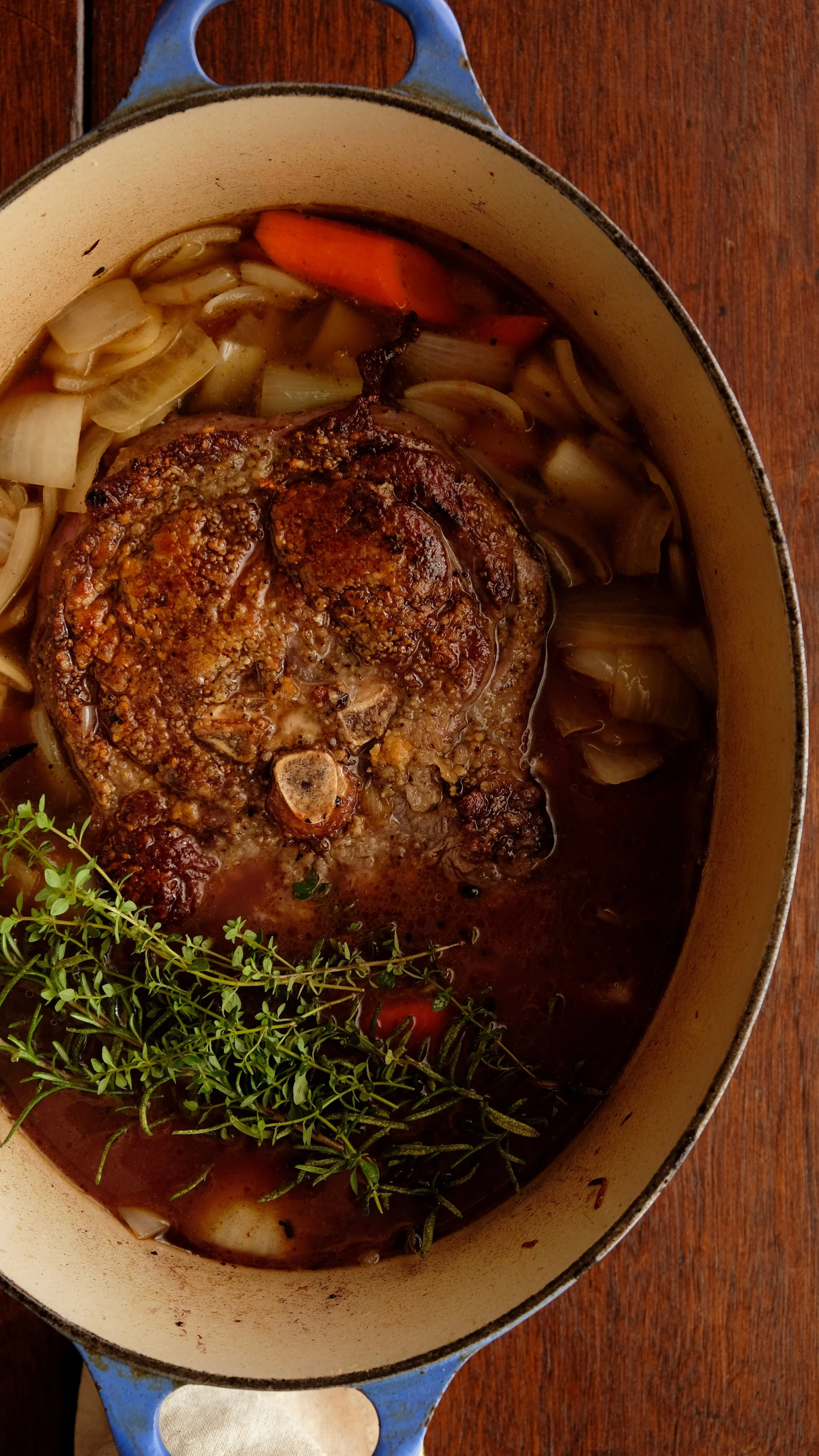
Slow roasting uses low heat for a long time. It breaks down the tough fibers in the neck roast. The meat becomes tender and juicy. Preheat the oven to around 275°F (135°C). Season the roast well with herbs and spices. Place it on a rack in a roasting pan. Roast for 3 to 4 hours or until tender. Basting occasionally keeps the meat moist. This method brings out deep flavors without drying the roast.
Using A Pressure Cooker
A pressure cooker speeds up cooking time. It uses steam and high pressure to soften the meat quickly. Cut the venison neck into smaller pieces for even cooking. Add broth or wine for flavor and moisture. Cook under high pressure for about 45 to 60 minutes. The result is tender meat in less time. This method suits busy cooks who want rich flavor fast.
Oven Vs. Slow Cooker
The oven provides dry heat and a crisp outer layer. Slow cookers use low, moist heat for hours. Oven roasting is faster but needs more attention. Slow cookers allow hands-free cooking and keep the meat moist. Both methods work well for venison neck roast. Choose oven for a browned crust. Pick slow cooker for soft, fall-apart meat.
Step-by-step Recipe Guide
Cooking a venison neck roast can seem hard. This step-by-step guide breaks it down simply. Follow these easy steps to make a tasty meal. Each part helps you prepare, cook, and serve the roast perfectly.
Preparation Steps
Start by trimming excess fat from the venison neck. Pat the meat dry with paper towels. Season the roast with salt, pepper, and your favorite herbs. Let it sit at room temperature for 30 minutes. Preheat your oven to 325°F (160°C). Prepare a roasting pan with a rack to hold the meat.
Cooking Instructions
Place the venison neck on the rack in the pan. Add chopped onions, garlic, and carrots around the roast. Pour a cup of beef broth or red wine into the pan. Cover the pan tightly with foil or a lid. Roast in the oven for 3 to 4 hours. Check the meat after 3 hours; it should be tender. Baste the roast with the pan juices every hour.
Resting And Serving Tips
Remove the roast from the oven and keep it covered. Let it rest for 15 to 20 minutes. This helps the juices settle inside the meat. Slice the venison neck against the grain for tenderness. Serve with the cooked vegetables and pan juices. Offer simple sides like mashed potatoes or steamed greens. Enjoy a rich, flavorful meal made from this guide.

Credit: venisonfordinner.com
Enhancing Flavor
Enhancing the flavor of venison neck roast is key to a delicious meal. This cut has rich, deep taste but benefits from extra touches. Adding the right sauces and side dishes lifts the overall experience. Small changes create big differences in taste and enjoyment.
Sauce And Gravy Options
Choosing a sauce or gravy can boost venison’s natural flavor. A red wine reduction adds a smooth, slightly sweet note. Mushroom gravy brings earthiness that pairs well with game meat. Cranberry sauce offers a tart contrast to the rich roast. Simple pan gravy made from drippings keeps the dish moist and tasty.
Pairing With Side Dishes
Good side dishes balance the strong flavor of venison neck roast. Roasted root vegetables like carrots and potatoes add sweetness and texture. Creamy mashed potatoes soften the dish’s boldness. Steamed green beans or asparagus give a fresh, crisp bite. A light salad with vinaigrette cuts through the richness.
Common Mistakes To Avoid
Making venison neck roast can be tricky. Many cooks make simple mistakes that hurt the flavor and texture. Avoiding these errors helps you enjoy a tender and tasty meal. Focus on cooking time and seasoning to get the best result.
Overcooking Risks
Venison neck roast is lean and can dry out fast. Overcooking makes the meat tough and chewy. Watch the cooking time closely. Use a meat thermometer to check for doneness. Aim for medium-rare to medium for a juicy roast. Slow cooking at low heat helps break down tough fibers. Avoid high heat for too long or the roast will lose moisture.
Underseasoning
Venison has a mild game flavor that needs good seasoning. Underseasoning makes the meat taste bland. Use salt and pepper generously. Add herbs like rosemary, thyme, or garlic for extra flavor. Marinating the meat before cooking can also enhance taste. Don’t be shy with spices; they bring out the best in venison neck roast.

Credit: elevatedwild.com
Storing And Reheating
Storing and reheating your venison neck roast properly keeps it tasty and safe to eat. This meat is rich and flavorful, so correct handling preserves its quality. Careful storage stops spoilage and waste. Proper reheating brings out the best in your leftovers without drying them out.
Proper Storage Techniques
Cool the roast quickly after cooking. Wrap it tightly in plastic wrap or foil. Store in an airtight container to keep air out. Place the container in the fridge. Use within three to four days for best taste. For longer storage, freeze the roast. Wrap in freezer paper or heavy foil. Label with the date to track freshness. Thaw frozen roast in the fridge overnight before reheating.
Best Practices For Reheating
Reheat venison neck roast gently. Use low heat to avoid drying. Oven reheating works well at 275°F (135°C). Cover the roast with foil to keep moisture in. Microwave in short bursts, stirring or turning the meat. Add a splash of broth or water to keep it juicy. Avoid overheating to maintain tender texture. Serve immediately after reheating for the best flavor.
Credit: elevatedwild.com
Frequently Asked Questions
What Is The Best Way To Cook Venison Neck Roast?
Slow roasting or braising venison neck roast is ideal. These methods tenderize the tough meat and enhance flavor.
How Long Does Venison Neck Roast Take To Cook?
Venison neck roast typically takes 3 to 4 hours to cook slowly. Cooking time depends on roast size and temperature.
Can I Use Venison Neck Roast For Stew Recipes?
Yes, venison neck roast is perfect for stews. Its rich flavor and texture improve with slow cooking in liquid.
What Seasonings Complement Venison Neck Roast Best?
Rosemary, garlic, thyme, black pepper, and juniper berries complement venison well. These herbs enhance the natural gamey taste perfectly.
Conclusion
Venison neck roast offers a rich and tender meal. Slow cooking brings out its deep flavors. Serve with your favorite sides for a hearty dinner. This recipe is simple and satisfying. Try it to enjoy a unique, tasty dish. Perfect for family meals or special occasions.
Enjoy the natural taste of venison with ease. Cooking venison neck roast can be a fun experience. Give it a chance and savor every bite.
