
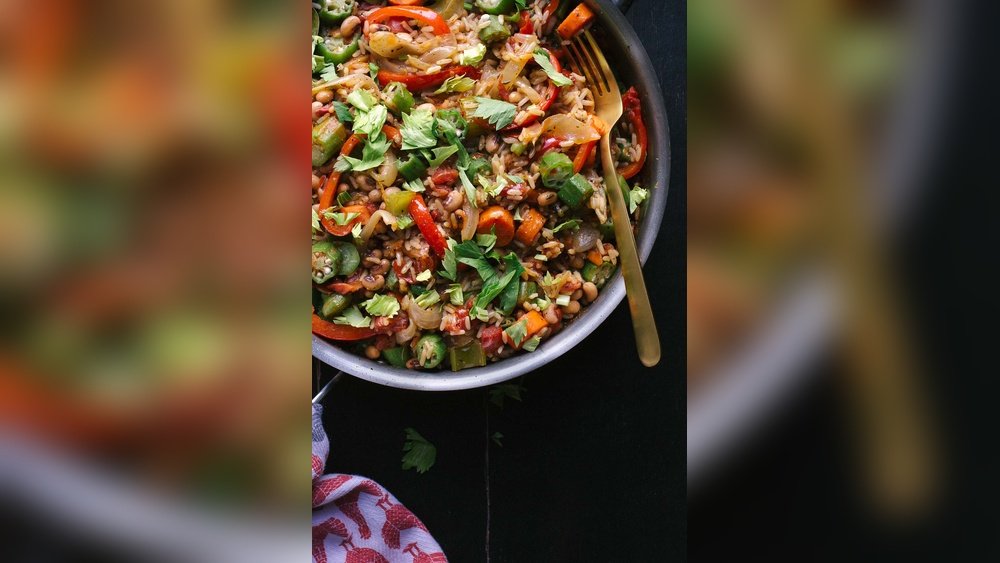
Are you ready to spice up your meals with a dish that’s both hearty and healthy? This Vegetable Jambalaya Recipe is just what you need.
It’s packed with vibrant veggies, bold flavors, and a touch of Southern charm. Whether you’re looking for a quick weeknight dinner or something special to impress your guests, this recipe will become your new favorite. Keep reading, and you’ll discover how easy it is to bring this delicious, colorful dish to your table.
Your taste buds will thank you!

Credit: www.cilantroandcitronella.com
Ingredients For Vegetable Jambalaya
Vegetable jambalaya is a vibrant, tasty dish full of color and flavor. The right ingredients make all the difference. Freshness and the right balance of spices bring this meal to life. Each component plays a key role in creating the perfect jambalaya.
Fresh Vegetables Selection
Start with crisp bell peppers, onions, and celery. These three form the classic “holy trinity” of jambalaya. Add diced tomatoes for a juicy, tangy touch. Include carrots for sweetness and texture. Fresh garlic enhances aroma and depth. Use zucchini or green beans for extra variety. Choose vegetables that are firm and ripe for the best taste.
Spices And Seasonings
Cajun seasoning blends smoky, spicy, and savory notes. Use paprika for a mild heat and rich color. Thyme adds earthiness and pairs well with vegetables. Bay leaves give a subtle, herbal flavor. Black pepper and salt balance the taste. A pinch of cayenne pepper can increase the spice level. Fresh herbs like parsley brighten the dish before serving.
Rice And Broth Choices
Long-grain white rice cooks fluffy and separate. Brown rice adds a nutty flavor but takes longer to cook. Use vegetable broth for a rich, savory base. Low-sodium broth helps control saltiness. Water can work but may lack depth of flavor. The rice absorbs all the spices and juices, making each bite delicious.
Preparing The Vegetables
Preparing the vegetables is a key step in making delicious vegetable jambalaya. Fresh, well-prepared vegetables bring vibrant flavors and textures. Proper preparation helps the vegetables cook evenly and blend well with spices and rice.
Careful chopping and sautéing make a big difference in the final dish. Small details here lead to a tasty and colorful jambalaya that everyone will enjoy.
Chopping Techniques
Cut vegetables into even pieces to ensure they cook at the same time. Dice onions and bell peppers into small cubes. Slice celery thinly for a tender bite. Use a sharp knife to make clean cuts and avoid bruising.
Keep pieces bite-sized but not too small to maintain texture. Uniform chopping helps the vegetables release their flavors slowly. This gives the jambalaya a balanced taste and appealing look.
Sautéing Tips
Heat oil over medium heat before adding vegetables. Start with onions and celery, cooking until soft and translucent. Stir often to prevent burning and stickiness. Add bell peppers last, as they cook faster.
Cook vegetables gently to bring out their sweetness. Avoid overcooking, which makes them mushy and bland. Proper sautéing builds a strong flavor base for the jambalaya.
Cooking The Jambalaya
Cooking vegetable jambalaya is a rewarding experience. It fills your kitchen with rich aromas and vibrant colors. This dish blends spices, vegetables, and rice into a perfect meal. The cooking process is simple but requires attention to detail. Each step builds layers of flavor and texture. Follow these tips to create a delicious jambalaya every time.
Layering Flavors
Start by sautéing onions, bell peppers, and celery. These are the classic “holy trinity” of jambalaya. Cook them until soft and fragrant. Next, add garlic and spices like paprika, thyme, and cayenne pepper. Stir well to mix the spices with the vegetables. This step releases deep, rich flavors. Add diced tomatoes and let them cook down. The mixture should be thick and full of aroma. Layering flavors early creates a tasty base for the rice.
Simmering To Perfection
Pour in vegetable broth and bring it to a boil. Add rice and stir to combine everything evenly. Lower the heat and cover the pot. Let the jambalaya simmer slowly. The rice will absorb the broth and spices. Stir occasionally to prevent sticking. Simmer until the rice is tender and fluffy. This slow cooking blends all flavors beautifully. The result is a warm, satisfying dish packed with taste.
Serving Suggestions
Serving vegetable jambalaya is a delightful experience. It is full of flavors and colors that excite the senses. How you serve it can change the whole meal. Small touches make a big difference. Simple additions can enhance the taste and appearance. Below are some great serving ideas to try.
Garnishes And Toppings
Fresh herbs like parsley or cilantro add bright color and fresh flavor. A squeeze of lemon or lime juice lifts the dish with a zesty twist. Sliced green onions offer a mild crunch and sharp taste. Sprinkle some crushed red pepper flakes for a spicy kick. Toasted nuts or seeds add texture and a nutty flavor. A dollop of plain yogurt or vegan sour cream cools the heat. These toppings make each bite exciting and tasty.
Pairing With Side Dishes
Serve vegetable jambalaya with a simple green salad for balance. Garlic bread or crusty rolls soak up the savory sauce well. Roasted or steamed vegetables add extra nutrients and color. A bowl of fresh fruit offers a sweet contrast. Light soups such as tomato or vegetable broth complement the meal. These sides complete the plate without overpowering the jambalaya’s flavors.
Health Benefits Of Vegetable Jambalaya
Vegetable jambalaya is not only tasty but also good for your health. It is full of fresh vegetables and spices that help your body stay strong. This dish offers many important nutrients without extra fat or calories. It fits well into a healthy eating plan.
Eating vegetable jambalaya can support your immune system and improve digestion. The mix of ingredients provides fiber, vitamins, and minerals. These help keep your heart healthy and give you energy for the day.
Nutritional Value
Vegetable jambalaya contains many essential nutrients. It has vitamins A, C, and K from the fresh vegetables. These vitamins help your skin, eyes, and bones stay healthy. The dish also supplies minerals like potassium and magnesium. These minerals support muscle function and lower blood pressure.
Fiber from vegetables aids digestion and helps control blood sugar. It keeps you feeling full longer, which helps with weight management. The spices used add antioxidants that protect your cells from damage.
Low-calorie Advantages
This vegetable jambalaya recipe is low in calories but high in flavor. It uses fresh vegetables and brown rice, which provide energy without extra fat. Low calories mean you can enjoy a big plate without guilt.
Eating low-calorie meals like this can help maintain a healthy weight. It reduces the risk of diseases such as diabetes and heart problems. Choosing vegetable jambalaya supports a balanced diet and a healthy lifestyle.
Tips For Customizing Your Jambalaya
Customizing vegetable jambalaya lets you enjoy this dish your way. Small changes can give it a fresh taste. You can try different ingredients to suit your mood. This makes cooking fun and personal. Here are some easy tips to help you adjust the recipe.
Adding Protein Options
Vegetable jambalaya tastes great with added proteins. You can use chicken, sausage, or shrimp. For a vegetarian choice, try tofu or beans. Cook proteins separately, then mix with the vegetables. This adds flavor and makes the dish more filling.
Adjusting Spice Levels
Spice level changes can suit your taste perfectly. Use less cayenne pepper or hot sauce for mild heat. Add more if you like it spicy. Fresh chili peppers also work well. Taste as you cook to get the right balance.
Storing And Reheating Leftovers
Vegetable jambalaya makes great leftovers. Storing and reheating it properly keeps the flavors fresh and tasty. This section explains how to keep your jambalaya safe and delicious for later meals.
Best Storage Practices
Cool the jambalaya before storing. Put it in an airtight container. Keep it in the fridge for up to four days. For longer storage, freeze it in a freezer-safe container. Label the container with the date. This helps track freshness. Avoid leaving jambalaya out at room temperature for more than two hours.
Reheating Methods
Reheat jambalaya gently to keep its texture. Use a microwave-safe dish and cover it. Heat in short bursts, stirring in between. On the stove, warm it on low heat. Stir often to heat evenly. Add a little water if it feels dry. Avoid overheating to prevent mushy vegetables and rice.
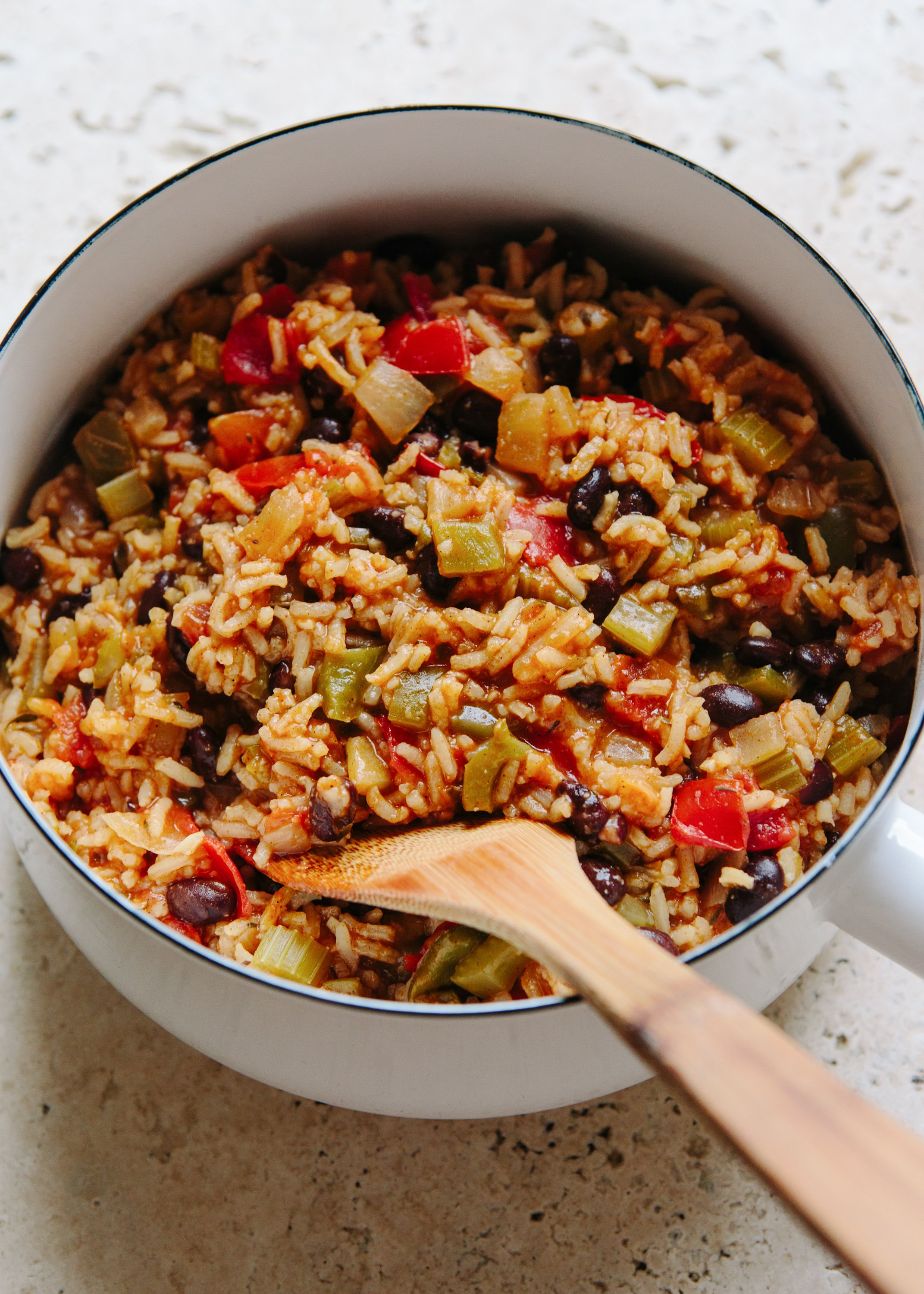
Credit: www.thekitchn.com
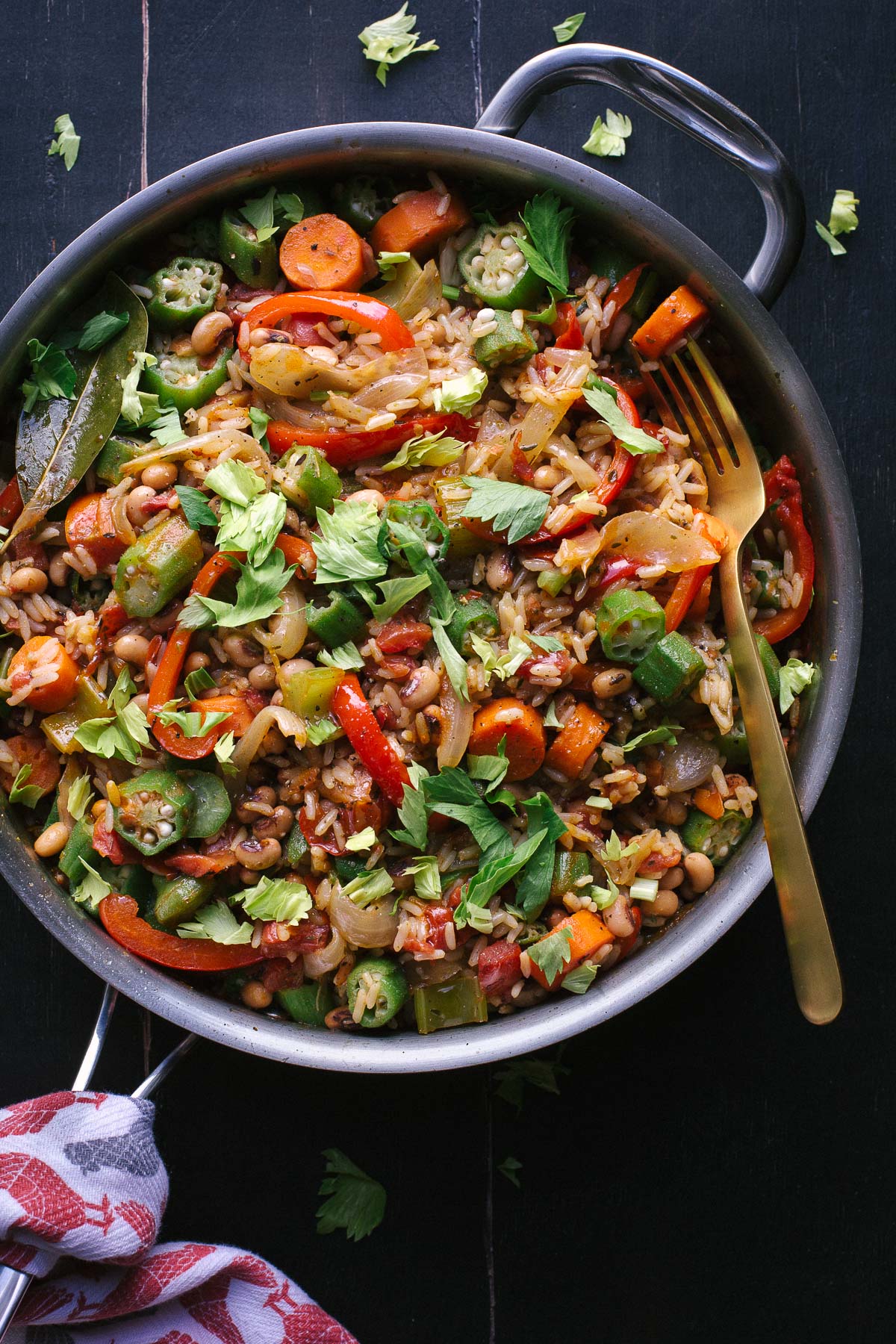
Credit: www.tasteloveandnourish.com
Frequently Asked Questions
What Ingredients Are Essential For Vegetable Jambalaya?
Essential ingredients include bell peppers, onions, celery, tomatoes, rice, vegetable broth, garlic, and Cajun seasoning. These create the dish’s classic flavor and texture.
How Long Does Vegetable Jambalaya Take To Cook?
Vegetable jambalaya typically takes about 40-50 minutes to prepare and cook, including sautéing vegetables and simmering rice.
Can Vegetable Jambalaya Be Made Vegan?
Yes, vegetable jambalaya is naturally vegan when you use vegetable broth and avoid animal-based products like sausage or seafood.
What Rice Type Works Best For Jambalaya?
Long-grain white rice is preferred for jambalaya due to its ability to remain separate and fluffy after cooking.
Conclusion
This vegetable jambalaya recipe brings bold flavors to your table. It’s easy to make and full of fresh veggies. A great choice for a healthy, tasty meal. You can enjoy it any day of the week. Serve it hot and share with family or friends.
Simple ingredients, big taste—just the way you want it. Try this recipe and add some spice to your cooking. It’s a dish everyone will love.
