
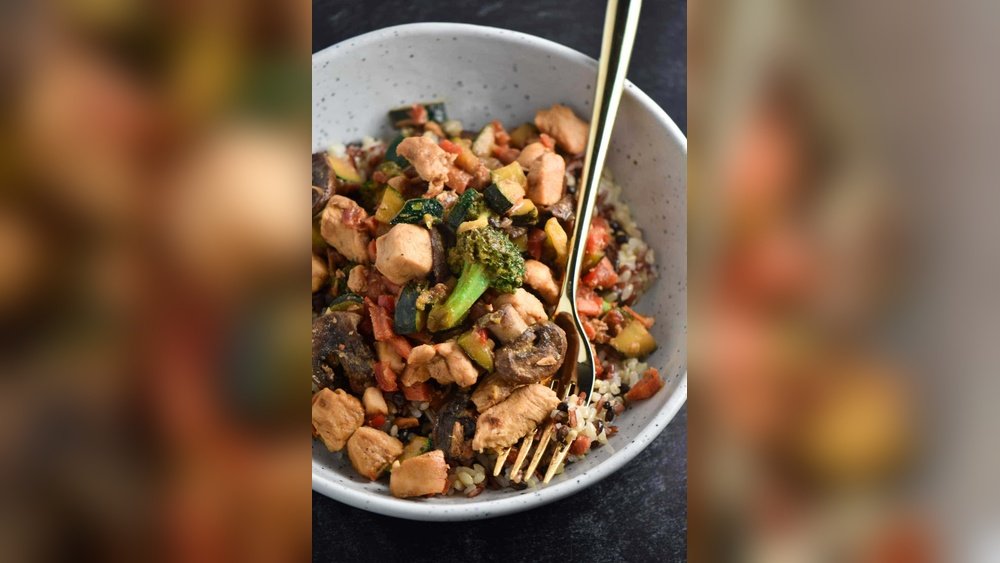
Looking for a quick and tasty stir fry recipe but want to skip the soy sauce? You’re in the right place.
Whether you’re avoiding soy due to allergies, watching your sodium intake, or just craving something different, this recipe has got you covered. It’s packed with flavor, easy to make, and uses simple ingredients you probably already have. Keep reading, and you’ll discover how to whip up a delicious stir fry that satisfies your taste buds without soy sauce.
Your next favorite meal is just a few steps away!
Choosing The Right Ingredients
Choosing the right ingredients is key for a tasty stir fry without soy sauce. Freshness and flavor matter most. Each part should add color, texture, and taste. This makes your dish healthy and exciting.
Picking fresh vegetables, good protein, and strong flavor boosters creates a balanced meal. These choices help your stir fry stay vibrant and delicious. They also keep it simple and quick to cook.
Fresh Vegetables For Stir Fry
Fresh vegetables bring crunch and color to your stir fry. Choose bell peppers, broccoli, carrots, and snap peas. These vegetables cook fast and keep their texture. Leafy greens like spinach or bok choy add softness and nutrients. Wash and chop them evenly for quick cooking.
Protein Options Without Soy Sauce
Protein is essential in a stir fry. Use chicken, shrimp, or beef for a classic taste. Tofu works well but choose plain or marinated without soy. Eggs are another easy option. Beans or lentils add a plant-based protein choice. Cook protein separately to keep it tender.
Flavor Boosters And Aromatics
Aromatics create depth and rich flavor without soy sauce. Use garlic, ginger, and green onions for a fresh taste. Fresh herbs like cilantro or basil add brightness. Add a splash of lemon juice or vinegar for acidity. Spices like chili flakes or black pepper give heat and warmth.

Credit: thisbakinglife.com
Alternative Sauces And Seasonings
Finding the right sauce without soy sauce can be a fun challenge. Stir fry dishes still taste great with alternative sauces and seasonings. These options add flavor and keep your meal healthy. They work well for people avoiding soy or gluten. Explore different sauces and spices to make your stir fry delicious.
Using Coconut Aminos
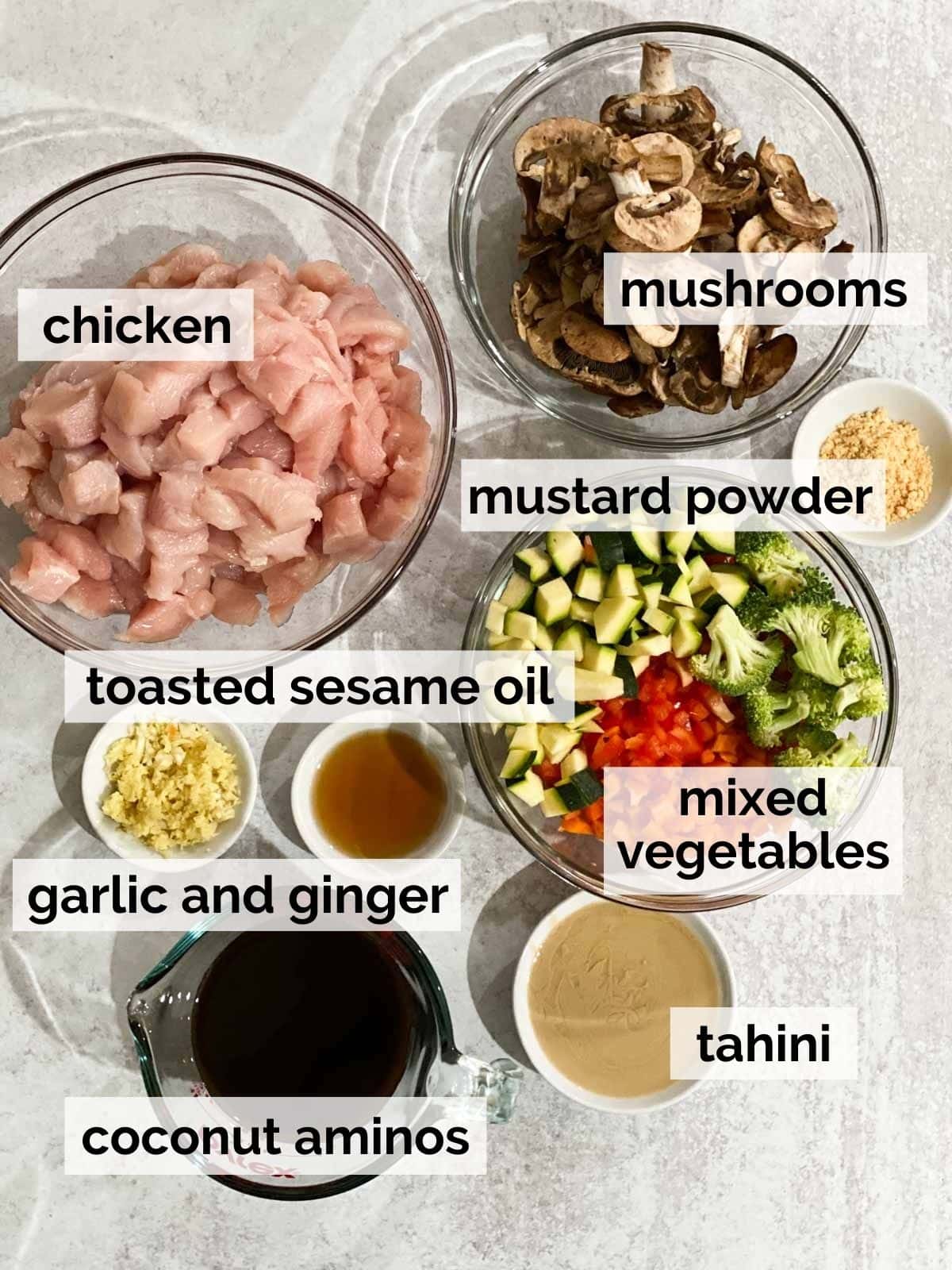
Coconut aminos is a popular soy sauce substitute. It comes from the sap of coconut trees. It has a sweet and salty taste. Coconut aminos is low in sodium. It adds a rich flavor to stir fry dishes. Use it in the same amount as soy sauce. It blends well with vegetables, meat, or tofu. A good choice for a mild, tasty sauce.
Homemade Stir Fry Sauce Recipes
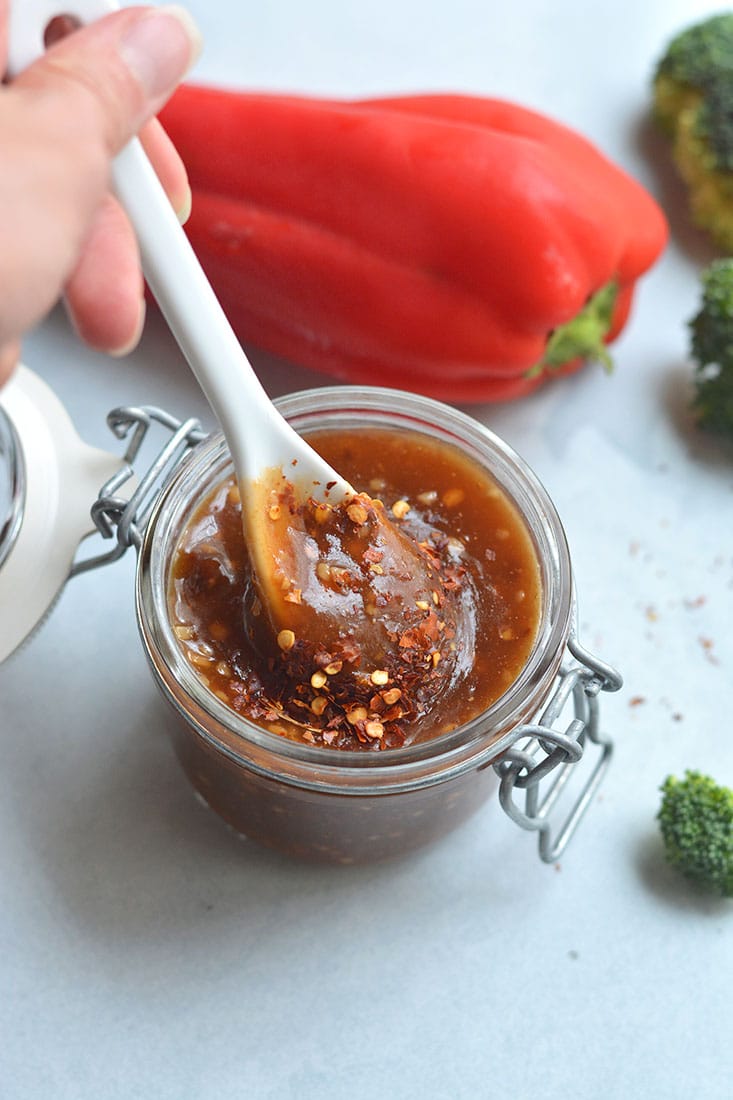
Making your own sauce is simple and fun. Combine ingredients like garlic, ginger, and honey. Add rice vinegar or lemon juice for tanginess. Use broth or water to adjust thickness. Sesame oil adds a nutty flavor. Mix cornstarch to thicken the sauce. Customize to fit your taste preferences. Fresh sauces taste better and have no preservatives.
Herbs And Spices To Enhance Flavor
Herbs and spices bring life to stir fry dishes. Fresh ginger and garlic add a spicy punch. Crushed red pepper flakes give some heat. Basil, cilantro, and green onions add freshness. Ground black pepper and turmeric add warmth. Use small amounts to balance flavors. These simple seasonings improve taste without soy sauce.
Step-by-step Cooking Guide
Follow this step-by-step cooking guide for a delicious stir fry without soy sauce. Each step helps keep flavors fresh and textures just right. Cooking stir fry is quick but needs care. Prepare well, cook fast, and enjoy every bite.
Prepping Ingredients Efficiently
Cut vegetables into uniform pieces. This ensures even cooking. Use fresh vegetables for the best taste. Slice proteins thinly to cook quickly. Keep sauces and seasonings ready before starting. Organize ingredients near the stove for easy access.
Perfect Stir Fry Techniques
Heat the pan or wok until very hot. Add oil with a high smoke point. Stir constantly to prevent burning. Cook proteins first until browned. Remove and set aside to avoid overcooking. Add vegetables by firmness, hardest first. Toss quickly for even heat distribution.
Timing For Optimal Texture
Cook crunchy vegetables for 2 to 3 minutes only. Softer vegetables need less time. Return proteins to the pan at the end. Mix all ingredients thoroughly. Avoid overcooking to keep textures crisp and fresh. Serve immediately for the best taste.
Credit: skinnyfitalicious.com
Serving Suggestions And Pairings
Serving a stir fry without soy sauce offers a fresh taste experience. Choosing the right sides and garnishes lifts the entire meal. These tips help create a balanced and colorful plate. They also add textures and flavors that match well.
Best Rice And Noodle Options
White jasmine rice is light and fragrant, pairing well with mild flavors. Brown rice adds a nutty taste and extra fiber. Try cauliflower rice for a low-carb choice. Rice noodles work great for a soft texture. Egg noodles add a chewy bite that many enjoy.
Complementary Side Dishes
Steamed vegetables like broccoli or snap peas add crunch. A simple cucumber salad refreshes the palate. Pickled carrots or radishes bring tang and color. Fresh spring rolls with herbs offer a cool contrast. Light miso soup warms without overpowering the stir fry.
Garnishes For Added Appeal
Chopped green onions provide a mild onion flavor and freshness. Toasted sesame seeds add crunch and a nutty note. Fresh cilantro or basil leaves give a bright, herbal touch. A squeeze of lime juice lifts all the flavors. Thinly sliced chili peppers add heat for those who like spice.
Tips For Customizing Your Stir Fry
Customizing your stir fry recipe without soy sauce offers a chance to create dishes that suit your taste and diet. Small changes can make a big difference. Here are some easy tips to help you adjust flavors, cater to dietary needs, and store your stir fry well.
Adjusting Flavors To Taste
Start with basic seasoning like salt, pepper, and garlic. Try citrus juice for brightness. Add ginger for a fresh kick. Use chili flakes to spice it up. Sweeten with honey or a little sugar. Taste as you cook. Adjust flavors little by little. This way, you get a balanced dish every time.
Making It Gluten-free Or Vegan
Choose gluten-free ingredients like tamari instead of regular soy sauce. Use vegetable broth or water for cooking. Select plant-based oils like olive or avocado oil. Add tofu or tempeh for protein. Use fresh vegetables and whole grains. Avoid animal products for a vegan dish. Check labels to keep it safe and healthy.
Batch Cooking And Storage Advice
Cook large portions to save time later. Cool the stir fry quickly before storing. Use airtight containers for freshness. Store in the fridge for up to four days. Freeze for longer storage, up to three months. Reheat gently to keep flavors intact. Stir fry tastes best when freshly cooked but stores well too.
Credit: thedizzycook.com
Frequently Asked Questions
What Can I Use Instead Of Soy Sauce In Stir Fry?
You can use coconut aminos, tamari, or Worcestershire sauce as soy sauce alternatives. These options provide umami flavor without soy. They work well in stir fry recipes and suit soy-free diets.
How To Make Stir Fry Flavorful Without Soy Sauce?
Use garlic, ginger, sesame oil, and vinegar to enhance flavor. Adding spices like chili flakes or five-spice powder boosts taste. Fresh herbs like cilantro also add aroma and depth.
Is Stir Fry Without Soy Sauce Healthy?
Yes, stir fry without soy sauce can be healthier. It reduces sodium intake and avoids soy allergens. Using fresh vegetables and lean proteins keeps the dish nutritious and balanced.
Can I Still Get Umami Flavor Without Soy Sauce?
Absolutely. Ingredients like mushrooms, miso, and tomato paste add umami. Seaweed and nutritional yeast also provide savory taste. Combining these creates rich, satisfying stir fry flavors.
Conclusion
This stir fry recipe without soy sauce is simple and tasty. You can use different sauces to add flavor. Fresh vegetables and meat cook quickly and stay crunchy. This dish fits many diets and tastes great. Try it for a quick and healthy meal.
Enjoy cooking with easy ingredients at home. This recipe shows you don’t need soy sauce to cook well. Give it a try and see how good it tastes. Cooking can be fun and healthy, even with fewer ingredients.
