
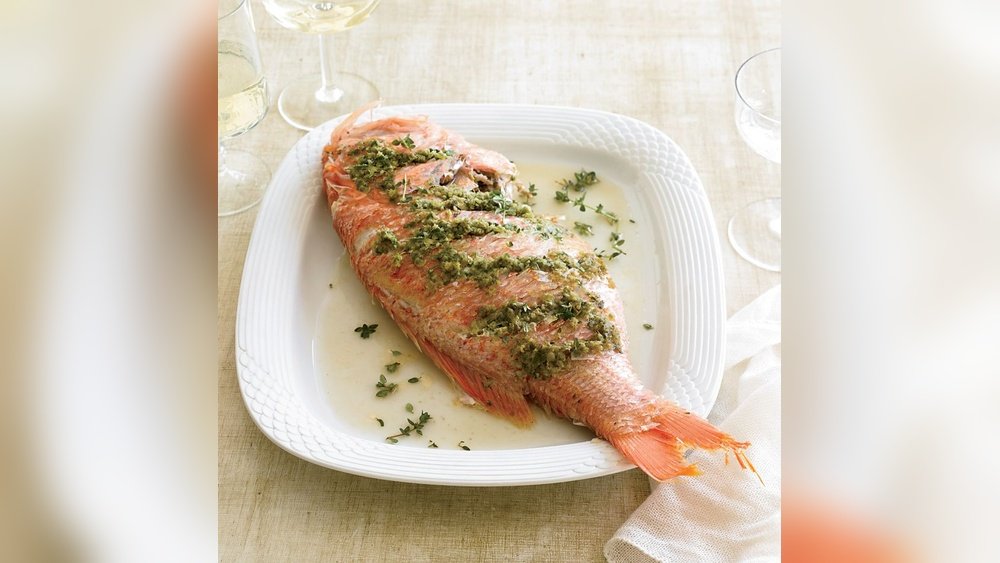
Are you looking for a healthy and delicious way to enjoy fish? This steamed snapper fish recipe is just what you need.
It’s simple, quick, and packed with flavor that will make your taste buds dance. Whether you’re a beginner or an experienced cook, you’ll find easy steps to create a restaurant-quality dish right in your kitchen. Keep reading, and discover how to turn fresh snapper into a mouthwatering meal that you and your family will love.
Choosing Fresh Snapper
Fresh snapper is the key to a delicious steamed fish dish. The flavor depends on the fish’s quality. Picking the right snapper ensures your meal tastes clean and tender. Knowing how to select fresh snapper helps you avoid fishy or tough textures.
Fresh fish looks and smells different from old fish. It should have a mild ocean scent. The flesh must feel firm and bounce back when pressed. Bright eyes and shiny skin show freshness too.
Identifying Quality Fish
Check the eyes first. Clear and bulging eyes mean freshness. Cloudy or sunken eyes show the fish is old. Look at the gills. They should be bright red or pink, not brown. The skin must be shiny and moist. Avoid dull or dry skin. Smell the fish gently. A fresh snapper smells like the sea. Avoid strong fishy odors. Press the flesh lightly. It should spring back quickly. Soft or sticky flesh means the fish is not fresh.
Best Cuts For Steaming
Whole snapper works well for steaming. It cooks evenly and stays moist. Fillets are good too, but choose thick pieces. Thinner fillets dry out faster. The tail and head can be removed if you like. Keep the skin on to lock moisture. Bone-in cuts add flavor during steaming. Boneless cuts are easier to eat but may lose taste. Choose cuts with a bright pink or white color. Avoid any gray or brown spots.
Essential Ingredients
Steamed snapper fish tastes best with the right ingredients. Choosing fresh and simple items brings out its natural flavor. Each ingredient plays a key role in making the dish delicious and healthy. Here are the essential ingredients for a perfect steamed snapper fish.
Herbs And Spices
Fresh herbs add aroma and a fresh touch to the fish. Common choices include cilantro, ginger, and green onions. Ginger gives a warm, slightly spicy flavor. Cilantro adds a bright, citrusy note. Green onions bring a mild onion taste that is not overpowering.
Simple spices like white pepper or black pepper improve the flavor. Avoid strong spices that cover the fish’s natural taste. Use just a pinch of salt to balance flavors without making it salty.
Sauces And Marinades
Light sauces enhance steamed snapper without overwhelming it. Soy sauce is a popular choice for its salty, umami taste. Use low-sodium soy sauce for a healthier option.
A splash of fish sauce adds depth and a savory note. Lemon or lime juice brings a fresh, tangy flavor that brightens the dish. Sesame oil adds a nutty aroma and smooth finish. Combine these sauces in small amounts for the best balance.
Preparing The Snapper
Preparing the snapper is an important step in making a delicious steamed snapper fish. Proper preparation ensures the fish cooks evenly and tastes fresh. It also helps the flavors soak into the fish better.
Start by cleaning and scaling the fish carefully. This removes any dirt and scales, making the snapper ready for cooking. Then, scoring the fish allows steam and seasonings to enter deeply. Both steps improve the final dish.
Cleaning And Scaling
Rinse the snapper under cold water to remove slime and dirt. Use a sharp knife or fish scaler to scrape off all scales. Work from the tail to the head for best results. Be gentle to avoid damaging the skin. After scaling, clean the inside cavity by removing guts and blood. Rinse again until the water runs clear. Pat the fish dry with paper towels before moving to the next step.
Scoring The Fish
Place the snapper on a clean cutting board. Use a sharp knife to make shallow cuts on both sides. Make 3 to 4 diagonal slashes, about 1 inch apart. Cut deep enough to reach the bone but not through it. Scoring helps heat reach the thick parts of the fish. It also allows spices and sauces to penetrate better. This step adds flavor and ensures even cooking.
Credit: rasamalaysia.com
Steaming Techniques
Steaming snapper fish keeps it tender and juicy. This gentle cooking method preserves flavors and nutrients. Different steaming techniques suit various kitchens and tools. Understanding these methods helps you choose the best one for your meal.
Traditional Steaming Methods
Traditional steaming uses a pot with a lid and a rack or plate. Fill the pot with water below the rack. Place the snapper on the rack to avoid water contact. Cover tightly and steam until the fish is cooked through. This method ensures even heat and moist cooking.
Using A Steamer Basket
A steamer basket fits inside a pot and holds the fish above boiling water. It allows steam to circulate around the snapper. Bamboo or metal baskets work well. The basket lifts the fish gently for easy handling. This method is simple and effective for home kitchens.
Alternative Steaming Options
Microwave steamers provide a quick way to steam snapper. Place the fish in a microwave-safe dish with a lid or plastic wrap. Steam for a short time, checking often to avoid overcooking. You can also use an electric steamer appliance. These tools offer convenience and consistent results.
Flavor Enhancements
Enhancing the flavor of steamed snapper fish makes the dish more exciting and tasty. Simple ingredients can bring out the natural sweetness of the fish. These flavor boosts create a well-rounded, delicious meal.
Aromatic Additions
Fresh herbs like cilantro and basil add a bright, fresh taste. Ginger slices give a spicy warmth that pairs well with fish. Garlic adds a rich, savory note that deepens flavor. Lemon or lime zest brightens the dish with a citrus kick. Use these aromatics in the steaming water or place them on the fish before cooking.
Garnishing Tips
Thinly sliced green onions offer a mild, fresh crunch. Red chili flakes add a touch of heat without overpowering. Toasted sesame seeds give a nutty flavor and nice texture. Fresh herbs sprinkled on top create a colorful, inviting look. Drizzle a little soy sauce or sesame oil for extra depth right before serving.
Serving Suggestions
Serving steamed snapper fish offers a chance to enjoy fresh and healthy flavors. How you serve it can make the meal even better. This section gives ideas to complete your dish with tasty sides and neat presentation tips.
Side Dishes Pairing
Steamed snapper pairs well with light and fresh sides. Try steamed vegetables like broccoli or green beans. A bowl of jasmine rice or quinoa adds texture and balance. Fresh salads with cucumber and tomato brighten the plate. Simple boiled potatoes with a little butter work great too. Avoid heavy sauces to keep the meal clean and healthy.
Presentation Ideas
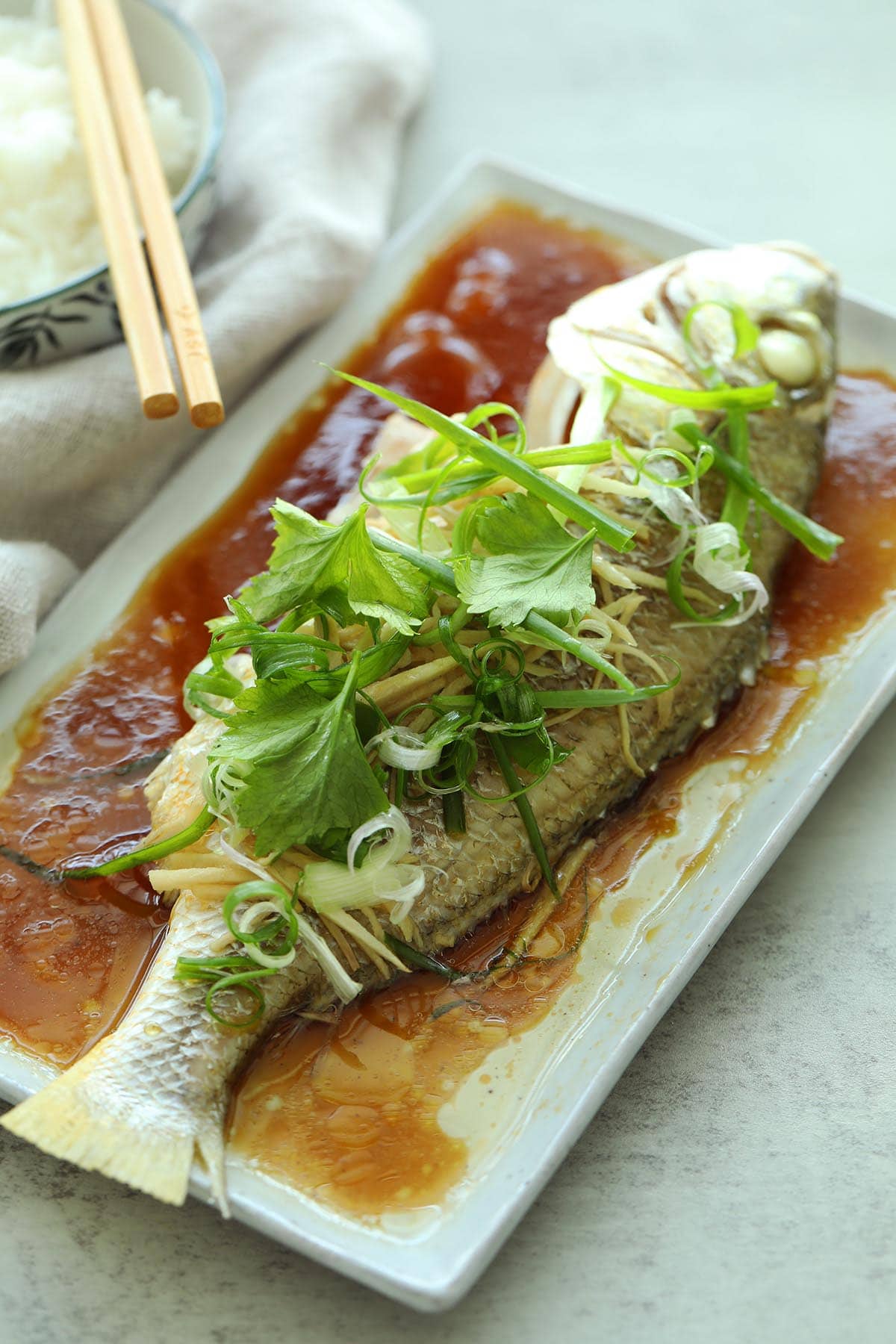
Presentation makes the meal inviting. Place the snapper on a large plate to show its shape. Garnish with fresh herbs like cilantro or parsley. Add thin lemon slices for color and a hint of zest. Drizzle a small amount of soy sauce around the fish. Serve with side dishes in separate bowls for a neat look. Use white or light-colored plates to highlight the fish’s color.
Health Benefits
Steamed snapper fish is rich in protein and low in fat, making it a healthy meal choice. It supports heart health and helps keep your body strong. This simple cooking method preserves nutrients and natural flavors.
Nutritional Value Of Snapper
Snapper is a lean source of protein. It contains important vitamins like B12 and D. These help with energy and bone health. The fish is rich in minerals such as selenium. Selenium supports the immune system and protects cells.
Snapper has omega-3 fatty acids. These healthy fats improve heart health. They also help reduce inflammation in the body. Eating snapper supports brain function too. It is low in calories and fat, making it ideal for healthy diets.
Benefits Of Steaming Fish
Steaming keeps the fish moist and tender. This method does not need added fat. It preserves the natural nutrients better than frying or baking. Steamed fish is easy to digest and gentle on the stomach.
Steaming avoids harmful chemicals that form in high-heat cooking. It keeps the fish’s delicate flavor intact. This cooking style helps retain more vitamins and minerals. It is a clean and healthy way to enjoy snapper.
Credit: thatgirlcookshealthy.com
Common Mistakes To Avoid
Cooking steamed snapper fish can be simple, but mistakes happen easily. Avoiding common errors improves taste and texture. These tips help you get the best results every time.
Overcooking
Overcooking snapper makes the fish dry and tough. Steam it just until the flesh is opaque and flakes easily. Check the fish often to avoid this mistake. Timing is key for tender, juicy fish.
Under-seasoning
Under-seasoning hides the natural flavor of snapper. Use enough salt, pepper, and herbs. Season the fish before steaming for the best taste. Don’t be shy with spices to enhance the dish.

Credit: www.africanbites.com
Frequently Asked Questions
What Ingredients Are Needed For Steamed Snapper Fish?
You need fresh snapper, ginger, garlic, soy sauce, scallions, and sesame oil. These ingredients enhance the fish’s natural flavor and keep it moist while steaming.
How Long Should You Steam Snapper Fish?
Steam the snapper for about 10 to 15 minutes. Cooking time depends on the fish size. The flesh should be opaque and flaky.
Can I Use Frozen Snapper For Steaming?
Yes, frozen snapper works well if properly thawed first. Thaw in the refrigerator overnight for best results. This ensures even cooking and texture.
What Side Dishes Pair Well With Steamed Snapper?
Steamed vegetables, jasmine rice, or a fresh salad complement steamed snapper. These sides keep the meal light and balanced, highlighting the fish’s delicate flavor.
Conclusion
Steamed snapper fish is a healthy and tasty meal choice. It cooks quickly and keeps the fish moist. Fresh herbs and simple spices bring out great flavors. You can serve it with rice or vegetables. This recipe is easy to follow and good for any skill level.
Try it for a light and satisfying dinner tonight. Enjoy the natural taste of the sea on your plate. Simple, fresh, and delicious.
