
Have you ever thought about using squash leaves in your cooking? These leafy greens are not only nutritious but also add a unique flavor to your meals.
If you’re looking for a fresh, easy way to boost your dishes, this squash leaves recipe is just what you need. By the end of this article, you’ll discover simple steps to turn squash leaves into a tasty, healthy treat that your whole family will enjoy.
Ready to transform your cooking with this hidden gem? Let’s dive in!

Credit: www.africanbites.com
Benefits Of Squash Leaves
Squash leaves are more than just a cooking ingredient. They offer many benefits for health and the environment. Using squash leaves in recipes brings nutrition and freshness to your meals. They are easy to find and sustainable to use.
Exploring the benefits of squash leaves helps you see why they deserve a place in your kitchen. These leaves provide essential nutrients and support a healthy lifestyle. They also contribute to eco-friendly cooking habits.
Nutritional Value
Squash leaves are rich in vitamins A, C, and K. These vitamins support good vision, skin health, and blood clotting. The leaves contain minerals like calcium, iron, and magnesium. These minerals help build strong bones and improve blood quality. Squash leaves also have dietary fiber. Fiber aids digestion and keeps your gut healthy. Low in calories, they fit well in any diet.
Health Advantages
Eating squash leaves may boost your immune system. The antioxidants in the leaves protect your cells from damage. Their anti-inflammatory properties can reduce swelling and pain. Squash leaves may help control blood sugar levels. This is useful for people with diabetes. The fiber in the leaves helps maintain healthy cholesterol. It supports heart health and lowers disease risk.
Sustainability And Availability
Squash leaves grow quickly and in many climates. They are easy to harvest and regrow, making them sustainable. Using the leaves reduces food waste from squash plants. Many local markets and gardens sell fresh squash leaves. They are affordable and available year-round in some areas. Choosing squash leaves supports eco-friendly and budget-friendly cooking.
Preparing Squash Leaves
Preparing squash leaves is the first step to a delicious, healthy dish. Proper preparation ensures the leaves are clean, fresh, and ready to cook. This section guides you through selecting, cleaning, and storing squash leaves.
Selecting Fresh Leaves
Choose young, tender squash leaves for the best taste. Avoid leaves with spots or yellow edges. Look for bright green color and firm texture. Fresh leaves have a mild, pleasant smell. Picking the right leaves improves your recipe quality.
Cleaning And Washing Tips
Rinse leaves under cool running water to remove dirt. Soak them briefly in salted water to kill bugs. Gently rub leaves to clean thoroughly but avoid tearing. Drain well on a clean towel or colander. Clean leaves are essential for safe, tasty cooking.
Storage Guidelines
Wrap leaves in a damp paper towel to keep moisture. Place them in a perforated plastic bag or container. Store in the refrigerator’s vegetable drawer for up to three days. Avoid washing leaves before storage to prevent spoilage. Proper storage keeps leaves fresh and crisp.
Simple Cooking Methods
Squash leaves are nutritious and tasty. They cook quickly and fit many dishes. Simple cooking methods keep their flavor fresh. These methods are easy to do at home. They also help keep the leaves tender and healthy.
Sautéing
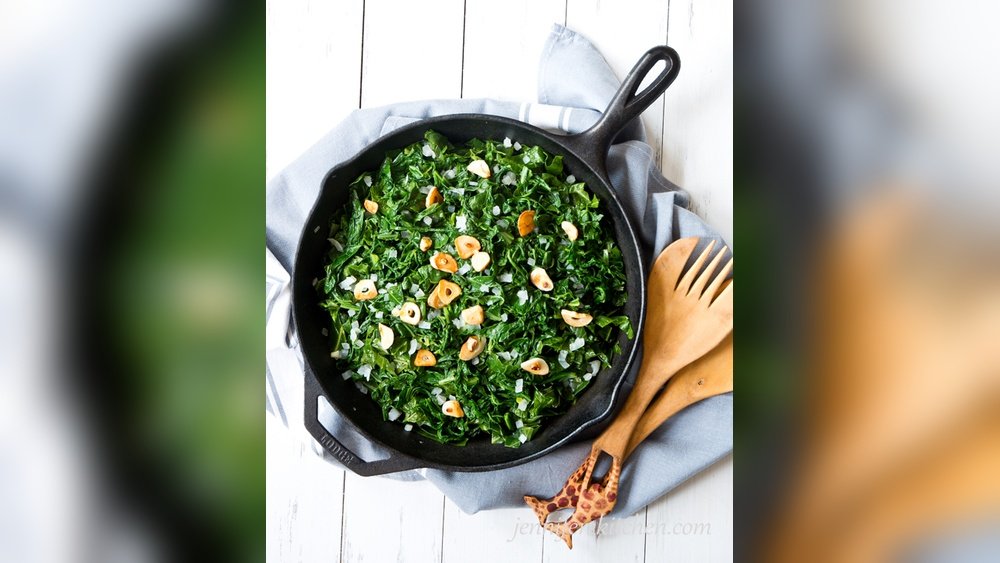
Sautéing squash leaves is fast and tasty. Heat a little oil in a pan. Add chopped garlic or onions for flavor. Toss the leaves in the hot oil. Stir often until they become soft. This method keeps the leaves bright and fresh.
Boiling And Steaming
Boiling or steaming helps soften the leaves gently. Boil water and add the leaves for a few minutes. Or steam them in a basket over boiling water. Both ways keep vitamins inside the leaves. Drain well before using in recipes or eating.
Using In Soups And Stews
Squash leaves add nutrition to soups and stews. Chop the leaves and add them near the end of cooking. They wilt quickly and mix well with other ingredients. This method gives dishes a mild, green flavor. It also boosts the meal’s health benefits.
Easy Squash Leaves Recipes
Squash leaves are a tasty and healthy green you can cook in many ways. They are easy to prepare and full of nutrients. These recipes use simple ingredients and quick methods. Perfect for a fast meal or a side dish.
Garlic And Lemon Sautéed Leaves
Heat some oil in a pan. Add minced garlic and cook until fragrant. Toss in fresh squash leaves and stir well. Squeeze lemon juice over the leaves. Cook until leaves are soft but still bright green. Season with salt and pepper. Serve warm with rice or bread.
Spicy Squash Leaf Stir-fry
Start with hot oil in a wok or pan. Add chopped onions and chili flakes. Stir-fry until onions are translucent. Add chopped squash leaves and cook quickly. Sprinkle soy sauce and a pinch of sugar. Stir until leaves are tender and spicy. Great as a side or with noodles.
Creamy Squash Leaf Soup
Cook chopped onions and garlic in a pot with oil. Add chopped squash leaves and vegetable broth. Simmer until leaves are soft. Blend the mixture until smooth. Stir in cream or coconut milk for richness. Heat gently and season with salt and pepper. Serve hot with crusty bread.
Pairing Squash Leaves With Other Ingredients
Squash leaves have a mild, slightly sweet taste that blends well with many foods. Pairing them right can enhance your dishes and add fresh, green flavors. These leaves are versatile and work well with grains, proteins, and herbs.
Combining With Grains
Squash leaves pair nicely with rice, quinoa, and couscous. Their soft texture balances the grains’ chewiness. Stir them into cooked grains for a healthy, colorful meal. They also complement porridge and other cereal-based dishes.
Adding To Protein Dishes
Use squash leaves in chicken, fish, or beef recipes. They add a fresh contrast to rich protein flavors. Chop leaves finely and mix into stews or soups. They cook quickly and soften, blending well with meat juices.
Incorporating Herbs And Spices
Combine squash leaves with garlic, ginger, or onion for bold taste. Mild spices like cumin or turmeric boost their flavor. Fresh herbs such as cilantro and parsley brighten dishes. These combinations bring out the leaves’ natural goodness.
Credit: www.zimbokitchen.com
Tips For Enhancing Flavor
Squash leaves have a unique taste that can surprise your palate. Enhancing their flavor makes your dish more enjoyable. Small changes in ingredients bring big differences. These tips help you bring out the best taste.
Using Citrus And Vinegars
Citrus fruits like lemon or lime add brightness to squash leaves. Their juice cuts through any strong, earthy flavors. Vinegars such as apple cider or balsamic give a mild tang. Both help to lift the dish’s overall taste. Add them little by little to avoid overpowering.
Balancing Bitterness
Squash leaves can be slightly bitter. Balancing this bitterness improves the flavor. Sweet ingredients like honey or a pinch of sugar work well. Salt also reduces bitterness and enhances natural flavors. Stir gently to mix these elements evenly throughout.
Adding Texture And Crunch
Soft squash leaves benefit from added crunch. Toasted nuts, seeds, or crispy onions provide texture contrast. This makes every bite more interesting. Sprinkle these toppings just before serving to keep them crisp. Texture adds a new layer of flavor enjoyment.
Common Mistakes To Avoid
Squash leaves are tasty and nutritious. Cooking them right makes a big difference. Avoid these common mistakes to enjoy a perfect dish.
Overcooking Leaves
Squash leaves cook quickly. Overcooking makes them mushy and less flavorful. Cook just until tender and still bright green. Check often to keep the best texture.
Using Tough Stems
Tough stems can be hard to chew. Remove thick stems before cooking. Use only the soft parts of the leaves. This keeps the dish easy to eat and pleasant.
Ignoring Proper Seasoning
Squash leaves need good seasoning for flavor. Salt, pepper, and a bit of garlic work well. Taste as you cook and adjust spices. Proper seasoning brings out the natural taste.

Credit: praneesthaikitchen.com
Frequently Asked Questions
What Are The Health Benefits Of Squash Leaves?
Squash leaves are rich in vitamins A, C, and minerals. They support immunity, improve digestion, and promote healthy skin. Their antioxidants help reduce inflammation and protect cells from damage. Including squash leaves in your diet boosts overall wellness naturally and effectively.
How Do You Prepare Squash Leaves For Cooking?
Wash squash leaves thoroughly to remove dirt. Remove tough stems and chop leaves into bite-sized pieces. Blanch in boiling water for 2 minutes to soften. Drain and use in recipes like sautés, soups, or stews for best flavor and texture.
Can Squash Leaves Be Eaten Raw Or Cooked?
Squash leaves are best cooked to reduce bitterness and improve digestibility. Cooking softens the leaves and enhances flavor. Raw leaves may be tough and slightly bitter. Light sautéing or boiling makes them tender, nutritious, and delicious in various dishes.
What Dishes Can You Make With Squash Leaves?
Squash leaves work well in soups, stews, and stir-fries. They can be sautéed with garlic or added to curries. Leaves also pair well with rice or beans for nutritious meals. Their mild flavor complements many cuisines and cooking styles.
Conclusion
Squash leaves make a tasty and healthy meal choice. They cook quickly and add a fresh flavor to dishes. You can try them in soups, stews, or stir-fries. This recipe helps you enjoy a new way to eat greens. Give it a try and see how easy it is.
Simple ingredients create a dish full of nutrition and taste. Eating squash leaves can bring variety to your daily meals. Enjoy cooking and sharing this easy recipe with family.
