
Are you tired of bland spaghetti sauce that just doesn’t hit the mark? Imagine creating a rich, flavorful sauce that makes every bite unforgettable.
With the right seasoning recipe, you can transform your spaghetti sauce into a mouthwatering masterpiece—no fancy ingredients or complicated steps needed. Keep reading, and you’ll discover the simple secrets to seasoning your sauce perfectly every time. Your taste buds will thank you!
Key Ingredients
The key ingredients in spaghetti sauce seasoning bring all flavors together. They create the classic taste that everyone loves. Using the right herbs and spices is important for a rich sauce.
Choosing between fresh and dried options changes the flavor slightly. Each choice has its own benefits for cooking and taste.
Essential Herbs
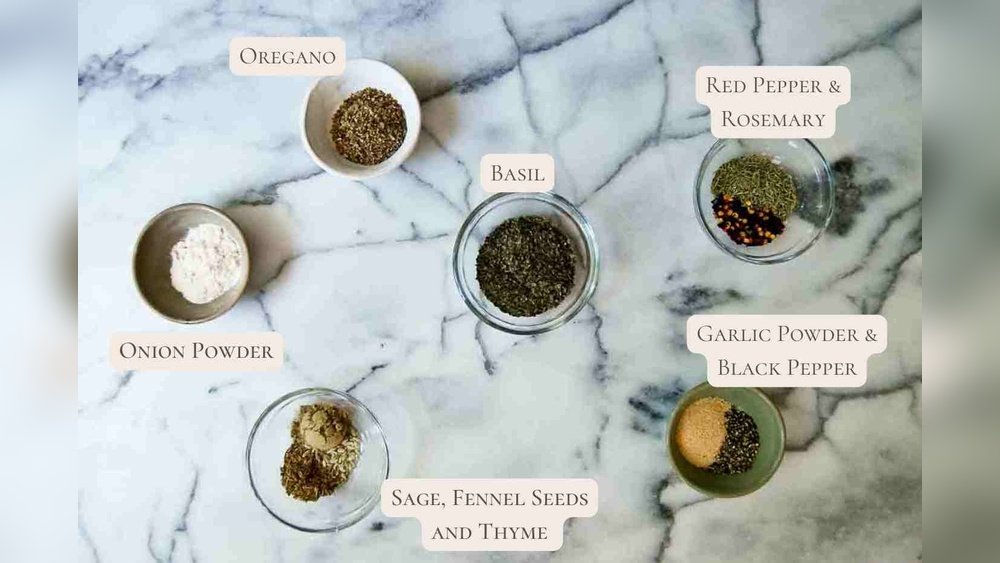
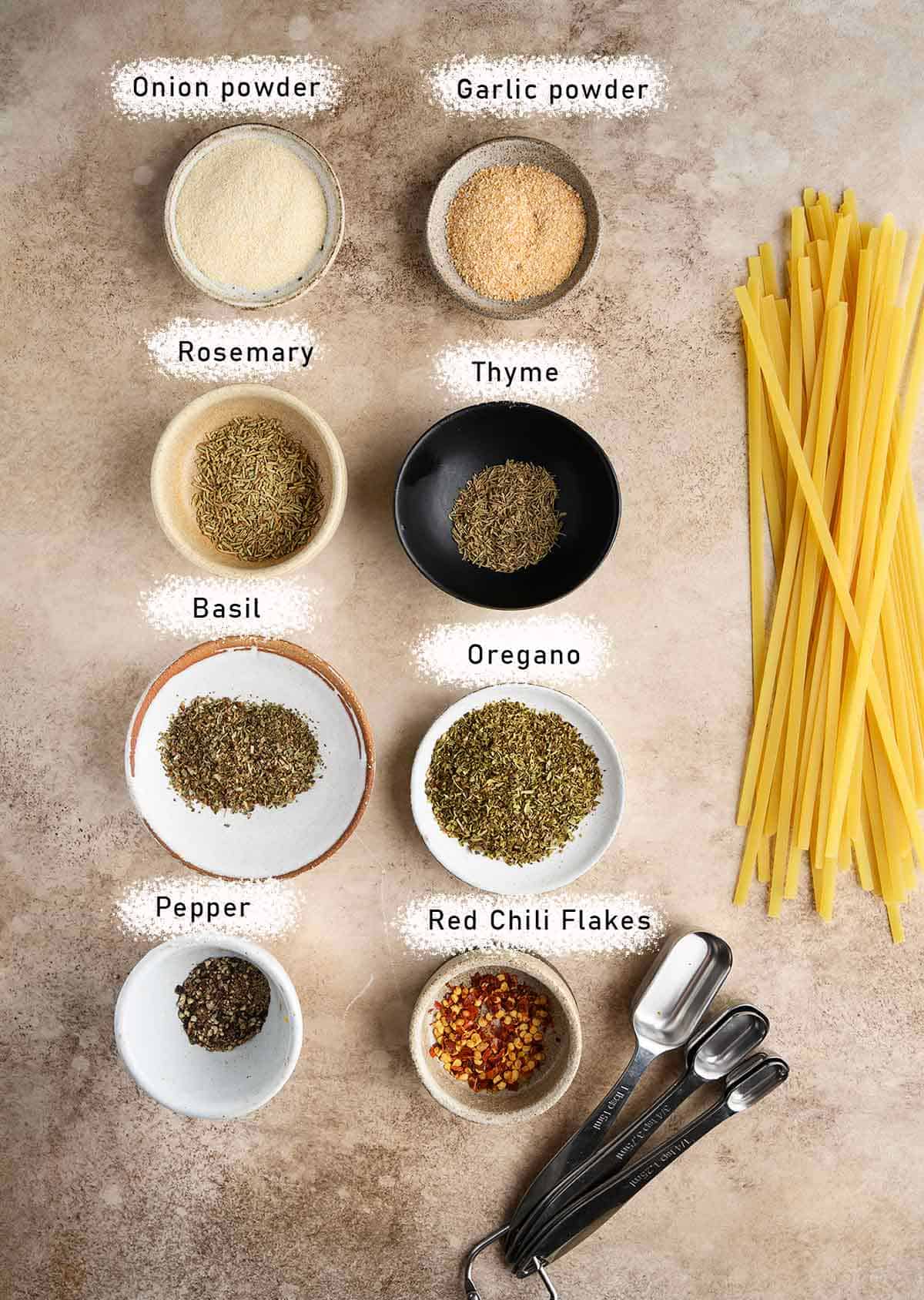
Basil gives a sweet, slightly peppery flavor to the sauce. Oregano adds a warm, earthy taste. Parsley brings a fresh and mild note. These herbs form the base of the seasoning blend.
Spices To Include
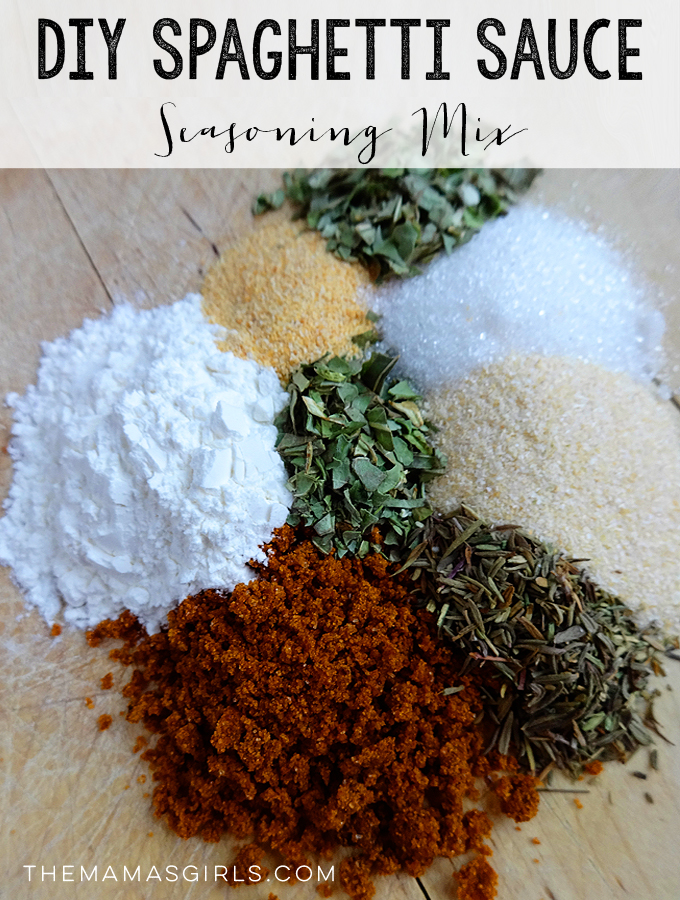
Garlic powder adds a deep, savory flavor without the sharpness of fresh garlic. Onion powder enhances the sauce with a subtle sweetness. Black pepper gives a gentle heat and depth. Red pepper flakes add a little kick for spice lovers.
Fresh Vs Dried Options
Fresh herbs offer bright and vibrant flavors. They work well when added at the end of cooking. Dried herbs have a concentrated taste and last longer. They blend well during the cooking process, releasing their aroma slowly.
Using a mix of both fresh and dried can balance flavor and convenience. This approach helps create a well-rounded spaghetti sauce seasoning.
Credit: meaningfuleats.com
Balancing Flavors
Balancing flavors is key to making the perfect spaghetti sauce. Each taste element plays a role. Sweetness, acidity, salt, and umami must work together. This balance creates a rich and tasty sauce. Without it, the sauce can taste flat or too sharp. Small adjustments can change the whole dish.
Sweetness Tips
Sweetness softens the acidity of tomatoes. Use a small amount of sugar or honey. Start with a teaspoon and taste. Avoid making the sauce too sweet. Natural sweetness from onions or carrots works well. Cook them slowly to bring out their sugars. This adds depth without extra sugar.
Acidity Adjustments
Acidity gives the sauce a bright, fresh flavor. Lemon juice or vinegar can lift dull sauce. Add little by little. Too much acid makes the sauce sour. Tomatoes themselves are acidic, so balance is important. Taste often and adjust carefully. This keeps the sauce lively and balanced.
Salt And Umami Boosters
Salt enhances all other flavors in the sauce. Use it in small amounts and taste frequently. Umami adds a savory depth. Ingredients like garlic, mushrooms, or anchovies work well. Parmesan cheese also brings umami richness. These boosts make the sauce fuller and more satisfying.
Preparing The Base
Preparing the base of your spaghetti sauce sets the stage for a rich and tasty meal. This step builds the foundation where all flavors come together. A well-made base ensures the sauce tastes fresh and balanced. Focus on fresh ingredients and slow cooking to bring out the best.
Choosing The Right Tomatoes
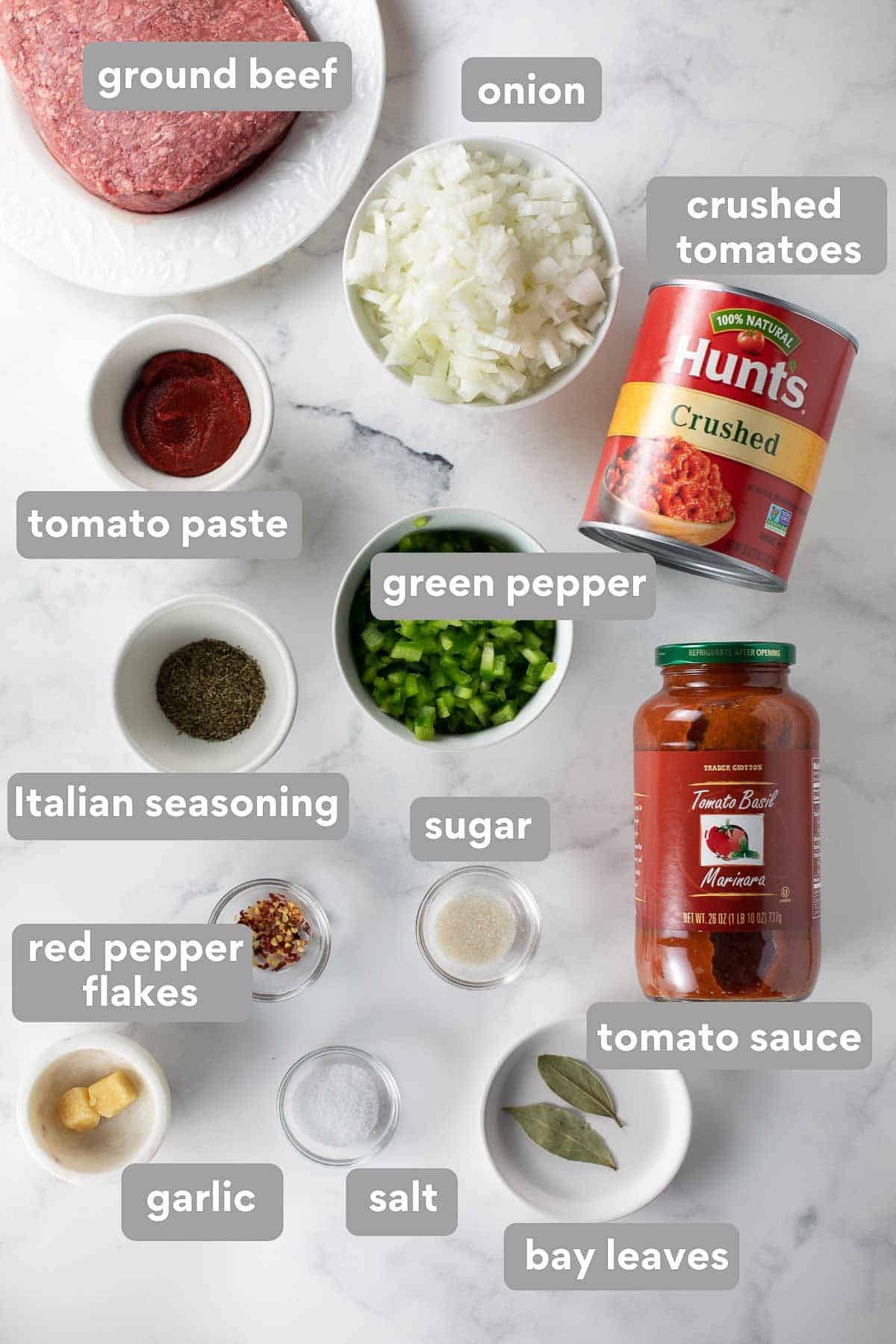
Tomatoes are the heart of any spaghetti sauce. Fresh, ripe tomatoes give the sauce its natural sweetness and acidity. Canned tomatoes can work well too, especially whole peeled ones. Avoid watery or bland tomatoes to keep the sauce thick and flavorful. Use plum or Roma tomatoes for a deeper taste.
Sautéing Aromatics
Start by heating oil in a pan. Add chopped onions and garlic for a strong base flavor. Cook gently until they turn soft and fragrant. Avoid browning to keep the taste mild and sweet. Aromatics add depth and make the sauce more inviting.
Layering Flavors
After aromatics, add herbs like basil, oregano, or thyme. Stir them to release their scent. Pour in tomatoes and mix well. Let the sauce simmer slowly. This slow cooking helps flavors blend and deepen. Taste often and adjust salt or spices as needed.
Customizing Your Sauce
Customizing your spaghetti sauce lets you create a flavor that suits your taste. A basic sauce can become unique with just a few tweaks. Small changes make a big difference in taste and aroma.
Experimenting with spices and ingredients helps you find your favorite mix. Adjust the heat, add herbs, or include vegetables to enrich the sauce. Each option brings a new layer of flavor to your dish.
Adding Heat
Spicy sauce adds a lively kick to your meal. Try red pepper flakes or cayenne powder for heat. Start with a small amount to avoid overpowering the sauce. Fresh chili peppers can also add sharp, fresh spice. Heat warms the sauce and excites the taste buds.
Herbal Variations
Herbs bring freshness and depth to spaghetti sauce. Basil is classic and sweet, perfect for a traditional taste. Oregano adds earthiness and a slight bitterness. Thyme offers a subtle, woodsy flavor. Mix herbs fresh or dried based on what you have. Blending herbs can create a unique taste profile.
Vegetable Enhancements
Adding vegetables improves texture and nutrition. Onions and garlic form a flavorful base. Bell peppers give a mild sweetness and crunch. Mushrooms add earthiness and richness. Carrots can bring natural sweetness to balance acidity. Cook vegetables until soft for the best flavor blend.
Cooking Techniques
Cooking spaghetti sauce seasoning properly makes a big difference in taste. The right techniques help the flavors blend well. This section covers key steps to cook your sauce perfectly. Small details matter for a rich, tasty sauce.
Simmering Time
Simmering allows flavors to mix and deepen. Keep the sauce on low heat. Stir occasionally to avoid burning. Simmer for at least 30 minutes. Longer simmering, up to two hours, improves taste. Avoid boiling fast; it can spoil the sauce texture.
Blending For Texture
Blending changes the sauce’s feel and thickness. Use a hand blender or regular blender. Blend until smooth or leave some chunks for texture. Blending helps mix seasoning evenly. For a chunky sauce, pulse briefly. For smooth sauce, blend longer.
Storage Tips
Store sauce in clean, airtight containers. Use glass jars or plastic containers with lids. Cool sauce completely before storing. Refrigerate and use within 5 days. For longer storage, freeze in small portions. Label containers with the date for freshness.
Credit: www.themamasgirls.com
Common Mistakes To Avoid
Making spaghetti sauce seasoning can be simple and fun. Yet, some common mistakes can spoil your sauce’s flavor. Avoiding these errors helps you create a delicious, balanced sauce every time.
Over-seasoning
Using too much seasoning is a frequent mistake. It hides the natural taste of tomatoes and other ingredients. Start with small amounts of herbs and spices. Taste the sauce as it cooks. Adjust slowly to avoid a salty or bitter flavor.
Ignoring Freshness
Fresh ingredients make a big difference in taste. Old or stale herbs lose their aroma and flavor. Use fresh garlic, basil, and oregano whenever possible. Fresh tomatoes or canned ones with no additives improve your sauce’s quality.
Skipping Slow Cooking
Rushing the cooking process affects the sauce’s depth. Slow cooking lets flavors blend and develop fully. Simmer the sauce on low heat for at least 30 minutes. Stir occasionally to prevent burning and to mix flavors well.
Credit: chefjar.com
Frequently Asked Questions
What Are The Essential Spices For Spaghetti Sauce Seasoning?
Essential spices include garlic powder, onion powder, oregano, basil, and red pepper flakes. These create a balanced, flavorful base for any spaghetti sauce.
How Do I Make Spaghetti Sauce Seasoning At Home?
Combine dried garlic, onion, oregano, basil, salt, pepper, and red pepper flakes. Mix well and store in an airtight container for easy use.
Can I Customize Spaghetti Sauce Seasoning To Taste?
Yes, adjust herbs and spices to your preference. Add more basil for sweetness or red pepper flakes for heat.
How Much Seasoning Should I Add To Spaghetti Sauce?
Start with 1-2 teaspoons per 4 cups of sauce. Adjust seasoning gradually while tasting for the best flavor.
Conclusion
This spaghetti sauce seasoning recipe adds rich flavor to your dishes. It uses simple herbs and spices you can find easily. You can adjust the taste to fit your preference. Cooking with fresh ingredients makes the sauce taste better. Try this recipe to make your meals more delicious.
Enjoy the process of creating your own sauce blend. This recipe helps you save money and eat healthier. Give it a try and see the difference it makes. Your family will love the tasty, homemade sauce. Keep experimenting to find your favorite seasoning mix.
