
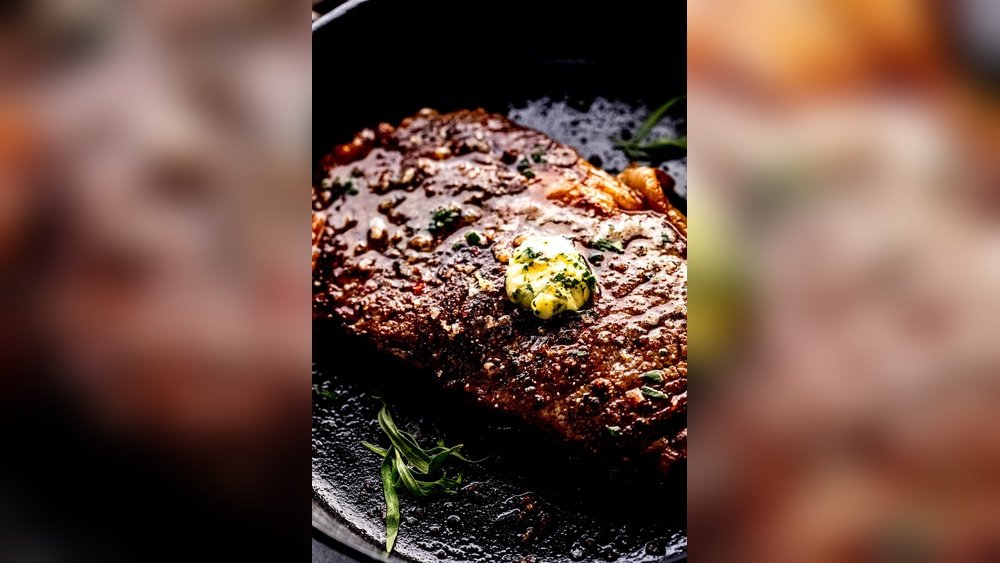
If you want to cook the perfect ribeye steak every time, this sous vide ribeye steak recipe is exactly what you need. Imagine a steak so tender and juicy that it melts in your mouth, with flavors locked in like never before.
You don’t have to be a pro chef or spend hours in the kitchen to get restaurant-quality results. With this simple method, you can take control of your cooking and impress yourself and anyone you share your meal with. Keep reading, and I’ll show you how to transform your ribeye steak into a mouthwatering masterpiece.
Credit: www.upstateramblings.com
Why Choose Sous Vide For Ribeye
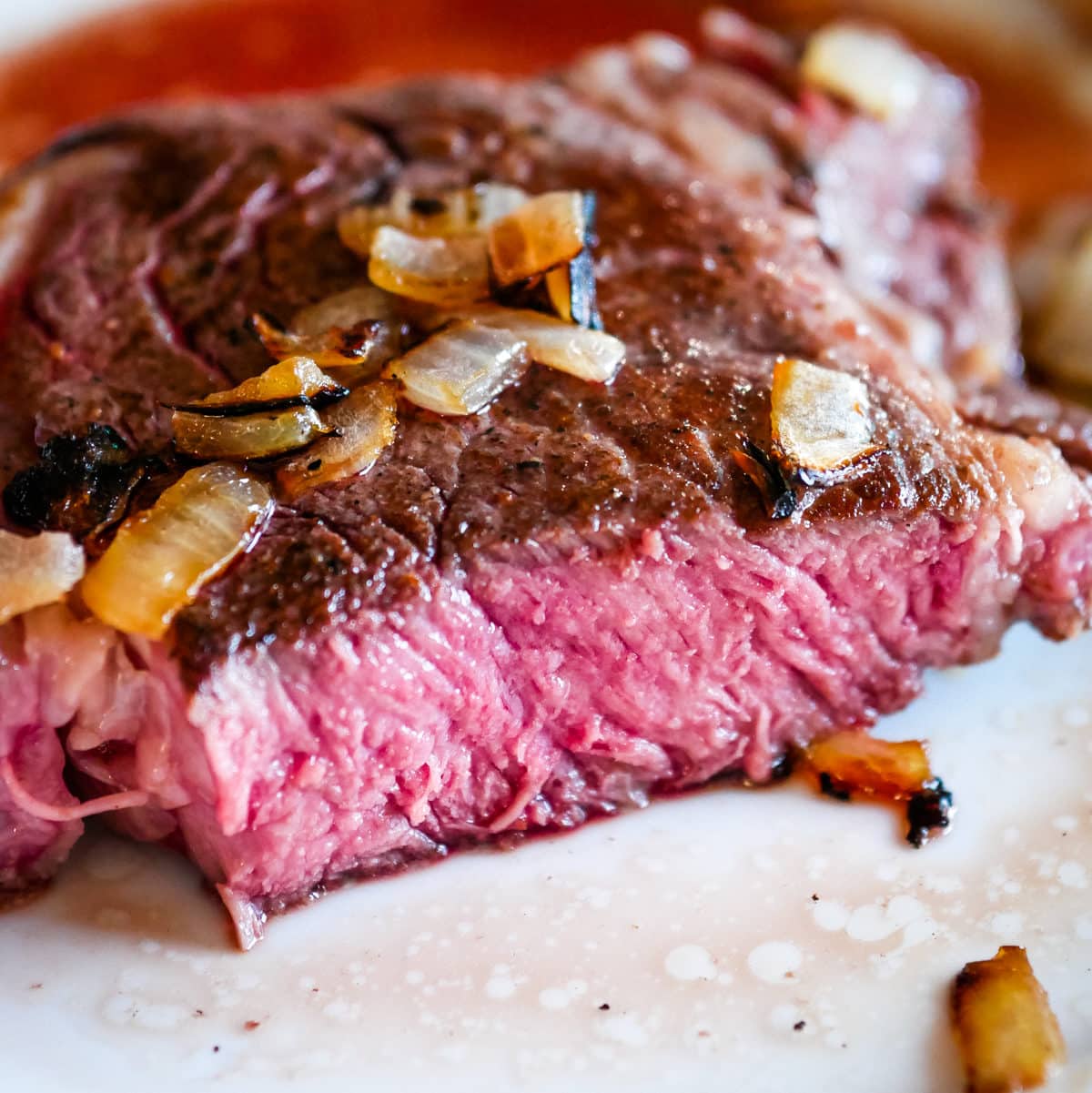
Sous vide cooking has become popular for ribeye steaks. It uses precise water temperature to cook meat evenly. This method keeps the steak juicy and tender. The process enhances the natural flavors of ribeye. Many chefs and home cooks prefer sous vide for its reliability and taste.
Consistent Temperature Control
Sous vide cooks ribeye at a steady temperature. This control stops overcooking or undercooking. The steak cooks evenly from edge to center. No hot spots or dry edges appear. Every bite has the same perfect doneness. This precision is hard to get with other methods.
Enhanced Flavor And Juiciness
Sealing ribeye in a vacuum bag locks in juices. The meat cooks in its own flavors and fat. This process prevents moisture loss during cooking. The steak tastes richer and more intense. The natural beef flavor shines through. Juicy, flavorful ribeye every time.
Tenderness Benefits
Cooking ribeye sous vide softens the meat fibers. The slow, gentle heat breaks down tough parts. The steak becomes tender without drying out. The texture is smooth and easy to cut. A tender ribeye feels great to eat. Perfect for those who enjoy soft, juicy meat.
Credit: thefrizzledleek.com
Selecting The Best Ribeye Steak
Selecting the best ribeye steak is key for a perfect sous vide meal. The right cut makes a big difference in taste and texture. Choosing the best quality and thickness ensures a juicy and tender steak. Understanding fresh versus frozen options helps you pick the best meat available.
Marbling And Quality Grades
Marbling means fat inside the meat. More marbling means richer flavor and softer texture. Look for steaks with even fat spread. Quality grades like Prime, Choice, and Select show marbling levels. Prime has the most marbling, making it the best choice. Choice is good and easier to find. Avoid Select for sous vide as it can be less tender.
Thickness Considerations
Thickness is important for even cooking. Ribeye steaks should be at least 1 to 1.5 inches thick. Thicker steaks cook better in sous vide, staying juicy inside. Thin steaks may overcook or dry out. Measure thickness before buying to match your sous vide method. Consistent thickness helps cook steak evenly.
Fresh Vs. Frozen
Fresh ribeye steaks have a bright red color and firm texture. They offer the best flavor for sous vide. Frozen steaks are okay if vacuum sealed properly. Some frozen steaks improve in tenderness after sous vide. Avoid steaks with freezer burn or ice crystals. Thaw frozen steaks slowly in the fridge before cooking.
Essential Equipment For Sous Vide Cooking
Sous vide cooking needs a few key tools. These tools help cook ribeye steak evenly and keep it juicy. Using the right equipment makes the process simple and the results tasty.
Immersion Circulator
The immersion circulator heats and circulates water. It keeps the water at a steady, exact temperature. This precise control cooks the steak evenly from edge to edge. It is the heart of sous vide cooking.
Vacuum Sealer And Bags
Vacuum sealing removes air from the bag. This keeps the steak fresh and stops water from entering. It also helps the steak cook evenly. Strong, heat-safe bags are important for this step.
Cast Iron Skillet Or Grill
After sous vide, a cast iron skillet or grill adds a crispy crust. High heat sears the steak quickly without overcooking. This step adds flavor and texture to the ribeye steak.
Step-by-step Sous Vide Ribeye Recipe
Cooking a ribeye steak using sous vide gives you perfect results every time. The steak stays juicy and tender. Follow these simple steps to cook your ribeye steak with sous vide.
Seasoning The Steak
Start by seasoning your ribeye steak. Use salt and pepper for basic flavor. Add garlic powder or herbs if you like. Rub the seasoning evenly on both sides of the steak. Let it rest for a few minutes to absorb the flavors.
Sealing The Bag
Place the seasoned steak inside a vacuum-seal bag. Remove as much air as possible from the bag. Use a vacuum sealer or the water displacement method. A tight seal prevents water from entering. It also helps cook the steak evenly.
Setting Temperature And Time
Set your sous vide machine to 130°F (54°C) for medium-rare. Cook for 1 to 2 hours. Adjust time for thickness and preferred doneness. Lower temperature for rare; higher for medium or well done. Keep the water bath steady for best results.
Cooking Process
Submerge the sealed bag with steak into the water bath. Use a clip to hold the bag in place. Let the steak cook for the set time. After cooking, remove the steak from the bag. Pat dry with paper towels before searing.
Finishing Techniques For Perfect Crust
Finishing a sous vide ribeye steak perfectly means creating a deep, flavorful crust. This crust forms the outside layer that adds texture and enhances taste. The right finishing techniques help seal juices inside and give a beautiful, appetizing look.
The crust comes from high heat applied quickly after sous vide cooking. This step is key to make the steak both tender and crispy. Focus on three main techniques for the best results.
Searing Tips
Use a heavy pan, like cast iron, for even heat. Heat it until very hot before adding the steak. Pat the steak dry with paper towels to remove moisture. Place the steak in the pan without moving it. Let it sear for 1 to 2 minutes on each side. Avoid overcrowding the pan to keep the temperature high. Use tongs to flip the steak gently.
Using Butter And Herbs
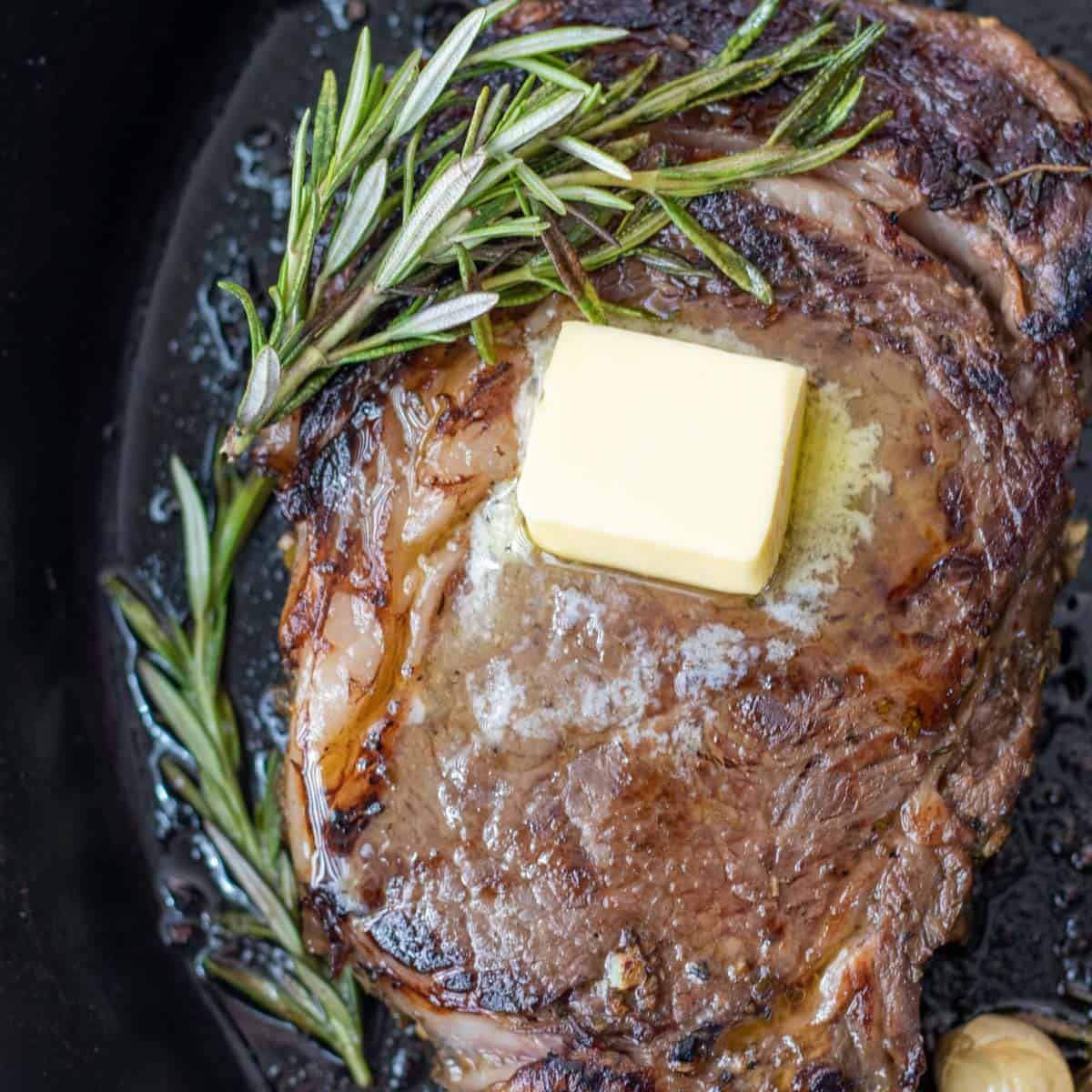
Add butter to the pan near the end of searing. Toss in fresh herbs like rosemary or thyme for extra flavor. Spoon the melted butter over the steak while cooking. This technique adds richness and a wonderful aroma. Butter helps the crust brown evenly and deepens the taste.
Resting The Steak
After searing, let the steak rest on a plate for 5 minutes. Resting allows juices to redistribute inside the meat. Cover lightly with foil to keep it warm. Cutting too soon causes juices to spill out. A rested steak stays juicy and tender when served.
:max_bytes(150000):strip_icc()/__opt__aboutcom__coeus__resources__content_migration__serious_eats__seriouseats.com__recipes__images__2015__05__Anova-Steak-Guide-Sous-Vide-Photos15-beauty-159b7038c56a4e7685b57f478ca3e4c8.jpg)
Credit: www.seriouseats.com
Serving Suggestions And Pairings
Serving sous vide ribeye steak is an enjoyable experience. The steak’s rich flavor pairs well with many sides, drinks, and sauces. Choosing the right pairings makes your meal special. Here are some ideas to enhance your ribeye steak dinner.
Side Dishes
Simple sides work best with ribeye steak. Roasted vegetables like carrots, asparagus, or Brussels sprouts add color and taste. Mashed potatoes or creamy polenta bring a smooth texture that balances the meat. A fresh salad with light dressing gives a crisp contrast. Garlic bread or dinner rolls complete the meal nicely.
Wine And Beverage Choices
Red wine suits ribeye perfectly. Cabernet Sauvignon and Malbec have bold flavors that match the steak’s richness. For a lighter choice, try Pinot Noir. Non-alcoholic options like iced tea or sparkling water refresh the palate. A cold beer with moderate bitterness also pairs well with the meat.
Sauce Options
Sauces add extra flavor to your ribeye steak. Classic choices include peppercorn sauce or béarnaise. Chimichurri brings a fresh and tangy note. Mushroom sauce offers a deep, earthy taste. Keep sauces moderate to let the steak’s natural flavor shine through.
Troubleshooting Common Issues
Troubleshooting common issues can improve your sous vide ribeye steak cooking. Small mistakes cause big differences in taste and texture. This guide helps fix typical problems for a better meal.
Overcooked Or Undercooked Steak
Check the water temperature carefully. Use a good thermometer for accuracy. Cooking times depend on thickness, so measure your steak. Avoid opening the bag during cooking. It can lower temperature and affect doneness. If the steak is undercooked, try cooking longer next time. For overcooked meat, lower the temperature slightly and reduce cooking time.
Lack Of Sear
Searing adds flavor and color to your steak. Make sure the pan is very hot before searing. Dry the steak surface well with paper towels. Moisture stops the steak from browning properly. Use a small amount of high smoke point oil. Sear each side quickly to avoid cooking the inside more. A cast iron pan works best for even heat.
Texture Problems
Texture depends on temperature and cooking time. Too long in the water makes steak mushy. Too short makes it tough or chewy. Use consistent sous vide settings for best results. After cooking, rest the steak briefly before cutting. This keeps juices inside and improves texture. Choose ribeye cuts with good marbling for tenderness.
Frequently Asked Questions
How Long Should I Sous Vide Ribeye Steak?
Sous vide ribeye steak cooks best between 1 to 4 hours. This time ensures tender, juicy results without overcooking the meat.
What Temperature Is Ideal For Sous Vide Ribeye?
Set the sous vide temperature between 129°F to 135°F for medium-rare. Adjust slightly based on your preferred doneness level.
Do I Need To Season Ribeye Before Sous Vide?
Yes, seasoning with salt, pepper, and herbs before sous vide enhances flavor. It allows spices to infuse during cooking.
Can I Sear Ribeye After Sous Vide?
Absolutely. Searing ribeye post-sous vide gives a crispy crust and deep flavor. Use a hot pan for 1-2 minutes per side.
Conclusion
Sous vide cooking makes ribeye steak tender and juicy every time. You control the temperature for perfect results. The process is simple and fits any skill level. Try this recipe for a steak full of flavor. Serve it with your favorite sides for a great meal.
Enjoy a restaurant-quality steak right at home. Give sous vide a try and taste the difference. Cooking steak has never been this easy or consistent.
