


If you’ve ever wanted to create your own delicious strawberry wine at home, this simple 1-gallon recipe is perfect for you. Imagine turning fresh, juicy strawberries into a smooth, flavorful wine that you can enjoy anytime.
Whether you’re a beginner or have tried winemaking before, this easy-to-follow guide will help you make your own batch with confidence. Keep reading to discover the secrets to crafting a tasty strawberry wine that will impress your friends and satisfy your taste buds.
Ingredients Needed
Making strawberry wine at home is simple with the right ingredients. Each component plays a vital role in taste and fermentation. Below is a list of essential ingredients for a 1-gallon batch. These will help you create a smooth, fruity wine.
Fresh Strawberries
Use ripe, fresh strawberries for the best flavor. About 3 to 4 pounds are needed for one gallon. Wash them well and remove any stems or leaves. Fresh berries give natural sweetness and aroma to your wine.
Sugar Types
Sugar feeds the yeast and helps fermentation. White granulated sugar is common and easy to find. Some winemakers use brown sugar for a richer flavor. Adjust sugar amount to control wine’s sweetness and alcohol level.
Yeast Selection
Choose a wine yeast designed for fruit wines. Lalvin EC-1118 or Red Star Premier Rouge work well. These yeasts tolerate alcohol and enhance berry flavors. Avoid bread yeast as it may create off-flavors.
Additional Flavorings
Additives like lemon juice balance sweetness and boost acidity. Pectic enzyme helps clear the wine and break down fruit pulp. Campden tablets prevent unwanted bacteria or wild yeast growth. These extras improve wine quality and stability.
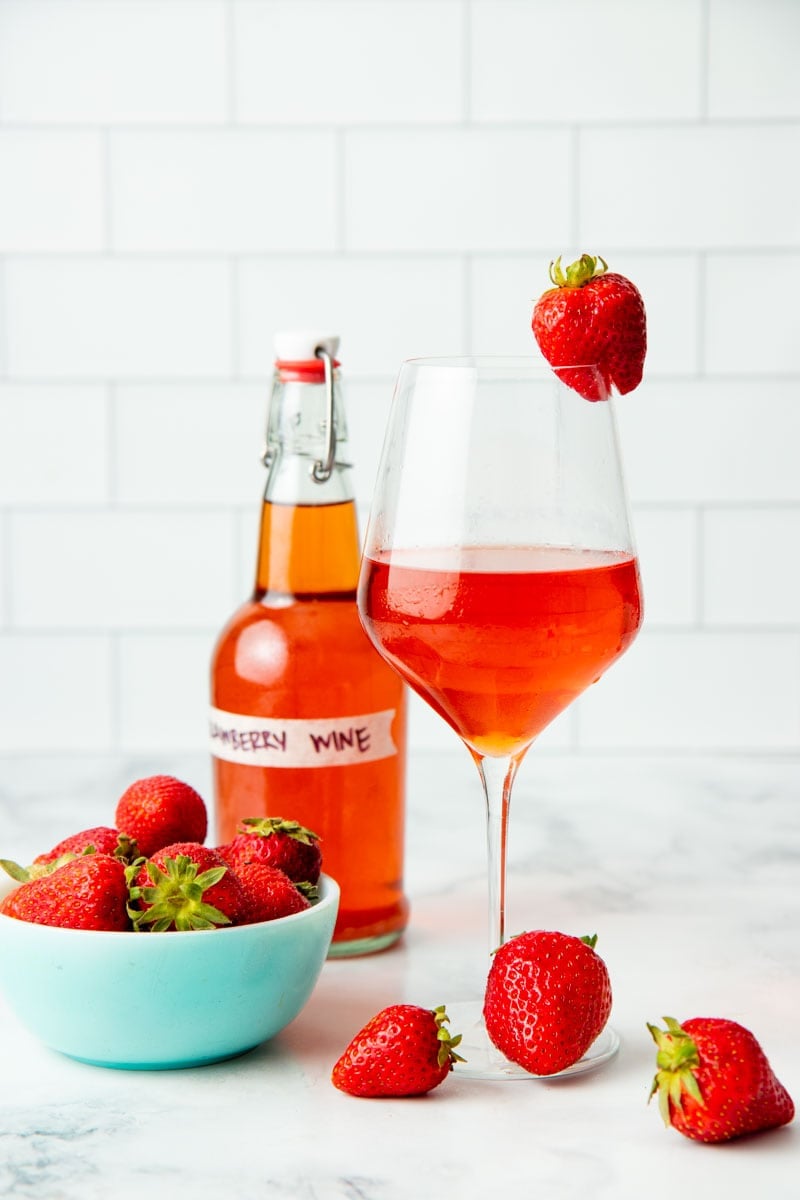
Credit: wholefully.com
Equipment Required
Making strawberry wine at home is fun and rewarding. Having the right tools helps you get good results. This section covers the main equipment needed for a 1-gallon batch of strawberry wine. Proper tools ensure safe and clean fermentation. They also make the process easier and more enjoyable.
Fermentation Containers
Use a 1-gallon glass carboy or food-grade plastic bucket. Glass is best for clear wine and easy cleaning. Plastic buckets are lighter and less fragile. Both must have an airlock to let gases escape. Airlocks prevent outside air from entering and spoiling the wine.
Measuring Tools
Accurate measurements affect wine quality. A hydrometer checks sugar levels and fermentation progress. A kitchen scale weighs strawberries and sugar precisely. Measuring cups and spoons help add correct liquid amounts. Use clean tools for every step to avoid mistakes.
Sanitizing Supplies
Cleanliness is key in winemaking. Use sanitizer to kill bacteria and wild yeast. No-rinse sanitizers save time and keep equipment safe. Sanitize all containers, airlocks, and tools before use. This step protects your wine from contamination and off-flavors.
Preparing Strawberries
Preparing strawberries is a key step in making delicious strawberry wine. Fresh and clean berries bring out the best flavors. Proper preparation helps the fermentation process and improves taste. Follow these steps carefully for great results.
Cleaning And Hulling
Start by washing strawberries under cold running water. Remove dirt and any chemicals on the surface. Use a colander for easy rinsing. Next, hull the strawberries by removing the green leaves and stems. This part is bitter and can spoil the wine’s flavor. Use a small knife or a strawberry huller for this task. Handle the berries gently to avoid bruising.
Crushing Techniques
Crush the strawberries to release their juice. You can use a potato masher or a clean spoon. Avoid over-crushing to prevent bitter flavors from seeds. The goal is to break the berries just enough to start fermentation. Crushing also helps mix the fruit with sugar and yeast later. Work in a clean bowl for the best results.
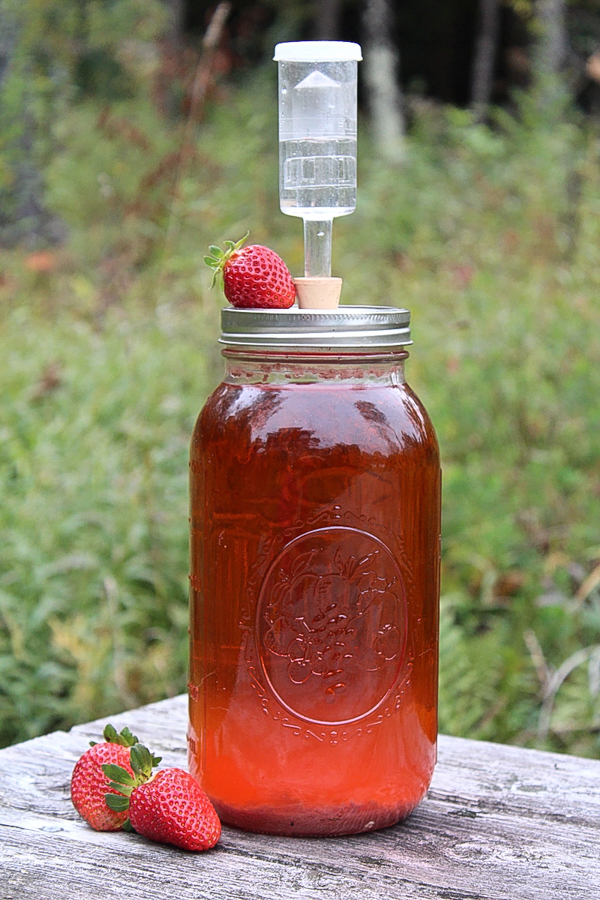
Credit: practicalselfreliance.com
Mixing The Must
Mixing the must is an important step in making strawberry wine. This process blends all ingredients to create a good base for fermentation. Proper mixing helps flavors develop and ensures the yeast works well. It sets the stage for a tasty and balanced wine.
Combining Ingredients
Start by washing fresh strawberries. Crush them gently to release juices. Pour the crushed fruit into a clean container. Add water and lemon juice. Stir the mixture well to combine all parts evenly.
Adjusting Sugar Levels
Measure the sugar with a hydrometer. If the sugar is low, add more sugar slowly. Stir until the sugar dissolves completely. This step controls the sweetness and alcohol level of the wine.
Adding Yeast
Choose a good wine yeast for strawberry wine. Sprinkle the yeast over the must surface. Let it sit for a few minutes to activate. Stir gently to mix yeast evenly throughout the must.
Primary Fermentation
The primary fermentation is a crucial step in making strawberry wine. It turns strawberry juice into alcohol. Yeast eats the sugar and creates alcohol and carbon dioxide. This process shapes the taste and strength of your wine.
Careful attention during this stage helps create smooth, tasty wine. Watch the process closely to know when it is done.
Fermentation Timeframe
Primary fermentation usually lasts 5 to 10 days. It depends on the yeast type and sugar amount. Shorter fermentation may leave the wine too sweet. Longer fermentation can make it dry or bitter. Check daily to track progress.
Temperature Control
Keep the temperature between 65°F and 75°F. Too hot can kill the yeast. Too cold slows down fermentation. Use a thermometer to measure often. A steady temperature helps yeast work well.
Signs Of Active Fermentation
Look for bubbles in the airlock or surface. Foam or froth on top shows yeast is alive. The wine may smell fruity or yeasty. These signs mean fermentation is active and healthy.
Racking And Secondary Fermentation
Racking and secondary fermentation are key steps in making strawberry wine. These stages help improve the wine’s taste and clarity. Moving the wine carefully and letting it age makes a big difference. It removes unwanted solids and allows the flavors to develop fully. Follow these steps to ensure your strawberry wine turns out smooth and tasty.
Transferring Wine
After the first fermentation, the wine sits with sediment at the bottom. This sediment can make the wine bitter if left too long. Use a siphon tube to move the wine gently into a clean container. Avoid stirring up the sediment. This process is called racking. It separates the clear wine from the solids. Racking helps the wine become clearer and taste better.
Clearing And Aging
Once racked, the wine enters secondary fermentation. It stays in the new container for several weeks or months. This time lets the wine clear further and develop flavor. Keep the container sealed but allow some air to escape. Store it in a cool, dark place. Avoid moving the wine during this phase. Patience is important. The longer the wine ages, the smoother it becomes.
Bottling Process
The bottling process is a key step in making strawberry wine at home. It helps keep the wine fresh and tasty. Careful bottling avoids contamination and spoilage. Follow these steps to bottle your 1-gallon batch correctly.
Sanitizing Bottles
Clean bottles well before use. Use hot water and a mild detergent. Rinse them thoroughly to remove soap. Sanitize bottles with a solution made for winemaking. This kills germs that spoil wine. Let bottles air dry on a clean surface. Do not skip sanitizing to keep wine safe.
Filling And Sealing
Fill bottles slowly to avoid splashes. Leave about one inch of space at the top. Use a funnel or siphon for easy filling. Seal bottles tightly with corks or caps. Ensure seals are secure to prevent air entry. Store bottles in a cool, dark place after sealing. This helps wine age well and taste better.
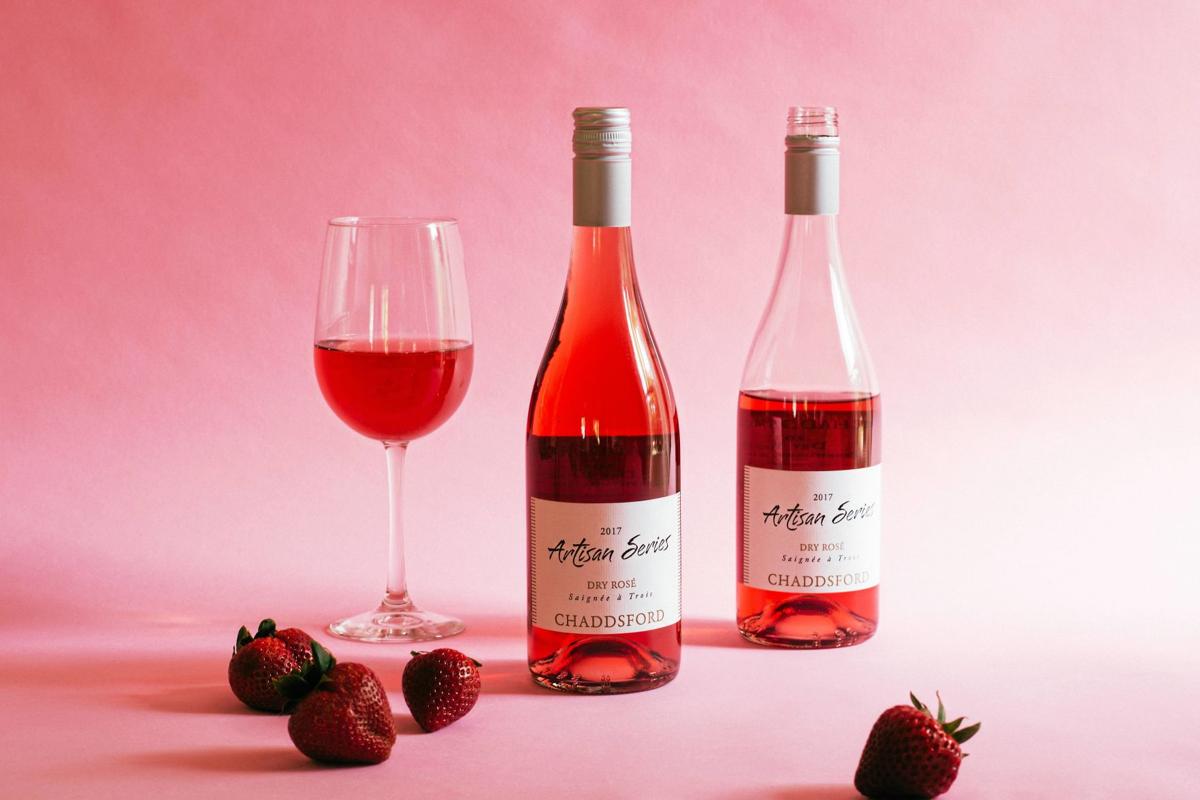
Credit: getbrewsy.com
Tasting And Serving Tips
Tasting and serving strawberry wine is a special experience. The wine’s flavor changes as it ages. Serving it the right way brings out its best taste. Here are some tips to enjoy your 1-gallon batch perfectly.
Optimal Aging Period
Strawberry wine tastes best after aging for 3 to 6 months. This time lets the flavors blend and smooth out. Younger wine may taste sharp or too sweet. Patience helps the wine develop a balanced flavor. Store the wine in a cool, dark place during aging. Avoid heat and sunlight to keep the taste fresh.
Serving Suggestions
Serve strawberry wine chilled, around 45 to 55°F (7 to 13°C). Cold temperature enhances its fruity aroma and crispness. Use clear wine glasses to enjoy the beautiful pink color. Pair the wine with light foods like salads, cheese, or desserts. Strawberries, chocolate, and soft cheeses match well. Avoid heavy meals that hide the wine’s delicate taste.
Troubleshooting Common Issues
Troubleshooting common issues helps keep your strawberry wine clear and tasty. Small problems can spoil the batch if not fixed early. Knowing what to check saves time and ingredients.
Off Flavors
Off flavors often come from poor fruit quality or dirty equipment. Clean all tools well before use. Use fresh strawberries without mold or rot. Avoid letting the wine sit too long on the fruit skins.
Sometimes, fermentation temperature is too high or too low. Keep the temperature steady between 65-75°F for best taste. If off flavors persist, try using yeast nutrients or a different yeast strain next time.
Cloudiness
Cloudy wine looks less appealing but is usually safe to drink. Cloudiness can result from unfinished fermentation or too much sediment. Let the wine sit longer to clear naturally. Cold crashing helps settle particles faster.
Filtering the wine gently can remove cloudiness. Avoid shaking the wine during racking to keep sediments at the bottom. Proper sanitation reduces bacteria that cause haze.
Stuck Fermentation
Stuck fermentation means the yeast stops working too soon. This leaves sugar unconverted and wine sweet or flat. Check temperature; cold or hot spots can stop yeast.
Add yeast nutrients to help the yeast restart. Stir the wine gently to mix yeast and sugars. If stuck, add fresh yeast made for winemaking. Patience is key; some batches need extra time.
Frequently Asked Questions
How Long Does It Take To Ferment 1 Gallon Of Strawberry Wine?
Fermentation typically takes 4 to 6 weeks. Primary fermentation lasts about 2 weeks, followed by 2 to 4 weeks of secondary fermentation for clarity and flavor development.
What Ingredients Are Needed For 1 Gallon Of Strawberry Wine?
You need 3 pounds of fresh strawberries, 2 pounds of sugar, 1 gallon of water, wine yeast, and optional additives like yeast nutrient and acid blend.
Can I Use Frozen Strawberries For Strawberry Wine?
Yes, frozen strawberries work well. Thaw them before use to release juice and flavor. They are a convenient alternative when fresh berries are unavailable.
How Sweet Is Homemade Strawberry Wine?
Sweetness depends on sugar added and fermentation duration. You can adjust sugar to taste before fermentation for a drier or sweeter wine.
Conclusion
Making one gallon of strawberry wine is simple and fun. Fresh strawberries bring a sweet, fruity taste. Follow the steps carefully for best results. Patience is key; good wine takes time to develop. Enjoy your homemade wine with friends or family.
This recipe offers a great way to try winemaking at home. Give it a try and savor the flavor. A small batch can bring big joy. Keep experimenting to find your perfect taste. Cheers to your strawberry wine journey!
