


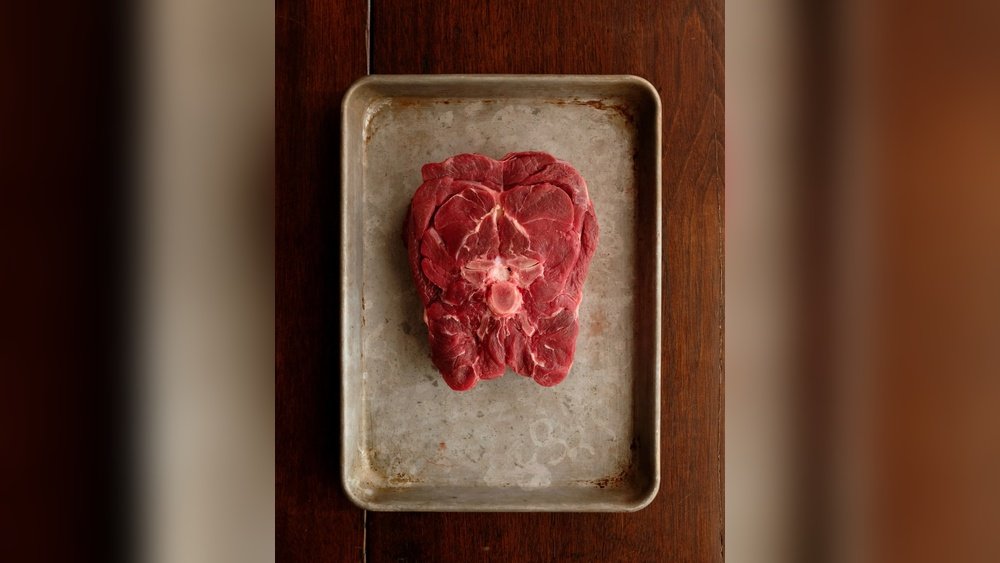
Looking for a delicious way to enjoy venison that’s full of rich flavor and easy to prepare? Your search ends here.
This venison neck recipe turns a lesser-known cut into a mouthwatering meal that will surprise and delight your taste buds. Whether you’re a seasoned cook or just starting out, you’ll find simple steps that bring out the best in this tender, hearty meat.
Keep reading to discover how you can make your next dinner unforgettable with a dish that’s both comforting and impressive.
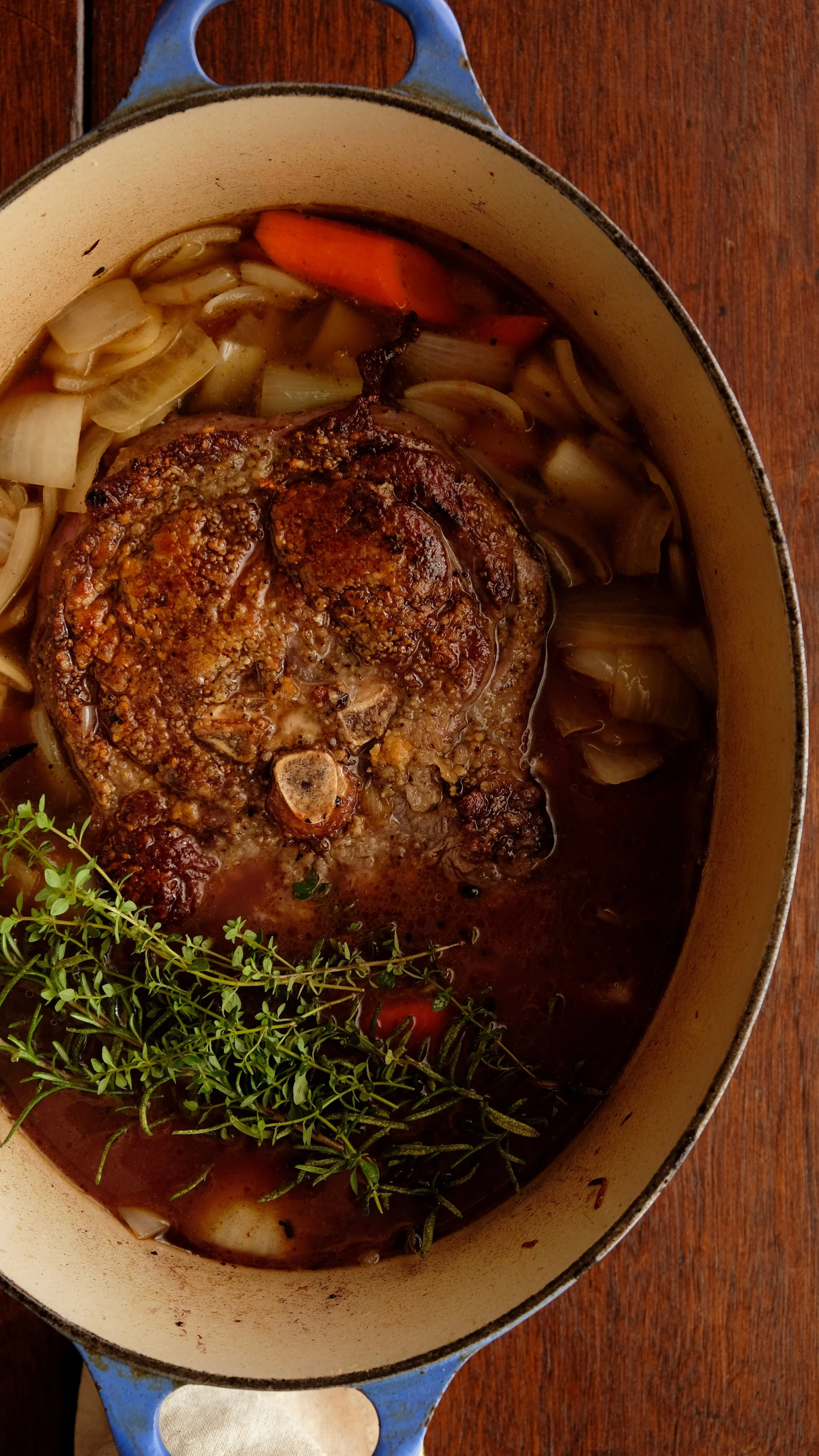
Credit: elevatedwild.com
Choosing Venison Neck
Choosing the right venison neck is key for a tasty dish. This cut comes from the deer’s neck and needs careful selection. Good meat means better flavor and texture in your recipe. Understanding what makes quality venison neck helps you cook a great meal.
Venison neck is affordable and rich in taste. It is perfect for slow cooking to make it tender. Knowing the benefits of this cut can help you appreciate it more. Let’s explore how to pick the best venison neck for your recipe.
Selecting Quality Meat
Look for meat with a deep red color. Avoid pieces that look pale or brown. Fresh venison neck should feel firm and moist. It should not be slimy or sticky. Check for a mild, natural smell. Strong or sour odors mean the meat is old.
Fat on the meat should be white or cream-colored. Yellow fat can show poor quality. Choose pieces with some marbling. This helps keep the meat juicy during cooking. Smaller cuts can cook faster and stay tender.
Benefits Of Venison Neck
Venison neck is rich in protein and low in fat. It offers a strong, gamey flavor loved by many. This cut is ideal for stews and braises. Slow cooking breaks down tough fibers, making the meat soft. It is also budget-friendly compared to other cuts.
Using venison neck adds variety to your meals. It provides a natural, hearty taste. This meat is a great option for healthy, filling dishes. Perfect for those who want flavorful and nutritious food.

Credit: www.deeranddeerhunting.com
Preparing The Meat
Preparing venison neck meat well is key for a tasty dish. The meat needs care before cooking. Proper cleaning and trimming remove unwanted parts. Marinating helps make the meat tender and flavorful. Both steps improve the final result.
Cleaning And Trimming
Start by rinsing the venison neck under cold water. Pat it dry with a paper towel. Remove any silver skin or tough membranes. Trim off excess fat and sinew. These parts can make the meat chewy. Cut the meat into even pieces for cooking.
Marinating Tips
Choose a marinade with acidity like vinegar or lemon juice. This breaks down the meat fibers. Add herbs and spices such as garlic, rosemary, or black pepper. Let the meat soak for at least 4 hours. Overnight marinating works best. Always marinate in the fridge to keep it safe.
Flavorful Seasoning Ideas
Venison neck has a rich, gamey flavor that needs the right seasoning. The right flavors can make it tender and tasty. Simple herbs and spices bring out its natural taste. Marinades help soften the meat and add depth. Both methods create a delicious meal that feels special.
Herbs And Spices
Use classic herbs like rosemary, thyme, and bay leaves. These herbs add a fresh, earthy taste to venison neck. Black pepper and garlic powder boost the flavor without overpowering it. A pinch of smoked paprika adds a gentle smoky note. For a little heat, try crushed red pepper flakes. Simple salt helps all spices work better. Mix these herbs and spices to coat the meat well before cooking.
Marinade Recipes
Marinades make venison neck tender and juicy. Combine olive oil, balsamic vinegar, and minced garlic for a balanced marinade. Add soy sauce and honey for a sweet and salty mix. Red wine, crushed garlic, and fresh herbs make a classic marinade. Let the meat soak for at least four hours. Overnight is even better. This helps the flavors sink deep into the meat. Always pat the meat dry before cooking to get a good sear.
Cooking Methods For Tenderness
Venison neck is a tough cut that needs careful cooking. The right method breaks down the meat and makes it soft. Slow heat and moisture help tenderize this flavorful cut. Choosing the correct cooking style makes your dish delicious and easy to eat.
Slow Cooking Techniques
Slow cooking uses low heat over a long time. This method melts the tough fibers in venison neck. Use a slow cooker or an oven set at low temperature. Add broth or wine to keep the meat moist. Cook for several hours until the meat feels soft. Slow cooking also deepens the flavor of the venison.
Braising Steps
Braising means cooking meat in a small amount of liquid. First, brown the venison neck in a hot pan. Then add vegetables and broth or wine. Cover the pot tightly to keep steam inside. Cook on low heat for two to four hours. The liquid helps break down the meat’s toughness. Braising creates tender, juicy venison with rich taste.
Pressure Cooking Tips
Pressure cooking is fast and effective for tough cuts. Place the venison neck and liquid in the cooker. Seal and cook under high pressure for about 45 minutes. The high pressure softens the meat quickly. Make sure to use enough liquid to prevent burning. Release the pressure carefully before opening. Pressure cooking saves time and still makes tender venison.
Easy Venison Neck Recipe
Venison neck is a tasty and affordable cut of meat. It becomes tender and flavorful when cooked slowly. This easy venison neck recipe suits beginners and busy cooks alike. Simple steps bring out rich taste and soft texture.
The recipe uses common ingredients and basic kitchen tools. No special skills needed. A warm, hearty meal is ready in a few hours. Perfect for family dinners or cozy nights.
Ingredients List
- 2 pounds venison neck, cut into chunks
- 2 tablespoons vegetable oil
- 1 large onion, chopped
- 3 cloves garlic, minced
- 2 carrots, sliced
- 2 celery stalks, chopped
- 2 cups beef broth
- 1 cup red wine (optional)
- 1 tablespoon tomato paste
- 2 bay leaves
- 1 teaspoon dried thyme
- Salt and pepper to taste
Step-by-step Instructions
- Heat oil in a large pot over medium heat.
- Brown venison pieces on all sides, about 5 minutes.
- Remove meat and set aside.
- Add onion, garlic, carrots, and celery to pot.
- Cook vegetables until soft, about 5 minutes.
- Return venison to pot and stir in tomato paste.
- Pour in beef broth and red wine.
- Add bay leaves, thyme, salt, and pepper.
- Bring to a boil, then lower heat to simmer.
- Cover and cook for 2.5 to 3 hours until meat is tender.
- Remove bay leaves before serving.
Serving Suggestions
Serving venison neck offers a rich, flavorful experience. The right sides and presentation make your meal even better. Thoughtful serving ideas bring out the best in this dish.
Side Dishes To Pair
Roasted root vegetables like carrots and potatoes add sweetness. Steamed green beans or asparagus give a fresh, crisp touch. Creamy mashed potatoes balance the gamey flavor well. A simple salad with a light vinaigrette refreshes the palate. Warm, crusty bread helps soak up the delicious sauce.
Presentation Tips
Slice the venison neck neatly to show its tenderness. Arrange the meat over the sides for an inviting look. Drizzle sauce on top for color and extra flavor. Garnish with fresh herbs like rosemary or thyme. Use warm plates to keep the dish hot longer. Serve with small bowls of sauces on the side.
Storing And Reheating
Storing and reheating venison neck properly keeps its flavor and texture. This process helps you enjoy your meal later without losing quality. Follow simple steps to keep your venison neck fresh and tasty.
Proper Storage Methods
Cool the venison neck quickly after cooking. Store it in an airtight container or wrap it tightly with plastic wrap. Keep it in the refrigerator for up to three days. For longer storage, freeze it in a freezer-safe bag. Label the bag with the date to track freshness. Thaw frozen venison in the refrigerator overnight before reheating.
Best Reheating Practices
Reheat venison neck gently to avoid drying it out. Use a low heat setting on the stove or oven. Add a little broth or water to keep the meat moist. Cover the pan or dish to trap steam. Stir occasionally for even heating. Avoid reheating more than once to maintain taste and safety.
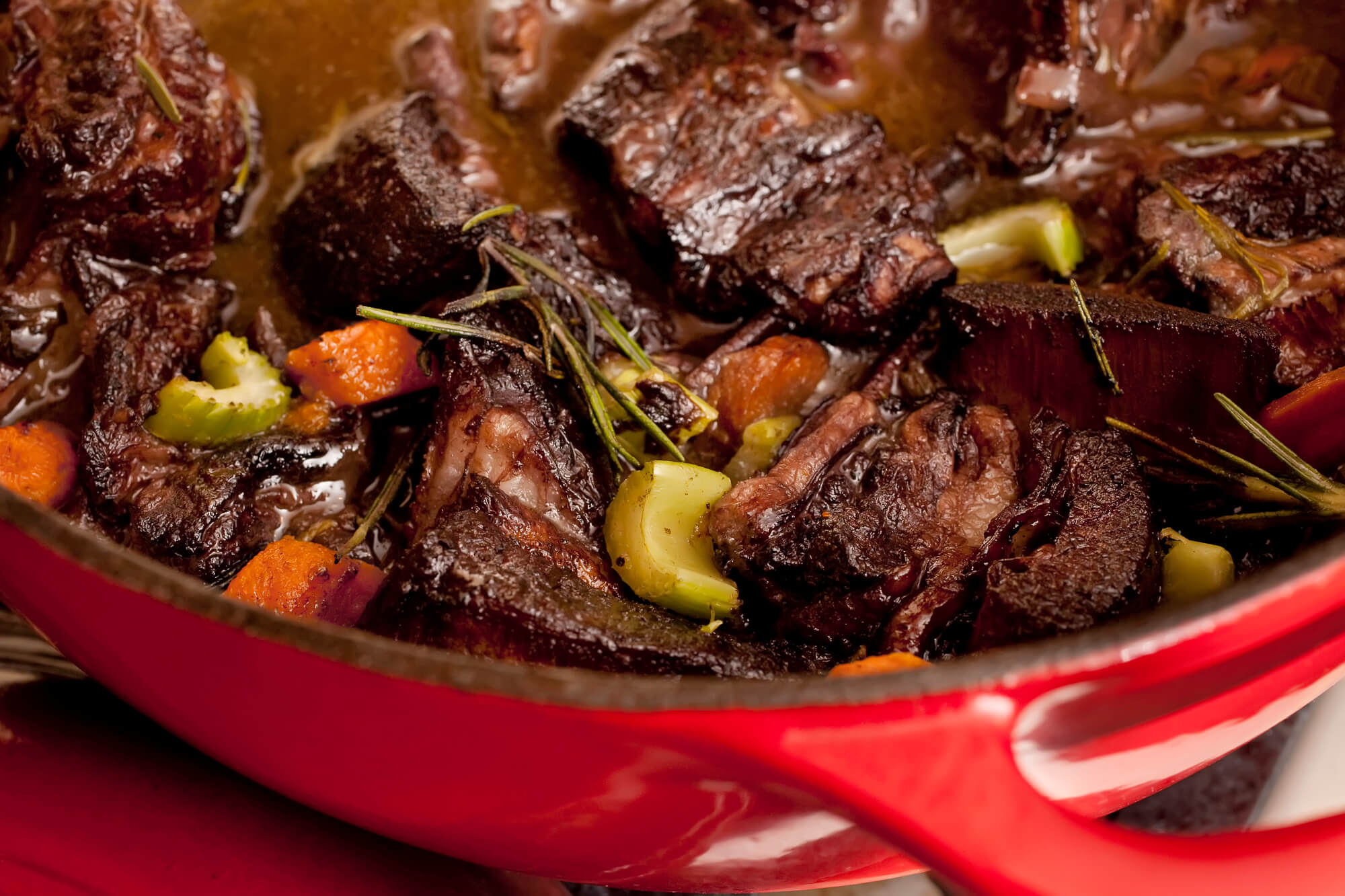
Credit: sportingchef.com
Frequently Asked Questions
What Is The Best Way To Cook Venison Neck?
Slow cooking or braising is ideal for venison neck. It tenderizes the tough meat while enhancing its rich flavor. Use low heat for several hours with herbs and broth for the best results.
Can I Use Venison Neck For Stew Recipes?
Yes, venison neck is perfect for stews. Its connective tissue breaks down during cooking, making the meat tender and flavorful. It absorbs spices well, adding depth to any stew.
How Do I Tenderize Venison Neck Meat?
Marinate venison neck overnight with acidic ingredients like vinegar or wine. Slow cooking also naturally tenderizes the meat. Avoid high heat to prevent toughness.
Is Venison Neck Healthy To Eat?
Venison neck is low in fat and rich in protein. It provides essential vitamins like B12 and minerals such as iron. It’s a nutritious option for a balanced diet.
Conclusion
Venison neck makes a tasty and tender meal. Slow cooking helps break down the meat well. Use simple spices to enhance natural flavor. Serve with vegetables or your favorite sides. This recipe fits well for cozy dinners. Try it once, and you might cook it again.
Enjoy the rich taste and easy preparation. Venison neck can surprise you with its taste. A great way to enjoy wild game meat. Simple steps lead to a delicious dish every time.
