



When the cold sets in, nothing hits the spot like a rich, cozy beer that warms you from the inside out. Imagine holding a mug filled with a brew that smells like cinnamon, cloves, and a hint of caramel—crafted by your own hands.
This winter warmer beer recipe is exactly what you need to brighten up chilly evenings and impress your friends. Ready to discover how simple ingredients can turn into your new favorite winter tradition? Keep reading, and let’s get brewing!
Choosing The Base Beer
Choosing the base beer is the first step in crafting a delicious winter warmer. This choice sets the tone for all the flavors you will add later. It is important to select a beer style that complements spices and sweetness. The right base beer creates a warm and inviting drink perfect for cold days.
Selecting The Right Style
Start with a beer that has a strong, full body. Dark ales, porters, and stouts work well. These styles have rich malt flavors that stand up to added spices. They bring depth and warmth to the final brew. Avoid light lagers or pilsners as they lack enough flavor and body.
Considerations For Flavor Profile
Think about the taste you want to highlight in your winter warmer. Sweet maltiness pairs well with cinnamon and cloves. Roasty or chocolate notes match nutmeg and allspice. A slightly sweet beer balances the bitterness of hops and spices. Choose a base beer with moderate bitterness to avoid overpowering flavors.

Credit: boomchugalug.com
Essential Spices For Winter Warmth
Winter warmer beers need spices that bring heat and comfort. These spices create deep, rich flavors. They make the beer perfect for cold days. Each spice adds a unique taste. Together, they build a warm, inviting drink.
Cinnamon And Clove
Cinnamon adds a sweet, woody flavor. It feels warm on the tongue. Clove offers a sharp, slightly bitter note. It balances the sweetness of cinnamon. These two spices blend well in winter beers. Use them lightly to avoid overpowering the beer.
Nutmeg And Allspice
Nutmeg has a nutty and sweet aroma. It gives a smooth, creamy taste. Allspice tastes like a mix of cinnamon and cloves. It adds depth and complexity. Both spices help create a cozy flavor profile. Use a small amount to keep the taste balanced.
Optional Citrus Zest
Citrus zest brightens the rich spice flavors. Lemon or orange zest works best. It adds a fresh, tangy note. This zest lifts the heaviness of spices. Use zest sparingly to keep the winter warmth strong.
Preparing The Spiced Brew
Preparing the spiced brew is the heart of a winter warmer beer. This step brings warmth and flavor to the beer. It creates the cozy feeling perfect for cold days. Using the right spices and balancing them well makes the difference. The process is simple but needs care and attention.
Infusing Spices With Beer
Start by choosing fresh spices like cinnamon, cloves, and star anise. Toast them lightly to release their aroma. Add spices to the hot beer or wort carefully. Let them steep for 10 to 15 minutes. Avoid boiling spices too long to keep flavors bright. Strain the spices out before bottling. This method gives a clear, smooth spiced taste.
Balancing Sweetness And Spice
Sweetness softens the sharpness of spices. Use malt syrup, honey, or brown sugar for sweet notes. Add sweeteners in small amounts and taste often. The goal is harmony, not overpowering sweetness. Adjust spice levels to match the sweetness. This balance makes the beer comforting and easy to drink.
Sweeteners And Flavor Enhancers
Sweeteners and flavor enhancers bring warmth and depth to winter warmer beer. They help balance bitterness and add rich, inviting notes. Choosing the right sweeteners can change the taste and aroma. These ingredients also improve the mouthfeel and make the beer more enjoyable on cold days.
Using Honey And Brown Sugar
Honey adds a natural sweetness and floral aroma. It also boosts the alcohol content slightly. Use mild honey varieties for subtle flavors. Brown sugar gives a caramel-like taste and dark color. It creates a smooth, rich body in the beer. Adding these sweeteners during the boil helps them blend well.
Adding Vanilla Or Maple Syrup
Vanilla adds warm, creamy tones that pair well with malt. Use vanilla beans or extract for best results. Maple syrup offers a deep, sweet flavor with hints of spice. It enhances the beer’s complexity and richness. Add these after fermentation to keep their delicate flavors fresh.
Brewing Tips For Best Results
Brewing a Winter Warmer beer takes care and attention. Small details can change the taste a lot. Using the right methods helps make a smooth, rich brew. Follow these tips for better flavor and balance.
Focus on temperature and timing. These two affect how well the ingredients mix. Control them closely to get the best results.
Temperature And Timing
Keep your mash temperature steady between 148-158°F. This range helps create a full-bodied beer. Let the mash rest for at least 60 minutes. Stir gently to help enzymes work well.
During fermentation, keep the temperature around 65-70°F. Too hot, and unwanted flavors may appear. Too cold, and yeast might slow down. Patience is key; wait for fermentation to finish completely.
Avoiding Overpowering Flavors
Winter Warmers use spices like cinnamon and cloves. Use them lightly at first. Too much spice can mask the beer’s natural taste. Add spices during the last 10 minutes of the boil or in secondary fermentation.
Balance sweetness with bitterness. Use moderate amounts of malt and hops. Too much malt makes it too sweet, while too many hops add sharpness. Taste often and adjust next time based on results.
Serving Suggestions
Serving your Winter Warmer beer the right way makes every sip better. The look and feel of the beer add to the whole experience. Small choices like glass type and garnishes change how the beer tastes and feels. These tips help you enjoy your brew fully.
Ideal Glassware
Use a tulip or snifter glass to serve Winter Warmer beer. These glasses hold the aroma well. The wide bowl lets the beer breathe. The narrow top traps the scent inside. This enhances the spicy and malty notes. Keep the glass clean and cool for best taste.
Garnishes To Elevate Presentation
Add a cinnamon stick or star anise to the glass. They match the warm spices in the beer. A thin orange slice also works well. It adds a fresh, citrus touch. These simple garnishes make the beer look inviting. They also add extra flavors while you sip.
Storing And Reheating
Storing and reheating your Winter Warmer beer properly keeps its rich flavors intact. This beer is best enjoyed warm, but it needs care to stay fresh and tasty. Follow simple steps to store and reheat without losing quality.
Maintaining Freshness
Store Winter Warmer beer in a cool, dark place. Avoid direct sunlight and heat. Use airtight containers or bottles to prevent air from spoiling the beer. Keep the beer away from strong smells to avoid flavor changes. For longer storage, refrigeration is best. Cold slows down the aging process and keeps the beer fresh.
Safe Reheating Methods
Warm Winter Warmer beer gently. Use a pot on low heat or a warm water bath. Avoid boiling or microwaving. High heat can change the taste and destroy the beer’s aroma. Stir the beer slowly while warming. Serve it at around 120°F (49°C) for best flavor. Reheat only what you plan to drink soon. Repeated heating lowers quality and taste.

Credit: homebrewersassociation.org
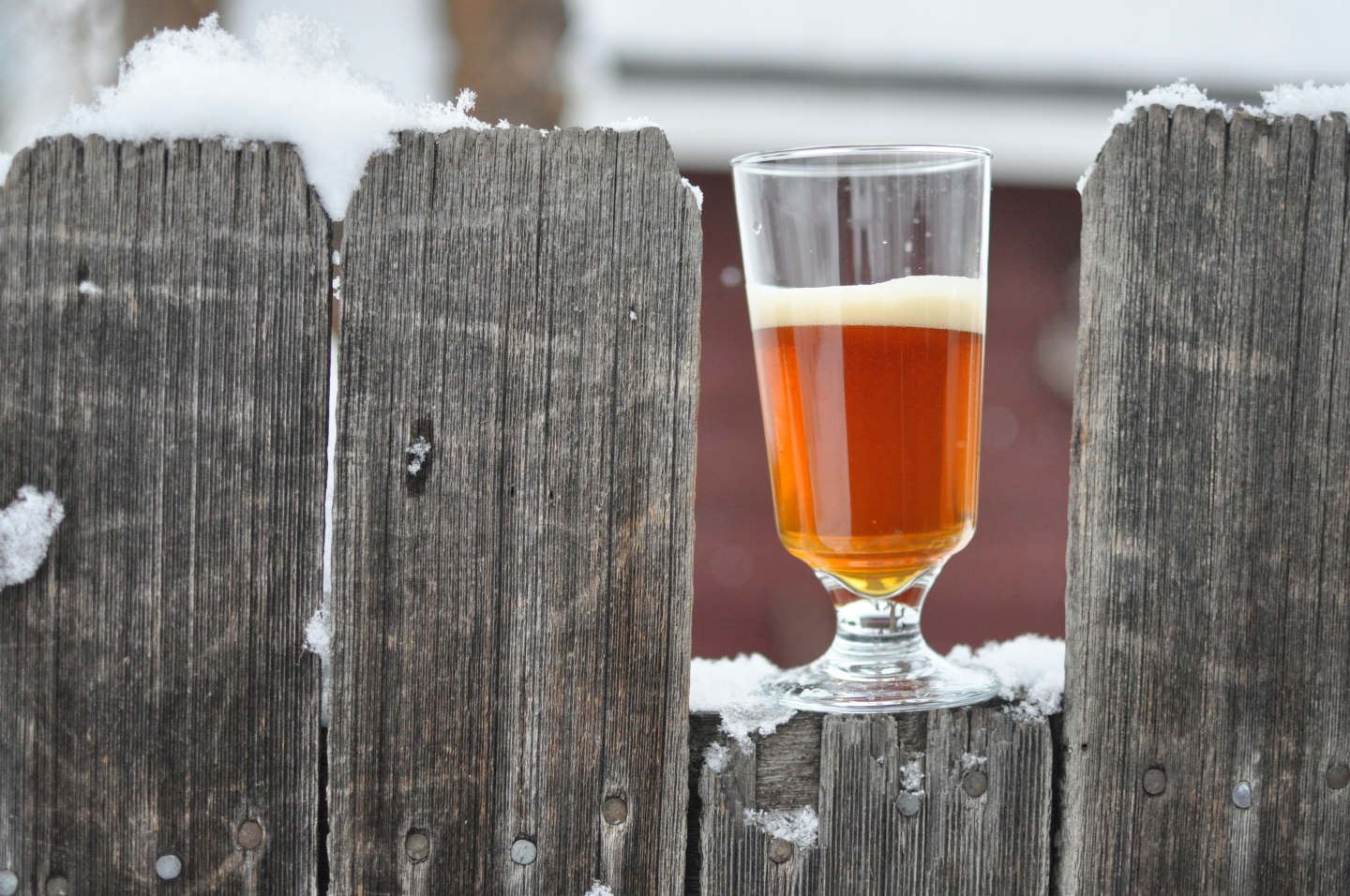
Credit: homebrewersassociation.org
Frequently Asked Questions
What Ingredients Make The Best Winter Warmer Beer?
A winter warmer beer includes malts like caramel and chocolate. Add spices like cinnamon, cloves, and orange peel for warmth. Use a robust yeast strain to enhance flavor and alcohol content.
How Long Should Winter Warmer Beer Be Aged?
Winter warmer beer benefits from aging 4 to 8 weeks. This allows flavors to meld and mellow, producing a smooth, rich taste. Longer aging intensifies the warmth and complexity of the beer.
What Is The Ideal Alcohol Content For Winter Warmer Beer?
Winter warmers typically have an alcohol content between 6% and 9% ABV. This higher alcohol level provides a warming sensation perfect for cold weather. Adjust malt and sugar to reach the desired strength.
Can I Add Spices To Winter Warmer Beer?
Yes, adding spices like cinnamon, nutmeg, and cloves enhances winter warmer beer. Use them sparingly to avoid overpowering the malt flavors. Spices create a cozy, festive character ideal for winter.
Conclusion
This winter warmer beer recipe brings cozy flavors to your home. Rich spices and malts create a perfect cold-weather drink. Brewing it yourself adds fun and pride to the process. Share it with friends to enjoy warmth together. Try this recipe to brighten chilly nights easily.
A simple way to taste comfort in every sip. Cheers to a warm and happy winter!
