


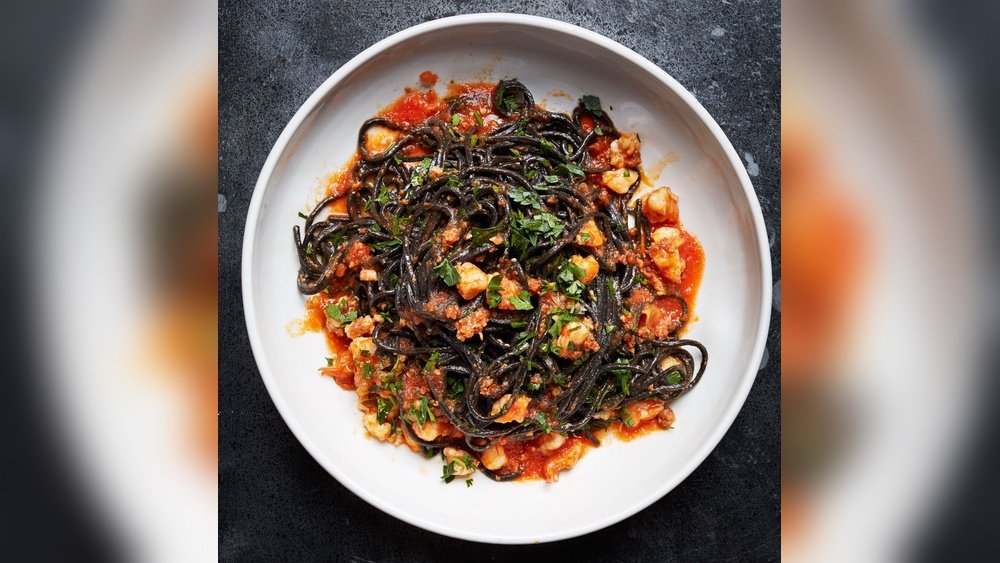
If you love trying new and exciting dishes, the Squid in Ink recipe is something you don’t want to miss. Imagine tender squid cooked in its own rich, black ink, creating a unique flavor that’s both bold and unforgettable.
This dish isn’t just about taste—it’s a feast for your eyes, too. Whether you’re looking to impress guests or simply treat yourself, this recipe will guide you step-by-step to create a meal that’s as stunning as it is delicious. Ready to discover how to make this culinary treasure right in your kitchen?
Let’s dive in.
Choosing Fresh Squid
Choosing fresh squid is key for a tasty squid in ink recipe. Fresh squid has a mild, slightly sweet taste. It should feel firm and look moist. Freshness affects both flavor and texture in your dish.
Squid spoils fast, so buying it fresh matters most. Fresh squid also cooks better and absorbs the ink sauce well. Knowing how to pick and prepare squid helps you enjoy your meal.
Identifying Quality Squid
Check the squid’s color. It should be creamy white or pale pink. Avoid squid with yellow or brown spots. The skin must be shiny and smooth.
Smell the squid. It should have a clean, ocean-like scent. A strong fishy or ammonia smell means it is old. The eyes must be clear and bright, not cloudy.
Touch the squid. It should feel firm and slightly slippery. Soft or slimy texture shows spoilage. Fresh squid bounces back when pressed gently.
Preparing Squid For Cooking
Rinse the squid under cold water to remove dirt. Pull out the head and tentacles carefully. Remove the transparent quill from inside the body.
Peel off the skin if you want a cleaner look. Cut the squid into rings or pieces for cooking. Pat dry with paper towels before cooking.
Proper cleaning keeps the squid tender and tasty. Avoid over-cleaning to keep the natural flavor. Now the squid is ready for the ink sauce.
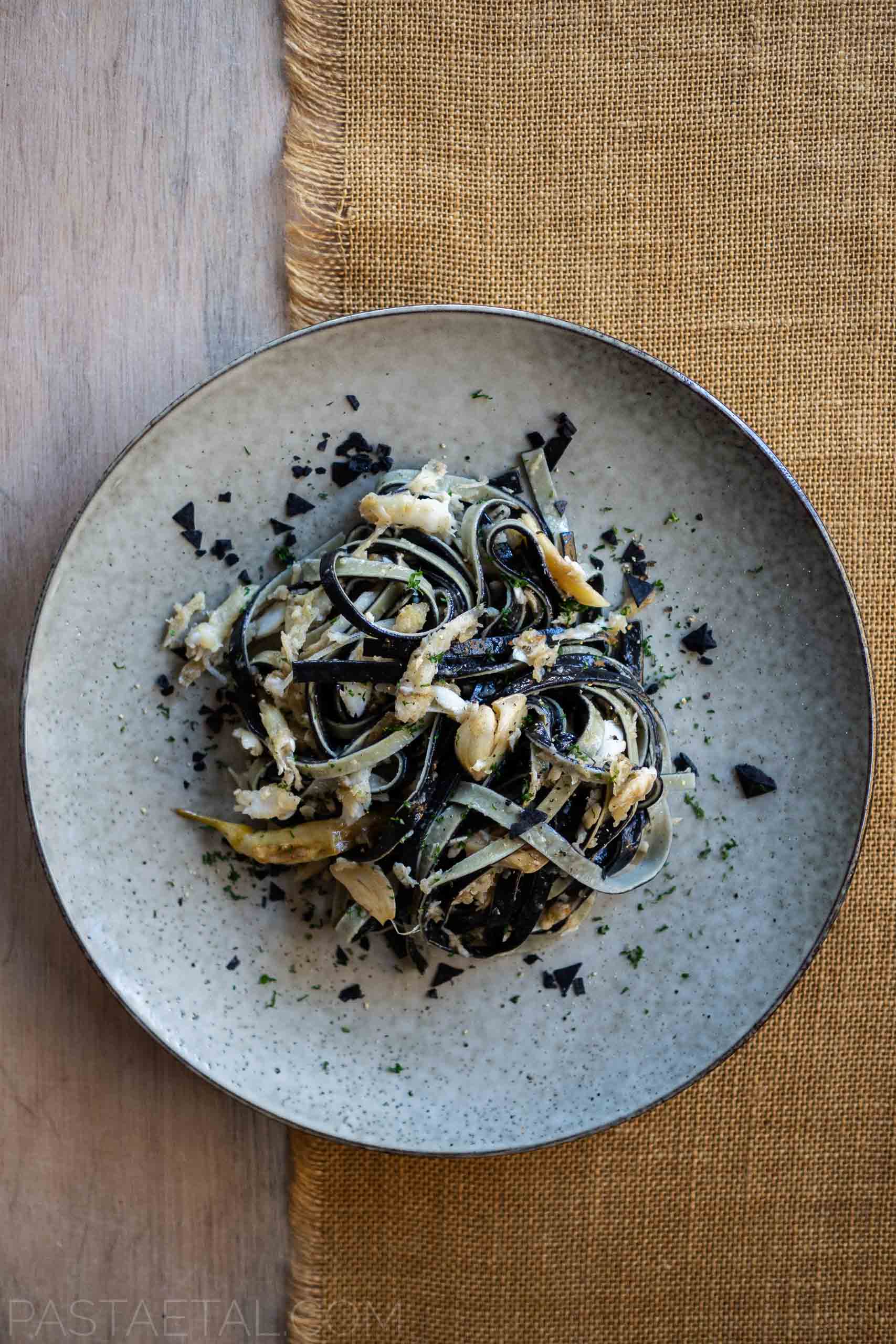
Credit: pastaetal.com
Ingredients For Squid Ink Pasta
Preparing squid ink pasta starts with choosing the right ingredients. Each component plays a key role in creating the dish’s unique flavor and texture. The ingredients blend to form a rich, dark pasta with a subtle seafood taste.
Essential Ingredients
Squid ink pasta requires basic but quality ingredients for best results. Fresh squid ink gives the pasta its signature color and taste. High-quality flour, like all-purpose or semolina, helps achieve the perfect dough texture. Eggs bind the dough and add richness. Salt enhances the natural flavors in the pasta.
Using fresh squid ink is important. It adds a slightly briny flavor and deep black color. Fresh eggs keep the dough smooth and elastic. Flour type affects the pasta’s bite and firmness. These essentials form the foundation of the dish.
Optional Additions For Extra Flavor
Extra ingredients can boost flavor and add variety. Garlic finely chopped or minced brings a mild sharpness. Olive oil adds richness and smoothness to the dough. A little chili flakes introduce a gentle heat, balancing the seafood notes. Fresh herbs like parsley or basil offer fresh, green accents.
Some cooks add white wine to enhance depth. Lemon zest brightens the flavor with citrus hints. Each addition should be subtle to keep the squid ink as the star. These options allow personal touches without overpowering the dish.
Making Squid Ink Pasta Dough
Making squid ink pasta dough is a simple but special process. The dough gets its dark color and unique flavor from fresh squid ink. This pasta is different from regular pasta because it tastes a little salty and has a sea-like flavor.
The key is to mix and knead the dough well. This helps the squid ink spread evenly. The dough should be soft but not sticky. Proper kneading also makes the pasta smooth and elastic. This texture is perfect for cooking and eating.
Mixing And Kneading Dough
Start by putting flour on a clean surface. Make a small well in the middle. Crack eggs into the well. Use a fork to slowly mix the eggs with flour from the edges.
Once combined, use your hands to knead the dough. Press and fold the dough for about 10 minutes. This makes the dough stretchy and smooth. If the dough feels dry, add a little water. If it is sticky, add more flour.
Incorporating Squid Ink
Add squid ink after the dough starts to come together. Pour the ink into the flour and egg mixture. Mix well to spread the black color evenly. The dough should look dark and shiny.
Knead again to blend the squid ink fully. This step is important for even color and flavor. Be careful not to add too much squid ink. Too much can make the dough too wet and hard to work with.
Cooking The Squid Ink Sauce
Cooking the squid ink sauce is the heart of this recipe. It creates a rich, deep flavor that makes the dish special. The sauce needs careful attention to bring out the best taste. Follow these simple steps to cook the sauce perfectly.
Sautéing Aromatics
Start by heating olive oil in a pan. Add finely chopped garlic and onions. Cook them gently until soft and fragrant. This step builds the base flavor for the sauce. Avoid browning the garlic to keep the taste smooth.
Simmering With Squid Ink
Pour in fresh squid ink to the pan with aromatics. Stir well to mix the ink evenly. Add a little stock or water to thin the sauce. Let it simmer on low heat for 10 minutes. This step helps the flavors blend and deepen.
Balancing Flavors
Season the sauce with salt and a pinch of pepper. Add a splash of lemon juice for brightness. Taste and adjust the seasoning slowly. The goal is a balanced sauce, rich yet fresh. Keep it simple and let the squid ink shine.
Combining Pasta And Sauce
Combining pasta and squid ink sauce is an art that brings out bold flavors. The pasta must be cooked just right to hold the rich sauce. The sauce should coat every strand without clumping or pooling. This balance creates a delicious and visually stunning dish.
Cooking Pasta To Perfection
Start by boiling water with a pinch of salt. Use plenty of water so pasta cooks evenly. Add the pasta and stir occasionally to prevent sticking. Cook the pasta until it is al dente, firm but not hard. Drain the pasta but save some pasta water. The water helps thin the sauce if needed.
Tossing Pasta With Sauce
Return the pasta to the pan with squid ink sauce. Use tongs or a large spoon to toss gently. Mix until the sauce evenly covers the pasta strands. Add a small amount of pasta water to loosen the sauce. Toss again to blend the sauce smoothly. Serve immediately for the best taste and texture.
Serving Suggestions
Serving Squid in Ink is a chance to delight the senses. This dish looks bold and tastes rich. Presentation and pairing enhance the experience. Simple touches make a big difference on the plate.
Garnishes And Toppings
Bright herbs like parsley add color and freshness. A squeeze of lemon brings a sharp, clean taste. Red chili flakes give a mild spicy kick. Toasted breadcrumbs add a crunchy texture. Each topping balances the deep flavor of the squid ink.
Pairing With Wine
Choose wines that complement the dish’s strong flavors. Dry white wines like Sauvignon Blanc work well. Sparkling wines provide a crisp, refreshing contrast. Light red wines such as Pinot Noir are also good. Avoid heavy or sweet wines that overpower the meal.
Tips For Bold Flavors
Bold flavors make squid in ink dishes truly special. They bring out the natural taste of squid and make the dish exciting. Using the right ingredients and techniques helps you create a rich, full flavor. Here are some tips to boost the taste of your squid in ink recipe.
Enhancing Umami
Umami is the savory taste that adds depth to your dish. Use ingredients like soy sauce or fish sauce to increase umami. Adding mushrooms or anchovies also helps. Cook the squid gently to keep its natural juices. The squid ink itself is rich in umami, so use enough for a bold flavor.
Adjusting Spice Levels
Spices add heat and complexity to squid in ink dishes. Start with mild chili flakes or paprika for gentle warmth. Increase the spice slowly to suit your taste. Fresh garlic and black pepper work well for extra kick. Balance spice with acidity, such as lemon juice, to keep flavors bright.
:max_bytes(150000):strip_icc()/spaghetti-al-nero-di-seppia-2018653-hero-01-dde32a5b3ed8499ca553dec5f4bb6401.jpg)
Credit: www.thespruceeats.com
Common Mistakes To Avoid
Making squid in ink can be tricky. Simple errors can change the taste and texture. Avoiding common mistakes helps keep the dish perfect. Small changes improve the flavor and appearance.
Overcooking Squid
Squid cooks very fast. Overcooking makes it tough and rubbery. Cook squid just a few minutes. Stop cooking as soon as it turns firm and opaque. Keep an eye on cooking times to avoid a chewy texture.
Handling Squid Ink Properly
Squid ink has a strong flavor. Use it carefully to avoid bitterness. Add ink gradually to control taste and color. Stir ink well into the dish for even distribution. Store unused ink in a cool place to keep it fresh.

Credit: www.cava.wine
Frequently Asked Questions
What Is Squid Ink Used For In Cooking?
Squid ink adds a rich, briny flavor and deep black color to dishes. It enhances pasta, risotto, and sauces, offering a unique seafood taste. Its pigment also creates visually striking meals, making it a popular ingredient in Mediterranean and Spanish cuisine.
How Do You Prepare Squid Ink For Recipes?
Squid ink usually comes in small sachets or jars, ready to use. Add it directly to sauces, pasta dough, or rice. Handle it carefully to avoid staining. Fresh squid ink must be strained and used promptly for best flavor and color.
Can Squid Ink Cause Allergic Reactions?
Yes, squid ink may trigger allergies in sensitive individuals. People allergic to seafood or shellfish should avoid it. Always check labels and consult a doctor if unsure. When cooking for others, inform them about the ingredient to prevent allergic reactions.
How Do You Store Squid Ink Safely?
Store unopened squid ink in a cool, dry place. Once opened, keep it refrigerated in an airtight container. Use within a few days to maintain freshness and flavor. Avoid freezing, as it can alter the ink’s texture and taste.
Conclusion
Squid in ink offers a unique and rich flavor. This recipe brings the sea right to your plate. Cooking it is simple and rewarding. Serve it with fresh bread or rice for best taste. Enjoy the dark, savory sauce that makes it special.
Try this dish to add variety to your meals. A delightful choice for seafood lovers and curious cooks alike. Give it a go and savor every bite.
