


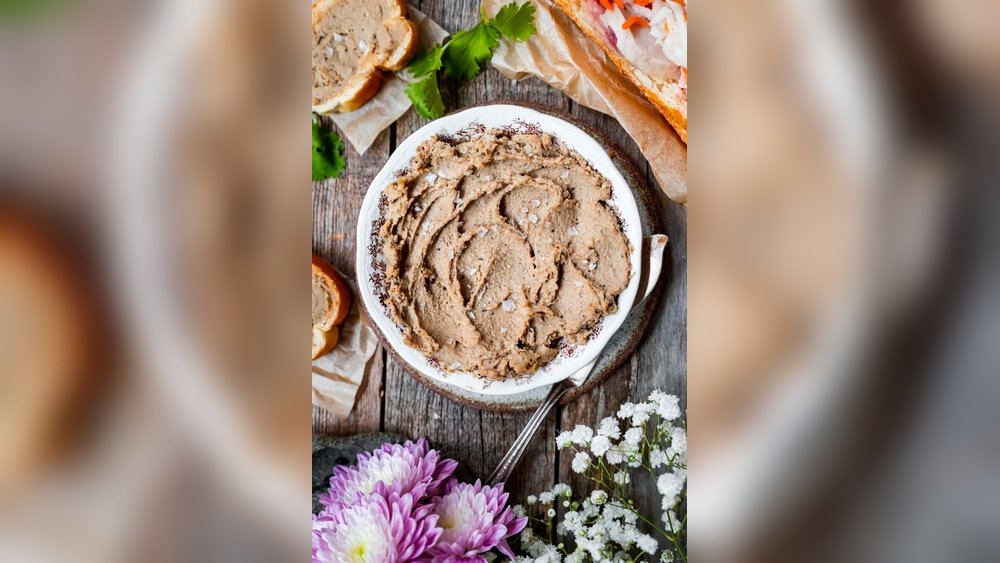
Are you ready to bring a taste of Vietnam into your kitchen? Vietnamese liver pate is a rich, creamy spread that can transform any meal into something special.
Whether you want a delicious appetizer or a unique sandwich filling, this recipe is easy to follow and packed with flavor. By the end of this article, you’ll know exactly how to make authentic Vietnamese liver pate at home. Get ready to impress your family and friends with a dish that’s both simple and unforgettable.
Keep reading, and let’s dive right in!
Origins Of Vietnamese Liver Pate
Vietnamese liver pate has a rich history linked to French colonial times. It blends French cooking with local Vietnamese flavors. This fusion created a unique and tasty dish loved across Vietnam.
The pate’s smooth texture and rich taste make it a favorite in many Vietnamese meals. It is often served in banh mi sandwiches or as a side dish. The recipe has passed down through generations, keeping traditional methods alive.
French Influence On Vietnamese Cuisine
French colonists introduced pate to Vietnam in the 19th century. The French style of cooking liver pate was adapted using local ingredients. This led to a new version that suited Vietnamese tastes well.
Local Ingredients And Techniques
Vietnamese cooks used fresh herbs, spices, and meats to create their own pate style. Ingredients like fish sauce and pepper added unique flavors. The cooking method remained simple but flavorful.
Cultural Significance In Vietnam
Liver pate is more than food; it represents history and culture. It often appears during celebrations and family meals. The dish connects people to their heritage and traditions.
Key Ingredients
The key ingredients in Vietnamese liver pate create its rich and unique flavor. Each element plays a vital role in balancing taste and texture. Freshness and quality matter most. This section breaks down the main components you need to prepare authentic pate.
Choosing The Right Liver
Chicken liver is the best choice for smooth and mild pate. It cooks quickly and has a delicate flavor. Avoid liver with a strong or bitter taste. Fresh liver ensures the best texture and safety. Clean it carefully by removing veins and membranes.
Essential Herbs And Spices
Garlic and shallots add sweetness and depth. Black pepper gives a gentle heat without overpowering. Fresh cilantro or coriander leaves bring a fresh, green note. Star anise or cinnamon can add subtle warmth. Use these spices in small amounts to keep balance.
Additional Flavor Elements
Fish sauce is a key ingredient for authentic Vietnamese taste. It offers saltiness and umami. A little sugar balances the flavors perfectly. Butter or pork fat adds richness and smooth texture. Lemon juice or lime zest brightens the pate with acidity.
Preparation Steps
The preparation steps for Vietnamese liver pate are simple but important. Proper preparation ensures rich flavor and smooth texture. Follow each step carefully to enjoy authentic taste.
Cleaning And Prepping The Liver
Start by rinsing the liver under cold water. Remove any membranes or veins using a sharp knife. Cut the liver into small pieces for easy cooking. This step helps remove any bitterness and ensures smooth pate.
Marinating For Flavor
Place the liver pieces in a bowl. Add salt, pepper, and minced garlic. Mix well and let it sit for 20 to 30 minutes. Marinating helps the liver absorb spices and improves taste.
Cooking Techniques
Heat a pan with a little oil over medium heat. Add the marinated liver and cook gently. Stir often to avoid burning and keep liver tender. Cook until liver is no longer pink inside. Then, cool before blending into a smooth paste.

Credit: beyondsweetandsavory.com
Blending And Texture Tips
Blending and texture play a key role in making Vietnamese liver pate delicious. The right texture brings out the flavors and makes the pate easy to spread. Small changes in blending can change the final dish a lot. This section shows simple tips for blending and adjusting texture to get perfect pate every time.
Achieving Smooth Consistency
Start by chopping the liver into small pieces. Use a food processor or blender to mix the liver well. Blend in short bursts to avoid heating the mixture. Stop and scrape the sides often for even blending. The goal is a creamy, smooth paste without lumps. If the pate feels grainy, blend longer but gently.
Adjusting Thickness
Thicker pate spreads less easily. Add small amounts of cream or broth to loosen it. Mix slowly and check texture after each addition. For thicker pate, blend less or add cooked liver with less liquid. Balance is important. Keep the pate soft but not runny. This makes it perfect for sandwiches or crackers.
Serving Suggestions
Serving Vietnamese liver pate offers many tasty options. This rich, creamy spread pairs well with simple breads and fresh sides. These combinations bring out the best flavors in the pate.
Traditional Baguette Pairings
A crisp Vietnamese baguette is the classic choice. Its crunchy crust and soft inside balance the pate’s smooth texture. Slice the baguette into small pieces for easy spreading. The bread soaks up the pate’s savory taste perfectly. This pairing creates a delightful snack or light meal.
Accompaniments And Garnishes
Fresh herbs like cilantro and mint add bright notes. Thin slices of cucumber or pickled carrots bring crunch and acidity. A few drops of chili sauce add gentle heat. Lightly toasted sesame seeds or crushed peanuts provide texture. These simple garnishes lift the dish and add color.

Credit: beyondsweetandsavory.com
Storage And Shelf Life
Proper storage is key to keeping Vietnamese liver pate fresh and tasty. Storing it correctly helps avoid spoilage and keeps the flavor intact. Understanding shelf life ensures safe and enjoyable consumption.
Vietnamese liver pate contains delicate ingredients. These can spoil quickly if not stored well. Keeping the pate cold and sealed extends its freshness.
Refrigeration Guidelines
Store Vietnamese liver pate in an airtight container. Place it in the coldest part of the refrigerator. Keep the temperature below 40°F (4°C). Consume within 3 to 5 days for best taste.
Freezing Tips
For longer storage, freeze the pate in small portions. Use freezer-safe containers or wrap tightly in plastic wrap. Frozen pate keeps well for up to 2 months. Thaw in the fridge before serving.
Signs Of Spoilage
Check the pate for changes in color or smell. A sour or off odor means it has gone bad. Mold or slimy texture are clear spoilage signs. Discard immediately if any of these appear.
Common Mistakes To Avoid
Making Vietnamese liver pate can be simple. Yet, some errors can spoil the taste or texture. Avoid these common mistakes to make your pate smooth and tasty.
Following the right steps helps keep the flavors balanced and fresh. Pay close attention to these tips for better results.
Using Low-quality Liver
Fresh, good-quality liver is key. Old or frozen liver can taste bitter. Choose liver that looks bright and smells fresh.
Always clean the liver well. Remove any veins or membranes before cooking.
Overcooking The Liver
Cooking liver too long makes it dry and tough. Cook it just until it changes color. Keep it soft for the best texture.
Use medium heat and watch closely. Stir often to cook evenly.
Skipping The Soaking Step
Soaking liver in milk or water removes bitterness. Skipping this step leaves a strong, unpleasant taste. Soak for at least 30 minutes before cooking.
Not Blending Enough
Pate needs to be smooth. Blend the cooked liver well. Use a food processor or blender for a creamy texture.
Check the mixture often. Stop when it feels soft and silky.
Forgetting To Season Properly
Seasoning is important. Salt, pepper, and spices bring out the flavor. Taste the mixture and adjust seasoning before chilling.
Too little salt makes it bland. Too much covers the liver taste.

Credit: beyondsweetandsavory.com
Frequently Asked Questions
What Ingredients Are Needed For Vietnamese Liver Pate?
Vietnamese liver pate requires chicken or pork liver, shallots, garlic, fish sauce, black pepper, and butter. Fresh herbs and spices enhance flavor. These ingredients create a smooth, savory spread perfect for banh mi or appetizers.
How Do You Make Smooth Vietnamese Liver Pate?
To make smooth pate, cook liver until tender, then blend with sautéed shallots, garlic, and seasoning. Add butter gradually for creaminess. Strain the mixture for extra smoothness before chilling. This ensures a rich, velvety texture.
Can Vietnamese Liver Pate Be Stored In The Refrigerator?
Yes, Vietnamese liver pate can be refrigerated for up to 5 days. Store in an airtight container to maintain freshness. Always use a clean spoon to avoid contamination and preserve the pate’s flavor and safety.
Is Vietnamese Liver Pate Served Hot Or Cold?
Vietnamese liver pate is typically served cold or at room temperature. Chilling allows flavors to meld and texture to firm up. It is commonly spread on bread or used as a filling in banh mi sandwiches.
Conclusion
Vietnamese liver pate offers a rich and tasty treat for any meal. This recipe is simple and brings authentic flavors to your table. You can enjoy it as a spread or part of a sandwich. Making it at home saves money and ensures fresh ingredients.
Try this recipe to add a new dish to your cooking list. Easy, delicious, and full of flavor—perfect for sharing with family. Give it a try and enjoy the taste of Vietnam today.
