
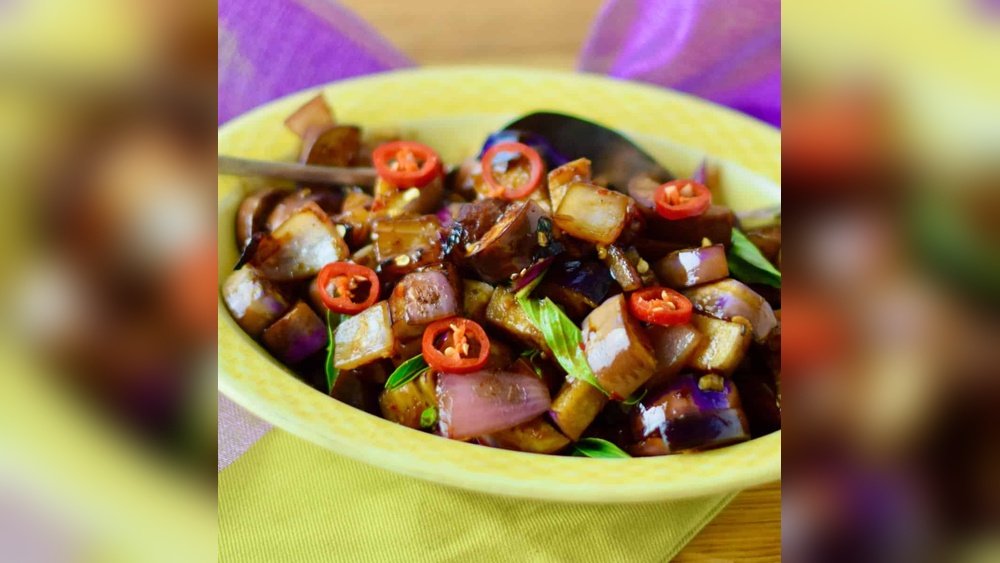
Are you ready to ignite your taste buds with a burst of bold flavors? This Spicy Thai Eggplant Recipe is exactly what you need to turn an ordinary meal into something unforgettable.
Imagine tender eggplants soaked in a rich, spicy sauce that’s both tangy and savory—perfect for anyone who loves a little heat on their plate. Whether you’re cooking for yourself or impressing guests, this dish is simple to make and packed with flavor.
Keep reading, and you’ll discover how easy it is to bring authentic Thai spice right into your kitchen.
Choosing The Right Eggplant
Choosing the right eggplant is key to making a delicious spicy Thai eggplant dish. The right eggplant has the perfect texture and flavor to soak up the spices. Picking the wrong one can make your dish bitter or mushy. Understanding the types and freshness helps you cook better meals.
Types Of Thai Eggplants
Thai eggplants are small and round, different from the usual long purple ones. The most common type is green with white stripes. Some are white or pale green and smooth-skinned. These eggplants are firm and slightly bitter, which balances spicy flavors well. Each type adds a unique texture and taste to your recipe.
Freshness And Quality Tips
Choose eggplants that are firm and heavy for their size. Avoid those with soft spots or wrinkles. The skin should be shiny and smooth, not dull or dry. Press gently; fresh eggplants bounce back quickly. Fresh eggplants have a mild scent and no strong odor. These qualities ensure your dish tastes fresh and vibrant.
Key Ingredients For Spice
The secret to a spicy Thai eggplant recipe lies in the key ingredients that bring heat and flavor together. These ingredients create a bold taste that excites the palate. Each spice plays a unique role in building the dish’s complexity.
Understanding these spices helps you create a balanced and delicious meal. Let’s explore the essential Thai spices and how to balance heat with flavor.
Essential Thai Spices
Thai cooking uses spices that add warmth and depth. Chili peppers are the main source of heat. Fresh or dried, they bring sharp spice to the dish.
Garlic adds a strong, aromatic punch. It blends well with chili for a spicy base. Ginger offers a fresh, slightly sweet heat. It lifts the flavors without overpowering.
Kaffir lime leaves give a citrusy scent. They brighten the dish and add freshness. Thai basil adds a peppery, slightly sweet flavor. It balances the heat with herbal notes.
Balancing Heat And Flavor
Spice alone can be too intense. Balancing heat with other tastes is key. Sweetness from palm sugar calms the chili’s fire. It adds a smooth, rich layer.
Sourness from lime juice cuts through the spice sharply. It refreshes the palate and lifts the dish. Saltiness from fish sauce rounds out the flavors. It enhances both heat and sweetness.
This balance makes the spicy Thai eggplant dish enjoyable for all. Not just hot, but full of flavor that keeps you coming back.
Preparation Techniques
Preparing spicy Thai eggplant properly sets the foundation for a delicious dish. Each step enhances the flavors and textures. Careful preparation makes cooking easier and the final taste better.
Cleaning And Cutting Eggplants
Start by rinsing the eggplants under cold water. This removes dirt and any residue. Use a sharp knife to cut off the green stems. Slice the eggplants into bite-sized pieces. Keep the pieces uniform for even cooking. Avoid peeling; the skin adds texture and color.
Prepping The Spice Paste
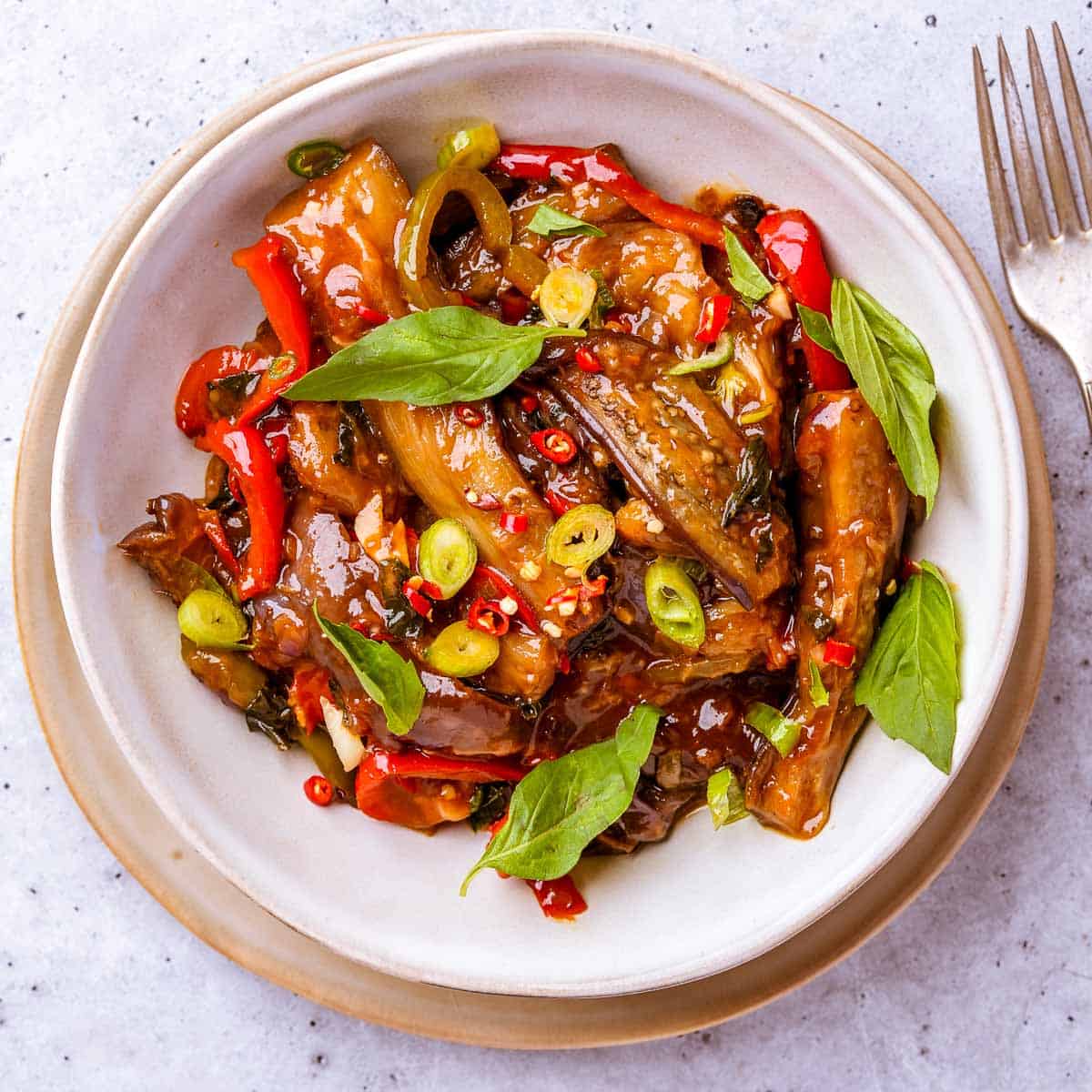
Combine fresh garlic, red chili, and shallots for the spice paste. Pound them using a mortar and pestle or blend lightly. Add shrimp paste for authentic Thai flavor. Mix in a pinch of salt to balance tastes. The paste should be smooth but still slightly coarse. This helps release strong, vibrant aromas.
Credit: cinnamonsnail.com
Cooking The Dish
Cooking Spicy Thai Eggplant brings out bold flavors and a unique texture. The process is simple but needs attention. Proper cooking ensures the eggplant stays tender and soaks up the spicy sauce well.
Focus on the right heat and timing. Stir-frying keeps the dish fresh and full of flavor. Each step builds layers that make this dish special.
Sautéing And Stir-frying Tips
Use medium-high heat to sauté the eggplant. This cooks it evenly without burning. Stir often to prevent sticking and burning. Use a good amount of oil; eggplants absorb it quickly. Add garlic and chilies early for a spicy base. Stir-frying fast helps keep the eggplant firm and flavorful.
Timing For Perfect Texture
Cook the eggplant for about 5 to 7 minutes. It should feel soft but not mushy. Overcooking makes the eggplant soggy and less tasty. Check frequently and remove from heat when tender. This timing keeps the dish balanced and delicious.
Serving Suggestions
Serving Spicy Thai Eggplant properly enhances its bold flavors. It makes the meal complete and enjoyable. This dish works well with simple sides and thoughtful presentation. A few tips can help you serve it best. Below are ideas to make your meal inviting and balanced.
Pairing With Rice And Sides
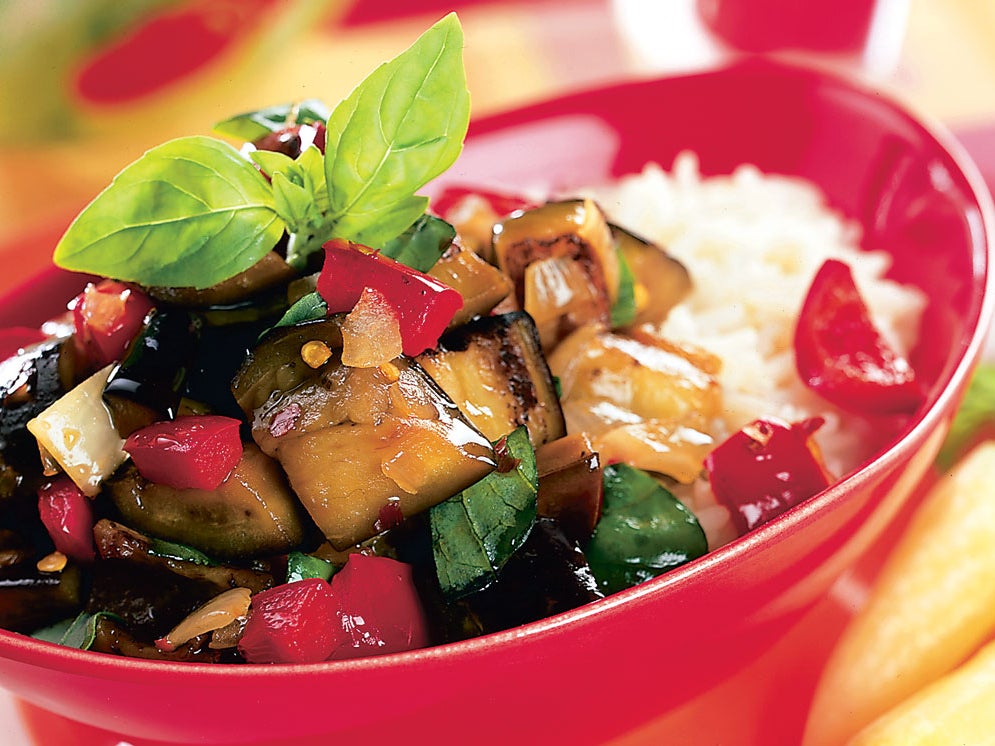
Steamed jasmine rice is the perfect match for spicy Thai eggplant. The rice soaks up the sauce and cools the heat. You can also try sticky rice for a traditional touch. Light vegetable sides like cucumber salad or steamed greens add freshness. These sides balance the rich, spicy flavors. Avoid heavy dishes that overpower the eggplant.
Garnishes And Presentation
Fresh herbs like cilantro or Thai basil brighten the dish. Sprinkle chopped peanuts for crunch and texture. Thin slices of red chili add color and extra spice. Serve in a shallow bowl to show off the sauce. Arrange eggplant pieces neatly for a clean look. A wedge of lime on the side adds a zesty finish.
Credit: www.vegetariantimes.com
Variations And Customizations
Spicy Thai eggplant is a flexible dish. It allows many variations and customizations. This makes it perfect for different tastes and diets. You can change the spice levels or add proteins. Each change creates a new experience with the same base recipe.
Adjusting Spice Levels
Control the heat by changing the chili amount. Use fewer chilies for a mild taste. Add more for a hotter dish. Substitute fresh chilies with chili flakes for a different flavor. Remove seeds to reduce spiciness. Add coconut milk to calm down the heat. This balances spice and adds creaminess. Adjust slowly to find your perfect heat level.
Adding Protein Options
Include proteins for a fuller meal. Tofu works well for a vegetarian option. Fry it first for a crispy texture. Chicken pieces blend nicely with the spicy sauce. Shrimp adds a sweet, tender touch. Pork or beef strips also complement the flavors. Cook proteins separately before mixing with eggplant. This keeps textures right and flavors strong.
Storing And Reheating
Storing and reheating your Spicy Thai Eggplant keeps its flavors fresh and vibrant. Proper care helps the dish taste just like when first made. This section guides you on the best ways to store and reheat your eggplant.
Best Practices For Freshness
Let the eggplant cool down before storing. Place it in an airtight container to keep moisture out. Store the container in the refrigerator. Use within 2 to 3 days for the best taste. Avoid leaving the dish at room temperature for too long. This prevents bacteria growth and keeps flavors intact.
Reheating Without Losing Flavor
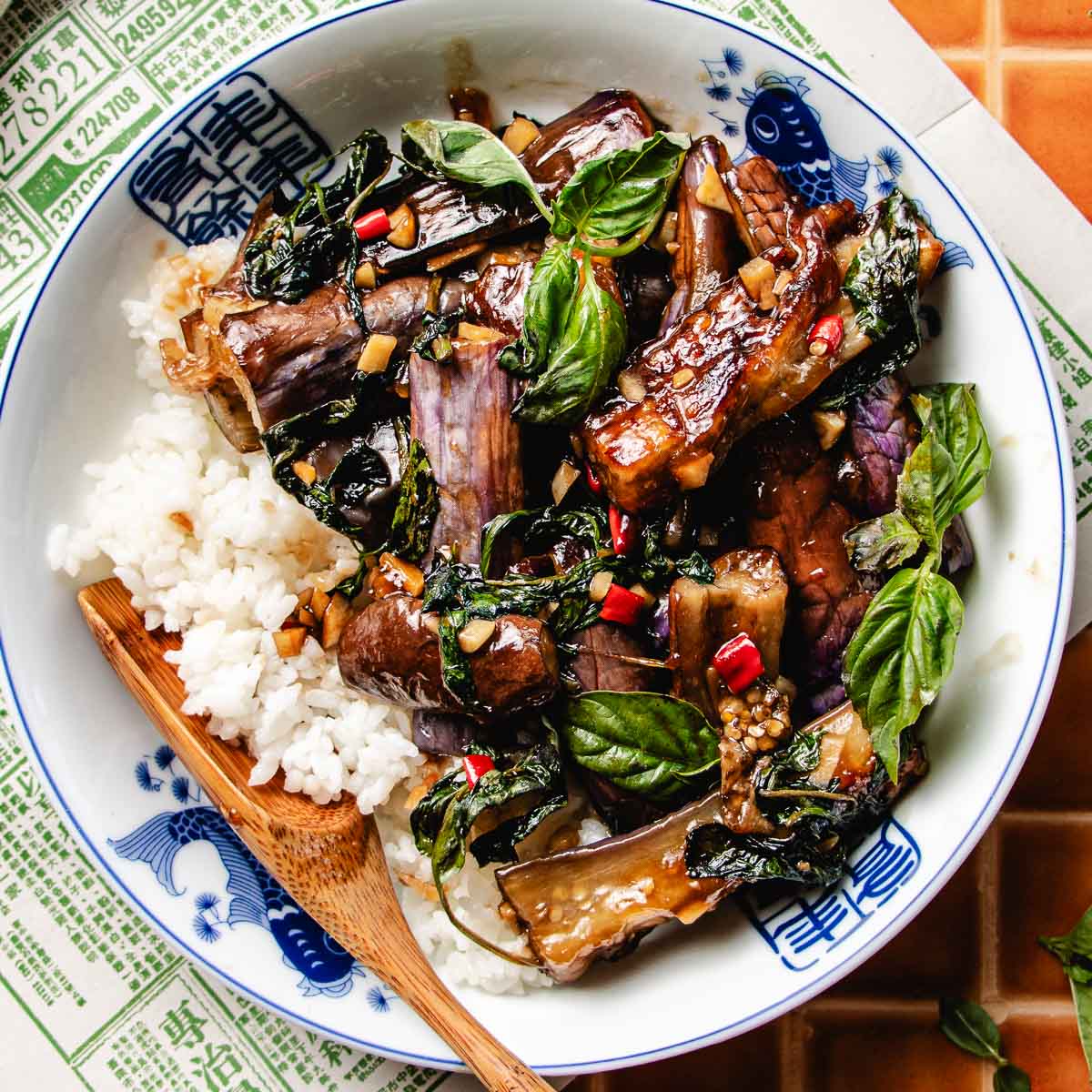
Reheat the eggplant gently to keep its texture. Use a pan on low heat instead of a microwave. Add a small splash of water or broth to keep it moist. Stir often to heat evenly. Heat until warm but not boiling. This method keeps the spices strong and the eggplant tender.
Credit: iheartumami.com
Frequently Asked Questions
What Ingredients Make Spicy Thai Eggplant Flavorful?
Spicy Thai Eggplant uses Thai eggplants, garlic, chili, fish sauce, and fresh herbs. These ingredients create a rich, spicy, and savory taste typical of Thai cuisine.
How Do You Cook Thai Eggplant Perfectly?
Cook Thai eggplant by stir-frying or simmering until tender but firm. Avoid overcooking to maintain texture and absorb flavors well.
Can I Use Regular Eggplant Instead Of Thai Eggplant?
Yes, you can substitute regular eggplant. Choose small, firm varieties and adjust cooking time to achieve a similar texture.
What Dishes Pair Well With Spicy Thai Eggplant?
Serve Spicy Thai Eggplant with steamed rice, grilled meats, or noodle dishes. It complements mild flavors and balances spicy heat.
Conclusion
This spicy Thai eggplant recipe brings bold flavors to your table. It cooks quickly and uses simple ingredients. You can enjoy it as a side or main dish. Perfect for anyone who likes a little heat in their meal. Try it today and taste the rich, spicy goodness.
Cooking Thai food at home has never been easier or more fun. Give your dinner a fresh twist with this tasty recipe. You’ll want to make it again and again.
