

Are you ready to create a wine that bursts with the sweet and tangy flavors of strawberries and rhubarb? This strawberry rhubarb wine recipe is perfect for you, whether you’re a beginner or a seasoned winemaker.
Imagine sipping on a glass of your own homemade wine, crafted with fresh, natural ingredients right from your kitchen. This guide will take you step-by-step through the process, making it easy and fun. Keep reading, and you’ll soon discover how to turn simple fruits into a delicious, refreshing wine that you’ll be proud to share.

Credit: www.youtube.com
Ingredients Needed
Making strawberry rhubarb wine starts with the right ingredients. Each component plays a key role in taste and fermentation. Fresh, quality ingredients create the best wine. Below are the essentials you need to gather before beginning.
Fresh Strawberries And Rhubarb
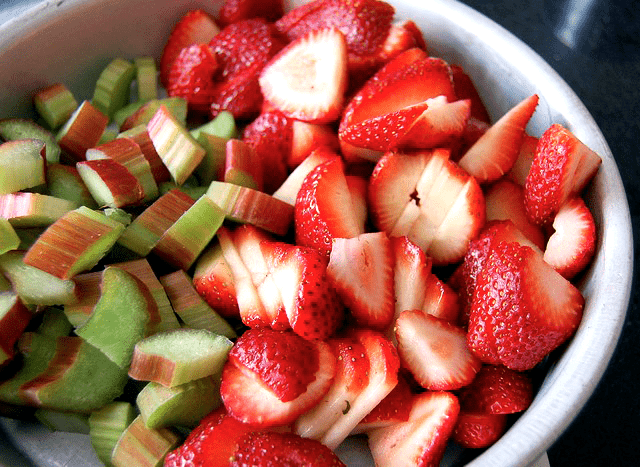
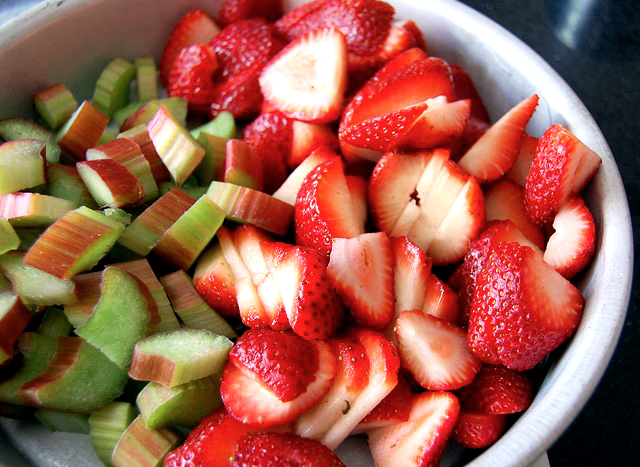
Use ripe, fresh strawberries for natural sweetness. Choose firm rhubarb stalks with bright color. Wash both fruits thoroughly to remove dirt. Chop them into small pieces to release juices. These fruits provide the wine’s unique tart and sweet flavor.
Sugar And Water
Sugar feeds the yeast and boosts alcohol content. Use white granulated sugar for a clean taste. Water dilutes the mixture and helps fermentation. Use clean, filtered water to avoid off flavors. The balance of sugar and water shapes the wine’s body.
Yeast Selection
Choose wine yeast designed for fruit wines. It converts sugars into alcohol efficiently. Champagne yeast or Lalvin EC-1118 are popular choices. Avoid bread yeast; it can spoil the flavor. Proper yeast gives your wine a smooth finish.
Additional Flavorings
Optional spices can enhance the wine’s aroma. Cinnamon sticks or vanilla pods work well. Add lemon zest for a fresh note. Use sparingly to avoid overpowering the fruit flavors. These extras add depth and complexity to your wine.
Preparing The Fruit
Preparing the fruit is the first step to making delicious strawberry rhubarb wine. The quality of fruit affects the taste and fermentation process. Clean and cut the strawberries carefully. Chop the rhubarb into small pieces. Combine both fruits to get a perfect balance of sweetness and tartness.
Cleaning And Cutting Strawberries
Start by rinsing the strawberries under cold water. Remove any leaves and stems. Dry the strawberries with a clean towel. Cut the strawberries into halves or quarters. Smaller pieces help release more juice during fermentation.
Chopping Rhubarb
Wash rhubarb stalks thoroughly to remove dirt. Trim off any dry or tough ends. Cut rhubarb into one-inch pieces. Keep the pieces consistent in size. This helps the rhubarb ferment evenly with the strawberries.
Combining Fruit For Fermentation
Place the cut strawberries and chopped rhubarb in a large bowl. Mix gently to combine the fruit. This blend creates a natural balance of sweet and tart flavors. Ready fruit ensures smooth and effective fermentation for your wine.
Fermentation Process
Fermentation is the heart of making strawberry rhubarb wine. It changes fruit juice into wine by using tiny living things called yeast. This process creates alcohol and brings out the wine’s unique taste and aroma. Careful steps during fermentation affect the final flavor and quality of your wine.
Mixing Ingredients
Start by washing and chopping fresh strawberries and rhubarb. Combine them with sugar and water in a clean container. Stir well to dissolve the sugar completely. This mix is the base for your wine, filled with natural fruit flavors and sweetness.
Adding Yeast
Yeast is the key to turning sugar into alcohol. Sprinkle wine yeast over the fruit mixture. Let it sit a few minutes to activate. Stir gently to spread yeast evenly. Use yeast made for fruit wines for best results.
Primary Fermentation Timeline
Cover the container loosely to let gases escape. Keep it in a dark, warm place around 65-75°F (18-24°C). Stir the mixture daily to mix yeast and fruit. Fermentation usually lasts 5 to 10 days. Watch for bubbling, a sign yeast is working well.
Secondary Fermentation
Secondary fermentation is a key step in making strawberry rhubarb wine. It helps improve the wine’s flavor and clarity. This stage follows the primary fermentation, where most sugars turn into alcohol. Secondary fermentation allows the wine to mature and settle.
During this time, the wine becomes smoother and develops a richer taste. It also helps remove unwanted particles and reduces cloudiness. Proper handling during secondary fermentation ensures a better final product. Let’s explore the important tasks in this phase.
Transferring To Secondary Vessel
Move the wine carefully into a clean, sanitized vessel. Use a siphon to avoid stirring up sediment. This transfer prevents dead yeast and solids from spoiling the flavor. Leave some space at the top to allow gas expansion. Seal the vessel with an airlock to keep air out.
Clarifying The Wine
Clarification makes the wine clear and bright. Natural settling happens as solids fall to the bottom. You can add fining agents to speed up this process. Avoid shaking the vessel to keep sediment undisturbed. Clear wine looks better and tastes cleaner.
Fermentation Completion Signs
Watch for bubbles in the airlock to slow or stop. Check the wine’s specific gravity with a hydrometer. Stable readings over a few days show fermentation is done. The wine will taste less sweet and more balanced. At this point, the wine is ready for bottling or aging.
Bottling And Aging
Bottling and aging are crucial steps in making strawberry rhubarb wine. These steps help improve the flavor and preserve the wine. Proper care during bottling and aging ensures a clean, tasty final product. Follow these simple steps to get the best results from your homemade wine.
Sanitizing Bottles
Cleanliness is key to good wine. Wash bottles with warm water and soap first. Rinse them well to remove all soap. Use a sanitizing solution to kill bacteria and yeast. Let the bottles air dry on a clean surface. Sanitized bottles prevent spoilage and keep wine fresh.
Transferring Wine To Bottles
Use a siphon tube to move wine carefully. Avoid stirring up sediment at the bottom. Fill bottles, leaving some space at the top. This space allows wine to expand during aging. Seal bottles tightly with corks or caps. Proper transfer keeps wine clear and smooth.
Aging Duration And Storage Tips
Store bottles in a cool, dark place. Ideal temperature is between 50 and 60 degrees Fahrenheit. Let wine age for at least six months. Longer aging softens flavors and blends fruit taste. Avoid temperature changes and direct sunlight. Keep bottles lying down to keep corks moist. Proper aging enhances the wine’s aroma and taste.
Tasting And Serving
Tasting and serving your homemade strawberry rhubarb wine is a special moment. It lets you enjoy the fruits of your hard work. Proper tasting and serving bring out the best flavors and aromas. This section helps you know how to serve your wine perfectly.
Ideal Serving Temperature
Strawberry rhubarb wine tastes best chilled. Serve it between 45°F and 55°F (7°C to 13°C). Too cold dulls the flavors. Too warm makes the wine taste flat. Use a wine fridge or chill in the fridge for a few hours. Let the wine sit for a few minutes after chilling.
Pairing With Food
This wine pairs well with light dishes. Try it with fresh salads and mild cheeses. It also goes well with grilled chicken or fish. Sweet desserts like strawberry shortcake match the wine’s fruity taste. Avoid heavy, spicy foods. They overpower the delicate flavors.
Adjusting Sweetness And Flavor
Some like their wine sweeter. Add a small amount of sugar or honey before serving. Stir gently to mix well. For more tartness, add a splash of lemon juice. Taste as you go to avoid overdoing it. Adjusting sweetness and flavor lets you enjoy wine your way.
Troubleshooting Common Issues
Making strawberry rhubarb wine is fun but can have some problems. Knowing how to fix common issues helps keep your wine tasty. This section explains how to avoid and solve typical problems during winemaking.
Preventing Off-flavors
Off-flavors can spoil your wine’s taste. Clean all tools and containers well before use. Use fresh, ripe strawberries and rhubarb for the best flavor. Avoid letting the juice sit too long before fermentation. Temperature control is important; keep the fermenting wine cool but not cold. Use the right yeast type and follow the instructions carefully.
Fixing Cloudy Wine
Cloudy wine looks less appealing. It happens when particles stay suspended in the liquid. Let the wine rest longer to allow solids to settle. Use fining agents like bentonite to clear the wine. Filter the wine gently to avoid stirring up sediment. Patience is key for clear, bright wine.
Dealing With Stuck Fermentation
Sometimes fermentation stops before finishing. Check the temperature; yeast works best between 65°F and 75°F. Stir the wine gently to mix nutrients and yeast. Add yeast nutrient to support the yeast. If stuck, add more active yeast to restart the process. Avoid contamination by keeping equipment clean.
Credit: blog.homebrewing.org
Credit: blog.homebrewing.org
Frequently Asked Questions
What Ingredients Are Needed For Strawberry Rhubarb Wine?
You need fresh strawberries, rhubarb stalks, sugar, water, wine yeast, and pectic enzyme. These create a balanced, fruity flavor and proper fermentation.
How Long Does Strawberry Rhubarb Wine Take To Ferment?
Primary fermentation takes about 7 to 10 days. Secondary fermentation requires 4 to 6 weeks for clarity and taste development.
Can I Use Frozen Strawberries For The Wine?
Yes, frozen strawberries work well. Thaw them first to release juice, which helps with fermentation and flavor extraction.
What Is The Best Yeast For Strawberry Rhubarb Wine?
Wine yeast like Lalvin 71B or EC-1118 is ideal. These strains enhance fruity aromas and ensure a clean fermentation.
Conclusion
Strawberry rhubarb wine offers a fresh and tangy flavor. Making it at home is simple and fun. This recipe uses easy-to-find ingredients and clear steps. Enjoy the natural taste and the joy of crafting your own wine. Share it with friends or keep it for special moments.
Try this recipe and discover a new favorite drink. Homemade wine brings a sense of pride and satisfaction. Give it a try, and enjoy every sip.
