


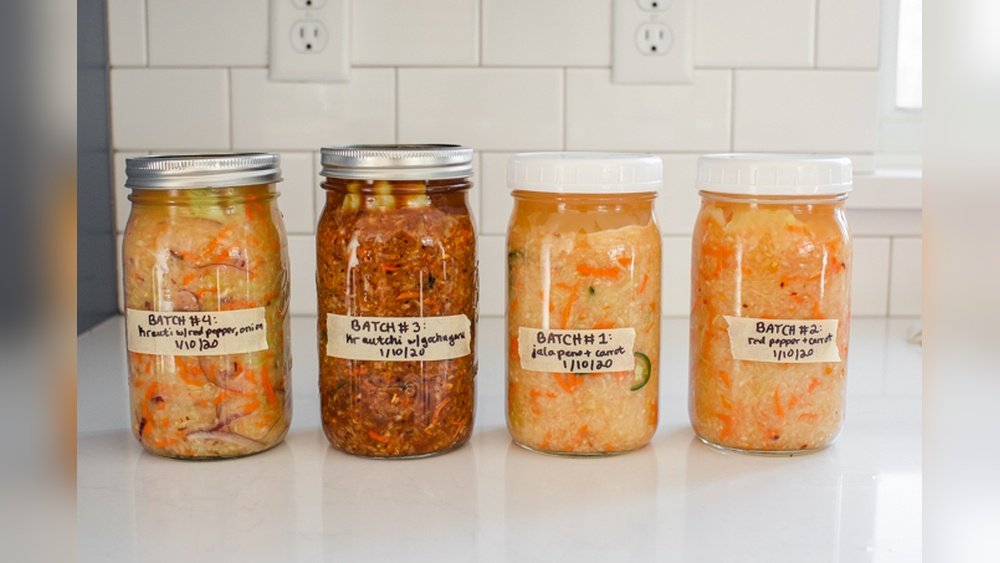
Are you ready to add a bold, zesty twist to your meals? This spicy sauerkraut recipe is exactly what your kitchen needs.
Imagine a crunchy, tangy bite with just the right kick of heat that wakes up your taste buds and makes every dish more exciting. Whether you’re new to sauerkraut or looking to spice up your usual routine, this recipe will guide you step-by-step.
Keep reading, and you’ll discover how easy it is to make your own flavorful, spicy sauerkraut that will transform your meals and impress everyone at your table.
Ingredients For Spicy Sauerkraut
The ingredients for spicy sauerkraut are simple but full of flavor. Each item plays a key role in creating the perfect balance of tangy and heat. Using fresh and quality ingredients will make your sauerkraut taste better and ferment well.
Understanding these ingredients helps you prepare and enjoy spicy sauerkraut at home. Let’s explore each important component.
Cabbage
Cabbage is the main ingredient in sauerkraut. Choose fresh, firm heads with no bruises or soft spots. Green cabbage is common, but red cabbage works well for color and taste. Shred the cabbage finely for better fermentation.
Salt
Salt is essential for fermentation. It draws moisture out of the cabbage and helps good bacteria grow. Use non-iodized salt like sea salt or kosher salt. Avoid table salt with additives that may harm fermentation.
Chili Peppers
Chili peppers add the spicy kick. Use fresh or dried peppers depending on your taste. Jalapeños, serranos, or cayenne peppers work well. Adjust the amount based on how hot you want your sauerkraut.
Garlic
Garlic brings a sharp and rich flavor. Use fresh garlic cloves, peeled and crushed slightly. It enhances the spicy taste and adds depth to the sauerkraut.
Caraway Seeds
Caraway seeds add a warm, earthy flavor. They are common in traditional sauerkraut recipes. Use them sparingly to avoid overpowering the other flavors.
Optional Spices
Other spices like black peppercorns, mustard seeds, or bay leaves can add complexity. Use small amounts to keep the focus on the spicy and tangy flavors.
Credit: www.foodologygeek.com
Choosing The Right Cabbage
Fresh, firm cabbages with tightly packed leaves work best for spicy sauerkraut. Choose heads without bruises or soft spots for crisp texture and good flavor.
Picking the right cabbage is key for tasty spicy sauerkraut. The cabbage’s texture and flavor affect fermentation. Freshness matters most. A good cabbage will make your sauerkraut crisp and flavorful.
Look for firm, heavy heads. Avoid cabbages with brown spots or soft leaves. These signs mean the cabbage is old or damaged. Fresh cabbage has tight, bright leaves and a strong smell.
Green Cabbage Vs. Red Cabbage
Green cabbage is classic for sauerkraut. It has a mild taste and crunch. It ferments well and is easy to find in stores. Red cabbage adds color and a slightly sweeter flavor. It also has extra vitamins and antioxidants.
Both types work well for spicy sauerkraut. Choose based on your flavor and color preference. Mixing green and red cabbage can create a nice balance.
Organic Or Conventional Cabbage?
Organic cabbage grows without synthetic chemicals. It may have fewer pesticides. This can be better for your health. Conventional cabbage is usually cheaper and widely available. Washing cabbage well removes most dirt and chemicals.
Both types ferment well. Choose what fits your budget and values. The fermentation process also helps reduce some unwanted substances.
Size And Storage Tips
Medium-sized cabbages work best for sauerkraut. They are easier to handle and ferment evenly. Large cabbages may have tougher cores. Small cabbages might not provide enough yield.
Store cabbage in a cool, dark place before use. Keep it wrapped loosely to avoid moisture buildup. Use cabbage within a week for best results.
Preparing The Cabbage And Spices
Preparing the cabbage and spices is the first step to making spicy sauerkraut. This process sets the base for the flavor and texture. Good preparation ensures the cabbage ferments well and the spices bring a nice heat and taste.
Shredding The Cabbage
Use fresh, firm cabbage for the best sauerkraut. Remove the outer leaves and cut the cabbage into quarters. Shred the cabbage thinly using a sharp knife or a mandoline. Thin strips help release the cabbage juices quickly. These juices are important for fermentation. Shredding evenly also helps the salt mix well with the cabbage.
Selecting Spices For Heat And Flavor
Choose spices that add heat and deepen the flavor. Traditional options include chili flakes, black pepper, and mustard seeds. Fresh garlic and ginger add a spicy kick. Adjust the amount of chili flakes to control the heat level. Use whole spices for a subtle taste or crushed ones for more intensity. The right mix creates a balanced and flavorful sauerkraut.
Fermentation Process
The fermentation process is the heart of making spicy sauerkraut. It transforms simple cabbage and spices into a tangy, flavorful treat. This process uses natural bacteria to break down sugars in the cabbage. The result is a crunchy, sour, and spicy sauerkraut full of probiotics. Proper care during fermentation ensures the best taste and safety.
Packing The Jar
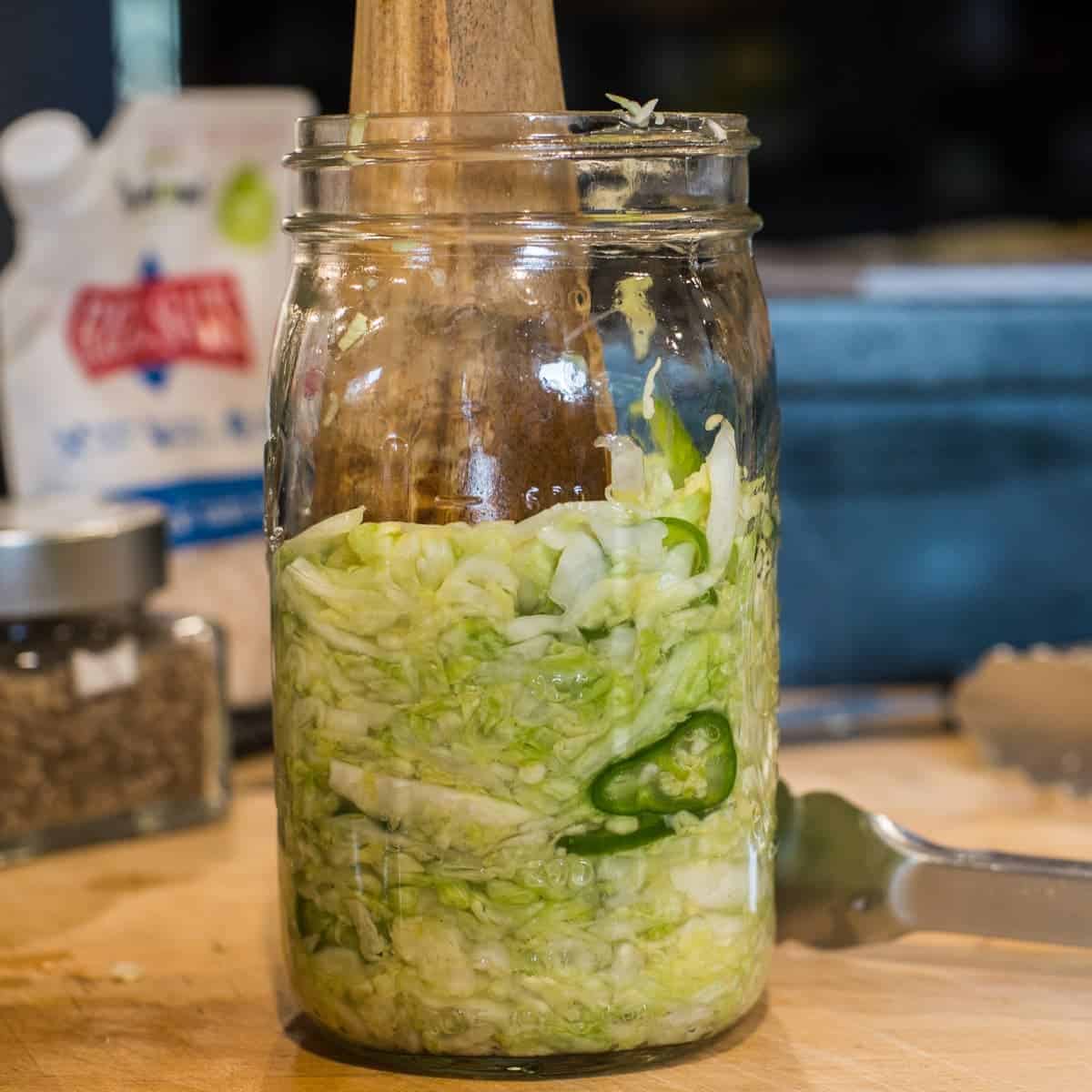
Start by tightly packing the cabbage and spices into a clean jar. Press down firmly to remove air pockets. The cabbage should be fully submerged in its juice or brine. Air exposure can cause mold. Use a weight or smaller jar to keep everything under the liquid. Seal the jar with a lid that allows gas to escape.
Maintaining The Right Temperature
Keep the jar at a steady temperature between 65°F and 75°F (18°C to 24°C). This range helps good bacteria grow and stops bad bacteria from forming. Avoid direct sunlight and cold spots. Check the jar daily to ensure the cabbage stays submerged. If the temperature is too low, fermentation slows down.
Fermentation Timeframe
Fermentation usually takes about 1 to 4 weeks. Taste the sauerkraut after the first week. The longer it ferments, the stronger the flavor gets. Stop fermentation when the taste is right for you. Once done, move the jar to the refrigerator. This slows down fermentation and keeps the sauerkraut fresh.
Tips For Enhancing The Tanginess
Enhancing the tanginess of spicy sauerkraut makes it more flavorful and exciting. The sour taste is what many love in sauerkraut. Small changes in the process can boost this tangy flavor. Simple steps can make your sauerkraut sharper and zestier.
Here are some tips to help you get that perfect tang in your spicy sauerkraut recipe.
Choose The Right Type Of Cabbage
Green cabbage has a mild flavor and works well for sauerkraut. Red cabbage adds a bit more natural sourness. Firmer cabbage leaves help with longer fermentation. Fresh, crisp cabbage produces better tangy results.
Control The Salt Amount
Salt is key to good fermentation. Use the right amount to balance flavor and tang. Too little salt slows fermentation and reduces tanginess. Too much salt can stop fermentation altogether. Measure salt carefully for the best sour taste.
Extend The Fermentation Time
Longer fermentation makes sauerkraut tangier. Keep it at room temperature for two to four weeks. Check taste every few days. Stop fermentation when the tang is strong but not too sharp. Patience pays off with better sourness.
Use A Starter Culture
Adding a small amount of live sauerkraut juice or whey helps. These contain good bacteria that speed up fermentation. Faster fermentation creates more tangy flavors. It also improves the texture and crunchiness of sauerkraut.
Keep Fermentation Temperatures Steady
Ideal temperatures are between 65°F and 75°F (18°C to 24°C). Warmer temperatures speed up fermentation and tanginess. Cooler temperatures slow it down but create milder flavors. Avoid big temperature swings for consistent sourness.

Credit: thewildgut.com
Common Mistakes To Avoid
Making spicy sauerkraut at home is fun but tricky. Many beginners make simple mistakes. These errors can spoil the taste or stop fermentation. Avoiding common pitfalls helps create a crisp, flavorful sauerkraut every time.
Learn what to watch out for and improve your sauerkraut skills. Small changes lead to better results and more consistent batches.
Using Too Much Salt
Salt controls fermentation and flavor. Too much salt slows or stops fermentation. Too little salt allows bad bacteria to grow. Use the right amount for safe and tasty sauerkraut.
Not Packing The Cabbage Firmly
Air exposure causes mold and spoilage. Press cabbage tightly to remove air pockets. Use a weight to keep the cabbage submerged under the brine.
Ignoring Temperature Control
Fermentation works best between 65-75°F (18-24°C). Too cold slows fermentation. Too hot can cause off flavors and spoilage. Keep your sauerkraut in a stable, cool spot.
Using Dirty Equipment
Bacteria and mold come from unclean tools. Wash hands, jars, and utensils well before use. Clean equipment ensures safe fermentation and better flavor.
Not Waiting Long Enough To Taste
Sauerkraut needs time to develop flavor. Tasting too early means bland or under-fermented kraut. Wait at least one week and taste regularly until you like the flavor.
Serving Suggestions
Serving spicy sauerkraut offers many tasty options. Its bold flavors brighten simple dishes and add a spicy kick. This fermented side is great for enhancing meals and snacks alike. Here are some easy ways to enjoy it.
Pairing With Meals
Spicy sauerkraut pairs well with grilled meats like sausages and chicken. It adds a tangy crunch to burgers and sandwiches. Try it alongside roasted vegetables for extra zest. It also works great with potato dishes. The heat balances creamy or rich foods nicely.
Using As A Condiment
Use spicy sauerkraut as a topping for hot dogs or tacos. It adds flavor and texture to wraps and flatbreads. Mix it into salads for a spicy twist. You can also serve it with cheese platters. Its sharp taste cuts through fatty cheeses well.

Credit: prepareandnourish.com
Storing And Shelf Life
Proper storage of spicy sauerkraut keeps it fresh and flavorful. Knowing the shelf life helps avoid waste. Store it right to enjoy the best taste and crunch.
How To Store Spicy Sauerkraut
Use a clean, airtight glass jar for storage. Press the sauerkraut down to keep it submerged in its juice. Keep the jar sealed to stop air from entering. Store it in the refrigerator to slow down fermentation. Avoid metal containers that can react with the sauerkraut.
Best Temperature For Storing
Keep spicy sauerkraut at 35-40°F (2-4°C) for optimal freshness. This temperature slows fermentation and prevents spoilage. Room temperature storage causes faster fermentation and a stronger taste. Refrigeration keeps the crunch and flavor balanced longer.
How Long Does Spicy Sauerkraut Last?
Properly stored, spicy sauerkraut lasts 4 to 6 months in the fridge. The flavor may become stronger over time. Check for off smells or mold before eating. Discard if it smells bad or looks slimy.
Signs Of Spoiled Sauerkraut
Look for mold on the surface or jar rim. A foul or rotten smell means spoilage. Slimy texture or discoloration also signals it’s time to throw it out. Safe sauerkraut smells sour but fresh and crisp.
Frequently Asked Questions
What Ingredients Make Sauerkraut Spicy?
Spicy sauerkraut includes cabbage, salt, and hot peppers like jalapeños or chili flakes. Garlic and mustard seeds add extra heat and flavor.
How Long Does Spicy Sauerkraut Ferment?
Fermentation usually takes 1 to 4 weeks at room temperature. Longer fermentation deepens flavor and increases spiciness.
Can I Use Other Vegetables For Spicy Sauerkraut?
Yes, carrots, radishes, or onions complement spicy sauerkraut well. They add crunch and balance the heat.
Is Spicy Sauerkraut Healthy To Eat Daily?
Yes, it’s rich in probiotics, vitamins, and antioxidants. Eating it daily supports digestion and boosts immunity.
Conclusion
Spicy sauerkraut adds a bold twist to traditional flavors. It is easy to make and perfect for many dishes. Try it with sandwiches, salads, or as a side. The heat and tang create a tasty balance. This recipe brings a fresh, vibrant kick to your meals.
Give it a try and enjoy the spicy crunch. Simple ingredients, great taste, and a fun cooking experience. Your kitchen will thank you for this flavorful addition.
