


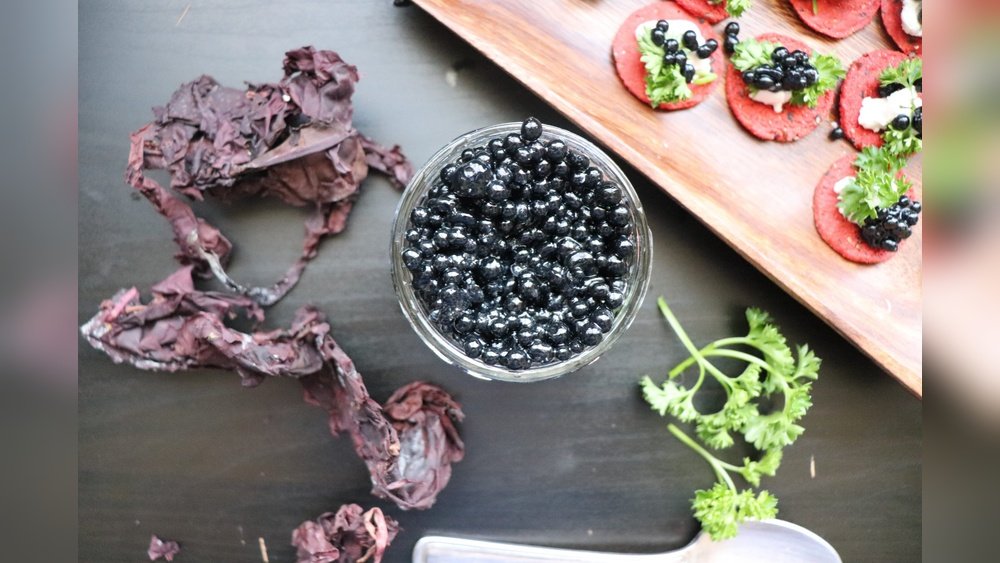
Are you craving the rich, luxurious taste of caviar but want a vegetarian twist? Imagine enjoying those delicate, burst-in-your-mouth beads without any fish involved.
This vegetarian caviar recipe gives you just that—a delicious, eye-catching dish that will impress your guests and satisfy your taste buds. Keep reading, and you’ll discover how simple ingredients can come together to create an elegant treat perfect for any occasion.
Your next favorite appetizer is just a few steps away!
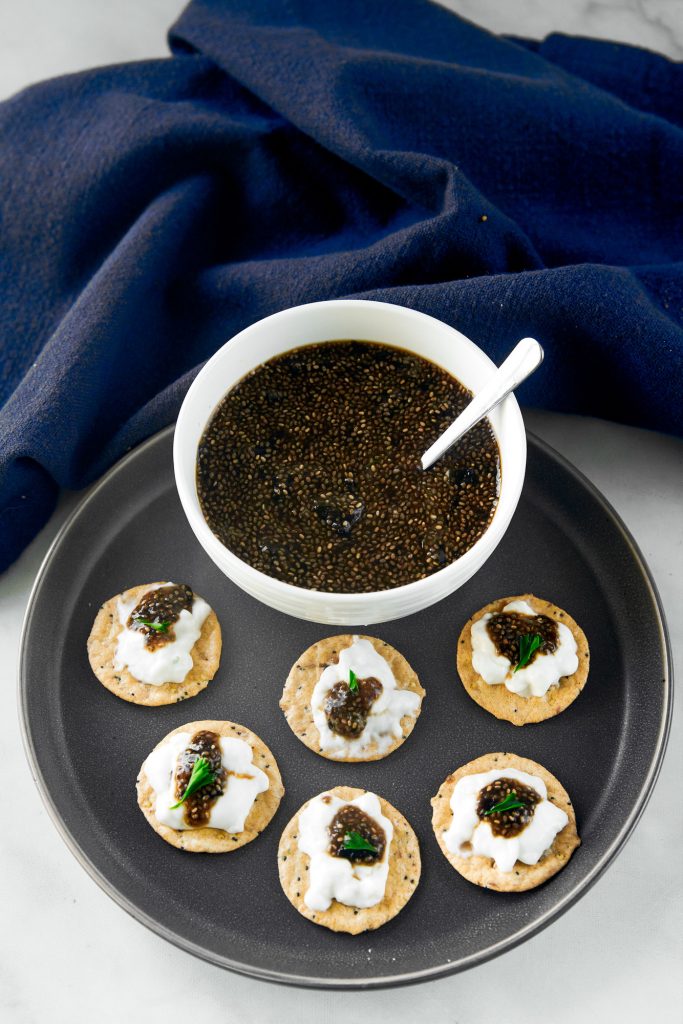
Credit: wowitsveggie.com
Ingredients Needed
Creating vegetarian caviar is simple with the right ingredients. Each item adds unique texture and flavor. Fresh, natural components make the dish tasty and healthy.
Gathering all ingredients before starting helps the cooking process flow smoothly. Here are the essentials for a delicious vegetarian caviar recipe.
Seaweed Pearls Or Vegan Caviar
Seaweed pearls mimic traditional caviar’s look and taste. They provide a salty, ocean-like flavor. Choose high-quality vegan caviar for best results.
Tomatoes
Fresh tomatoes add sweetness and a juicy texture. Use ripe, firm tomatoes for a rich taste. Cherry tomatoes or Roma work well.
Olive Oil
Extra virgin olive oil brings smoothness and depth. It helps bind the ingredients together. Use a mild, fruity olive oil.
Capers
Capers add a tangy, salty bite. They enhance the savory flavor of the dish. Rinse them to reduce saltiness if needed.
Lemon Juice
Lemon juice brightens the overall flavor. It balances the salt and oil. Freshly squeezed juice is best.
Fresh Herbs
Parsley, dill, or chives add freshness and color. Chop finely for even flavor distribution. Herbs lift the taste without overpowering.
Garlic
Garlic gives a subtle spicy kick. Use minced or grated garlic carefully. Avoid raw garlic overpowering the dish.
Salt And Pepper
Season lightly to enhance flavors. Use sea salt and freshly ground black pepper. Adjust seasoning to taste.
Choosing The Base
Choosing the right base is important for vegetarian caviar. The base gives the caviar its texture and flavor. It should look like real caviar and taste good. Some bases are natural and healthy. Others add a unique twist to the dish. Explore options that fit your taste and style.
Seaweed Options
Seaweed is a popular base for vegetarian caviar. It has a salty taste like the sea. Nori sheets or kelp pearls work well. They provide an authentic ocean flavor. Seaweed also gives a shiny, black appearance. It is rich in minerals and vitamins. This option suits those who enjoy seafood flavors.
Vegetable Alternatives
Vegetables can make tasty vegetarian caviar. Beet juice or carrot juice creates colorful beads. These add a mild sweetness and vibrant look. Cucumber or zucchini balls offer a fresh crunch. They are light and refreshing on the palate. Using vegetables is a great choice for variety and nutrition.
Flavor Enhancements
Flavor enhancements bring life to vegetarian caviar. They lift simple ingredients into rich, tasty bites. Proper seasonings and spices create layers of taste. Umami boosts deepen the overall experience. These elements turn your dish from plain to exciting.
Seasonings And Spices
Salt is essential to balance and highlight other flavors. Freshly ground black pepper adds a mild heat and sharpness. A pinch of smoked paprika gives a subtle smoky note. Garlic powder brings warmth without overpowering. Lemon zest adds brightness and a fresh twist. These seasonings work together to create a well-rounded taste.
Adding Umami
Umami makes vegetarian caviar taste richer and more savory. Soy sauce or tamari adds depth and a salty punch. Nutritional yeast brings a cheesy, nutty flavor. A small splash of miso paste enriches the base with fermented complexity. Sun-dried tomatoes offer a natural sweetness with umami. These ingredients enhance the caviar’s mouthfeel and flavor intensity.
Step-by-step Preparation
Making vegetarian caviar at home is simple and fun. Follow these clear steps to create a tasty and elegant dish. Each stage is easy to do, even for beginners. Let’s start with the preparation.
Preparing The Base
First, choose a good base for your caviar. Seaweed, black lentils, or tapioca pearls work well. Rinse the base under cold water to clean it. Cook according to package instructions until soft but firm. Drain well to remove extra water. Let it cool before moving on.
Mixing And Seasoning
Place the cooled base in a bowl. Add lemon juice for a fresh taste. Mix in soy sauce or tamari for saltiness. A little garlic powder enhances flavor. Stir gently to avoid breaking the caviar. Taste and adjust seasoning as needed.
Shaping The Caviar
Use a spoon or small scoop to form little balls. Roll them gently between your fingers. Place the shaped caviar on a tray lined with parchment paper. Chill in the fridge for 15 minutes to set. Now your vegetarian caviar is ready to enjoy.
Serving Suggestions
Serving vegetarian caviar is a chance to impress guests and enjoy a tasty treat. This unique dish pairs well with many flavors and looks stunning on any table. Simple ideas help you create a memorable experience. Here are some easy ways to serve and display vegetarian caviar.
Pairing Ideas
Vegetarian caviar goes well with fresh bread or crackers. Soft cheeses like cream cheese or goat cheese add smoothness. Crisp vegetables, such as cucumber slices or cherry tomatoes, bring crunch and freshness. Light wines or sparkling water balance the salty taste. Small bowls of olives or nuts complement the flavors.
Presentation Tips
Use clear glass bowls to show the caviar’s texture and color. Serve on a wooden board with neat piles of crackers and veggies. Garnish with fresh herbs like dill or parsley for extra color. Use small spoons to keep servings clean and easy. Arrange items with space to avoid a crowded look.
Storage And Shelf Life
Proper storage extends the freshness of vegetarian caviar. Keeping it fresh ensures the best taste and texture. It also prevents spoilage and waste.
Store the caviar in an airtight container. This keeps out air and moisture. Moisture can cause the caviar to spoil faster.
Refrigerate immediately after making or opening. Cold temperatures slow down bacterial growth. Keep the temperature below 40°F (4°C) for best results.
How Long Does Vegetarian Caviar Last?
Fresh vegetarian caviar lasts about 3 to 5 days in the fridge. Avoid leaving it out at room temperature. This can shorten its shelf life.
Freezing Vegetarian Caviar
Freezing can extend shelf life up to 2 months. Use a freezer-safe container to avoid freezer burn. Thaw it slowly in the fridge before use.
Signs That Vegetarian Caviar Has Gone Bad
Check for a sour or off smell. Look for changes in texture, like sliminess. Discard if mold appears or color changes.
Health Benefits
Vegetarian caviar offers many health benefits. It is a tasty and nutritious alternative to traditional caviar. This recipe uses natural ingredients that support a healthy diet. Enjoying vegetarian caviar can boost your well-being in several ways.
Improves Heart Health
Vegetarian caviar is rich in omega-3 fatty acids from plant sources. Omega-3s help lower bad cholesterol and reduce inflammation. This supports a healthy heart and better blood flow. Regular intake can lower the risk of heart disease.
High In Antioxidants
This caviar contains antioxidants that protect cells from damage. Antioxidants help fight free radicals that cause aging and illness. Eating vegetarian caviar can strengthen the immune system. It also helps maintain healthy skin and eyes.
Supports Digestive Health
Fiber in vegetarian caviar aids digestion and prevents constipation. Fiber feeds good bacteria in the gut for better digestion. A healthy gut improves nutrient absorption and overall health. Vegetarian caviar makes a light, gut-friendly snack.
Low In Calories And Fat
Vegetarian caviar is lower in calories than traditional fish caviar. It contains less saturated fat, promoting weight management. This makes it a smart choice for healthy eating. Enjoy the flavor without worrying about extra calories.
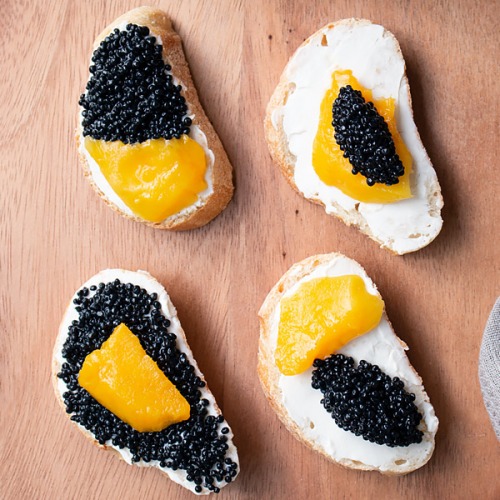
Credit: www.masalaherb.com

Credit: olivesfordinner.com
Frequently Asked Questions
What Ingredients Are Needed For Vegetarian Caviar?
Vegetarian caviar typically uses seaweed, agar-agar, and vegetable broth. These create a fish-free, flavorful alternative. Additional seasonings enhance taste and texture.
How Do You Make Vegetarian Caviar At Home?
Combine seaweed with agar-agar and broth. Heat the mixture until it thickens. Cool it to form caviar-like beads. Use a syringe or dropper for shaping.
Is Vegetarian Caviar Healthy And Nutritious?
Yes, it is low in calories and rich in minerals. Seaweed provides iodine and antioxidants. It’s a great vegan alternative without cholesterol.
Can Vegetarian Caviar Replace Traditional Caviar In Recipes?
Absolutely, it mimics the texture and flavor well. Use it in sushi, salads, or as a garnish. It suits vegan and vegetarian diets perfectly.
Conclusion
This vegetarian caviar recipe is simple and tasty. You can make it quickly at home. It adds a fresh, healthy touch to any meal. Perfect for snacks or party dishes. Try it once, and you might make it often. A great way to enjoy caviar flavors without fish.
Everyone can enjoy this easy, plant-based treat. Give it a chance and taste the difference!
